Even with the rapid growth of mobile apps, online ordering platforms, and self-service kiosks, phone ordering remains one of the most important sales channels for many businesses. Restaurants, cafés, bakeries, grocery stores, and service-based businesses still receive a large percentage of customer orders through phone calls because many customers prefer the speed, simplicity, and human interaction that call in ordering provides.
A well-managed call in order system allows customers to place orders quickly without navigating complicated apps or websites. For businesses, it creates a direct communication channel that can improve customer relationships, reduce ordering confusion, and streamline operations during busy hours.
However, many businesses underestimate how much operational structure is required to manage phone orders efficiently. A poorly organized phone ordering system often leads to missed calls, incorrect orders, frustrated customers, overwhelmed staff, and slower service.
Phone ordering may sound simple on the surface, but scaling it successfully requires proper workflows, trained employees, integrated technology, and clear communication systems.
This is especially important today because customer expectations are much higher than they were a decade ago. Customers expect faster response times, accurate order handling, smooth pickup experiences, and reliable communication regardless of whether they order online or over the phone.
Businesses that continue relying on disorganized handwritten notes or inconsistent ordering procedures often struggle during peak operational periods.
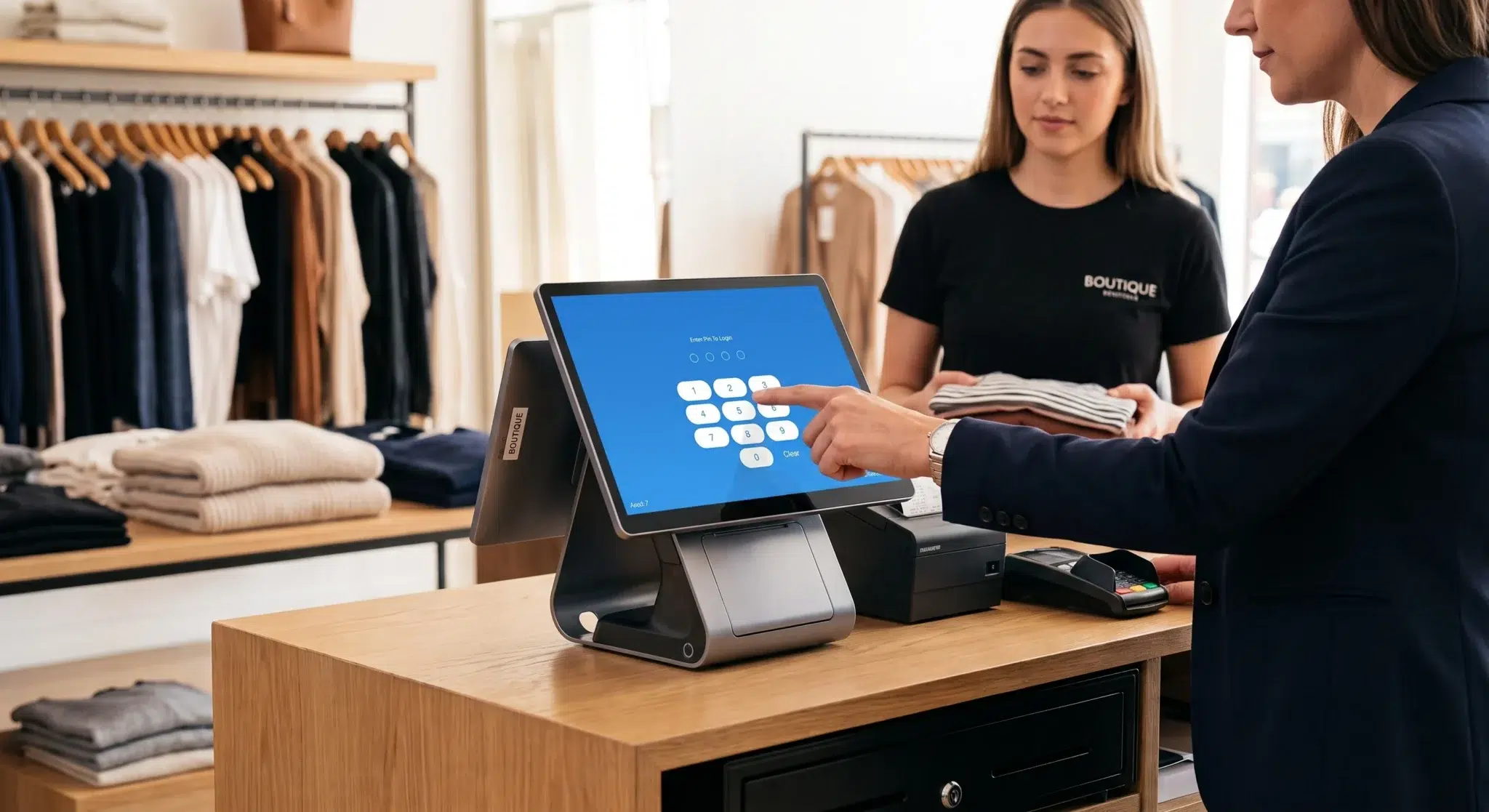
Modern call in ordering systems now integrate directly with POS software, kitchen display systems, inventory management tools, customer databases, and payment processing platforms. This allows businesses to handle phone orders more efficiently while improving accuracy and customer experience.
In this guide, we’ll explore how call in order systems work, why businesses still rely heavily on phone ordering, how to build an efficient process, common mistakes businesses make, best practices for improving customer satisfaction, and how platforms like Biyo POS help streamline modern phone order management.
Table of Contents
- What Is a Call In Order?
- Why Phone Ordering Still Matters
- How to Set Up an Effective Call In Order System
- Training Staff for Better Phone Order Management
- Improving Order Accuracy and Reducing Mistakes
- Creating a Better Customer Experience
- Integrating Phone Orders With POS Systems
- Common Challenges Businesses Face
- The Future of Phone Ordering
- How Biyo POS Helps Businesses Manage Phone Orders
- Frequently Asked Questions
What Is a Call In Order?
A call in order allows customers to place orders over the phone instead of using a website, mobile application, or in-person ordering process. The customer contacts the business directly, speaks with a staff member, places the order verbally, and either picks it up later or requests delivery.
This ordering method is especially common in restaurants, pizza shops, cafés, bakeries, grocery stores, pharmacies, and service-based businesses.
Although online ordering has grown rapidly, phone ordering remains extremely important because many customers still prefer direct human communication when placing orders. Some customers want to ask questions about menu items, customize requests, confirm preparation times, or clarify dietary restrictions before completing the purchase.
Phone ordering also provides flexibility for businesses because staff members can handle unusual requests, explain promotions, recommend products, and solve problems immediately during the conversation.
Unlike automated online systems, phone orders allow businesses to create a more personal customer experience.
However, the effectiveness of a call in ordering system depends heavily on organization and communication quality. Without clear procedures, businesses often experience:
missed details, long hold times, incorrect orders, delayed preparation, or frustrated customers.
That is why modern businesses increasingly combine traditional phone ordering with integrated POS technology and operational workflows.
Why Phone Ordering Still Matters
Many business owners assume online ordering will eventually replace phone ordering completely, but that assumption ignores how customers actually behave.
While apps and websites are convenient, many customers still choose phone orders because they feel faster, more flexible, and easier in certain situations.
For example, customers often prefer phone calls when:
placing large group orders, requesting customizations, asking questions, confirming delivery details, or discussing dietary restrictions.
Older customers also frequently prefer phone ordering over mobile applications because it feels more familiar and straightforward.
Phone ordering can also create stronger customer relationships because direct interaction builds familiarity between staff and repeat customers.
A customer who regularly speaks with the same restaurant employees may develop stronger loyalty compared to customers using anonymous third-party ordering apps.
Phone ordering is also valuable during technical issues.
If online ordering systems experience outages, internet disruptions, or payment issues, businesses with reliable phone ordering processes can continue operating without major interruption.
This flexibility becomes especially important during busy periods or emergencies when businesses need alternative ordering channels available.

How to Set Up an Effective Call In Order System
Many businesses assume taking phone orders requires little preparation, but poorly organized systems quickly become chaotic during peak hours.
An effective call in order system requires clear operational structure.
The first step is choosing reliable communication technology. Businesses should use phone systems capable of handling multiple incoming calls efficiently without creating excessive wait times.
Features such as:
call waiting, hold management, voicemail routing, and caller identification significantly improve operational flow.
Cloud-based business phone systems can provide even more flexibility by allowing calls to route between devices and locations more efficiently.
Businesses should also create standardized order-taking procedures.
Without consistency, different employees may handle calls differently, leading to confusion and increased mistakes.
A strong phone ordering workflow usually includes:
greeting the customer, confirming menu items clearly, verifying modifications, repeating the order back, confirming pickup or delivery details, and providing estimated preparation times.
These procedures may seem basic, but they dramatically improve accuracy and customer confidence.
Businesses should also prepare for peak-hour volume in advance.
One of the biggest operational mistakes is assigning phone order responsibilities to already overwhelmed employees without dedicated workflows.
During busy periods, businesses may need designated staff members focused specifically on handling calls efficiently.
Training Staff for Better Phone Order Management
Employee training plays a major role in the success of any call in ordering system.
Even strong technology cannot compensate for poor communication skills or inconsistent order handling.
Employees answering calls should understand:
menu items, pricing, promotions, preparation times, payment policies, and operational procedures thoroughly.
Customers quickly lose confidence when staff members sound uncertain or repeatedly place callers on hold to verify basic information.
Phone communication skills are also extremely important.
Employees should speak clearly, remain patient during busy periods, and avoid rushing customers unnecessarily.
The tone of a phone conversation strongly affects customer perception of the business.
Businesses should also train employees to manage difficult situations professionally.
For example, if preparation times are delayed or menu items are unavailable, staff members should communicate transparently instead of creating unrealistic expectations.
Clear communication reduces frustration and improves trust.
Role-playing exercises during training can help employees practice:
handling custom requests, resolving complaints, managing high call volume, and improving order confirmation accuracy.
These small operational improvements significantly reduce mistakes over time.
Improving Order Accuracy and Reducing Mistakes
Order accuracy is one of the biggest operational challenges in phone ordering systems.
Unlike online ordering platforms where customers enter details directly, phone orders rely entirely on verbal communication between customers and staff.
This creates opportunities for misunderstanding.
Common phone order mistakes include:
incorrect menu items, missing modifications, wrong quantities, inaccurate delivery details, or misunderstood customer requests.
The simplest and most effective way to reduce mistakes is repeating the full order back to the customer before finalizing it.
This confirmation process allows customers to correct misunderstandings immediately.
Businesses should also avoid relying entirely on handwritten notes during busy periods.
Modern POS systems allow employees to enter orders directly into the system while speaking with customers, reducing transcription errors and improving operational speed.
Clear menu organization also improves order accuracy.
Complicated menu structures often create confusion both for customers and employees.
Many businesses improve phone ordering efficiency by simplifying naming conventions and highlighting popular items more clearly.
Creating a Better Customer Experience
The customer experience during a phone order matters just as much as the final product itself.
Long hold times, rushed communication, unclear pricing, or inaccurate preparation estimates quickly damage customer satisfaction.
Businesses should focus on making phone ordering feel smooth and convenient.
Customers appreciate:
quick response times, friendly communication, accurate order handling, and realistic preparation updates.
Estimated pickup and delivery times should always be communicated honestly.
Overpromising speed during busy periods often creates more frustration than simply providing accurate expectations upfront.
Customer recognition also improves loyalty.
Businesses using integrated POS systems can often identify returning customers automatically and access previous order history.
This allows employees to provide more personalized service.
For example, repeat customers may appreciate employees remembering:
favorite menu items, dietary preferences, or common modifications.
These small details create stronger long-term customer relationships.

Integrating Phone Orders With POS Systems
One of the biggest improvements modern businesses can make is integrating phone ordering directly with POS systems.
Without integration, employees often manage phone orders separately using handwritten tickets or disconnected workflows that increase operational confusion.
Integrated systems allow phone orders to flow directly into:
kitchen displays, inventory tracking, reporting systems, customer databases, and payment workflows.
This significantly improves efficiency and accuracy.
For restaurants, integrated phone ordering allows kitchen staff to receive orders immediately without waiting for manual communication between front-of-house employees and kitchen teams.
Retail and grocery businesses also benefit because inventory updates automatically after purchases are entered into the POS system.
Integrated reporting provides another major advantage.
Businesses can analyze:
phone order volume, peak ordering hours, customer behavior, and sales performance more accurately.
These insights help businesses optimize staffing, menu planning, and operational workflows.
Common Challenges Businesses Face
Even well-designed phone ordering systems face operational challenges.
One of the most common problems is high call volume during peak periods.
If businesses lack enough staff or efficient call management systems, customers may experience long hold times or abandoned calls.
Another challenge is balancing phone orders with in-person customer service.
Employees managing both simultaneously may become overwhelmed, leading to slower service and increased mistakes.
Technology limitations can also create problems.
Businesses relying on outdated phone systems or disconnected ordering workflows often struggle with communication delays and inconsistent reporting.
Menu complexity is another hidden issue.
Large menus with excessive customization options increase the likelihood of order errors during verbal communication.
Businesses should continuously review operational workflows and simplify unnecessary complexity where possible.
Customer impatience has also increased significantly in recent years.
Modern consumers expect faster service and quicker responses regardless of ordering method.
Businesses that fail to improve operational efficiency may lose customers to competitors offering smoother experiences.
The Future of Phone Ordering
Phone ordering will likely continue evolving alongside automation and AI technology rather than disappearing completely.
Many businesses are already experimenting with:
voice recognition systems, AI-powered call routing, automated order confirmation, and conversational ordering assistants.
These tools may eventually help businesses reduce employee workload during peak hours while improving response speed.
However, human interaction will likely remain important for many customers, especially during complex or customized orders.
The future of phone ordering will probably combine automation with human support rather than replacing staff entirely.
Businesses that successfully integrate technology while preserving strong customer service will likely maintain the strongest long-term customer loyalty.
How Biyo POS Helps Businesses Manage Phone Orders
Biyo POS helps restaurants, cafés, retailers, and food businesses streamline call in ordering through integrated cloud-based operational tools.
The platform supports:
phone order management, inventory tracking, kitchen integration, reporting, customer analytics, payment processing, and multi-location operations.
By integrating phone orders directly into operational workflows, Biyo POS helps businesses reduce mistakes, improve speed, and maintain stronger customer experiences.
Business owners can monitor sales performance, track order activity, analyze customer behavior, and manage operations more efficiently through centralized reporting tools.
If you want to modernize phone ordering and improve operational efficiency, you can schedule a demo with Biyo POS or explore the platform directly through the Biyo signup page.
Frequently Asked Questions
What is a call in order?
A call in order allows customers to place orders over the phone for pickup or delivery instead of using online ordering systems.
Why do customers still prefer phone ordering?
Many customers prefer phone ordering because it allows direct communication, easier customization, faster clarification, and more personalized service.
How can businesses improve phone order accuracy?
Businesses improve accuracy by repeating orders back to customers, training staff properly, simplifying workflows, and integrating phone orders with POS systems.
What are common problems with phone ordering systems?
Common issues include high call volume, long hold times, inaccurate orders, overwhelmed staff, and disconnected operational workflows.
Why should businesses integrate phone orders with POS systems?
POS integration improves operational efficiency by synchronizing phone orders with inventory, reporting, kitchen systems, and customer management tools.
How does Biyo POS help with phone orders?
Biyo POS helps businesses manage phone orders through integrated reporting, inventory tracking, kitchen workflows, customer analytics, and centralized operational management.