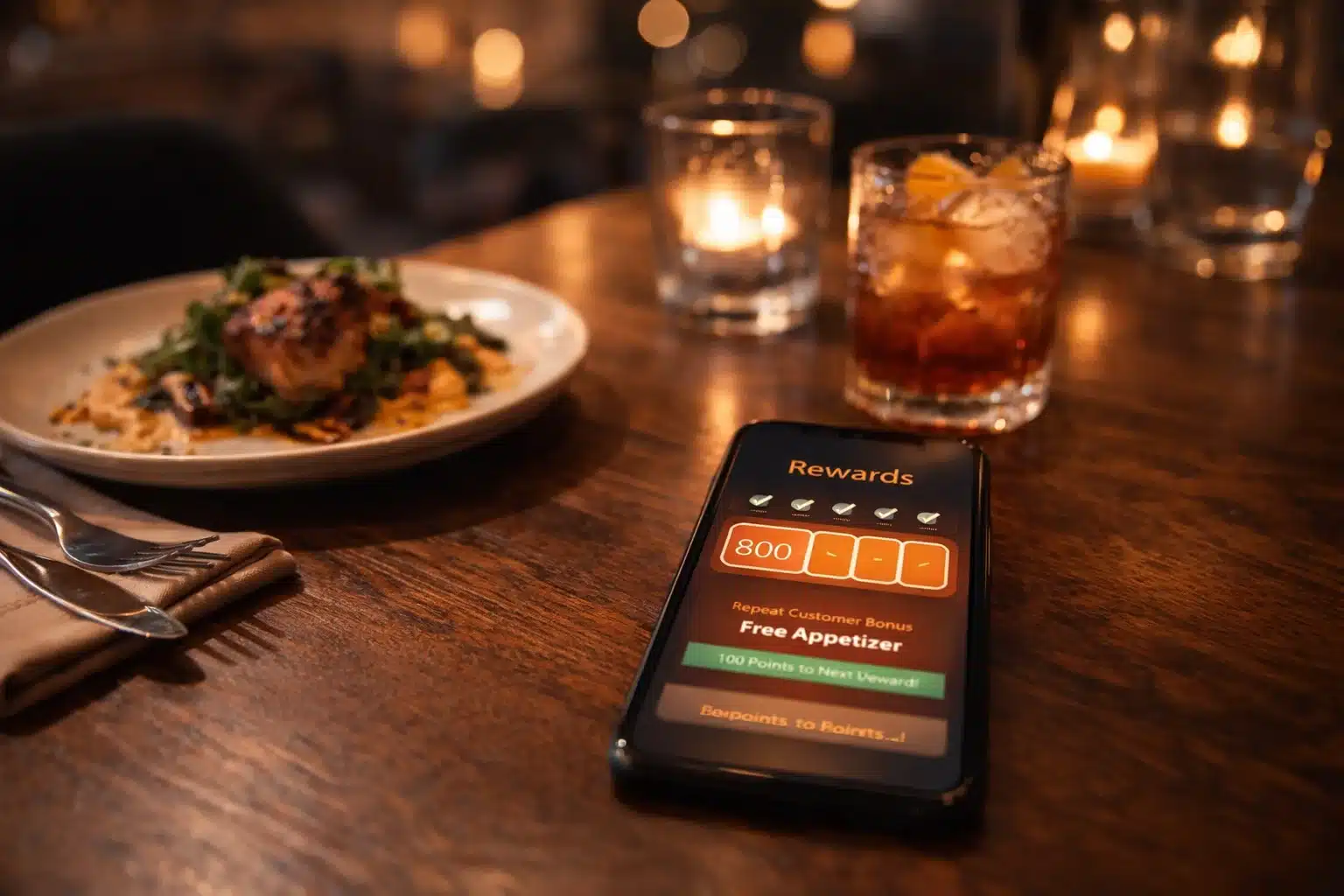
Bump bars are no longer optional accessories in modern commercial kitchens—they are operational control systems. In high-volume restaurants where speed, accuracy, and labor efficiency directly impact profitability, bump bars dramatically reduce ticket errors, shorten ticket times, and streamline communication between the front and back of house.
According to industry research, order inaccuracies cost restaurants between 3%–5% of total revenue annually. In a restaurant generating $1 million per year, that equals $30,000–$50,000 lost to remakes, comps, refunds, and reputation damage. Digital kitchen display systems (KDS) combined with bump bars reduce these errors significantly by replacing paper tickets with structured, timestamped digital workflows.
This in-depth guide explores the operational, financial, and technological implications of using bump bars in restaurants—and how to deploy them strategically for maximum ROI.
Table of Contents
- Strategic Benefits of Using Bump Bars
- Kitchen Throughput and Labor Optimization
- How to Choose the Right Bump Bars
- Critical Technical Features
- Installation and Workflow Setup
- Bump Bars vs Paper Tickets
- POS Integration Strategy
- Common Technical Issues and Solutions
- Best Practices for High-Volume Kitchens
- Measuring Accuracy Improvements
- Strategic FAQ
Strategic Benefits of Using Bump Bars
Bump bars serve as the physical control interface for Kitchen Display Systems (KDS). They allow line cooks to:
- Mark tickets complete (“bump” orders)
- Navigate between active tickets
- Prioritize rush orders
- Recall completed tickets
Reduction in Order Errors
Restaurants using digital KDS systems report up to 25–30% reduction in ticket errors compared to paper-based systems. Paper tickets can be misplaced, smudged, misread, or duplicated. Digital systems eliminate handwriting ambiguity and lost chits entirely.
Revenue Protection
If your average check is $28 and you remake just 5 incorrect meals per day, that’s roughly $140 daily loss—over $50,000 annually. Bump bars reduce this leakage by improving ticket clarity and confirmation accuracy.
Durability in Harsh Environments
Commercial bump bars are built to withstand:
- High heat exposure
- Grease and steam
- Continuous physical contact
- Moisture and cleaning chemicals
Unlike touchscreens alone, physical bump keys allow operation even with gloved or wet hands.
Kitchen Throughput and Labor Optimization
Ticket Time Reduction
Average kitchen ticket times range between 8–14 minutes in casual dining. With structured KDS + bump bar systems, many operations reduce average ticket time by 10–20% due to:
- Clear queue prioritization
- Elimination of verbal order confusion
- Instant server notifications
Labor Cost Impact
Labor typically accounts for 28–35% of restaurant revenue. Even a 3% efficiency gain in kitchen productivity reduces labor pressure significantly.
Example:
- Kitchen labor cost: $300,000 annually
- 3% efficiency improvement = $9,000 savings
Bump bars support that efficiency by reducing rework, confusion, and idle time.
Communication Streamlining
Instead of shouting across the line or chasing paper slips, staff rely on screen status changes. When an order is bumped, servers receive immediate visual confirmation through the POS system.
How to Choose the Right Bump Bars
Selecting bump bars should be strategic, not aesthetic.
Assess Kitchen Volume
Low-volume cafes may require 1–2 stations. High-volume restaurants need:
- Dedicated grill station
- Fry station display
- Expo display
Connection Type
Bump bars typically connect via:
- USB
- Serial port
- Ethernet
Ensure compatibility with your POS provider.
POS Compatibility
For example, Biyo POS supports seamless KDS integration with bump bar functionality, real-time ticket routing, and analytics tracking.
Critical Technical Features
- Sealed mechanical keys (IP-rated if possible)
- Programmable buttons
- High actuation durability (millions of presses)
- LED feedback indicators
- Mounting flexibility
Programmable Layout
Advanced systems allow assigning keys for:
- Bump
- Recall
- Scroll
- Rush priority
- Fire item
Installation and Workflow Setup
Optimal Placement
Bump bars should be mounted:
- Below KDS screens
- At elbow height
- Away from direct flame exposure
Configuration
After hardware installation:
- Assign station routing rules
- Set color priority coding
- Define bump confirmation rules
Staff training is critical. Improper usage undermines system benefits.
Bump Bars vs Paper Tickets
| Factor | Paper Tickets | Bump Bars + KDS |
|---|---|---|
| Error Risk | High | Low |
| Durability | Tears, grease damage | Industrial-grade |
| Analytics | None | Full reporting |
| Speed | Manual handling | Instant navigation |
POS Integration Strategy
Integration must allow:
- Real-time ticket push
- Station-specific routing
- Automatic time stamping
- Performance reporting
Biyo POS supports structured kitchen routing and ticket performance analytics.

Common Technical Issues and Solutions
Connectivity Drops
Check cable integrity, switch ports, and power stability. Restart KDS station if necessary.
Sticky or Unresponsive Keys
Clean with approved degreasing solutions. Avoid abrasive chemicals.
Software Lag
Ensure both POS and KDS firmware are updated.
Best Practices for High-Volume Kitchens
- Use color-coded ticket aging (green → yellow → red)
- Monitor average bump time daily
- Conduct weekly performance review
- Assign accountability per station
Top-performing kitchens monitor average ticket completion time per station and adjust staffing accordingly.
Measuring Accuracy Improvements
Track before-and-after metrics:
- Remake rate
- Average ticket time
- Customer complaint volume
- Refund percentage
Within 60–90 days, most restaurants observe measurable improvement when systems are properly implemented.
Strategic FAQ
Are bump bars worth the investment?
If your kitchen processes more than 75–100 tickets per shift, yes. Error reduction and labor efficiency typically justify cost within months.
Do bump bars replace kitchen printers?
In most modern kitchens, yes. They eliminate paper tickets entirely.
Can small restaurants benefit?
Yes, especially if staff multitask heavily. Clear ticket visibility reduces confusion.
How long do bump bars last?
Commercial-grade units typically last several years under proper maintenance.
What is the biggest mistake restaurants make?
Installing hardware without redesigning workflow. Technology alone does not fix poor systems.