Choosing a dairy-free lifestyle has become increasingly popular among people seeking healthier eating habits, managing lactose intolerance, or simply exploring plant-based and allergy-friendly options. Whether you have a dairy allergy, are lactose intolerant, or just want to discover tasty dairy substitutes, embracing dairy-free choices opens up a world of delicious alternatives. This guide dives deep into the realm of dairy-free living, exploring everything from non-dairy milk varieties to vegan desserts and allergy-safe meals. You’ll find plenty of insights and tips on how to make dairy-free cooking enjoyable and nutritious.
Table of Contents
- Understanding Dairy-Free and Its Importance
- Exploring Non-Dairy Milks and Plant-Based Alternatives
- Dairy-Free Cooking and Baking: Tips and Ingredients
- Navigating Allergy-Friendly and Gluten-Free Choices
- Enjoying Vegan Desserts and Dairy-Free Substitutes
- Biyo POS and the Dairy-Free Business Advantage
- Frequently Asked Questions
Understanding Dairy-Free and Its Importance
Before diving into specific products and recipes, it’s important to understand what “dairy-free” really means and why so many people choose this lifestyle. Dairy-free refers to avoiding all products made from animal milk, including cow, goat, and sheep milk, and their derivatives such as cheese, yogurt, butter, and cream. For some, this is a health necessity, while for others, it’s a personal or ethical choice.
Health Reasons Behind Choosing Dairy-Free
Many individuals adopt a dairy-free lifestyle because they experience lactose intolerance or have a dairy allergy. Lactose intolerance is a common digestive condition where the body cannot properly break down lactose, the sugar found in milk, leading to symptoms like bloating, cramps, and diarrhea. For example, someone with lactose intolerance might find that even a small glass of cow’s milk causes digestive discomfort, prompting them to switch to dairy-free alternatives to feel better. On the other hand, a dairy allergy triggers an immune response to proteins in milk, which can cause hives, swelling, or even life-threatening anaphylaxis. People with this allergy must strictly avoid all dairy products to prevent serious reactions.
Choosing a dairy-free diet also fits into many healthy eating plans. Some individuals believe that cutting out dairy reduces inflammation or improves skin health, though research is ongoing. For example, some report improvements in acne or eczema after removing dairy. Moreover, plant-based dairy substitutes often contain less saturated fat and no cholesterol, potentially benefiting heart health. Switching to dairy-free options can therefore be a proactive way to manage health while enjoying varied foods.
Ethical concerns also motivate many to live dairy-free. Avoiding dairy products aligns with vegan values, which oppose animal exploitation. In addition, dairy farming requires significant water and land resources, contributing to greenhouse gas emissions. By choosing plant-based dairy substitutes, individuals support environmental sustainability efforts. This decision goes beyond health, reflecting a commitment to compassionate and eco-friendly living.
Differences Between Dairy-Free and Lactose-Free
Although often used interchangeably, “dairy-free” and “lactose-free” mean different things, which is important for people managing their diets. Lactose-free products contain dairy milk but have had the lactose removed or broken down into simpler sugars, making them easier to digest. For instance, lactose-free milk tastes similar to regular milk but is processed with lactase enzymes that split lactose. While this suits many with lactose intolerance, it is not safe for those with a dairy allergy, as the milk proteins remain.
Dairy-free products contain no animal milk or derivatives at all. Instead, they use plant-based ingredients like almonds, soy, or oats. Someone allergic to dairy proteins must avoid both regular and lactose-free dairy products to prevent allergic reactions. For example, a person allergic to casein, a milk protein, would experience symptoms if consuming lactose-free milk, but could safely consume almond milk.
Understanding these distinctions is crucial when shopping or dining out. Labels should be read carefully to ensure a product fits individual dietary needs. Misunderstanding can lead to unwanted symptoms, so education helps people maintain both health and enjoyment in their meals.
How Dairy-Free Fits Into Broader Dietary Trends
Dairy-free diets often overlap with vegan, gluten-free, and egg-free lifestyles, creating a versatile way to meet multiple dietary restrictions simultaneously. For example, a person with both dairy allergy and gluten intolerance might enjoy a quinoa salad dressed with olive oil and lemon, topped with coconut milk yogurt. This meal meets dairy-free, gluten-free, and vegan criteria while being allergy-safe.
Plant-based milk alternatives, such as oat milk or almond milk, serve as staples in these combined diets, supporting everything from morning cereals to baking. Additionally, many dairy-free products avoid common allergens like eggs, nuts, or soy, providing safe options for sensitive individuals.
The popularity of dairy-free eating has helped drive innovations in food technology, making more products accessible and affordable. Restaurants now offer dairy-free options on their menus, and recipes abound for home cooks. This integration into broader dietary trends encourages a healthy, inclusive approach to nutrition that accommodates diverse lifestyles and needs.
Exploring Non-Dairy Milks and Plant-Based Alternatives
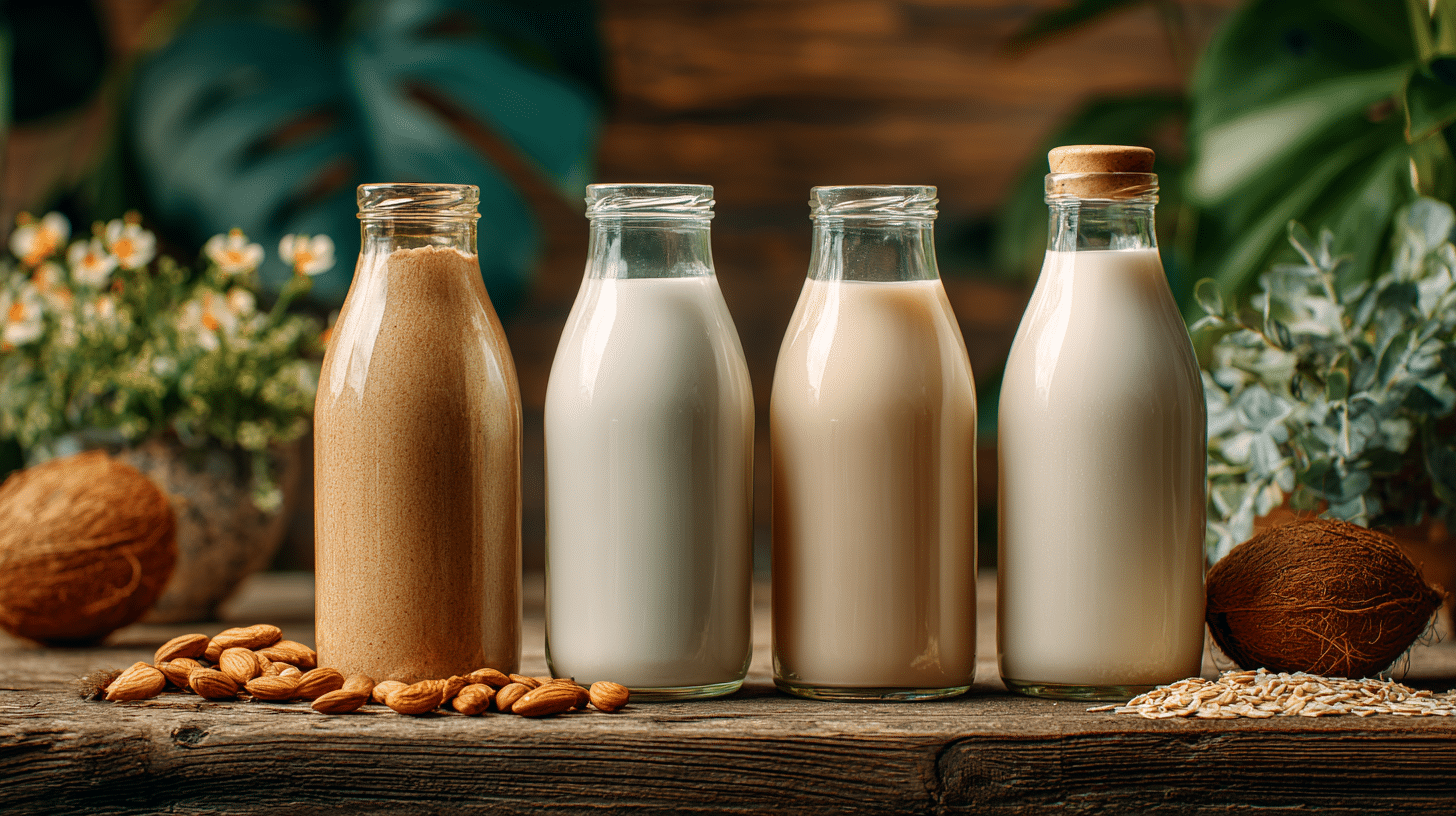
One of the most celebrated changes when adopting a dairy-free lifestyle is switching to non-dairy milks. These alternatives not only replace dairy milk but also bring unique flavors and nutrients, helping to diversify meals and satisfy different dietary needs. Let’s explore some popular options and their benefits.
Popular Non-Dairy Milks: Nut Milk, Coconut Milk, and Soy Alternatives
Nut milks, such as almond and cashew milk, are popular for their creamy texture and subtle flavors. Almond milk, made by blending soaked almonds with water and straining the mixture, has a light, nutty taste that works well in smoothies, coffee, and baking. Cashew milk is richer and creamier, ideal for sauces and creamy soups. Both options are naturally lactose-free, vegan, and provide small amounts of vitamins and minerals. For example, almond milk is often fortified with calcium and vitamin D, making it a nutritional choice comparable to cow’s milk.
Coconut milk is another favorite, derived from the grated meat of mature coconuts. It is prized for its rich, tropical flavor and high fat content, which creates creamy textures perfect for curries, desserts, and creamy beverages. For example, a dairy-free pumpkin curry can be enhanced by adding full-fat coconut milk, bringing depth and a luxurious mouthfeel. Coconut milk is also naturally free of soy and nuts, making it suitable for people with multiple allergies.
Soy milk has been a long-standing dairy substitute and is known for its relatively high protein content, close to that of cow’s milk. Made by soaking, grinding, and boiling soybeans, soy milk offers a neutral taste that blends well into coffee, cereals, and baking recipes. It’s often fortified with vitamins and minerals and works well in savory and sweet dishes. However, those with soy allergies or concerns about hormonal effects may prefer other alternatives.
Benefits of Plant-Based Milk Beyond Dairy-Free Needs
Plant-based milks are often lower in calories and saturated fat than traditional dairy milk, supporting weight management and heart health. For instance, almond milk contains about 30-40 calories per cup compared to 150 calories in whole milk, which can help reduce overall calorie intake. Additionally, these milks are free from cholesterol, a benefit for those managing cardiovascular health.
Many non-dairy milks are fortified with nutrients such as calcium, vitamin B12, and vitamin D to help people on dairy-free or vegan diets meet their daily requirements. For example, a glass of fortified oat milk can provide up to 30% of the recommended daily calcium intake. This fortification helps close nutritional gaps, making dairy-free choices healthier and more balanced.
Beyond health, plant-based milks contribute to environmental sustainability. Producing almond milk uses less land and water compared to dairy milk, while soy and oat milks have relatively low carbon footprints. As a result, choosing plant-based milk supports a reduced environmental impact and a more ethical food system.
How to Choose the Right Non-Dairy Milk for Your Needs
Selecting the perfect non-dairy milk depends on taste, nutrition, cooking purpose, and allergy considerations. For example, if you want a milk substitute with high protein, soy milk or pea protein milk would be excellent choices. If you seek creamy texture for coffee or desserts, oat or cashew milk might be preferable. Meanwhile, coconut milk’s richness suits savory dishes like Thai curries.
It’s important to check the ingredients to avoid added sugars, stabilizers, or preservatives that some brands include. For a healthier choice, opt for unsweetened varieties or those with minimal additives. For example, unsweetened almond milk is a low-calorie option ideal for smoothies, while sweetened versions may suit desserts better.
Trying different types of non-dairy milk in cooking and baking helps discover which works best for your recipes. For instance, oat milk’s natural sweetness complements baked goods, while coconut milk’s fat content enhances creamy soups. Personal experimentation leads to a satisfying and versatile dairy-free kitchen.
Dairy-Free Cooking and Baking: Tips and Ingredients
Switching to dairy-free cooking and baking might seem challenging at first, but learning to use the right ingredients and techniques makes it easy to create delicious, allergy-safe meals. Below are key substitutes and helpful tips to make your dairy-free journey enjoyable and successful.
Essential Dairy Substitutes for Cooking
Replacing butter, cream, cheese, and yogurt in recipes can be done with several versatile dairy substitutes. For cooking, oils such as olive oil or avocado oil are excellent butter replacements, providing healthy fats and robust flavors. For example, sautéing vegetables in olive oil brings out natural sweetness without dairy.
To replicate creamy textures, full-fat coconut milk or cashew cream are excellent choices. Cashew cream is made by soaking raw cashews and blending them with water until smooth. This can be used as a base for creamy pasta sauces or soups, adding richness without dairy. Nutritional yeast is another fantastic ingredient that imparts a cheesy flavor, perfect for dairy-free cheese sauces or as a topping on popcorn and pasta.
For thickening, pureed silken tofu or blended white beans can replace cream or yogurt in recipes. These plant-based thickeners add protein and maintain smooth textures. For instance, blending silken tofu into a dairy-free cheesecake filling creates a creamy, satisfying dessert without animal products.
Dairy-Free Baking Tips for Success
Baking without dairy requires substituting milk, butter, and sometimes eggs. Plant-based milks such as almond, soy, or oat milk can be swapped one-to-one with dairy milk in most recipes. For example, using almond milk in muffins yields moist and tender results.
Butter substitutes like vegan margarine, coconut oil, or even applesauce help maintain moisture and texture in baked goods. Coconut oil solidifies at room temperature, mimicking butter’s properties in cookies and cakes. For egg-free baking, flaxseed or chia seed “eggs” are popular options. To make a flax egg, mix 1 tablespoon of ground flaxseed with 3 tablespoons of water and let it sit until gel-like. This works well as a binder in breads, cookies, and pancakes.
Adjusting baking times and temperatures may be necessary when using these alternatives. For example, dairy-free muffins might require a slightly longer baking time to set properly. Testing with small batches and noting results helps refine recipes until perfect. Experimenting encourages creativity and results in satisfying dairy-free baked treats.
Incorporating Alternative Ingredients for Flavor and Nutrition
Enhancing dairy-free dishes with spices, nuts, and natural sweeteners can boost flavor and nutrition. Adding cinnamon, nutmeg, or vanilla extract to dairy-free desserts enriches taste and aroma. For example, cinnamon in dairy-free apple crisp adds warmth and depth.
Natural sweeteners like maple syrup or date paste provide gentle sweetness without refined sugars. These options support healthier eating while complementing the flavors of plant-based desserts. Including nuts and seeds contributes texture and nutrients such as healthy fats, protein, and fiber.
Fortified non-dairy yogurts and cheeses help maintain nutritional balance, supplying calcium, vitamin D, and probiotics. Homemade versions using cultured plant milks allow you to customize flavor and texture while avoiding additives. Incorporating these alternative ingredients ensures that dairy-free cooking is both delicious and nourishing.
Navigating Allergy-Friendly and Gluten-Free Choices
Many people who adopt a dairy-free lifestyle also need to avoid other allergens, making allergy-friendly and gluten-free meal planning essential. Careful selection of ingredients and preparation methods helps maintain safety and enjoyment.
Common Allergens in Dairy-Free Products
Although dairy-free products exclude animal milk, some contain soy, nuts, or gluten as replacements or fillers. For instance, soy milk is a common dairy substitute but can trigger allergies in sensitive individuals. Similarly, nut milks like almond or cashew milk are unsuitable for those with nut allergies. Understanding these risks is vital for allergy-safe eating.
Processed dairy-free cheeses and yogurts sometimes include gluten-containing stabilizers or additives. Cross-contamination during manufacturing can also pose risks. Reading ingredient labels carefully and choosing certified allergy-friendly products reduces exposure to hidden allergens.
Preparing homemade meals with fresh ingredients is a reliable way to avoid allergens. For example, making a dairy-free, gluten-free stir-fry with fresh vegetables, rice, and tofu minimizes risk while providing nutrient-rich food. Planning and knowledge empower those with multiple allergies to enjoy diverse, safe meals.
Tips for Creating Allergy-Safe Meals
To ensure allergy-safe meals, rely on whole foods such as fresh vegetables, fruits, legumes, and gluten-free grains like quinoa and rice. Combine these with safe non-dairy milks and oils to create satisfying dishes. For example, a quinoa bowl with roasted vegetables and tahini dressing is dairy-free, gluten-free, and nut-free if sesame is tolerated.
Preventing cross-contamination involves thorough cleaning of kitchen tools and surfaces after preparing allergen-containing foods. Using separate cutting boards and utensils for allergen-free cooking helps maintain safety. Labeling containers and storage areas also supports an organized allergy-safe kitchen.
Batch-cooking and freezing allergy-safe meals saves time and reduces the temptation to use processed convenience foods that may contain allergens. Preparing soups, stews, and casseroles ahead provides convenient options that meet dietary needs reliably.
Gluten-Free and Dairy-Free: Combining Two Diets
Combining gluten-free and dairy-free diets can be challenging but rewarding. Many gluten-free flours, such as almond, coconut, and rice flour, work well in dairy-free baking and cooking. For example, almond flour pancakes made with almond milk and flax eggs create a wholesome, allergen-friendly breakfast.
Plant-based milks are naturally gluten-free, which simplifies menu planning for gluten-sensitive individuals. Using oat milk requires caution unless certified gluten-free, as oats can be cross-contaminated with gluten during processing.
Incorporating whole foods such as fruits, vegetables, nuts, seeds, and legumes ensures balanced nutrition. For example, a chickpea and vegetable curry served with gluten-free rice noodles and coconut milk sauce is both dairy- and gluten-free, flavorful, and nourishing.
Enjoying Vegan Desserts and Dairy-Free Substitutes
Living dairy-free doesn’t mean giving up on indulgence. The growing availability of vegan desserts and dairy-free substitutes offers countless ways to enjoy sweet treats and favorite dishes without dairy or animal products.
Dairy-Free Cheese and Yogurt Alternatives
Dairy-free cheeses have evolved dramatically, offering varieties from soft spreads to firm blocks. Most are made by blending nuts such as cashews or almonds with probiotics and cultures to develop tangy, cheesy flavors. For example, a dairy-free cashew cheese spread mixed with herbs makes an excellent appetizer or sandwich filling. These cheeses melt well, suitable for pizza or grilled dishes.
Non-dairy yogurts are commonly made from coconut milk, soy, or almond milk. They contain probiotics that support gut health, similar to traditional yogurt. Flavored options include fruit blends and vanilla, providing variety. Using non-dairy yogurt in smoothies, parfaits, or salad dressings adds creaminess and nutrition. Homemade versions involve culturing plant milk with yogurt starter cultures, allowing control over sweetness and texture.
Choosing unsweetened and fortified options ensures balanced nutrition. For example, coconut milk yogurt fortified with calcium and vitamin D helps maintain bone health on a dairy-free diet. Sampling different brands and making homemade versions enriches your experience with dairy-free alternatives.
Delicious Vegan Desserts Without Dairy
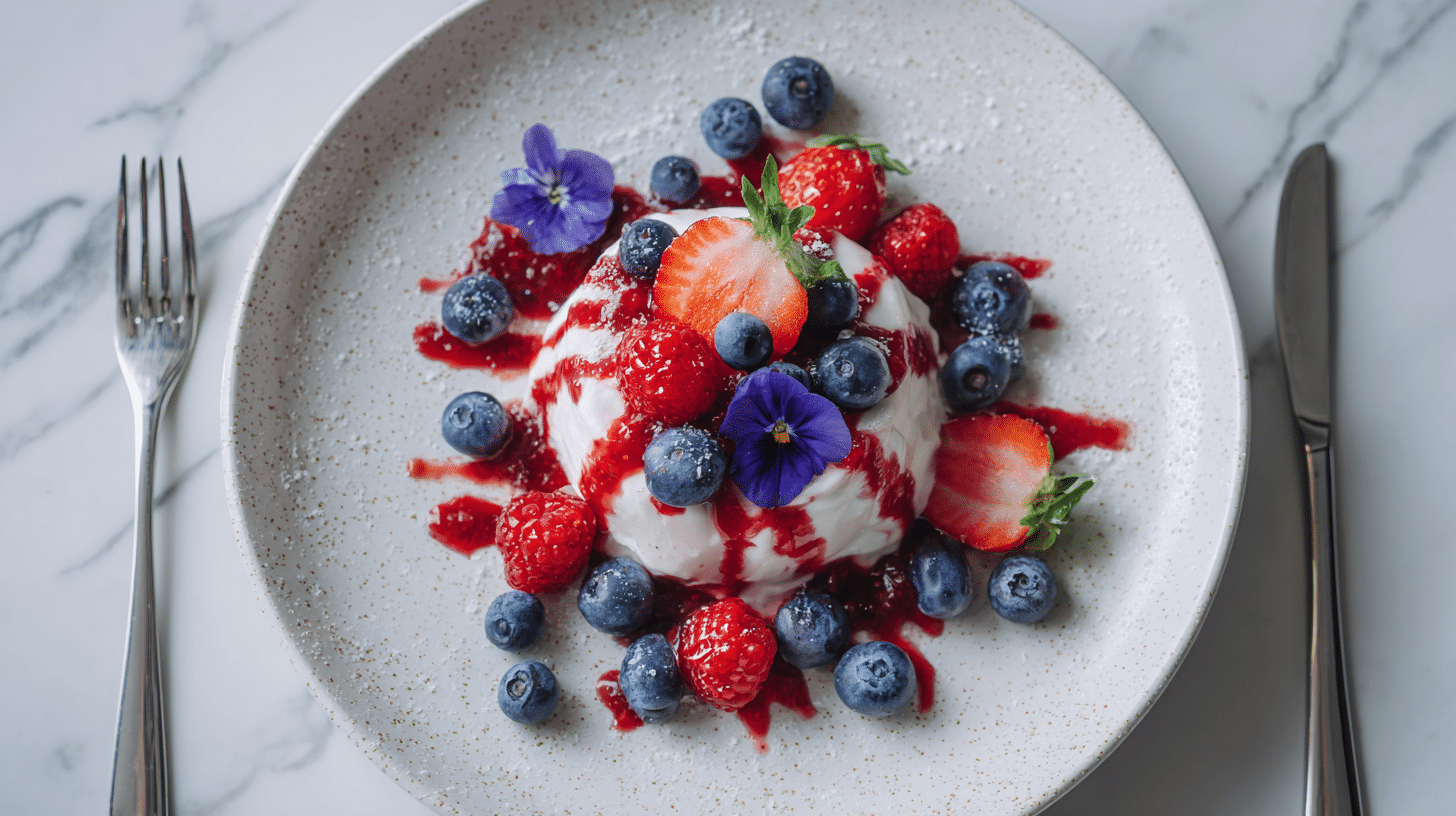
Vegan desserts showcase how plant-based ingredients create rich, creamy sweets without dairy. Coconut cream, extracted by chilling canned coconut milk and scooping off the thick cream, is a base for luscious puddings, mousses, and ice creams. For example, a simple dairy-free chocolate mousse can be made by blending coconut cream with melted dark chocolate and a touch of maple syrup.
Nut butters like almond or cashew add richness and depth to baked goods and no-bake treats. Combined with natural sweeteners like dates or maple syrup, they produce energy balls or bars that are both nutritious and indulgent. Avocado also serves as a creamy, healthy fat substitute in desserts such as brownies and frostings.
Egg-free baking employs flax eggs, chia eggs, or applesauce to bind ingredients. For instance, vegan chocolate chip cookies use flax eggs and vegan butter for perfect texture. Experimenting with these ingredients helps create familiar flavors with new, allergy-friendly twists.
Where to Find Quality Dairy-Free Products
Grocery stores increasingly dedicate sections to dairy-free products, making shopping easier. Health food stores and online retailers offer specialized items such as artisanal vegan cheeses and yogurts. Reading labels and customer reviews helps identify trusted brands. For example, some brands focus on organic, minimal-ingredient products ideal for sensitive diets.
Many restaurants and cafes now provide dairy-free options, often clearly
labeled on menus. Advanced point-of-sale systems like Biyo POS enable restaurants to manage special dietary requirements efficiently, ensuring correct order fulfillment and preventing cross-contamination. This technology enhances the dining experience for dairy-free customers, building trust and loyalty.
Trying different products and recipes broadens your culinary horizons and makes maintaining a dairy-free lifestyle exciting and sustainable. With so many options available, there’s no need to compromise taste or enjoyment.
Biyo POS and the Dairy-Free Business Advantage
As the dairy-free market grows, restaurants and food businesses benefit from technology that helps them serve this expanding customer base efficiently. Biyo POS offers features tailored to managing allergy-friendly and plant-based menus, enhancing operations and customer satisfaction.
Menu Customization and Allergy Management
Biyo POS allows businesses to label and categorize dairy-free, vegan, gluten-free, and allergy-safe dishes clearly. This transparency helps staff communicate effectively with customers about ingredients, reducing the risk of allergen exposure. For example, when a diner requests a dairy-free meal, servers can quickly identify suitable options, enhancing trust and safety.
The system supports customizable menu options, enabling businesses to add or remove ingredients based on customer preferences. This flexibility is vital for offering vegan desserts, non-dairy milk alternatives, and other specialty items without confusion or error.
Integrated ingredient tracking helps maintain recipe consistency and compliance with dietary standards. This reduces waste and ensures quality control, making dairy-free menu management more efficient and profitable.
Improved Customer Experience and Loyalty
Clear communication about dairy-free and allergy-friendly offerings improves customer satisfaction. Biyo POS helps staff provide accurate information and accommodate special requests smoothly. This attention to detail encourages repeat visits and positive reviews.
Loyalty programs integrated into the system allow businesses to reward customers who frequently order dairy-free meals, fostering long-term relationships. Personalized promotions can target health-conscious or allergy-sensitive diners, increasing engagement and sales.
By embracing technology like Biyo POS, businesses can position themselves as leaders in catering to dairy-free and allergy-friendly markets, standing out in a competitive landscape.
Efficient Operations and Growth Opportunities
Biyo POS streamlines order processing and inventory management, crucial when handling specialized dairy-free ingredients that may have shorter shelf lives or higher costs. The system tracks sales trends to help businesses optimize menu offerings and stock management, reducing waste and maximizing profits.
Access to sales data and customer preferences enables strategic menu development, ensuring popular dairy-free dishes remain available and new products meet demand. This insight supports sustainable growth in the allergy-friendly and plant-based segments.
Ultimately, Biyo POS empowers food businesses to serve the growing dairy-free customer base with confidence, precision, and efficiency, enhancing both operations and customer loyalty.
Embracing a dairy-free lifestyle opens doors to healthier eating, allergy-friendly meals, and delicious plant-based options. With the right knowledge, ingredients, and support from solutions like Biyo POS, both individuals and businesses can thrive in the growing world of dairy-free living.
Frequently Asked Questions
What does dairy-free mean?
Dairy-free means avoiding all products made from animal milk, including cow, goat, and sheep milk, and their derivatives like cheese, yogurt, and butter. It involves choosing alternatives made from plants or other non-dairy sources.
Is lactose-free the same as dairy-free?
No, lactose-free products still contain dairy but have the lactose removed or broken down. Dairy-free products contain no animal milk or derivatives at all, making them suitable for those with dairy allergies as well as lactose intolerance.
What are the best non-dairy milk options?
Popular non-dairy milks include almond milk, coconut milk, soy milk, oat milk, and cashew milk. Each has unique flavors and nutritional benefits. Choosing depends on taste preferences, allergies, and intended use in cooking or baking.
Can I bake without dairy?
Yes, baking without dairy is possible by using plant-based milks, vegan butter or oils, and egg substitutes like flaxseed eggs or applesauce. Many recipes successfully adapt to dairy-free ingredients with great results.
How does Biyo POS help dairy-free businesses?
Biyo POS supports dairy-free businesses by enabling menu customization, allergy management, efficient order processing, and customer loyalty features. This helps provide allergy-safe meals and improve customer satisfaction.