In today’s dynamic food industry, offering flexible menu options has become more than just a trend—it’s a necessity. Customers increasingly expect personalized dining experiences tailored to their unique tastes, dietary needs, and lifestyle choices. Restaurants embracing flexible menus can satisfy diverse preferences, accommodate special requests, and stay competitive in an ever-evolving market. This article explores how flexible menu options transform the dining landscape by integrating customizable dishes, ingredient substitutions, and interactive menus, making meal personalization a reality for both operators and patrons.
Table of Contents
- Understanding Flexible Menu Options
- Benefits of Customizable Dishes
- Strategies for Implementing Flexible Menu Options
- Meeting Dietary Accommodations and Allergy-Friendly Choices
- Leveraging Technology for Dynamic Menu Planning
- About Biyo POS
- FAQ
Understanding Flexible Menu Options
Flexible menu options refer to the ability of restaurants to adapt their offerings based on customer preferences, seasonal availability, and evolving culinary trends. Unlike static menus, flexible menus allow diners to personalize their meals through build-your-own concepts, ingredient substitutions, and mix-and-match selections. This approach supports a modular menu structure where dishes can be easily modified or combined, creating a dynamic dining experience.
What Are Flexible Menu Options?
Flexible menu options allow restaurants to move away from rigid, one-size-fits-all menus toward an adaptable structure where diners can choose how their meals are prepared and served. This could mean offering a “build-your-own” pizza, where customers select the crust, sauce, cheese, and toppings based on their tastes. For example, someone wanting a lighter meal might choose a thin crust with veggies and light cheese, while another customer might opt for a gluten-free crust with extra protein.
By embracing these customizable dishes, restaurants create an environment where customers feel empowered to craft their ideal plate. This increases satisfaction and reduces complaints about inflexible menus that don’t meet dietary or flavor preferences. The modular nature of flexible menus means that dishes can be built from interchangeable components, such as bases, proteins, vegetables, and sauces, which can be combined in countless ways without overwhelming the kitchen.
In practice, flexible menus also incorporate rotating items and chef specials that respond to seasonal availability and culinary creativity. For instance, a restaurant might feature a summer build-your-own salad bar emphasizing fresh, local produce, then switch to heartier grain bowls in the winter. This ongoing menu evolution keeps the dining experience fresh and exciting for regular patrons.
The Role of Meal Personalization in Modern Dining
Meal personalization has grown into a core expectation of today’s diners, driven by increasing awareness of dietary restrictions, lifestyle choices, and cultural preferences. Customers no longer want to settle for the chef’s standard dish; instead, they seek meals tailored precisely to their needs. Flexible menu options accommodate this by allowing diners to adjust ingredients, control portion sizes, and request allergy-friendly swaps.
For example, a customer following a ketogenic diet might customize a bowl by swapping out high-carb grains for leafy greens and choosing a fatty protein like salmon. Another patron with dairy intolerance can request dairy-free cheese alternatives or dressings. These personalized options show customers that the restaurant values their health and preferences, boosting brand loyalty.
Additionally, meal personalization encourages diners to engage more actively with the menu, fostering a sense of involvement and satisfaction. This engagement can translate into social media shares and word-of-mouth recommendations, helping restaurants grow their customer base organically. Ultimately, the flexibility of the menu helps create a memorable, tailored dining experience that customers want to repeat.
How Flexible Menus Differ From Traditional Menus
Traditional menus typically present a fixed list of dishes where customers select from predefined options with little to no ability to modify ingredients or portion sizes. This format can limit appeal, especially for those with allergies, dietary restrictions, or strong preferences. In contrast, flexible menus are designed to adapt and respond to individual tastes by offering modular components that diners can customize.
Consider a classic Caesar salad on a traditional menu, served exactly as described. A flexible menu, however, might allow a customer to substitute grilled chicken for shrimp, choose a vegan dressing, or add extra avocado. This level of customization not only improves satisfaction but also allows the restaurant to cater to a broader audience.
Another difference is that flexible menus often include regular updates such as rotating seasonal items or chef specials, keeping offerings dynamic. This contrasts with static menus, which can become stale and repetitive. By adjusting dishes based on ingredient availability or customer trends, restaurants maintain excitement and encourage repeat visits, keeping the business agile and responsive.
Benefits of Customizable Dishes
Customizable dishes form the backbone of flexible menu options, delivering substantial benefits to both customers and restaurant operations. They enhance satisfaction by honoring individual preferences, streamline kitchen workflow, and offer opportunities for dynamic pricing based on ingredient selections.
Enhancing Customer Preferences and Satisfaction
Allowing customers to personalize their meals directly addresses their diverse preferences, leading to increased satisfaction. Whether a diner prefers smaller portions, specific ingredient swaps, or allergy-friendly modifications, customizable dishes accommodate these needs seamlessly. This flexibility helps create a memorable dining experience where guests feel respected and valued.
For instance, a burger joint offering build-your-own burgers lets customers pick their buns (gluten-free, brioche, whole wheat), proteins (beef, turkey, plant-based), toppings (lettuce, tomato, grilled onions), and sauces. By giving such choices, the restaurant ensures everyone from meat lovers to vegans finds something satisfying. These options demonstrate the establishment’s commitment to inclusivity and customer care.
Moreover, this personalization inspires repeat visits. Customers who can tailor their meals are more likely to return because they trust the restaurant to meet their unique tastes consistently. They also tend to share positive experiences with friends and family, expanding the customer base through word of mouth.
Operational Advantages of Build-Your-Own Concepts
From an operational perspective, build-your-own concepts offer several efficiencies. By standardizing ingredient options, kitchens can better manage inventory, reducing waste caused by overstocking uncommon items. For example, offering a limited set of proteins and toppings means the kitchen can predict demand and prep ingredients accordingly.
Portion control also improves cost management. When customers select predefined ingredient portions, chefs can maintain consistency while allowing for customization. This balance helps avoid overuse of expensive items, like premium cheeses or specialty sauces, which might otherwise lead to inflated costs.
Additionally, build-your-own models enable restaurants to implement tiered pricing. Customers pay according to their selections, allowing restaurants to encourage upgrades such as premium proteins or extra toppings. This pricing flexibility can increase average order values while maintaining transparency and fairness.
Driving Repeat Business Through Flavor Variety and Rotating Items
One of the biggest draws of flexible menu options is the ability to offer diverse flavor profiles and rotating items that keep customers coming back. By regularly introducing chef specials or seasonal ingredients, restaurants create excitement and encourage patrons to try new dishes.
For example, a restaurant might feature a “build-your-own taco” night with rotating salsas, proteins, and toppings that change weekly. This variation appeals to adventurous eaters and those who appreciate variety without sacrificing familiarity. The combination of mix-and-match flexibility and limited-time offerings keeps the menu fresh.
This approach fosters repeat business by making dining an engaging experience rather than a routine. Customers eagerly anticipate new options and look forward to customizing their meals differently each time, which supports a loyal and enthusiastic clientele.
Strategies for Implementing Flexible Menu Options
Introducing flexible menu options requires a strategic approach, combining clear menu design, staff training, and ongoing customer engagement. Balancing operational feasibility with personalization is key to successful implementation.
Designing a Modular Menu Structure
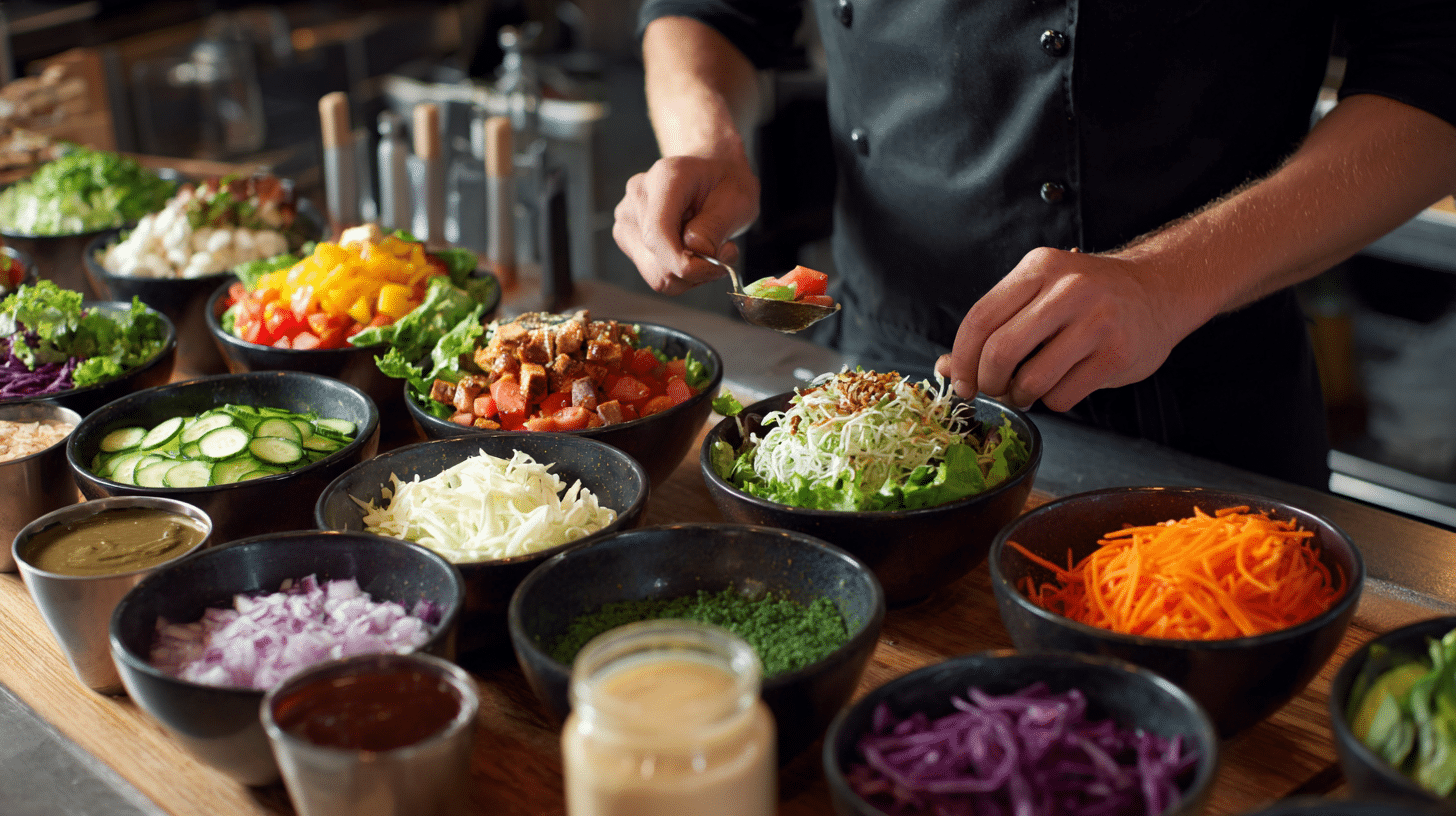
A well-designed modular menu breaks dishes down into interchangeable components such as bases, proteins, sauces, and toppings. This structure allows diners to create personalized meals without overwhelming the kitchen with endless variations. For example, a bowl-based restaurant might offer a choice of grain (quinoa, rice, kale), protein (chicken, tofu, beef), sauce (teriyaki, tahini, salsa), and extras (nuts, avocado, pickled veggies).
Designing such a menu requires analyzing which ingredients pair well and align with dietary trends. Providing clear categories and step-by-step options helps customers navigate the choices easily. Visual aids like pictures or ingredient descriptions can enhance clarity and encourage creative combinations.
Transparency about substitution rules is also important. For example, the menu might state that vegan options are available by swapping dairy-based sauces for plant-based alternatives, or that certain proteins carry a small surcharge. This openness builds trust and sets clear expectations.
Training Staff to Manage Special Requests and Dietary Accommodations
Staff training is essential when rolling out flexible menu options. Servers and kitchen personnel must fully understand ingredient substitutions, allergy risks, and portion controls to assist customers effectively. For example, if a customer requests a gluten-free bun, the staff should know where and how it is stored to prevent cross-contamination.
Restaurants should provide detailed ingredient lists and allergen information to employees so they can answer questions confidently and avoid mistakes. Regular training sessions can update staff on new menu items, seasonal ingredients, and common special requests.
Empowered staff can proactively offer suggestions to diners, making the experience smoother and more pleasant. For example, a server might recommend a popular vegan sauce for a plant-based bowl or suggest a lighter portion size for health-conscious customers. This level of service enhances customer satisfaction and operational efficiency.
Incorporating Customer Feedback to Refine Menu Updates
Collecting and analyzing customer feedback is critical to evolving flexible menu options. Restaurants can gather input via comment cards, online reviews, or digital surveys to understand which dishes and customizations resonate most. For instance, if many customers request a dairy-free dressing, it signals an opportunity to add it permanently to the menu.
Feedback also identifies areas for improvement, such as confusing menu descriptions or limited ingredient options. Addressing these issues helps optimize the menu for clarity and appeal. Seasonal specials or rotating items can be adjusted based on popularity and availability.
By actively responding to feedback, restaurants show customers that their opinions matter. This engagement builds loyalty and encourages ongoing participation in meal personalization, creating a collaborative dining culture.
Meeting Dietary Accommodations and Allergy-Friendly Choices
Flexible menu options must carefully address the growing demand for dietary accommodations and allergy-friendly choices to ensure safe, inclusive dining experiences. Transparency and clear labeling are key components.
Understanding Common Dietary Restrictions
Understanding the most common dietary restrictions is the first step to effective menu customization. Gluten intolerance, lactose intolerance, vegetarianism, veganism, nut allergies, and low-carb diets are some examples that affect millions of diners. Each requires specific ingredient swaps or omissions.
For instance, gluten intolerance demands gluten-free bread or pasta alternatives, while vegan diets exclude all animal products, necessitating plant-based proteins and dairy substitutes. A restaurant might offer gluten-free buns, tofu, and vegan cheese to meet these needs. Understanding the science and cross-contamination risks behind these restrictions helps maintain safety and customer trust.
Menus should clearly identify which items accommodate these diets and which ingredients may pose risks, making it easier for customers to make informed choices. For example, a section labeled “Allergy-Friendly Options” or icons indicating vegan, gluten-free, or nut-free dishes improve clarity.
Creating Allergy-Friendly and Safe Menu Items
Creating allergy-friendly menu items involves not only ingredient selection but also safe preparation practices. Cross-contact in kitchens can expose customers to allergens even if a dish seems safe. Establishing dedicated prep areas or utensils for allergy-friendly meals reduces these risks.
Flexible menus allow customers to exclude or substitute allergens. For example, someone allergic to nuts could request a salad without walnuts, or a dairy-intolerant customer might ask for a vegan cheese substitute on a pizza. Restaurants can prepare base recipes that are easily adjustable, like offering tomato sauce without dairy or a protein option without gluten.
Labeling ingredients and communicating openly about kitchen practices helps customers feel confident ordering. For instance, clearly stating “Prepared in a nut-free environment” can attract allergy-conscious diners and reduce their anxiety about eating out.
Offering Portion Control and Dietary Customization
Portion control is another important aspect of dietary accommodation. Flexible menus that allow customers to choose portion sizes help those managing calorie intake, medical conditions like diabetes, or specific diet plans. For example, a build-your-own bowl might offer half or full portions of grains, proteins, and vegetables, enabling diners to balance nutrition with appetite.
Dietary customization also supports specific goals, such as low-sodium or low-fat diets. Offering ingredient swaps or additions like extra vegetables instead of cheese can align dishes with health needs without sacrificing flavor. For example, swapping mayo for avocado or choosing steamed instead of fried components helps control nutritional content.
By integrating portion control and dietary customization, flexible menus attract health-conscious customers and foster a sense of empowerment over food choices. This enhances overall dining satisfaction and loyalty.
Leveraging Technology for Dynamic Menu Planning
Technology plays a pivotal role in managing flexible menu options efficiently. From digital menus to POS integration, technology streamlines menu updates, improves customer interaction, and provides actionable data for restaurants.
Interactive Menus and Customer Engagement
Interactive digital menus revolutionize how customers experience flexible menus. Touchscreen kiosks, tablets, or mobile apps allow diners to build their own meals by selecting bases, proteins, sauces, and toppings with ease. These platforms can show real-time ingredient availability and nutritional information, helping customers make informed decisions.
For example, a digital build-your-own sandwich menu might update ingredient choices automatically as stock changes, preventing disappointments. Interactive menus also allow customers to indicate allergies or dietary restrictions, filtering out incompatible ingredients. This creates a safe and personalized experience.
Engagement through these tools improves order accuracy, reduces wait times, and adds a fun, interactive element to dining. Customers appreciate the control and transparency, which enhances satisfaction and repeat visits.
Automating Menu Updates and Rotating Items
POS systems like Biyo POS enable restaurants to automate menu updates efficiently. Operators can add or remove items instantly, schedule rotating specials, and adjust pricing based on ingredient costs or popularity. This automation reduces errors associated with manual menu changes and keeps information consistent across all channels, including online ordering and in-house displays.
For example, when a seasonal ingredient becomes unavailable, the system can automatically remove related dishes or suggest substitutions. Likewise, chefs can introduce limited-time offers that appear on the menu only during specific periods, driving excitement and urgency.
Such automation saves time and improves flexibility, allowing restaurants to respond quickly to supply chain fluctuations and customer feedback.
Analyzing Customer Preferences and Sales Data
Data analytics integrated with POS systems provide insights into customer behavior and menu performance. Restaurants can track which customizable dishes sell best, which ingredient combinations are popular, and how specials perform over time. This information helps refine menu offerings and pricing strategies.
For instance, if build-your-own bowls with quinoa and grilled chicken are top sellers, a restaurant might promote this combo or expand related options. Conversely, low-performing items can be re-evaluated or removed, optimizing inventory and reducing waste.
Regular analysis also reveals customer preferences for dietary accommodations, guiding menu adjustments to better meet those needs. This data-driven approach keeps flexible menu options aligned with evolving market demands.
About Biyo POS
Biyo POS stands at the forefront of empowering restaurants with flexible menu options. Its robust platform supports interactive menus, dynamic pricing, and seamless ingredient substitutions. With features like automated menu updates, customizable dish management, and detailed sales analytics, Biyo POS enables operators to deliver meal personalization effortlessly. Restaurants leveraging Biyo POS can adapt to customer preferences, dietary accommodations, and seasonal trends with ease, ensuring a competitive edge in today’s fast-paced market.
Frequently Asked Questions
What are flexible menu options?
Flexible menu options allow customers to personalize their meals by choosing ingredients, portion sizes, and dish combinations. This approach supports build-your-own concepts and ingredient substitutions, creating a dynamic and interactive dining experience.
How do flexible menus benefit restaurants?
They increase customer satisfaction by catering to diverse preferences and dietary needs. Flexible menus also improve inventory management, reduce waste, and encourage repeat business through flavor variety and rotating specials.
Can flexible menu options accommodate allergies and dietary restrictions?
Yes, flexible menus can highlight allergy-friendly ingredients, offer safe substitutions, and provide clear ingredient information, making dining safer and more inclusive for guests with special dietary requirements.
What role does technology play in managing flexible menu options?
Technology enables interactive digital menus, automates menu updates, and provides data insights into customer preferences. POS systems like Biyo POS streamline the management of flexible menu components and improve operational efficiency.
How can I implement flexible menu options in my restaurant?
Start by designing a modular menu structure, training staff on managing special requests, and leveraging customer feedback to update offerings. Using technology to support interactive menus and dynamic planning is also essential for success.