The world of dining has seen dramatic shifts, and food courts are no exception. Today’s food court trends reflect evolving customer tastes, technology advances, and a growing demand for sustainability and convenience. From the rise of food halls to digital ordering and plant-based options, the food court experience has been completely reimagined. Whether you’re a food lover or an industry professional, understanding these trends offers a glimpse into the future of fast-casual dining.
Table of Contents
- The Food Hall Evolution: A New Era in Food Courts
- Technology Integration in Food Courts
- Sustainability and Local Sourcing in Food Courts
- Diversity in Cuisine and Menu Options
- Innovative Business Models Shaping Food Courts
The Food Hall Evolution: A New Era in Food Courts
The transformation of traditional food courts into dynamic food halls represents a major shift in how people dine out. This evolution combines culinary innovation with modern design, focusing on an elevated customer experience and fresh food offerings. Food halls emphasize artisanal products and ethnic cuisines, creating vibrant spaces that draw crowds beyond just mall shoppers.
From Food Court to Food Hall: Redefining the Space
Traditional food courts were often criticized for their generic menus and uninspired ambiance. The food hall concept changes this by featuring multiple vendors specializing in distinct culinary styles, often with open kitchens and communal seating. This design encourages interaction, discovery, and a more social dining environment. For example, shoppers can choose from street food-inspired stalls serving everything from tacos to sushi, providing a diverse range of options in one location.
Besides diversity, food halls focus heavily on quality and authenticity. Vendors frequently source ingredients locally, enhancing flavor and sustainability. Customers no longer see the food court as a last resort but rather as a destination for a memorable meal. This shift reflects the broader food hall evolution, where innovation and customer experience take center stage.
Additionally, food halls often incorporate pop-up vendors and artisanal products. This flexibility keeps the culinary offerings fresh and exciting. Pop-ups introduce new fusion flavors or niche ethnic cuisines, responding quickly to emerging food trends and customer preferences. The ever-changing lineup creates a sense of anticipation and discovery among visitors.
Fast-Casual Dining Trends within Food Courts
Fast-casual dining has grown immensely in popularity, and food courts have embraced this trend by blending speed with quality. Unlike traditional fast food, fast-casual options emphasize fresh, made-to-order meals with customizable components. Customers can craft their perfect dish by choosing ingredients tailored to their dietary needs, including healthy fast food options and plant-based dishes.
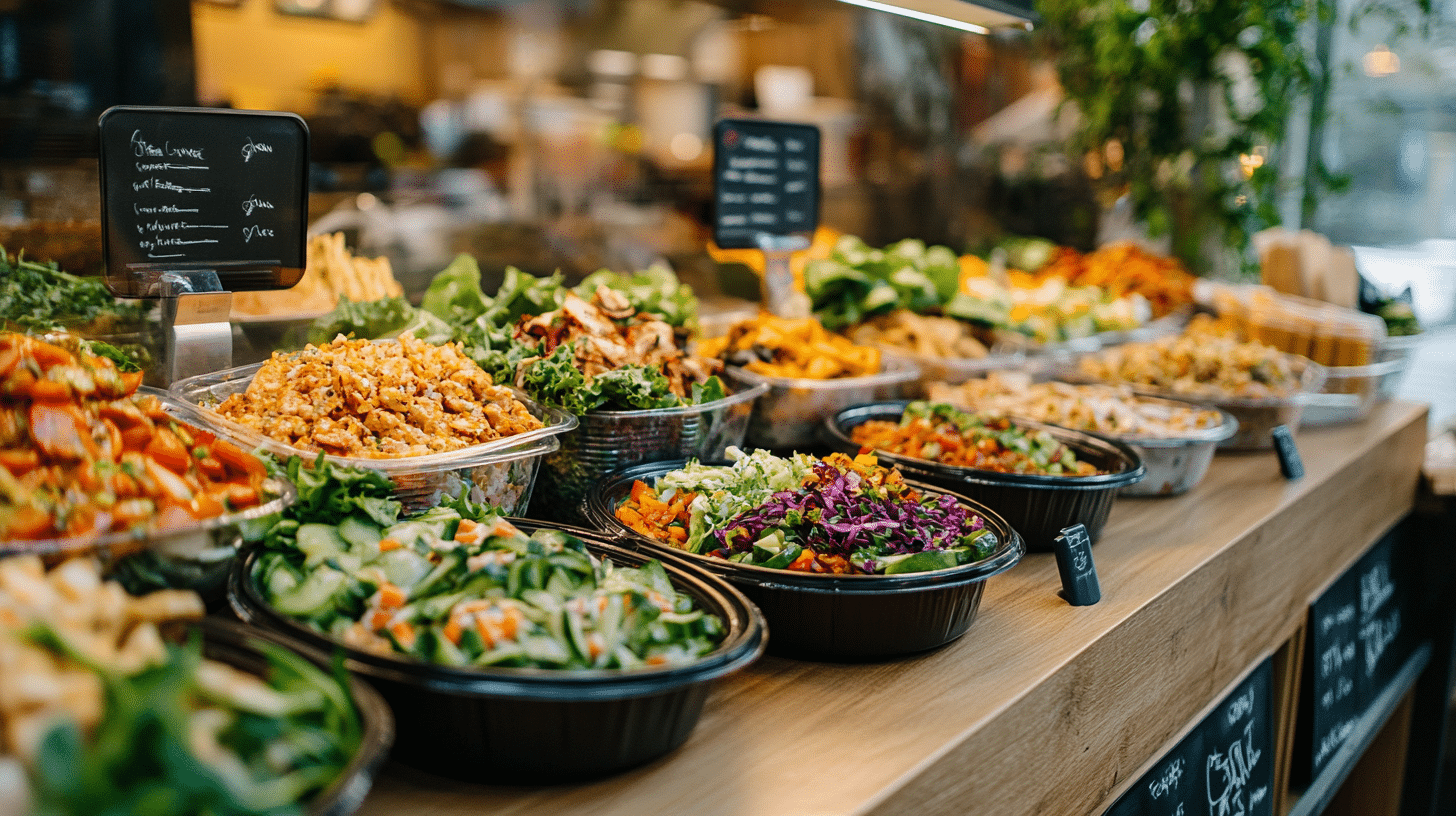
For instance, many food halls now offer build-your-own bowls or sandwiches, giving diners control over everything from protein to toppings. This customization appeals to health-conscious consumers and those with specific dietary restrictions. It also improves the overall dining experience by making meals more personal and satisfying.
Meanwhile, grab-and-go meals have surged in demand due to busy lifestyles. Food courts are adapting by providing convenient packaging and fast service without sacrificing quality. This trend aligns with the broader modernization of food courts, blending convenience and culinary sophistication.
Enhancing the Customer Experience in Modern Food Courts
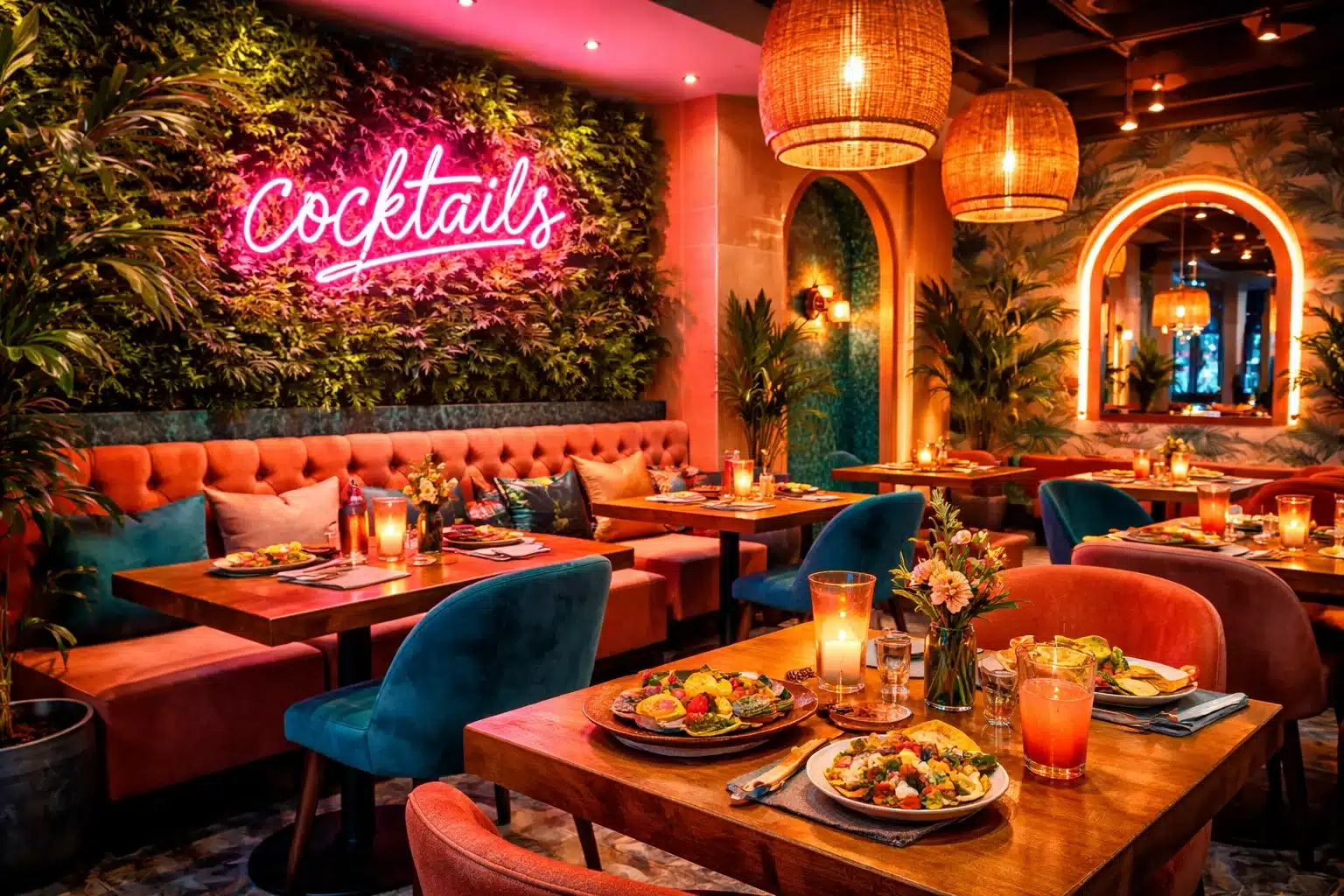
Customer experience food courts now prioritize comfort and atmosphere, alongside culinary variety. Modern food courts invest in stylish seating, ambient lighting, and clean, open spaces. This design creates a welcoming environment where diners want to linger rather than just eat and leave.
Moreover, beverage innovations play a key role in attracting customers. From craft sodas to specialty coffee and cocktail bars, beverages complement the food offerings and encourage socializing. Many food halls feature artisanal drinks paired with comfort food, enhancing the overall appeal and creating a destination experience.
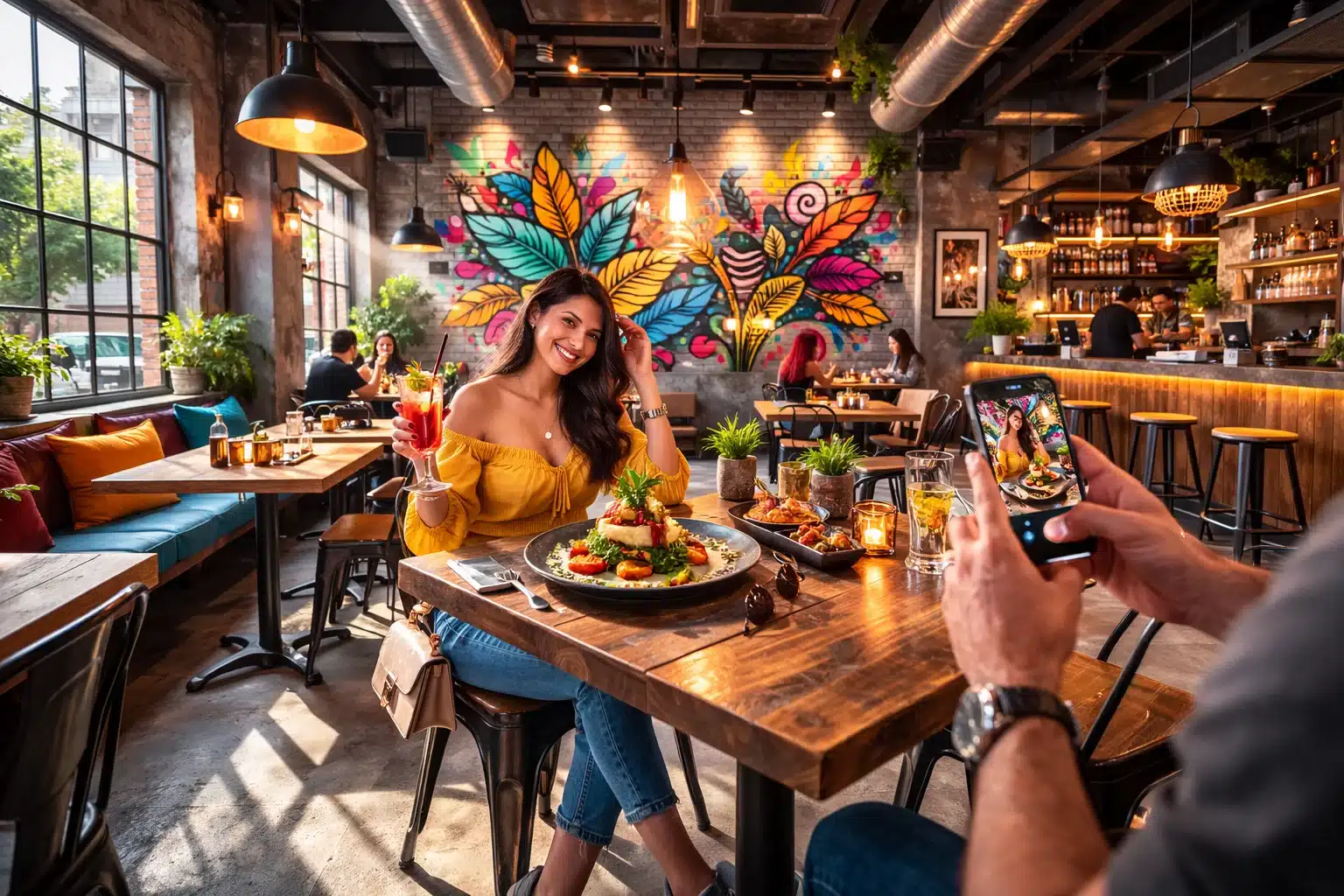
As food court modernization continues, operators focus on making each visit memorable and enjoyable. This effort is essential in attracting diverse demographics, from families to millennials seeking Instagram-worthy meals and environments.
Technology Integration in Food Courts
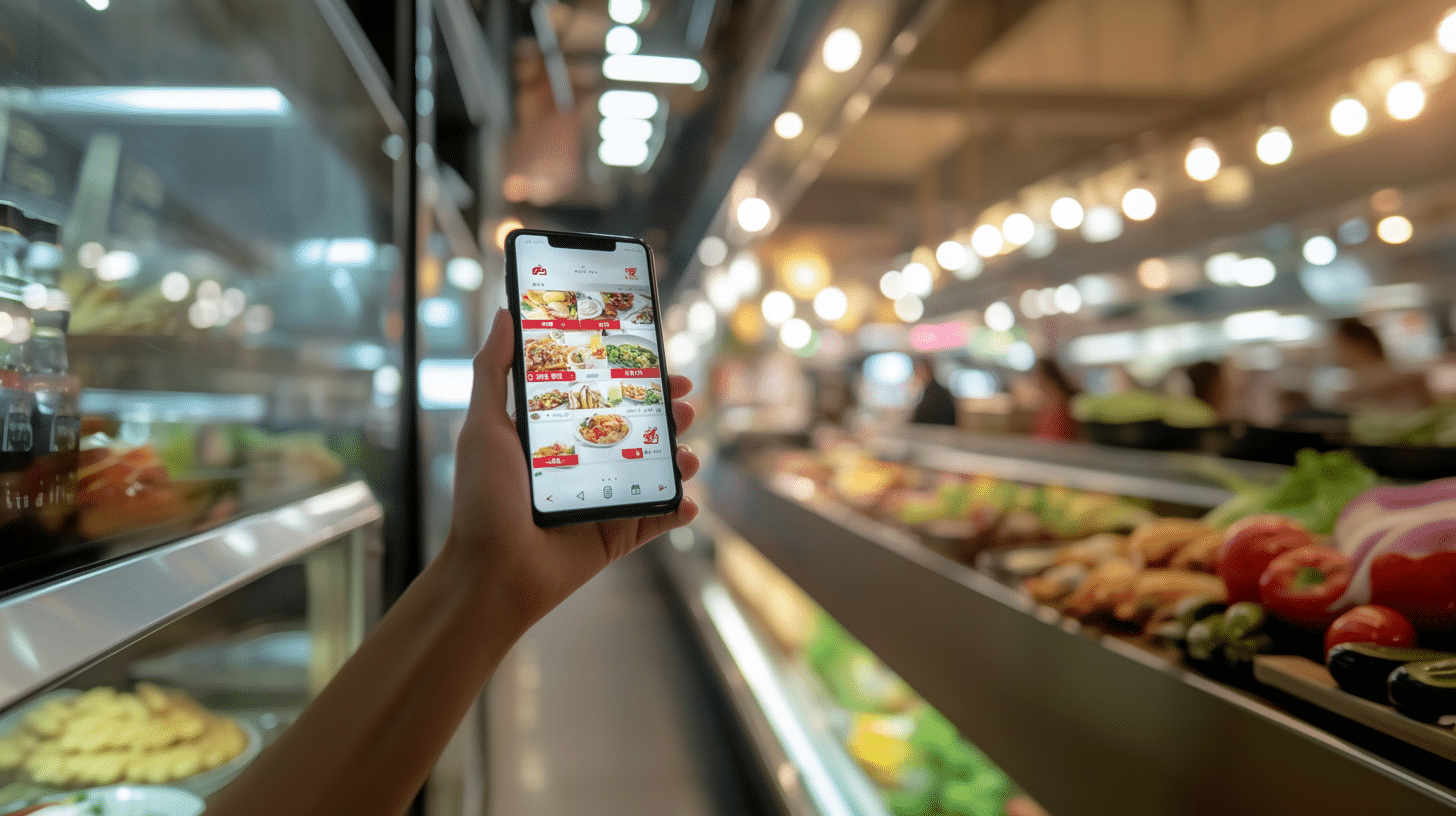
The integration of technology stands as one of the most influential food court trends today. Innovations in ordering, payment, and food delivery streamline operations and elevate the customer experience. Food tech integration is now vital to meet the expectations of tech-savvy consumers and optimize efficiency.
Digital Ordering and Contactless Payment Systems
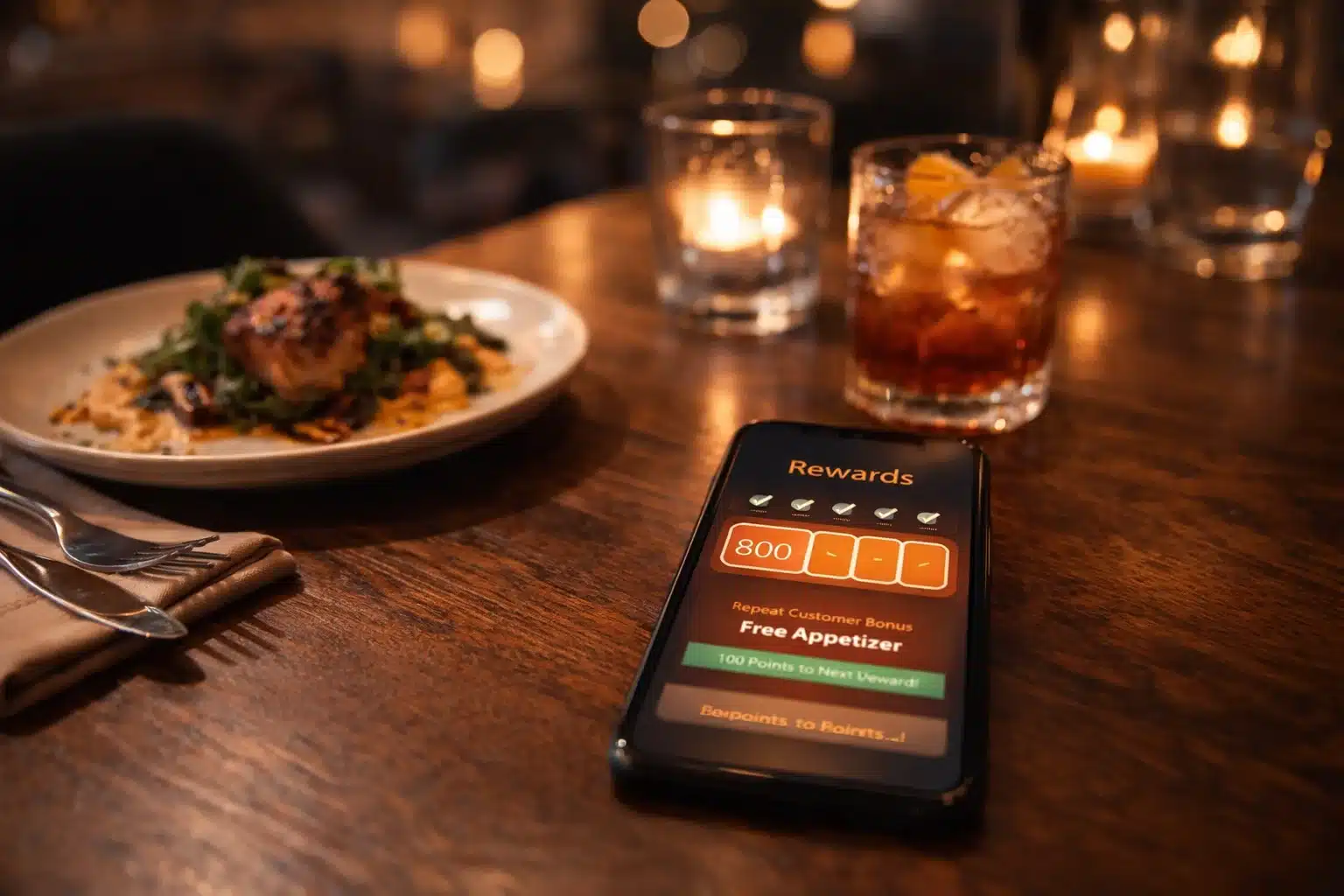
Digital ordering has revolutionized how customers interact with food courts. Many vendors now provide mobile apps or kiosks where customers can browse menus, customize meals, and place orders in advance. This reduces wait times and crowding, enhancing convenience and safety.
Contactless payment options complement this trend by providing fast, secure transactions. These systems include mobile wallets, QR codes, and tap-to-pay cards. Contactless payment not only speeds up the checkout process but also supports hygiene, an important consideration in post-pandemic times.
Integrating digital ordering with contactless payments creates a seamless, modern experience that attracts younger generations and busy professionals alike. As a result, food courts equipped with these technologies see higher customer satisfaction and improved sales.
Food Delivery and Ghost Kitchens in Food Courts
Food delivery has become an essential extension of food court services. Many food halls have partnered with delivery platforms to bring their offerings directly to customers’ homes and offices. This trend broadens the reach of vendors and accommodates changing consumer habits.
Ghost kitchens—restaurants that operate solely for delivery—are increasingly incorporated into food court models. These kitchens maximize space and reduce overhead while serving a wide range of cuisines. By leveraging food tech integration, food courts can offer more diverse menus without expanding physical storefronts.
This shift supports the growing demand for convenience and variety, making food courts competitive in an evolving dining landscape. Delivery and ghost kitchens also allow operators to test new concepts without committing to permanent locations.
Meal Customization through Technology
Technology empowers customers to customize their meals with precision. Digital menus often feature detailed ingredient lists and allergy filters, enabling diners to make informed choices. Customization options might include selecting proteins, sauces, sides, or plant-based alternatives.
For example, apps allow users to save preferences for repeat orders, enhancing convenience and loyalty. This level of control improves the overall food court experience by meeting individual tastes and dietary needs.
Moreover, meal customization supports health-conscious trends by promoting healthy fast food choices. It encourages food courts to innovate with nutrient-rich ingredients and alternative diets, aligning with modern consumer values.
Sustainability and Local Sourcing in Food Courts
Sustainability has emerged as a powerful food court trend, influencing everything from packaging to ingredient sourcing. Diners increasingly demand eco-friendly practices and transparency about where their food comes from. In response, food courts adopt sustainable packaging and prioritize local sourcing.
Sustainable Packaging to Reduce Food Waste
Sustainable packaging is a critical component of modern food court operations. Vendors now use biodegradable containers, compostable cutlery, and reusable cups to minimize environmental impact. This shift addresses the significant problem of single-use plastics in fast-casual dining.
In addition to packaging, food waste reduction strategies are gaining traction. Some food courts implement composting programs or donate unsold food to local charities. These initiatives not only lessen waste but also foster community goodwill.
By embracing sustainable packaging and waste reduction, food courts align with the values of eco-conscious consumers. This approach enhances brand reputation and encourages repeat visits.
Local Sourcing and Supporting Community Vendors
Local sourcing is a growing priority, reflecting a trend toward fresh, high-quality ingredients and support for regional producers. Food courts increasingly collaborate with farmers and artisans within their communities to offer authentic and seasonal products.
Supporting local vendors helps create a unique food court identity that stands apart from generic chains. It also shortens supply chains, reducing carbon footprints and improving ingredient traceability.
This connection to local food systems appeals to customers who value sustainability and community impact, making food courts more attractive destinations for conscious diners.
Pop-Up Vendors and Artisanal Products
Pop-up vendors bring diversity and excitement to food courts while emphasizing artisanal craftsmanship. These temporary stalls allow small businesses and emerging chefs to showcase innovative dishes, fusion flavors, and niche ethnic cuisines without long-term commitments.
Pop-ups also test new food court trends and keep menus fresh and responsive to customer preferences. Visitors enjoy discovering limited-time offerings that highlight creativity and quality.
Artisanal products, including handcrafted beverages and specialty desserts, add sophistication to the food court experience. These items elevate dining beyond convenience and help food courts attract food enthusiasts.
Diversity in Cuisine and Menu Options
Expanding culinary variety is one of the most exciting food court trends. Today’s food courts feature an impressive array of ethnic cuisines, fusion flavors, and plant-based options, catering to diverse palates and dietary needs. This diversity transforms food courts into cultural melting pots that celebrate global tastes.
Ethnic Cuisines and Fusion Flavors
Ethnic cuisines are a cornerstone of modern food courts, reflecting the multicultural makeup of urban populations. Customers can enjoy everything from traditional street food like Korean BBQ tacos to Mediterranean mezze plates. This exposure to global flavors enriches the dining experience and satisfies adventurous eaters.
Fusion flavors blend ingredients and techniques from different cultures, creating inventive dishes that spark curiosity. For instance, combining Indian spices with Mexican formats produces exciting new tastes. Fusion food keeps menus fresh and encourages experimentation.
These culinary innovations demonstrate how food courts have become dynamic hubs of cultural exchange, appealing to a broad demographic and enhancing food service innovation.
Plant-Based Options and Healthy Fast Food
Plant-based eating continues to rise in popularity, influencing food court menus significantly. Vendors now offer a variety of meat-free options, from hearty vegan burgers to creative salads and bowls. This trend supports both health and environmental sustainability.
Healthy fast food is another focus area, with food courts emphasizing balanced meals rich in vegetables, whole grains, and lean proteins. These options challenge the stereotype that fast food is unhealthy and broaden the appeal to wellness-conscious consumers.
By integrating plant-based and healthy choices, food courts meet evolving customer demands and contribute to better nutrition and lifestyle habits.
Grab-and-Go Meals for On-the-Move Consumers
Grab-and-go meals cater to customers with busy schedules who need quick yet satisfying food. These offerings often include pre-packaged salads, wraps, and snack boxes designed for convenience without compromising quality.
Food courts streamline these options with easy-to-carry packaging and nutritional labeling, appealing to commuters and office workers. The grab-and-go trend complements digital ordering, allowing customers to pick up meals swiftly or take them off-site.
This approach responds to modern lifestyles, ensuring food courts remain relevant and competitive in fast-paced urban environments.
Innovative Business Models Shaping Food Courts
New business models are transforming food courts, focusing on flexibility, efficiency, and customer engagement. Concepts like ghost kitchens, pop-up vendors, and meal customization drive innovation and expand possibilities for food operators and diners alike.
Ghost Kitchens and Their Impact on Food Courts
Ghost kitchens operate exclusively for delivery and takeout, minimizing the need for physical dining space. Food courts are incorporating these kitchens to expand their culinary variety without the constraints of traditional storefronts.
This model reduces overhead costs and allows experimentation with new food concepts. It also integrates well with digital ordering and food delivery trends, creating a streamlined supply chain that benefits both vendors and customers.
Ghost kitchens represent a significant shift in food court modernization, meeting the demand for convenience and diversity simultaneously.
Meal Customization and Personalization
Personalized meals have become a key selling point in modern food courts. Advances in food tech enable customers to tailor dishes to their tastes and dietary requirements with ease. This trend boosts satisfaction and loyalty by making dining more interactive.
Operators use digital menus and apps to facilitate customization, allowing customers to modify ingredients, portion sizes, and preparation methods. This approach caters to individual preferences and emerging dietary trends such as keto, gluten-free, or vegan diets.
Meal customization fosters a customer-centric food court environment where everyone can enjoy a meal crafted just for them.
Pop-Up Vendors Creating Dynamic Food Court Experiences
Pop-up vendors add vibrancy and novelty to food courts by introducing temporary culinary experiences. These vendors often focus on niche cuisines, innovative recipes, or seasonal specialties that keep the food court atmosphere lively and ever-changing.
For food court operators, pop-ups offer flexibility and reduce risk, allowing for quick adaptation to market demands and food trends. For customers, pop-ups provide a reason to visit regularly and discover new tastes.
This model supports entrepreneurial chefs and small businesses, contributing to a richer, more diverse food court ecosystem.
Incorporating these innovative business models helps food courts stay competitive and relevant in a rapidly changing foodservice landscape.
Biyo POS supports these evolving food court trends by providing an all-in-one point-of-sale solution tailored to fast-casual and food hall environments. Features such as integrated digital ordering, contactless payments, inventory management, and real-time sales analytics enable operators to streamline operations and enhance the customer experience. Biyo POS empowers food courts to adopt the latest technology while focusing on sustainability and customization, driving growth and customer satisfaction.
Frequently Asked Questions (FAQ)
What are the biggest food court trends right now?
The top food court trends include the evolution toward food halls, integration of digital ordering and contactless payment, emphasis on sustainability and local sourcing, diverse ethnic and plant-based cuisine options, and innovative business models like ghost kitchens and pop-up vendors.
How is technology changing food courts?
Technology enhances food courts through digital ordering platforms, contactless payments, meal customization apps, and integration with food delivery services. These innovations speed up service, improve convenience, and create a safer dining environment.
Why are plant-based options important in food courts?
Plant-based options cater to the increasing number of health-conscious and environmentally aware consumers. They provide nutritious, sustainable alternatives to traditional meat dishes, broadening appeal and supporting modern dietary trends.
What role does sustainability play in food court operations?
Sustainability drives food courts to adopt eco-friendly packaging, reduce food waste, and source ingredients locally. These practices reduce environmental impact, meet customer expectations, and create positive brand reputations.
How do ghost kitchens benefit food courts?
Ghost kitchens allow food courts to offer a wider variety of cuisines without expanding physical space. They reduce costs, increase efficiency, and integrate with delivery services, helping food courts adapt to changing consumer habits.