Dining out offers an incredible variety of experiences, with different types of restaurants catering to unique tastes, occasions, and dining preferences. From luxurious fine dining establishments to quick-service fast food outlets and innovative pop-up restaurants, each restaurant type delivers a distinctive atmosphere, menu style, and level of service.
The global restaurant industry is massive. According to recent industry data, the worldwide foodservice market exceeds $3 trillion annually, with restaurants ranging from small independent cafés to multinational chains. This diversity allows diners to choose experiences based on budget, mood, convenience, or culinary curiosity.
Understanding the different types of restaurants can help diners make informed choices while also helping aspiring restaurant owners identify the best concept for their business. Whether you are planning a romantic dinner, grabbing lunch with coworkers, or trying a new culinary trend, knowing the characteristics of each restaurant type can enhance your dining experience.
Table of Contents
- Fine Dining
- Casual Dining
- Fast Food
- Family Style
- Buffet
- Café
- Food Truck
- Pop-Up Restaurant
- Bistro
- Diner
Fine Dining
Exquisite Culinary Experience
Fine dining restaurants represent the highest level of culinary excellence in the restaurant industry. These establishments focus on premium ingredients, expert chefs, artistic food presentation, and exceptional customer service. Meals are carefully crafted to deliver not just food but a full sensory experience.
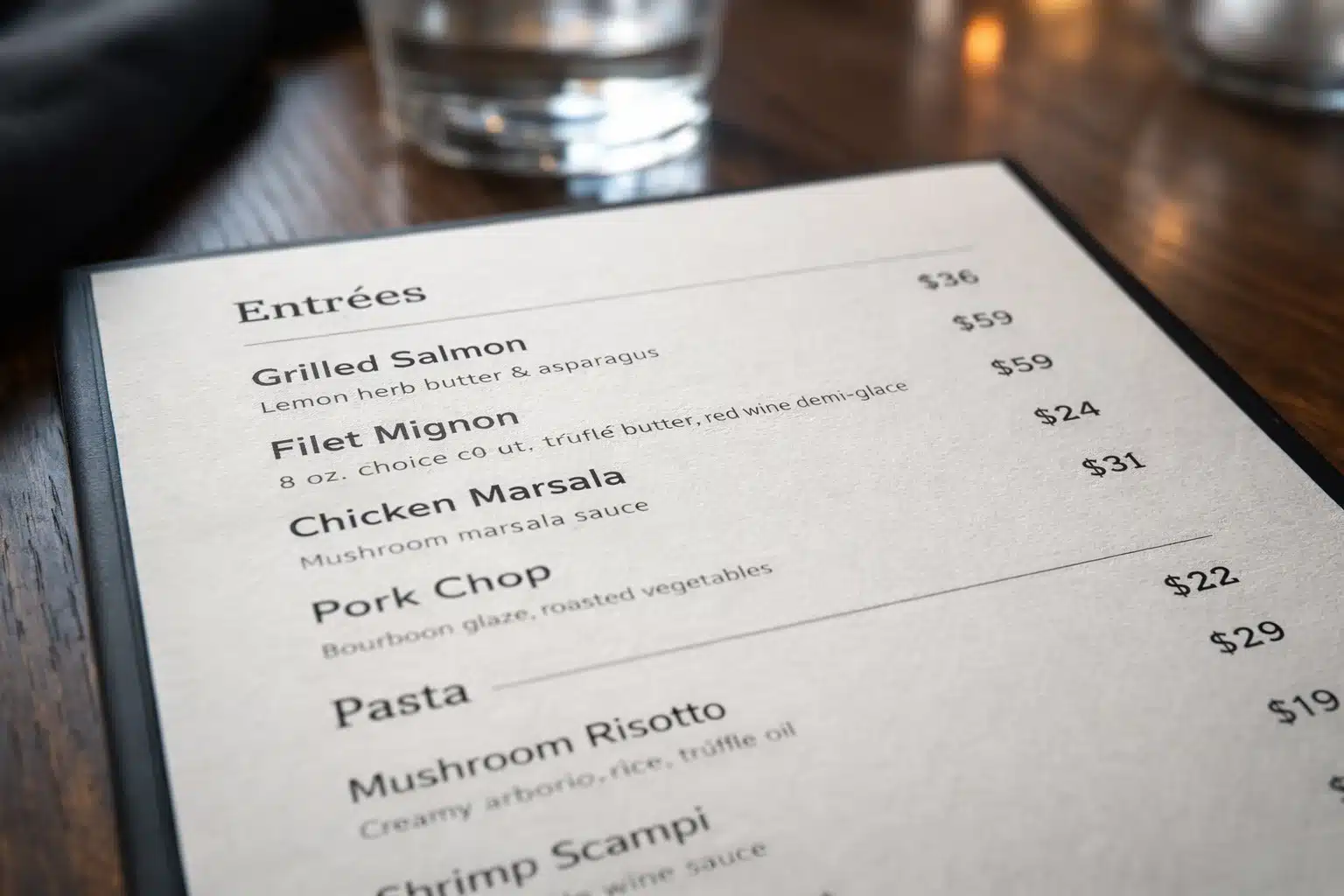
Menus often feature gourmet dishes such as filet mignon, fresh seafood, artisanal cheeses, and creative tasting menus. Many fine dining restaurants also employ sommeliers to recommend wine pairings that complement each course.
Fine dining establishments typically operate with strict service standards. Staff members are highly trained and knowledgeable about every detail of the menu, ingredients, and preparation techniques.
Unique Atmosphere
The environment in fine dining restaurants is designed to elevate the dining experience. Elegant décor, soft lighting, upscale furnishings, and quiet music contribute to a refined ambiance. Table settings often include fine china, crystal glassware, and polished silverware.
Attention to detail is a defining characteristic of fine dining. Everything from plating techniques to service etiquette is carefully planned to create a memorable experience.
Memorable Occasions
Fine dining is commonly associated with celebrations such as anniversaries, birthdays, engagement dinners, and corporate events. Many establishments offer private dining rooms or chef’s tables that provide guests with a more intimate experience.
These restaurants often emphasize seasonal menus and locally sourced ingredients, reflecting culinary creativity and sustainability.

Casual Dining
Relaxed Atmosphere
Casual dining restaurants provide a comfortable and welcoming environment while still offering table service. These establishments bridge the gap between upscale dining and fast food by combining quality meals with a relaxed atmosphere.
Restaurants like steakhouses, grills, and themed eateries typically fall into the casual dining category.
Diverse Menu Options
Casual dining menus often include a wide variety of dishes such as pasta, burgers, steaks, seafood, salads, and desserts. This variety allows diners to explore multiple cuisines without the formality of fine dining.
Many casual restaurants update their menus seasonally to introduce new flavors and maintain customer interest.
Family Friendly Environment
Casual dining establishments frequently cater to families. Kids’ menus, shareable appetizers, and comfortable seating make them popular choices for group meals.
Some restaurants also provide entertainment options such as play areas, sports televisions, or themed decorations to enhance the dining experience.

Fast Food
Quick Service
Fast food restaurants prioritize speed, affordability, and convenience. Orders are typically placed at a counter or through digital kiosks, and food is prepared quickly using standardized processes.
Fast food chains have grown rapidly worldwide, with millions of customers visiting them daily for quick meals.
Affordability
One of the key advantages of fast food restaurants is affordability. Value meals, promotions, and combo deals make them accessible to customers on a budget.
For many consumers, fast food offers a reliable option when time is limited.
Wide Availability
Fast food chains operate thousands of locations globally. Drive-thru service, mobile ordering, and delivery partnerships further increase convenience.
These innovations have helped fast food remain one of the most popular dining formats worldwide.

Family Style
Shared Dining Experience
Family style restaurants encourage communal dining by serving large dishes intended to be shared among guests. This format creates a warm, social atmosphere where diners interact and pass dishes around the table.
Comfort Food
Menus typically include classic comfort foods such as fried chicken, roasted vegetables, mashed potatoes, pasta, and casseroles. These meals evoke the feeling of home cooking.
Group Friendly Dining
Family style dining works particularly well for gatherings, celebrations, and large groups because meals are designed to be shared.

Buffet
Variety of Choices
Buffet restaurants allow diners to serve themselves from a wide selection of dishes displayed on buffet tables. This format offers tremendous variety and allows guests to try multiple foods in one visit.
All You Can Eat
The all-you-can-eat model is one of the biggest attractions of buffet restaurants. Customers pay a fixed price and enjoy unlimited servings.
Themed Buffets
Many buffets feature themed sections such as seafood bars, Asian cuisine, Italian pasta stations, or dessert tables.

Café
Casual and Cozy
Cafés focus on coffee, beverages, and light meals. They provide relaxed environments where customers can work, socialize, or relax.
Specialty Beverages
Artisan coffee drinks such as lattes, cappuccinos, and cold brews are signature offerings at cafés.
Community Hubs
Many cafés function as community gathering spaces, hosting local events and providing comfortable environments for meetings or studying.

Food Truck
Mobility and Convenience
Food trucks are mobile kitchens that serve meals from customized trucks or trailers. Their mobility allows them to reach festivals, business districts, and community events.
Diverse Cuisines
Food trucks often specialize in specific cuisines such as tacos, barbecue, burgers, desserts, or fusion dishes.
Support for Local Entrepreneurs
Many food trucks are independent businesses operated by chefs or small teams. They provide an accessible entry point into the restaurant industry.

Pop-Up Restaurant
Temporary and Trendy
Pop-up restaurants are temporary dining concepts that operate for a limited time. They are often used by chefs to test new ideas or showcase innovative menus.
Innovative Menus
Pop-ups frequently feature experimental dishes or themed culinary events.
Unique Dining Experiences
Pop-ups may appear in unexpected locations such as rooftops, art galleries, or outdoor spaces.
Social Media Buzz
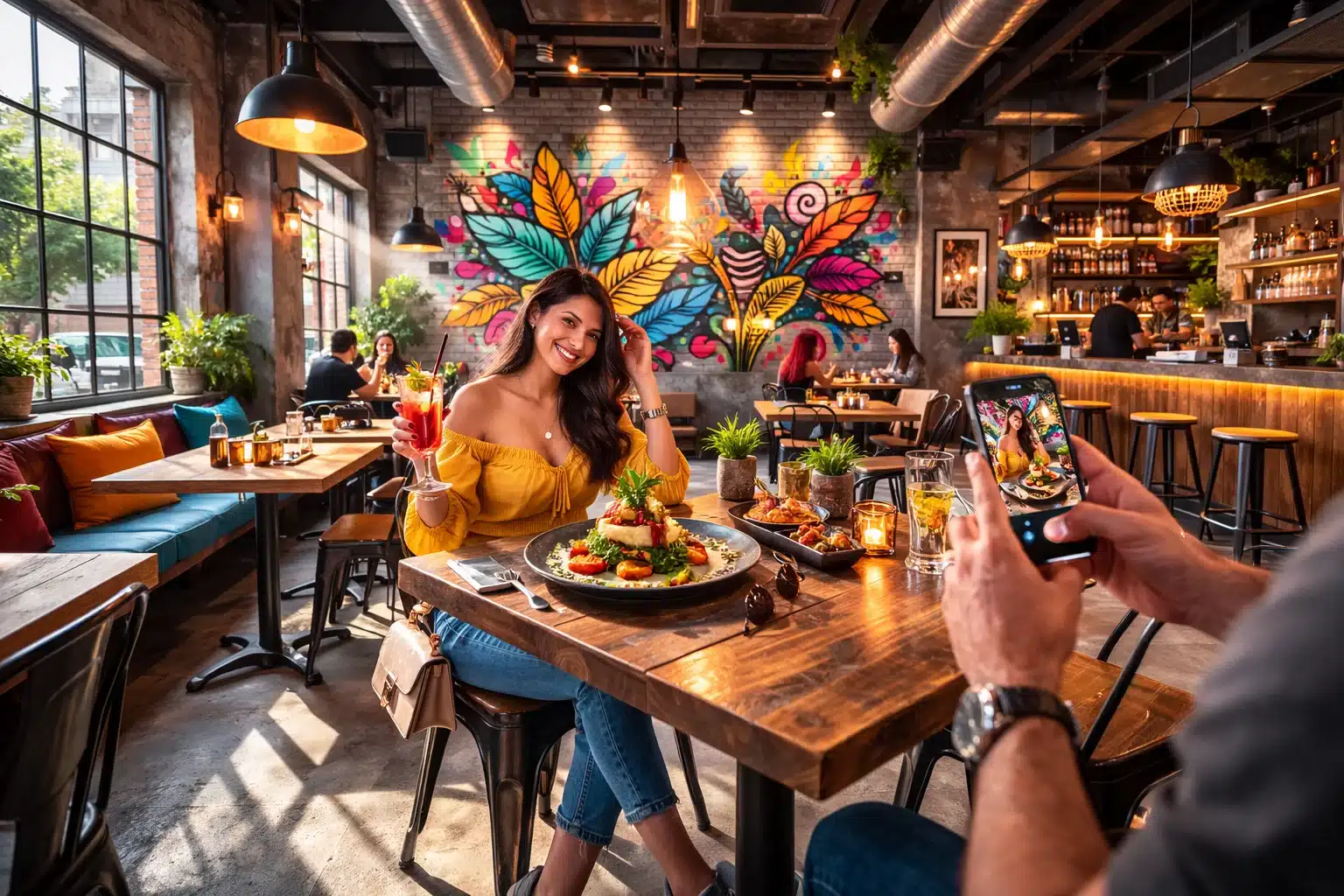
Because of their limited availability, pop-up restaurants often generate excitement and viral attention online.

Bistro
Bistros are small restaurants that typically serve simple, flavorful meals in a relaxed setting. Traditional bistro menus include hearty dishes like soups, stews, salads, and sandwiches.
The cozy atmosphere and approachable menu make bistros ideal for casual meals with friends or quick lunch outings.

Diner
Diners are classic American restaurants known for their nostalgic atmosphere and extensive menus.
They typically serve comfort foods such as burgers, milkshakes, pancakes, and breakfast dishes all day.
Many diners operate late hours or 24/7, making them popular spots for late-night meals.

Enhancing Restaurant Experiences with Biyo POS
Running different types of restaurants requires efficient management systems to handle orders, payments, and inventory. Biyo POS offers flexible tools designed to support fine dining, casual restaurants, cafés, food trucks, and more.
Restaurant owners can schedule a call to see how Biyo POS helps streamline operations, improve service speed, and enhance customer experiences across every type of dining concept.