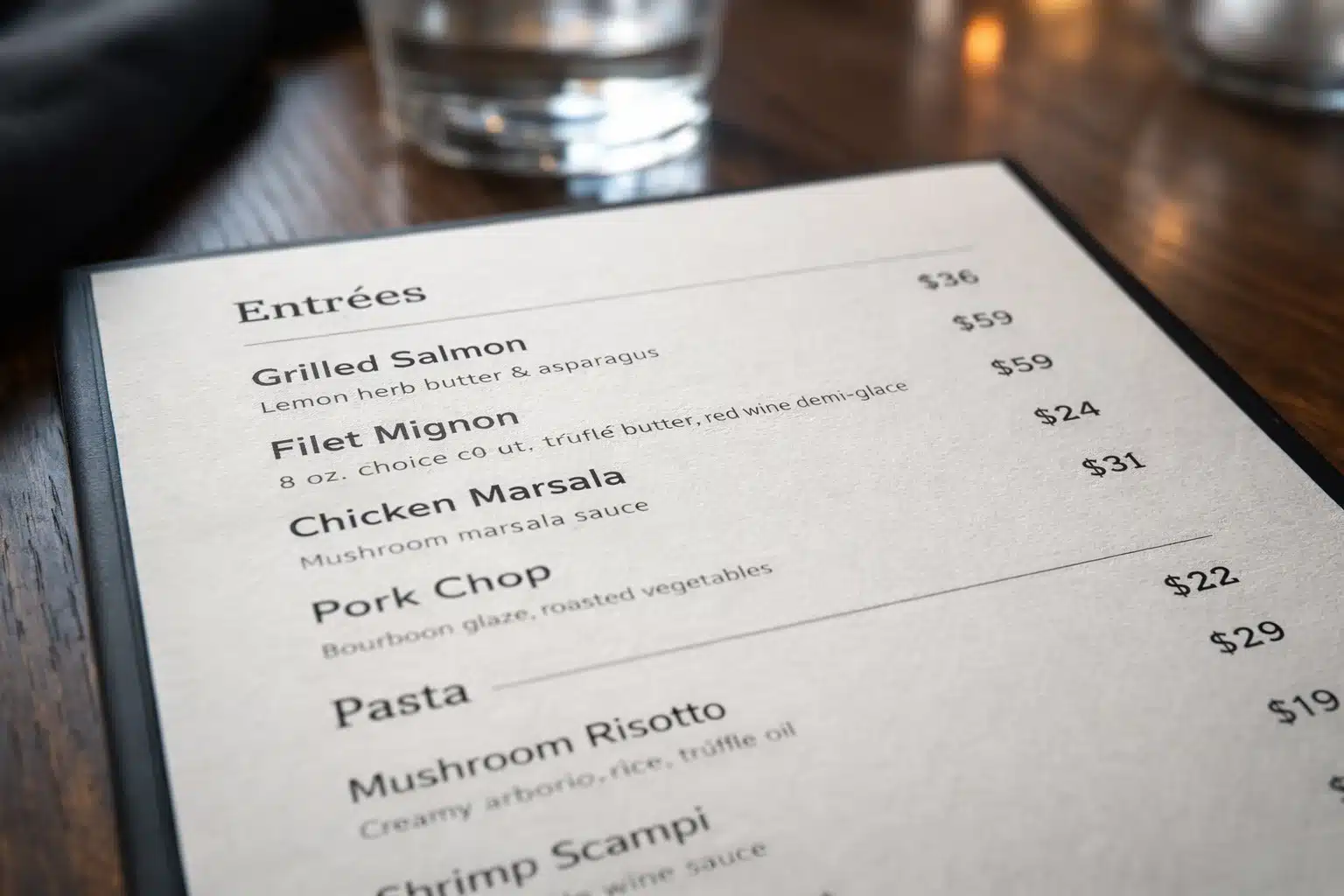
In recent years, the gluten-free lifestyle has gained significant attention worldwide. While originally associated with individuals diagnosed with celiac disease, the diet has expanded into mainstream health culture. Many people now explore gluten-free eating to improve digestion, reduce inflammation, or simply experiment with alternative grains and whole foods.
For individuals with gluten-related disorders, avoiding gluten is not a trend but a medical necessity. Celiac disease alone affects an estimated 1% of the global population, while non-celiac gluten sensitivity may affect up to 6–10% of people. When gluten is consumed by individuals with these conditions, it can trigger immune reactions that damage the small intestine and lead to symptoms such as fatigue, digestive discomfort, and nutrient deficiencies.
Fortunately, the rise in awareness around gluten intolerance has made gluten-free products and recipes far more accessible. Restaurants, grocery stores, and food manufacturers now offer extensive gluten-free options, allowing individuals to maintain a balanced diet without sacrificing flavor or variety.
This guide explores everything you need to know about gluten-free living—from understanding gluten and its health implications to baking tips, safe product selection, and delicious celiac-safe recipes.
Table of Contents
- What is Gluten Free?
- Benefits of a Gluten-Free Diet
- Gluten-Free Baking Tips
- Choosing Gluten-Free Products
- Celiac Safe Recipes
- FAQ
What is Gluten Free?
The term gluten-free refers to foods and ingredients that do not contain gluten, a protein naturally found in wheat, barley, rye, and their derivatives. Gluten provides elasticity and structure in baked goods, helping dough rise and maintain its shape. However, for people with gluten intolerance or celiac disease, consuming gluten can trigger harmful immune reactions.
A gluten-free diet eliminates all foods made with gluten-containing grains. This includes products like bread, pasta, cereals, and baked goods made with wheat flour. Instead, gluten-free diets focus on naturally gluten-free ingredients such as fruits, vegetables, legumes, meat, fish, eggs, and gluten-free grains.
Common gluten-free grains include:
- Quinoa
- Rice
- Buckwheat
- Millet
- Certified gluten-free oats
- Amaranth
Although gluten-free living initially requires careful label reading and ingredient awareness, many people find that it encourages healthier eating habits by focusing on whole, minimally processed foods.
Why Choose a Gluten-Free Lifestyle?
For individuals diagnosed with gluten-related disorders, eliminating gluten is essential to prevent intestinal damage and long-term health complications. Symptoms of gluten intolerance may include bloating, abdominal pain, fatigue, headaches, and nutrient deficiencies.
However, even individuals without diagnosed gluten sensitivity sometimes adopt a gluten-free lifestyle to improve digestion or explore alternative diets. Removing heavily processed wheat-based foods often encourages increased consumption of vegetables, lean proteins, and whole grains.
Some reported benefits of gluten-free eating include:
- Improved digestive comfort
- Reduced bloating
- More stable energy levels
- Greater awareness of food ingredients
That said, health experts emphasize that gluten-free diets should be well-balanced and not rely heavily on processed gluten-free substitutes.
Understanding Gluten Sensitivity and Celiac Disease
Celiac disease is an autoimmune disorder in which gluten consumption damages the small intestine. Even small amounts of gluten can trigger inflammation and interfere with nutrient absorption. Long-term exposure may lead to complications such as osteoporosis, anemia, or neurological problems.
Non-celiac gluten sensitivity, on the other hand, produces symptoms similar to celiac disease but without the autoimmune intestinal damage. People with gluten sensitivity may experience digestive discomfort, fatigue, and brain fog after consuming gluten.
Diagnosis of these conditions requires medical testing, often including blood tests and dietary elimination trials. Individuals who suspect gluten intolerance should consult healthcare professionals before beginning a gluten-free diet.

Benefits of a Gluten-Free Diet
For individuals with gluten-related conditions, removing gluten from the diet can dramatically improve quality of life. Many people report noticeable health improvements within weeks of eliminating gluten-containing foods.
Improved Digestion
Digestive issues such as bloating, gas, and diarrhea are among the most common symptoms of gluten intolerance. Eliminating gluten often restores intestinal balance and improves gut health.
Gluten-free diets also tend to include more fiber-rich foods like vegetables, legumes, and gluten-free grains. Increased fiber intake supports healthy digestion and helps maintain a balanced gut microbiome.
Reduced Inflammation and Joint Pain
Chronic inflammation is commonly reported in individuals with untreated celiac disease or gluten intolerance. Removing gluten can reduce inflammatory responses and relieve joint pain in some individuals.
Research suggests that a gluten-free diet may also help individuals with autoimmune disorders manage symptoms more effectively.
Enhanced Mental Clarity and Mood
Many individuals with gluten sensitivity report experiencing “brain fog,” fatigue, or mood changes after consuming gluten. Once gluten is removed from the diet, many people experience improved mental clarity and energy levels.
Although research is ongoing, scientists believe this effect may be linked to improvements in gut health and reduced systemic inflammation.
Gluten-Free Baking Tips
Gluten plays a major role in traditional baking because it provides elasticity and structure. Without gluten, baked goods can become crumbly or dense. However, with the right techniques and ingredients, gluten-free baking can produce excellent results.
Use Alternative Flours
Several gluten-free flours can replace wheat flour in baking recipes. Popular choices include almond flour, coconut flour, rice flour, and sorghum flour.
Each flour behaves differently. Almond flour adds moisture and richness, while coconut flour absorbs large amounts of liquid. Combining multiple gluten-free flours often produces better texture and structure.
Many bakers use gluten-free all-purpose flour blends containing rice flour, potato starch, and tapioca flour to replicate traditional baking results.
Incorporate Bindings and Leaveners
Because gluten provides elasticity, gluten-free recipes often require binding agents such as:
- Xanthan gum
- Guar gum
- Psyllium husk
These ingredients help replicate the structure gluten provides in traditional dough.
Gluten-free baking also benefits from slightly increased leavening agents such as baking powder or baking soda to help baked goods rise properly.
Adjust Liquid and Cooking Times
Gluten-free flours absorb moisture differently than wheat flour. Many recipes require additional liquid to maintain the proper batter consistency.
Baking temperatures and times may also need adjustments. Gluten-free baked goods sometimes require slightly longer baking times at lower temperatures to achieve ideal texture.
Choosing Gluten-Free Products
Grocery stores now offer a wide range of gluten-free products, but choosing the right ones requires careful label reading.
Read Labels Carefully
Gluten can appear in unexpected foods such as sauces, salad dressings, soups, and processed meats. Always check ingredient lists for wheat, barley, rye, or malt.
Look for products labeled certified gluten-free, which ensures the product contains less than 20 parts per million of gluten—the standard considered safe for most individuals with celiac disease.
Opt for Whole Foods
While gluten-free packaged foods can be convenient, focusing on whole foods provides better nutrition. Naturally gluten-free foods include:
- Fresh fruits and vegetables
- Lean meats and fish
- Eggs
- Legumes
- Rice and quinoa
Whole foods reduce the risk of hidden gluten while providing essential nutrients.
Check for Allergen-Friendly Ingredients
Many individuals who follow gluten-free diets also manage additional food allergies. Some gluten-free products are also dairy-free, soy-free, or nut-free.
Always review ingredient lists carefully to ensure products meet your specific dietary requirements.
Celiac Safe Recipes
Cooking gluten-free meals at home provides full control over ingredients and eliminates the risk of cross-contamination.
Gluten-Free Pancakes
A simple gluten-free pancake recipe can be made using rice flour, almond flour, and potato starch. Combine the flour blend with eggs, milk, baking powder, and a pinch of salt to create a smooth batter.
Serve with fresh fruit, maple syrup, or dairy-free yogurt for a satisfying breakfast.
Quinoa Salad with Roasted Vegetables
Quinoa is a naturally gluten-free grain packed with protein and essential nutrients. Combine cooked quinoa with roasted vegetables such as zucchini, sweet potatoes, and bell peppers.
Finish the dish with olive oil, lemon juice, and herbs for a refreshing and nutritious meal.
Gluten-Free Chocolate Chip Cookies
Gluten-free chocolate chip cookies can be made using almond flour or gluten-free flour blends. Mix flour with eggs, butter (or coconut oil), brown sugar, and dark chocolate chips.
These cookies provide a chewy texture while remaining completely gluten-free.

For restaurants and food businesses, accommodating gluten-free customers is increasingly important. Tools like Biyo POS help restaurants manage menu labeling and track allergen-friendly ingredients, making it easier to serve customers with dietary restrictions safely.
FAQ
What is gluten?
Gluten is a protein found in wheat, barley, rye, and related grains. It helps dough maintain elasticity and structure in baked goods.
Is gluten-free food always healthier?
Not necessarily. Some gluten-free processed foods can be high in sugar or refined starches. A healthy gluten-free diet focuses on whole foods and balanced nutrition.
Can I eat oats on a gluten-free diet?
Oats are naturally gluten-free but are often processed in facilities that handle wheat. Choose certified gluten-free oats to avoid cross-contamination.
Are gluten-free products more expensive?
Specialty gluten-free products can cost more than conventional foods. However, naturally gluten-free whole foods like rice, beans, and vegetables are often affordable.
What are safe gluten-free snack options?
Safe snacks include fruits, vegetables, nuts, seeds, popcorn, yogurt, and certified gluten-free crackers.