Learning how to design a family-friendly restaurant menu is one of the most effective ways to attract consistent foot traffic and long-term customers. Families dine out frequently, yet they also have higher expectations than most guest segments. Parents want value, clarity, balanced nutrition, and speed, while children want meals that feel familiar, fun, and satisfying. When these needs collide, the menu becomes the deciding factor that shapes the entire family dining experience.
A thoughtful strategy to design a family-friendly restaurant menu goes far beyond adding a small kids section at the bottom of the page. It requires understanding family behavior, decision fatigue, pricing sensitivity, and emotional triggers. Families often dine under time pressure, manage multiple preferences at once, and want to avoid conflict at the table. A menu that supports those realities naturally increases satisfaction, repeat visits, and positive reviews.
This guide explains how to design a family-friendly restaurant menu step by step, using practical examples and proven best practices. You will learn how to structure meals, plan portions, create a clear layout, set family-friendly prices, and use technology to support consistency. Each section is written to stand on its own so you can apply these ideas immediately.
Table of Contents
- Understanding the Family Dining Experience
- Planning Kid-Friendly Meals That Appeal to Parents
- Creating a Clear and Easy-to-Read Menu Layout
- Pricing and Portion Strategies for Families
- Enhancing Engagement With Interactive Menu Elements
- Using Technology to Support Family Menus
- Frequently Asked Questions
Understanding the Family Dining Experience
Before you design a family-friendly restaurant menu, it is essential to understand how families behave when they dine out. Family dining is rarely relaxed or spontaneous. Instead, it is often shaped by schedules, budgets, and emotional considerations. A single frustrating moment can affect how the entire experience is remembered.
Balancing Parent and Child Expectations
Parents approach menus with a practical mindset because they are managing more than just their own preferences. They think about price, nutrition, portion size, and how quickly the food will arrive. Many parents also feel pressure to make better food choices for their children, even when dining out. When you design a family-friendly restaurant menu, you reduce that pressure by making balanced options feel normal and accessible.
Children, by contrast, focus on comfort and familiarity. They want foods they recognize, flavors they trust, and names that sound appealing. If a child feels unsure about what to order, the situation can quickly become stressful for everyone at the table. Menus that gently guide kids toward safe choices reduce hesitation and speed up ordering.
The most effective menus bridge both perspectives without forcing compromise. For example, offering a grilled chicken plate with fun meal names and optional sauces satisfies kids while reassuring parents. This balance strengthens the family dining experience and increases the likelihood of repeat visits.
Recognizing Different Age Groups and Eating Habits
Not all children eat the same way, and treating them as one group can limit menu effectiveness. Toddlers usually prefer very simple flavors and smaller portions, while school-aged kids may enjoy slightly more variety. Teenagers often want meals that resemble adult dishes but still feel affordable. When you design a family-friendly restaurant menu, acknowledging these differences creates flexibility.
A practical solution is to build customizable dishes that scale by portion or add-ons. A basic pasta dish, for instance, can work for multiple age groups when paired with optional protein or sauces. This approach simplifies kitchen operations while meeting diverse needs.
Parents notice when menus feel age-aware rather than generic. That attention to detail builds trust and makes families feel understood, which directly supports customer loyalty.

Reducing Decision Fatigue for Busy Families
Decision fatigue plays a major role in family dining behavior. Parents often arrive already tired from work, school pickups, or activities. A cluttered menu adds unnecessary stress at the table. When you design a family-friendly restaurant menu, clarity becomes part of the service.
Clear categories, limited kid-approved meals, and simple descriptions help families decide faster. Faster decisions lead to smoother service and fewer questions for staff. During peak hours, this efficiency improves table turnover.
Menus that respect limited attention spans also encourage upselling. When families feel comfortable ordering, they are more open to combo meals, desserts, or drinks for kids.
Planning Kid-Friendly Meals That Appeal to Parents
Food selection is the foundation of any effort to design a family-friendly restaurant menu. The challenge lies in offering kid-friendly meals that children enjoy while parents feel confident about nutrition and value. Successful menus treat kids meals as intentional offerings, not simplified leftovers.
Focusing on Simple Flavors Without Sacrificing Quality
Simple flavors dominate kid-approved meals for a reason. Many children reject strong seasonings or unfamiliar textures, which can derail the entire dining experience. When you design a family-friendly restaurant menu, starting with familiar foods such as pasta, chicken, rice, and sandwiches increases acceptance immediately.
However, simplicity should never mean low quality. Fresh ingredients, proper cooking methods, and consistent presentation elevate even basic dishes. Parents often judge a restaurant’s overall quality by how much care goes into kid-friendly meals.
Using the same ingredients across adult and kids menus also improves consistency. This strategy reduces food waste and reinforces the idea that children’s meals deserve the same standards as adult dishes.
Integrating Balanced Nutrition in a Natural Way
Balanced nutrition matters to parents, even in casual family dining settings. When you design a family-friendly restaurant menu, the goal is to make healthier choices feel automatic. Offering fruit, vegetables, or whole grains as default healthy sides helps achieve that balance.
Studies show children are more likely to accept healthier foods when they are presented without pressure. Avoid labeling items as healthy. Instead, describe them as tasty or fun. This framing lowers resistance and keeps the mood positive.
Nutritional transparency also builds trust. Simple icons or short notes help parents make informed decisions without overwhelming the menu layout.
Providing Allergen-Friendly and Customizable Dishes
Food allergies and sensitivities are common concerns for families. When you design a family-friendly restaurant menu, allergen-friendly options should be easy to identify. Clear labeling reduces anxiety and prevents ordering mistakes.
Customizable dishes further support safety and satisfaction. Allowing ingredient swaps or removals gives parents control and reassurance. This flexibility also helps with picky eater choices.
Families remember restaurants where they felt safe ordering. That memory often leads to repeat visits and strong word-of-mouth recommendations.
Creating a Clear and Easy-to-Read Menu Layout
Even the best meal selection can fail if the menu layout feels overwhelming. Visual clarity plays a major role when you design a family-friendly restaurant menu. A clean layout helps parents and kids navigate choices together.
Using Clean Typography and Logical Structure
Typography affects how quickly families can scan a menu. Large, readable fonts reduce eye strain and allow children to participate in ordering. When you design a family-friendly restaurant menu, readability should always come first.
Logical grouping improves flow. Separating kid-friendly meals, combo meals, and family platters prevents confusion and speeds up decisions. Parents appreciate menus that feel intuitive.
A structured layout also reduces order errors. Fewer mistakes lead to smoother service and better overall satisfaction.
Applying Colorful Presentation With Purpose
Colorful presentation attracts children and adds personality to the menu. Strategic use of color highlights key items without cluttering the page. When you design a family-friendly restaurant menu, restraint is essential.
Consistent color usage supports branding and recognition. Highlighting kids sections with subtle icons or accents helps guide attention naturally.
Well-balanced visuals improve engagement while maintaining clarity. This balance benefits both kids and parents.
Ensuring Accessibility for All Guests
Accessibility is an important part of modern menu design. High contrast text, generous spacing, and clear language support families with varying needs. When you design a family-friendly restaurant menu, inclusive design improves perception.
Digital menus can offer zoom features or language options. Printed menus should follow accessibility best practices whenever possible.
Families notice when restaurants consider all guests. That care builds goodwill and trust.
Pricing and Portion Strategies for Families
Pricing strongly influences how comfortable families feel ordering. When you design a family-friendly restaurant menu, value should be obvious without sacrificing profitability.
Offering Smaller Portions at Fair Prices
Smaller portions better match children’s appetites and reduce food waste. Parents appreciate paying for meals their kids actually finish. When you design a family-friendly restaurant menu, portion control directly improves satisfaction.
Fair and transparent pricing reduces hesitation during ordering. Clear prices help families budget and make faster decisions.
Optional add-ons provide flexibility while preserving value. This approach balances affordability with customization.
Creating Combo Meals and Family Platters
Combo meals simplify ordering and increase perceived value. Families prefer bundled options that reduce decision-making. When you design a family-friendly restaurant menu, combos support speed and clarity.
Family platters encourage sharing and create a sense of togetherness. These options often increase average order value without pressure.
Well-designed bundles frequently become best sellers in family-focused restaurants.
Including Dessert and Drink Choices for Kids
Desserts play an emotional role in family dining. Small dessert options feel like rewards and help end meals on a positive note. When you design a family-friendly restaurant menu, desserts should feel optional yet appealing.
Clear drink choices for kids also reduce conflict at the table. Parents appreciate straightforward options like milk or juice.
These small details significantly improve the family dining experience.
Enhancing Engagement With Interactive Menu Elements
Interactive menu elements keep children engaged and parents relaxed. When you design a family-friendly restaurant menu, engagement adds value beyond food alone.
Using Fun Meal Names and Descriptions
Fun meal names capture attention and make ordering exciting. Children respond positively to playful language. When you design a family-friendly restaurant menu, naming becomes a powerful tool.
Descriptions should still remain clear for parents. Balancing fun with clarity helps both audiences.
Consistent tone strengthens brand identity and memorability.
Adding Activities and Interactive Elements
Simple activities like puzzles or coloring areas keep children busy while waiting. When you design a family-friendly restaurant menu, these features reduce restlessness.
Digital menus can include light interactive elements without slowing service. These features improve engagement without complexity.
Calmer tables benefit staff and guests alike.
Rotating Seasonal or Limited-Time Items
Seasonal items keep menus fresh and encourage repeat visits. Families enjoy variety as long as favorites remain available. When you design a family-friendly restaurant menu, rotation prevents boredom.
Limited-time options create excitement and urgency. Clear communication builds anticipation.
Strategic updates maintain interest without overwhelming regular customers.
Using Technology to Support Family Menus
Technology simplifies execution when you design a family-friendly restaurant menu. Digital tools improve consistency, flexibility, and insight across locations.
Managing Menu Changes Through POS Systems
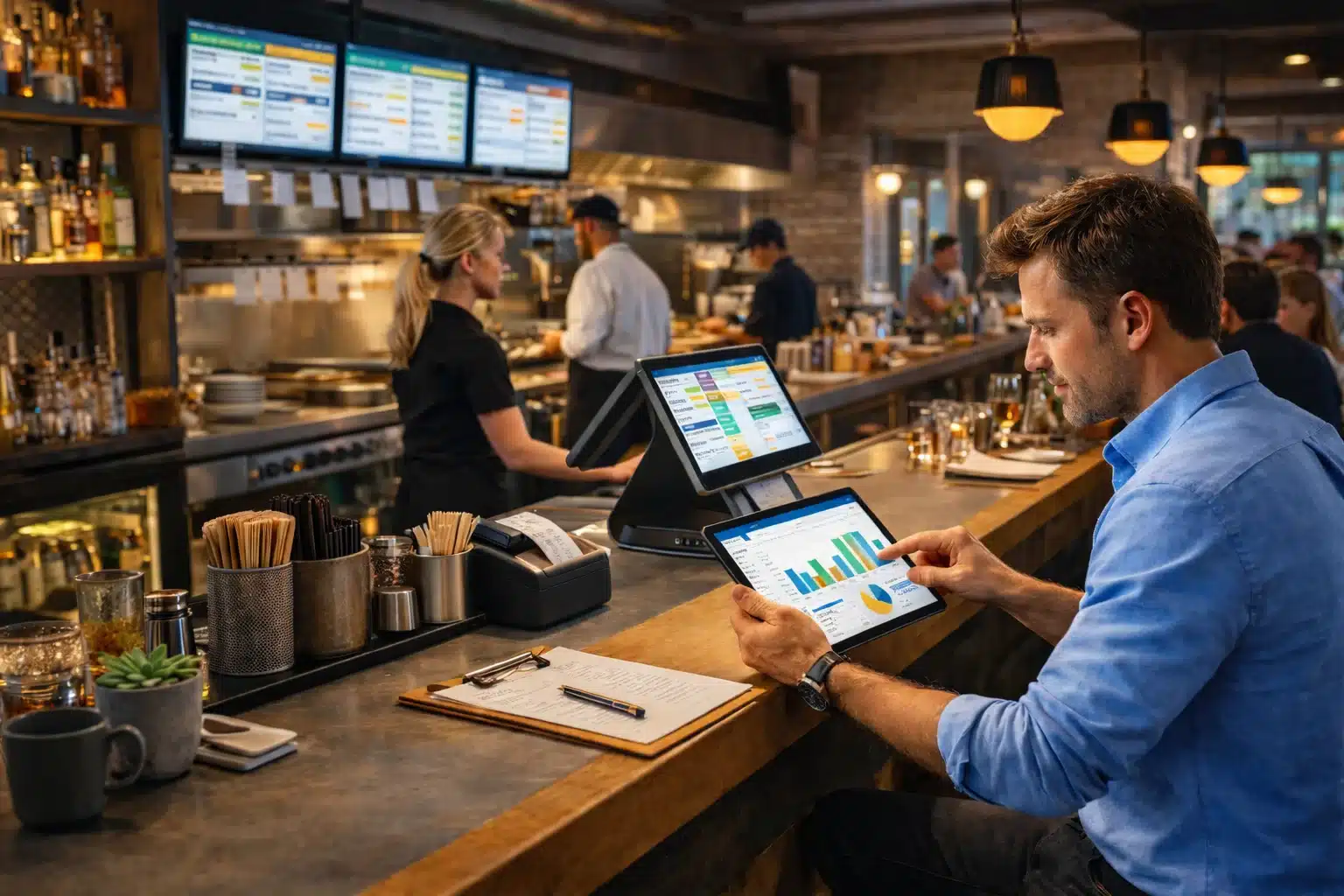
Modern POS systems allow fast updates across all menus. Prices, combos, and family platters stay consistent. When you design a family-friendly restaurant menu, flexibility supports growth.
Reduced errors improve order accuracy, which directly affects family satisfaction.
Efficient systems support smoother daily operations.
Supporting Online Ordering for Families
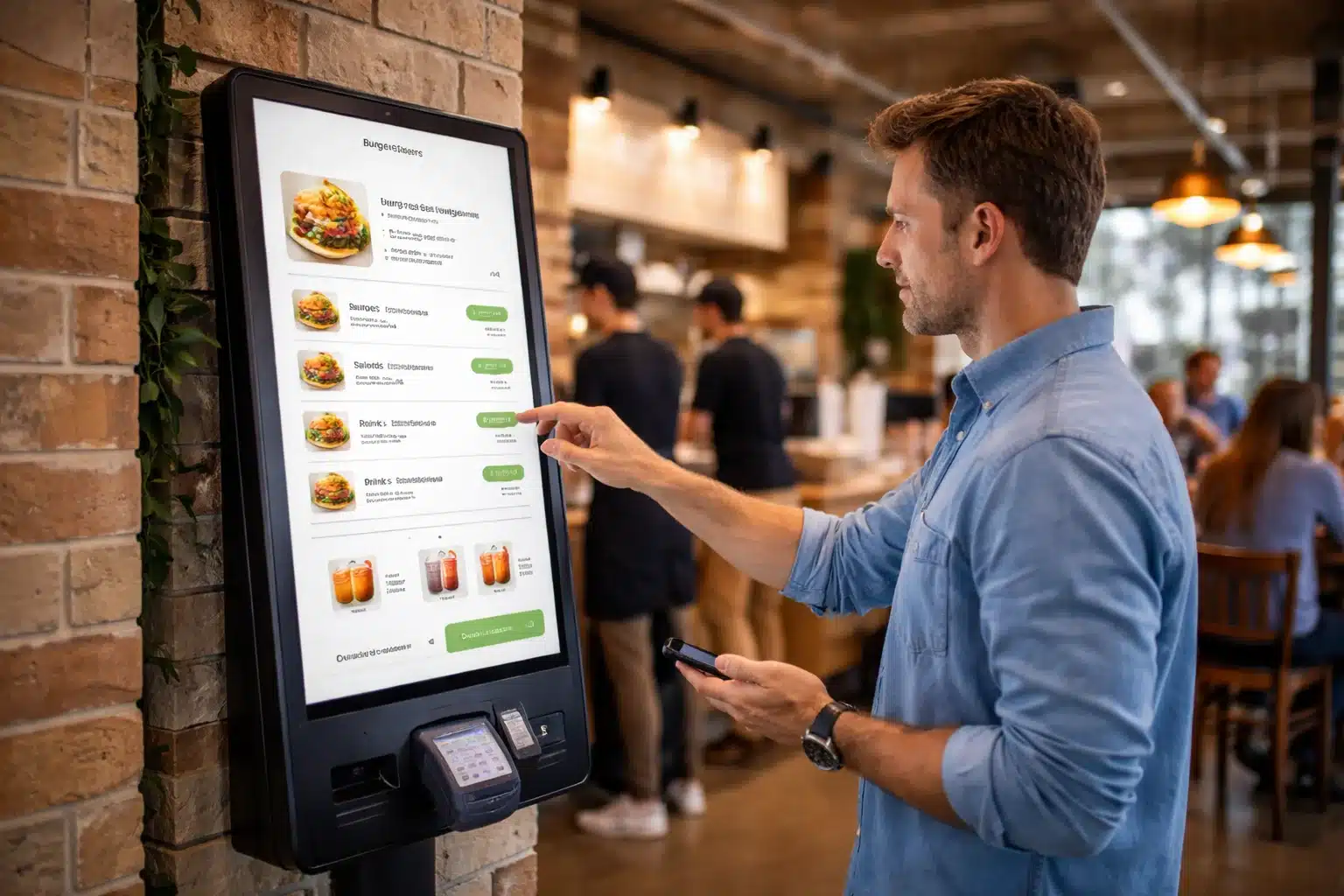
Online menus help parents plan ahead and reduce pressure during visits. Visual clarity lowers mistakes. When you design a family-friendly restaurant menu, online access improves convenience.
Pre-ordering saves time and supports busy schedules.
Consistency across channels builds trust.
Using Data to Improve Menu Performance
Sales data reveals which kid-friendly meals perform best. When you design a family-friendly restaurant menu, insights guide smart adjustments.
Tracking trends reduces guesswork and improves profitability.
Data-driven decisions lead to better long-term results.

Restaurants looking to simplify menu management often choose Biyo POS. Biyo POS supports customizable menus, combo meals, family platters, and online ordering. It helps restaurants adapt quickly while maintaining consistency. You can schedule a call to explore features or sign up here to get started.
Frequently Asked Questions
What makes a restaurant menu family-friendly?
A family-friendly menu offers kid-friendly meals, balanced nutrition, clear pricing, simple flavors, and flexible options that reduce stress for parents.
How many kids meals should a family menu include?
Most family restaurants succeed with five to eight kid-approved meals that offer variety without overwhelming families.
Is nutritional transparency important for families?
Yes, parents value clear information that helps them make confident choices without feeling judged.
How often should a family-friendly menu be updated?
Seasonal updates work best while keeping core favorites consistent.
Can technology improve the family dining experience?
POS systems and online menus streamline ordering, customization, and consistency, which families appreciate.