In today’s dynamic food industry, menu flexibility has become essential for restaurants aiming to meet diverse customer needs and stay competitive. More than just offering a list of dishes, menu flexibility allows eateries to adapt their offerings with customizable dishes, dietary accommodations, and seasonal ingredients.
This approach not only enhances customer satisfaction but also empowers chefs to express creativity and respond to changing market trends quickly. Whether it involves ingredient substitutions, build-your-own meal options, or allergy-friendly choices, embracing menu flexibility ensures that every diner can enjoy tailored meals designed for their preferences and dietary requirements.
As customer expectations evolve and food trends shift rapidly, restaurants that embrace adaptable menus are better positioned to attract new diners, maintain loyalty, and increase long-term profitability.
Table of Contents
- The Importance of Menu Flexibility in Modern Dining
- Customization and Dietary Accommodations: Catering to Every Guest
- Seasonal Ingredients and Dynamic Menu Updates
- Chef Creativity and Adaptive Recipes
- Technology Empowering Menu Flexibility
- How Biyo POS Enhances Menu Flexibility
- FAQ
The Importance of Menu Flexibility in Modern Dining
Restaurants today face increasingly diverse customer preferences, dietary restrictions, and changing market conditions. As a result, menu flexibility has become a crucial factor in restaurant success. Flexible offerings allow establishments to provide a broader range of choices while accommodating individual needs, which ultimately improves customer satisfaction and loyalty.
Menu flexibility also supports dynamic pricing and portion adjustments, helping restaurants optimize profitability without alienating customers. For instance, offering smaller portions, ingredient substitutions, or optional add-ons allows restaurants to maintain high-quality meals while managing food costs effectively.
Ultimately, menu flexibility creates an inclusive dining experience that welcomes all guests regardless of allergies, dietary lifestyles, or personal tastes. Restaurants that adopt this approach position themselves to thrive in a constantly evolving culinary landscape.
Meeting Diverse Customer Preferences
One of the biggest advantages of menu flexibility is the ability to address diverse customer preferences. A typical group dining together today may include vegans, gluten-sensitive diners, and traditional meat eaters. Without flexible menu options, satisfying everyone becomes difficult.
Build-your-own meal concepts help solve this challenge by allowing diners to choose ingredients that match their preferences. For example, a pizza restaurant might allow customers to select crust types, sauces, and toppings. This approach appeals to both health-conscious diners seeking gluten-free options and those looking for indulgent combinations.
Flavor alternatives and ingredient substitutions also keep menus exciting. When customers see customizable options or rotating choices, they are more likely to return to try something new. This interactive dining experience strengthens the relationship between the restaurant and its customers.
Balancing Cost and Quality through Menu Adaptability
Menu flexibility also benefits restaurants financially by allowing strategic adjustments to control costs. If the price of a specific ingredient rises due to seasonal shortages, chefs can substitute similar ingredients while maintaining dish quality.
Portion customization is another effective strategy. Some diners prefer lighter meals, while others want larger servings. Offering half portions, tasting plates, or customizable add-ons allows restaurants to appeal to different appetites while reducing food waste.
Flexible menu planning also improves inventory efficiency. If a supplier delay occurs or an ingredient becomes unavailable, chefs can modify recipes quickly using available alternatives, ensuring service continues smoothly.
Encouraging Customer Loyalty and Repeat Business
Restaurants that prioritize menu personalization show customers that they value individual preferences. Whether removing an allergen or substituting an ingredient, these accommodations make diners feel respected and understood.
For example, a café that offers dairy-free milk alternatives and remembers regular customers’ preferences creates a welcoming environment that encourages repeat visits.
Offering variety through seasonal specials or customizable meals also keeps the restaurant menu exciting for returning customers.
Customization and Dietary Accommodations: Catering to Every Guest
Customization and dietary accommodations form the foundation of menu flexibility. They ensure that restaurants can meet the needs of every guest regardless of dietary restrictions or lifestyle choices.
Build-Your-Own and Special Requests
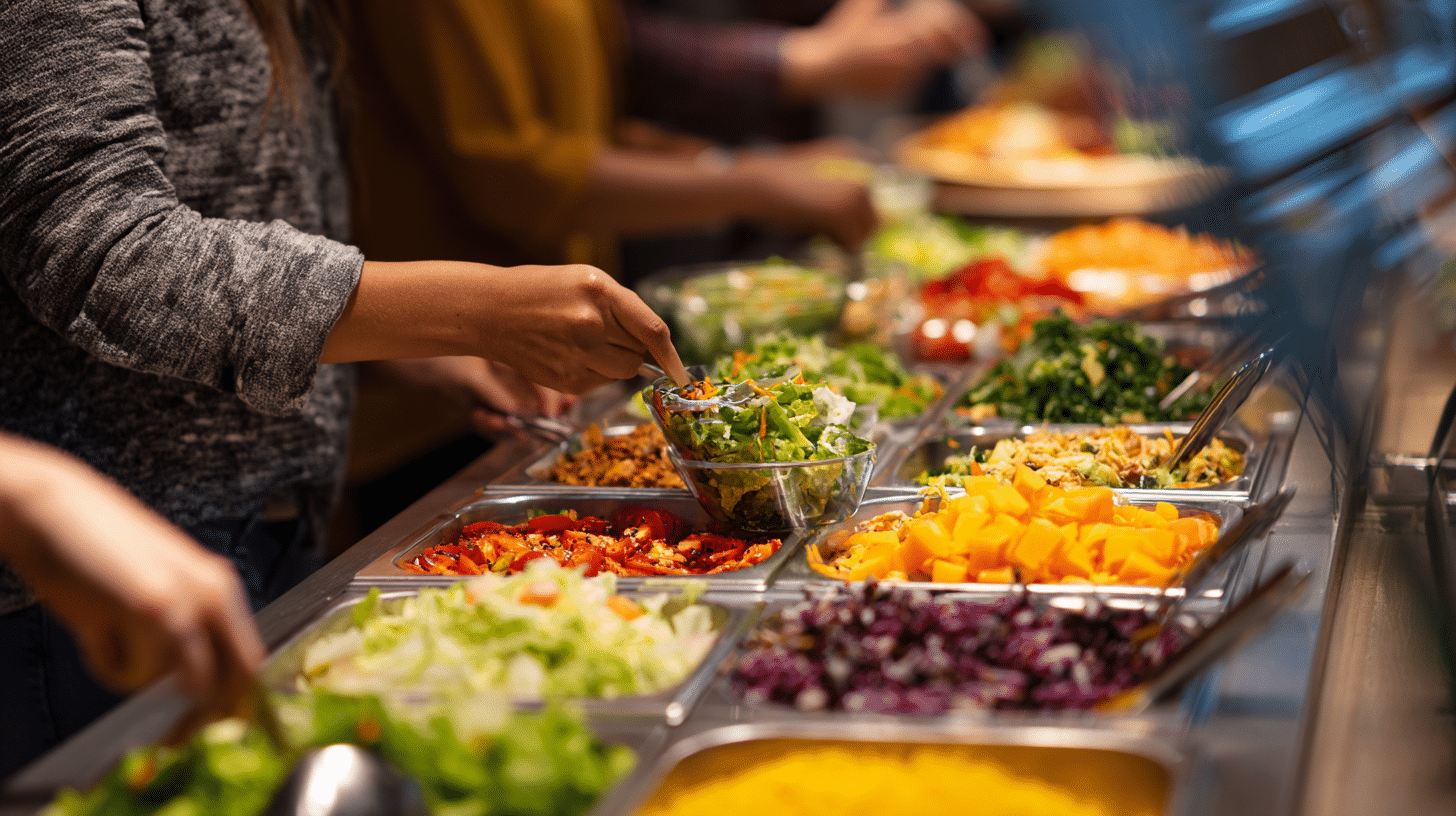
Build-your-own meal concepts turn dining into an interactive experience. Customers can create personalized dishes by selecting their preferred ingredients, which increases satisfaction and reduces waste.
Special requests extend this flexibility even further. Guests may ask for modifications such as removing onions, adding extra spice, or substituting sauces. Proper communication between servers and kitchen staff ensures these requests are handled smoothly.
Restaurants that use modern restaurant technology can manage these customizations efficiently. For example, tools built into systems like restaurant inventory planning and POS solutions allow staff to record and transmit detailed order modifications to the kitchen with accuracy.
Addressing Food Allergies and Sensitivities
Food allergies are an important concern for many diners. Restaurants that offer allergy-friendly options and transparent ingredient labeling demonstrate a strong commitment to customer safety.
Simple adjustments such as replacing peanut oil with olive oil or offering gluten-free alternatives can make dishes accessible to more guests. Staff training is equally important so servers can confidently guide diners through safe menu choices.
When customers feel safe dining at a restaurant, they are far more likely to return and recommend the establishment to others.
Creating Inclusive Menus for Diverse Diets
Beyond allergies, many customers follow lifestyle diets such as vegan, keto, or paleo. Flexible menus allow chefs to adapt dishes by removing certain ingredients or offering alternative options.
For instance, restaurants can provide plant-based burgers, vegetable-based sides, or gluten-free substitutes. These inclusive options attract health-conscious diners and broaden the restaurant’s audience.
Seasonal Ingredients and Dynamic Menu Updates
Seasonal ingredients play a major role in maintaining menu flexibility. They allow restaurants to offer fresh, flavorful dishes while keeping menus dynamic throughout the year.
Leveraging Seasonal Ingredients for Freshness and Flavor
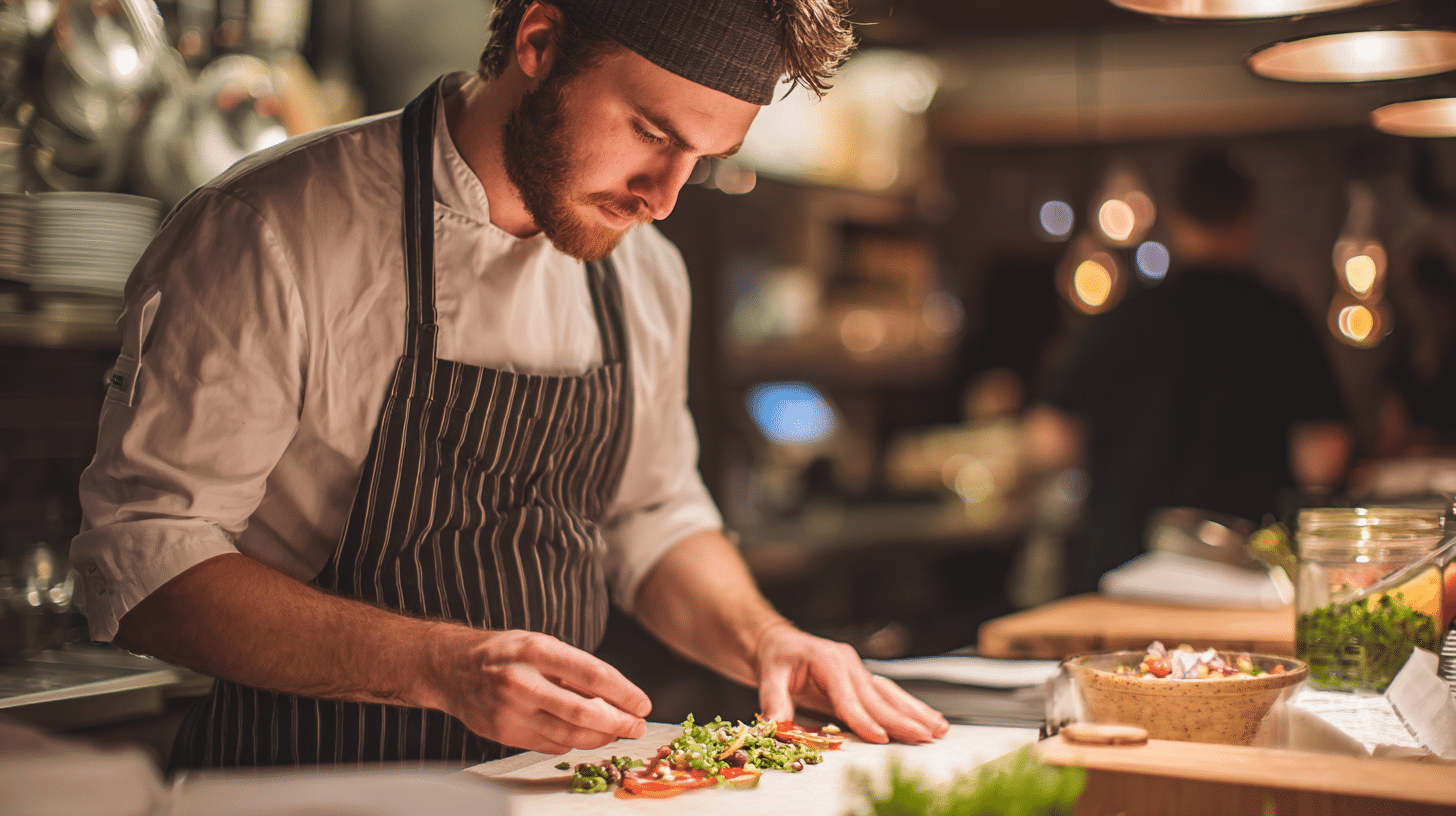
Seasonal produce is typically harvested at peak ripeness, providing better flavor and quality. Summer menus may highlight tomatoes and berries, while winter menus might feature root vegetables and hearty greens.
Flexible recipes allow chefs to swap ingredients based on availability without changing the overall concept of the dish.
Dynamic Menu Planning for Business Agility
Dynamic menu planning allows restaurants to respond quickly to changing market trends and supply conditions. If an ingredient becomes expensive or unavailable, chefs can adjust the recipe or introduce seasonal alternatives.
This agility keeps menus relevant and ensures restaurants maintain profitability without sacrificing customer satisfaction.
Managing Menu Updates Smoothly
Frequent menu updates require clear communication between management, servers, and kitchen staff. Digital tools help streamline this process by updating menus and order systems instantly.
Restaurants that leverage modern POS technology can easily update menu items and pricing while maintaining efficient service.
Chef Creativity and Adaptive Recipes
Menu flexibility encourages chefs to experiment with new flavors and ingredients while maintaining consistent quality.
Creative chefs often develop adaptive recipes that allow ingredient substitutions without compromising taste. This ensures that dishes remain consistent even when seasonal changes occur.
Customer feedback also plays a vital role in shaping menu innovation. Restaurants that listen to their customers can refine recipes, introduce new flavors, and stay ahead of food trends.
Technology Empowering Menu Flexibility
Modern restaurant technology has become a powerful tool for supporting menu flexibility. POS systems, inventory tracking tools, and analytics platforms help restaurants manage customization, pricing, and ingredient availability efficiently.
POS systems allow servers to capture detailed customization requests while ensuring kitchens receive accurate order information.
Analytics tools also help managers identify popular customizations and customer preferences. This data allows restaurants to refine menus and introduce new dishes that match customer demand.
How Biyo POS Enhances Menu Flexibility
Restaurant technology plays a vital role in enabling flexible menus, and many restaurants rely on modern POS platforms to manage customization effectively. With features designed for build-your-own meals, special requests, and dynamic menu updates, Biyo POS makes it easy for restaurants to manage flexible menus and complex orders.
The system allows staff to quickly add ingredient substitutions, portion changes, and customer preferences directly into the order workflow. These details are instantly transmitted to the kitchen, reducing miscommunication and ensuring every order is prepared accurately.
In addition to customization tools, Biyo POS includes inventory tracking and data analytics. These features help restaurants monitor ingredient usage, adapt menus based on demand, and maintain profitability. Restaurants interested in improving operations can also create a Biyo POS account to explore how flexible menu management works in practice.
FAQ
What is menu flexibility?
Menu flexibility refers to a restaurant’s ability to modify dishes, substitute ingredients, and update offerings based on customer preferences, dietary restrictions, and seasonal ingredients.
Why is menu flexibility important for restaurants?
Flexible menus improve customer satisfaction, accommodate dietary needs, reduce food waste, and allow restaurants to adapt quickly to market trends.
How do customizable menus benefit customers?
Customizable menus allow diners to select ingredients, portion sizes, and flavors that match their personal preferences and dietary requirements.
Can technology help restaurants manage flexible menus?
Yes. Modern POS systems allow restaurants to manage custom orders, track ingredient availability, and analyze customer preferences to optimize menus.
How often should restaurants update their menus?
Many restaurants update menus seasonally or quarterly. However, flexible menus allow chefs to introduce small changes frequently without disrupting kitchen operations.