Opening a bar is an exciting entrepreneurial venture that combines hospitality, creativity, and business strategy. Bars play an important role in nightlife culture, providing spaces where people gather to socialize, celebrate, and enjoy unique beverage experiences. However, starting a bar requires more than just passion for drinks and entertainment. Successful bar owners must carefully plan their concept, understand legal requirements, manage finances, and build efficient operations.
From selecting the right location to designing a compelling drink menu and managing staff effectively, every aspect of the business contributes to long-term success. Many new bar owners underestimate the importance of preparation, licensing, and operational systems. Without a solid plan, even a great concept can struggle to succeed in a competitive hospitality market.
This guide explains the essential steps involved in opening a bar, including licensing requirements, budgeting strategies, location selection, interior design considerations, staffing tips, and marketing strategies. Whether you plan to launch a neighborhood pub, cocktail lounge, or themed nightlife venue, these insights will help you build a strong foundation for your bar business.
Steps to Successfully Opening a Bar
Opening a bar requires careful planning and strategic decision-making. The first step is conducting thorough market research to understand local nightlife demand, customer preferences, and competitor offerings.
A detailed business plan should follow your research. This plan outlines your concept, startup costs, target audience, operational model, and revenue projections. Investors and lenders often require this document before providing funding.
Next, you must secure the necessary permits and licenses. Liquor licensing can be complex and often takes several months, so it should be started early in the process. At the same time, you should begin planning your bar layout, interior design, and staffing needs.
Launching strong marketing campaigns before your grand opening will help generate excitement and attract early customers.
Key Considerations When Opening a Bar
Several operational decisions will determine how efficiently your bar runs. One of the most important is the bar layout. A well-designed bar ensures bartenders can prepare drinks quickly while maintaining smooth customer service.
Inventory management is another major factor. Alcohol stock must be tracked carefully to prevent waste and reduce costs. Implementing digital systems for inventory tracking and sales reporting helps maintain operational control.
You should also define your bar’s concept clearly. Some common concepts include sports bars, craft cocktail lounges, wine bars, themed nightlife venues, or casual neighborhood pubs.
Essential Licenses and Permits for Opening a Bar
The most critical license for any bar is a liquor license. This permit legally allows you to sell alcoholic beverages. The cost and approval process vary by state and local regulations.
Additional permits may include:
- Business registration license
- Health and sanitation permits
- Fire safety inspections
- Entertainment permits for live music
- Outdoor seating permits
Understanding local regulations early helps avoid costly delays during the opening process.
How to Choose the Perfect Location for Your Bar
Location is one of the most important factors influencing a bar’s success. Areas with strong nightlife traffic such as downtown districts or entertainment zones often generate higher customer flow.
Demographics also matter. Understanding the age, income level, and lifestyle of local residents helps determine whether your bar concept fits the neighborhood.
Parking availability and proximity to public transportation also influence customer convenience and safety.
Budgeting and Financing Tips for Opening a Bar
Opening a bar can require significant capital investment. Typical startup expenses include rent deposits, renovations, furniture, bar equipment, alcohol inventory, staff hiring, and marketing campaigns.
Common funding sources include bank loans, hospitality investors, personal savings, and small business grants.
Maintaining healthy cash flow during the early months is essential because bars often take time to reach profitability.
Designing the Interior for Your New Bar
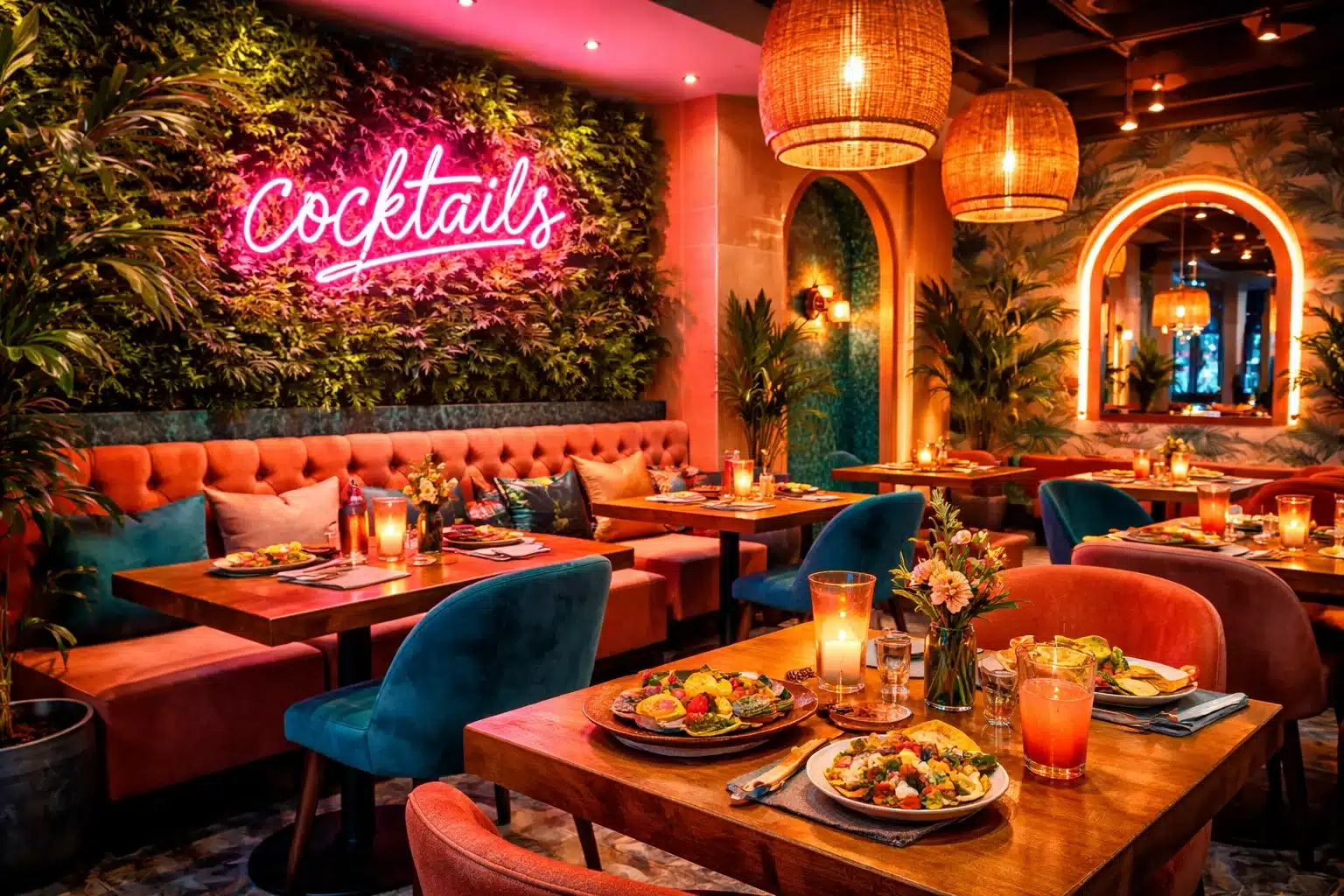
The interior design of your bar shapes the overall customer experience. Lighting, music, seating layout, and décor should reflect your concept and create an inviting atmosphere.
Proper bar counter placement and efficient bartender workspace help improve service speed and reduce staff fatigue.

How to Create a Winning Bar Menu
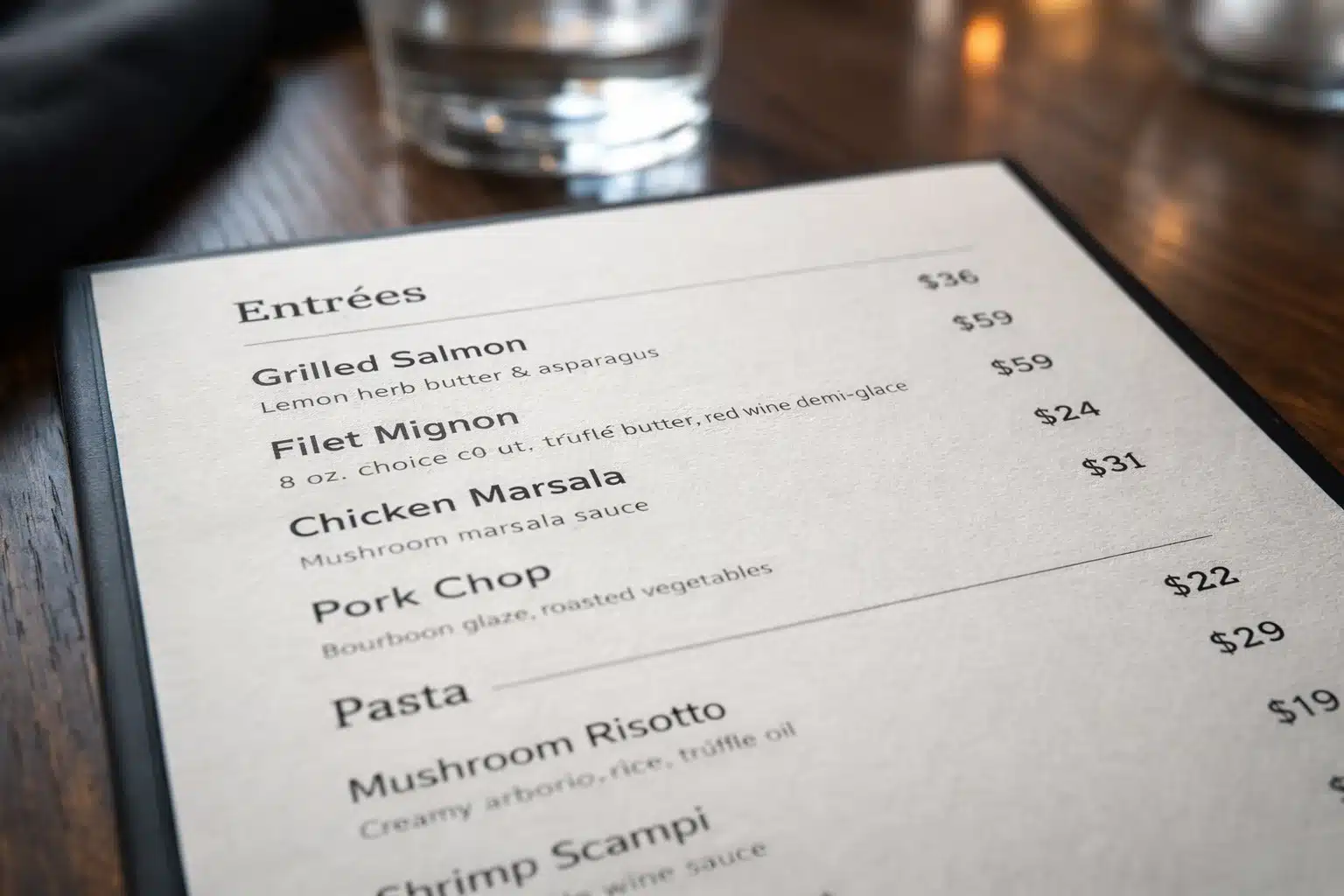
A strong bar menu should offer variety while maintaining profitability. Include beer, wine, spirits, and signature cocktails that align with your brand identity.
Adding small plates or bar snacks can increase average spending per customer while enhancing the overall experience.
Essential Bar Equipment Checklist
Every bar requires specialized equipment to operate efficiently.
- Commercial refrigerators
- Ice machines
- Glassware and cocktail tools
- Draft beer systems
- POS system
- Liquor storage racks
- Bar sinks and sanitation equipment
Marketing Strategies for Opening a Bar
Successful bars invest heavily in marketing and branding. Social media campaigns, influencer partnerships, and event promotions help attract customers.
Hosting grand opening events, trivia nights, live music performances, and happy hour specials can also increase foot traffic.
Staffing Your Bar: Hiring Tips and Best Practices
Hiring experienced bartenders and service staff improves service quality and customer satisfaction. Staff should be trained in drink preparation, responsible alcohol service, and POS system usage.
Legal Requirements and Compliance for Opening a Bar
Bars must comply with alcohol service laws, wage regulations, and health safety codes. Maintaining proper documentation and conducting regular inspections ensures legal compliance.
Bar Profitability and Revenue Strategies
Bars typically achieve high profit margins on alcoholic beverages. Creative cocktails, premium spirits, and specialty drinks often generate strong revenue.
Additional revenue streams include private events, catering services, ticketed entertainment, and branded merchandise.
How Biyo Helps Bar Owners Manage Operations
Managing a bar involves tracking drink orders, payments, staff schedules, and inventory levels. Using a modern POS platform like Biyo POS allows bar owners to centralize these operations into one system.
Biyo POS helps bar owners monitor sales in real time, track liquor inventory automatically, and generate detailed reports that highlight best-selling drinks and peak service hours.
Entrepreneurs interested in improving operational efficiency can also schedule a demo with the Biyo POS team to explore how cloud-based POS tools simplify bar management.
Frequently Asked Questions
How much does it cost to open a bar?
Opening a bar typically costs between $100,000 and $500,000 depending on location, renovations, equipment, and licensing.
How long does it take to open a bar?
Most bars take six months to one year to launch due to licensing approvals and renovations.
What licenses are required to open a bar?
Liquor licenses, business registrations, health permits, and safety inspections are typically required.
What type of bar is the most profitable?
Profitability varies by market, but sports bars, cocktail lounges, and neighborhood pubs are commonly successful formats.
Why do bars need a POS system?
A POS system helps manage orders, payments, inventory, and reporting, allowing bar owners to run operations efficiently.