
Per-plate pricing has become a cornerstone strategy for restaurants and event caterers striving to achieve a balance between clear guest billing and effective cost control. Unlike fixed cost or à la carte pricing, per-plate pricing charges guests based on the single serving price of each plated meal, which reflects the exact cost and value of the dish served. This method offers transparency to customers and flexibility to caterers, allowing both parties to understand exactly what is being paid for. For example, in event catering, a bride and groom may select multiple entrée options—chicken, beef, or vegetarian—each with a distinct per-plate price, ensuring that the cost reflects guest choices rather than a flat fee. As a result, per-plate pricing supports precise food cost analysis, enhances profit margins, and simplifies budget management, making it an indispensable tool in modern menu pricing strategy.
Table of Contents
- Understanding Per-plate Pricing
- Benefits of Per-plate Pricing
- Implementing Per-plate Pricing in Event Catering
- Comparing Per-plate and Per-head Pricing Models
- Tools and Tips for Price Optimization
- About Biyo POS
- FAQ
Understanding Per-plate Pricing
To appreciate why per-plate pricing is increasingly favored, it is crucial to understand its defining features and how it contrasts with other pricing models. At its core, per-plate pricing means assigning a specific cost to each plated meal served to guests. This single serving price is calculated by carefully analyzing the portion cost, preparation time, ingredient expenses, and overheads tied to that particular dish.
What Is Per-plate Pricing?
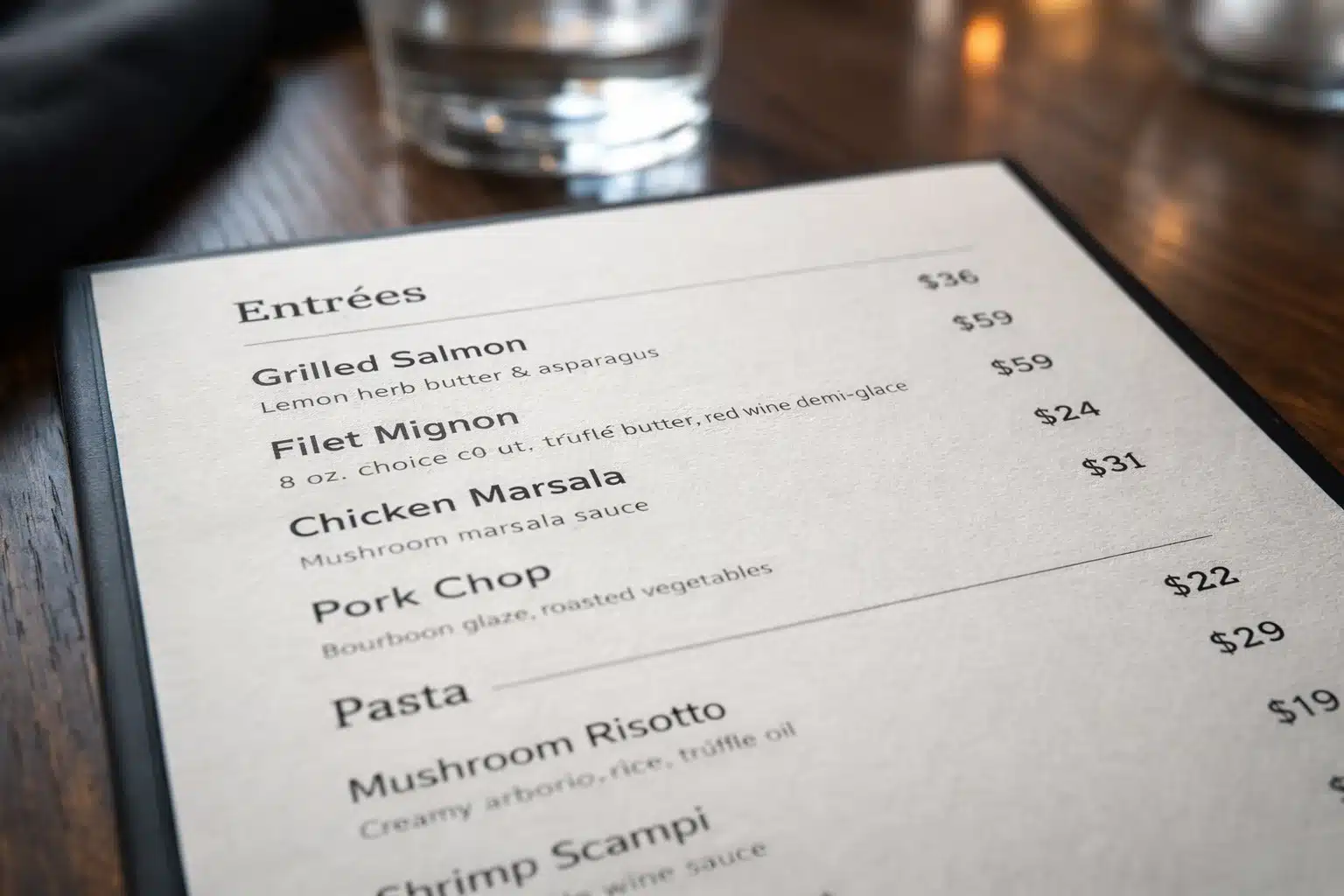
Per-plate pricing charges customers individually for the specific plated meal they receive, rather than grouping charges into a fixed cost or charging à la carte prices without portion consideration. For example, at a corporate dinner, some guests might order a grilled salmon dish priced at $35 per plate, while others choose a vegetarian pasta priced at $25 per plate. Each guest’s bill reflects their choice, resulting in clear itemized billing and more precise cost recovery for the caterer.
This method supports price transparency, giving guests a clear understanding of how their meal choices impact the total cost. Unlike buffet or set menu pricing, where all guests pay the same regardless of consumption, per-plate pricing avoids situations where guests might feel overcharged or undercharged based on their meal selection.
Moreover, per-plate pricing enables caterers to better manage their menu pricing strategy by tailoring prices to reflect ingredient quality and preparation complexity. For instance, a steak entrée involving premium cuts and elaborate cooking techniques will naturally command a higher single serving price than a simpler chicken dish. This differentiation helps maintain a healthy profit margin and avoids cross-subsidization where expensive items are underpriced or cheaper items are overpriced.
Key Components of Per-plate Pricing
Several key components underpin effective per-plate pricing. Food cost analysis is fundamental—this involves calculating all ingredient costs, including portions, waste, and preparation overhead. By understanding the exact cost of each portion, caterers can set prices that cover expenses and deliver profit.
Another vital aspect is pricing tiers. Menus often categorize dishes into standard, premium, and luxury tiers based on cost and complexity. This tiered structure helps caterers craft catering packages with clear pricing levels, enabling clients to choose options fitting their budget without confusion. For example, a set menu pricing could offer three tiers: chicken at $28, seafood at $38, and steak at $48 per plate.
Lastly, itemized billing completes the per-plate pricing puzzle. An invoice listing every plated meal with its price ensures transparency for clients and simplifies payment reconciliation. This also builds trust, especially at large events where multiple meal options exist, because every guest pays only for their selected plate rather than a blanket fee.
Per-plate Pricing Versus Other Models
Comparing per-plate pricing with other common models—fixed cost and à la carte—highlights its unique advantages. Fixed cost pricing involves charging a flat fee per guest regardless of meal choice. While simple for budgeting, it lacks flexibility and can result in lost revenue or dissatisfaction if guest consumption varies widely.
À la carte pricing charges separately for each menu item, but often without regard to portion cost or meal complexity. This can lead to inconsistent margins and unpredictable revenues for caterers.
Per-plate pricing bridges these gaps by tying price directly to portion cost and meal complexity. It provides the predictability of fixed cost pricing while retaining the customization and fairness of à la carte. For event catering, this means smoother logistics and happier clients who understand exactly what they pay for.
Benefits of Per-plate Pricing
Per-plate pricing offers multiple advantages that benefit caterers, restaurant operators, and guests. It enhances cost control, allows for price optimization, and ensures fairness and transparency in guest billing.
Enhanced Cost Control
One major benefit of per-plate pricing is the ability to exert granular cost control. Since each plated meal is assigned a precise single serving price derived from detailed food cost analysis, caterers can track expenditures with greater accuracy. For example, if a particular entrée consistently causes the overall food cost to exceed budget, the caterer can investigate—perhaps the supplier has raised prices, or portion sizes are larger than necessary.
This knowledge enables swift action such as negotiating with suppliers, adjusting portion sizes, or reformulating recipes to reduce ingredient costs without compromising quality. Additionally, better cost control reduces waste since purchasing aligns more closely with actual consumption patterns.
Smaller catering companies especially benefit from this, as tight budget management can be the difference between profit and loss. Meanwhile, large-scale caterers use per-plate pricing data to optimize inventory purchasing and forecasting, thereby minimizing spoilage and stockouts. As a result, the entire operation becomes more efficient and sustainable.
Increased Profit Margin Through Price Optimization
Per-plate pricing provides the flexibility to optimize prices based on market demand and food cost fluctuations, directly impacting profit margins. For instance, a catering business might introduce a new seafood dish at a premium price tier because seafood prices have risen or demand has increased.
Alternatively, if a popular dish has a low profit margin due to ingredient cost spikes, the caterer can raise its single serving price or adjust portioning. Since prices are assigned per plate, changes can be isolated to specific items without disturbing the entire menu or package pricing.
This agility helps businesses remain competitive and profitable even in volatile markets. Also, tiered pricing models allow offering budget-friendly options alongside premium plates, broadening appeal without eroding overall revenue. With continuous food cost analysis and menu adjustments, per-plate pricing supports a dynamic, responsive approach to pricing.
Clear and Fair Guest Billing
Guests appreciate transparency and fairness, and per-plate pricing delivers both by reflecting actual meal choices in billing. Unlike buffet or flat fee pricing where guests pay the same regardless of consumption, per-plate pricing ensures individuals pay only for what they order.
This clarity reduces billing disputes and improves guest satisfaction, especially at large events with multiple entrée choices. For example, at a wedding, guests selecting the premium steak pay a higher per-plate price, while those choosing vegetarian options pay less. Event planners can then provide itemized invoices that detail charges per guest, simplifying reconciliation and payment collection.
Moreover, transparent billing enhances perceived value, as guests understand the pricing rationale and feel confident about their spending. This trust can translate to positive reviews, repeat business, and stronger client relationships for caterers and venues.
Implementing Per-plate Pricing in Event Catering
Transitioning to or starting with per-plate pricing in event catering requires careful design of menus, pricing models, and billing processes to ensure smooth operation and client satisfaction.
Designing a Per-plate Menu
The foundation of per-plate pricing lies in an intelligently designed menu that balances cost, appeal, and operational feasibility. Caterers must analyze ingredient costs and portion sizes meticulously to set accurate single serving prices. For example, a dish with expensive seafood must reflect those costs without alienating clients through excessive pricing.
Menus are often organized into pricing tiers—standard, premium, and luxury—offering guests a choice according to budget and preference. This structure simplifies budget management for clients and streamlines kitchen operations by limiting excessive menu complexity.
When designing a menu, caterers also consider special dietary needs, ensuring vegetarian, gluten-free, or allergy-sensitive dishes have their own pricing that factors into portion cost. This approach maintains accuracy and fairness in pricing while broadening appeal.
Pricing Models and Billing Processes
Event caterers can implement per-plate pricing in various ways, such as flat price per plate with add-ons or fully itemized billing by guest choice. Itemized billing is often preferred for transparency and detailed cost tracking, allowing each guest’s bill to reflect their meal selection accurately.
For example, at a corporate event, billing software can generate invoices listing every plated meal and corresponding price, easing client reconciliation and simplifying payment collection.
Alternatively, hybrid models combine fixed base fees with per-plate charges for selected premium dishes, balancing budgeting predictability and customization. Regardless of model, clear communication with clients about pricing structure, inclusions, and exclusions is vital to avoid confusion and ensure satisfaction.
Managing Guest Choices and Special Requests
Managing individual guest selections and special requests is critical in per-plate pricing. Accurate tracking of who ordered what meal ensures correct billing and precise portion cost calculations. Efficient guest management systems or digital ordering platforms can simplify this coordination.
For instance, for dietary restrictions, caterers must assign separate portion costs to gluten-free or vegan meals and ensure they are reflected in billing. This prevents revenue loss and maintains budget accuracy.
Moreover, well-managed guest choices reduce food waste and kitchen inefficiencies, since the kitchen prepares the exact number of each plated meal required. This level of coordination supports cost control and enhances the overall event experience.
Comparing Per-plate and Per-head Pricing Models
Per-plate pricing is often compared with per-head pricing in catering and dining pricing contexts. Both have merits and serve different needs depending on event type and priorities.
Understanding Per-head Pricing
Per-head pricing charges a flat fee per guest, regardless of meal choice. This simplifies billing and budgeting, especially for buffet-style or casual events where menu variation is limited or irrelevant.
However, per-head pricing lacks precision. For example, if one guest orders an expensive seafood dish and another eats a simple salad, both pay the same. This can cause margin erosion or guest dissatisfaction, especially at high-end events.
Per-head pricing works best where speed and simplicity outweigh detailed cost control, such as festivals, large parties, or casual corporate lunches.
Advantages of Per-plate Pricing Over Per-head
Per-plate pricing offers precise cost recovery by billing according to actual consumption. This improves profit margins, supports pricing optimization, and fosters price transparency.
For example, a caterer using per-plate pricing can increase prices for premium dishes while keeping more affordable options accessible. This flexibility is impossible with flat per-head fees.
Additionally, per-plate pricing enhances guest satisfaction through itemized billing and fair charges based on meal selection, building trust and reducing disputes.
When to Choose Each Model
Choosing between per-plate and per-head pricing depends on event goals, guest expectations, and operational capabilities. Per-plate pricing fits well for weddings, corporate dinners, and formal events requiring customization and billing precision.
Per-head pricing suits large, casual events prioritizing simplicity and speed over cost granularity. Understanding these differences helps caterers and clients select the best pricing model for their needs.
Tools and Tips for Price Optimization
Optimizing pricing under a per-plate pricing strategy requires the right tools and practices to maintain profitability and customer satisfaction.
Using POS Systems for Accurate Billing
Modern POS systems like Biyo POS play a vital role in managing per-plate pricing. They automate itemized billing, track guest meal selections, and integrate inventory and sales data to provide real-time insights into food costs and profit margins.
For example, Biyo POS allows caterers to create customizable menus with pricing tiers, automatically calculate portion costs, and generate detailed invoices by guest. This reduces human errors, speeds up billing, and helps businesses optimize pricing models based on solid data.
Conducting Food Cost Analysis Regularly
Regular food cost analysis is essential to sustain profit margins. Caterers should frequently review ingredient prices, portion sizes, and recipe efficiency to identify areas for cost reduction or pricing adjustment.
For instance, a spike in meat prices might necessitate adjusting the single serving price of steak dishes or introducing alternative options. Analyzing cost trends allows businesses to respond proactively rather than reactively.
Involving kitchen staff in cost control measures, such as monitoring waste and standardizing portioning, further enhances pricing accuracy and operational efficiency.
Balancing Pricing Tiers and Guest Expectations
Effective price optimization balances business needs with guest preferences. Menus should offer varied pricing tiers that appeal to different budgets without compromising quality.
Testing different price points through seasonal menus or promotional events provides valuable feedback on guest willingness to pay. Transparent communication about pricing tiers fosters trust and helps guests choose meals aligned with their budgets.
By remaining flexible and customer-focused, businesses can maximize revenue while maintaining strong guest loyalty.
About Biyo POS
Biyo POS is a robust point-of-sale solution designed for restaurants and event caterers. It supports per-plate pricing with advanced features like customizable menus, itemized guest billing, real-time food cost analysis, and pricing tier management. Biyo POS helps businesses control costs effectively, optimize pricing models, and enhance guest billing transparency. Its user-friendly interface and powerful analytics empower caterers to succeed in the competitive dining and event market.
FAQ
What is the difference between per-plate pricing and per-head pricing?
Per-plate pricing bills guests based on the specific plated meal they select, with each dish priced individually. Per-head pricing charges a flat fee per guest regardless of meal choice. Per-plate pricing provides more accuracy and fairness, while per-head pricing simplifies billing.
How does per-plate pricing improve cost control?
Per-plate pricing links price directly to portion cost and ingredient expenses, enabling caterers to track and manage costs precisely. This reduces waste and supports efficient budget management.
Can per-plate pricing work for all types of events?
Per-plate pricing is ideal for events with multiple menu choices and a need for detailed billing, such as weddings or corporate dinners. For large casual events, per-head pricing might be more practical.
How can technology support per-plate pricing?
POS systems like Biyo POS automate itemized billing, track guest meal choices, and integrate food cost data to help caterers optimize pricing and reduce errors.
Is per-plate pricing more expensive for guests?
Not necessarily. Per-plate pricing ensures guests pay fairly for their chosen meals and offers flexible pricing tiers, which can accommodate various budgets.