There’s something truly special about cooking with seasonal ingredients. When you choose produce that is harvested at its peak, you get unmatched flavor, better nutrition, and a deeper connection to local ecosystems. Seasonal ingredients reflect nature’s natural cycles, offering a vibrant variety of fruits, vegetables, and herbs that inspire creativity in the kitchen. Whether it’s crisp spring asparagus, juicy summer berries, or hearty autumn squash, using seasonal ingredients ensures that every meal bursts with freshness and quality.
Table of Contents
- Why Seasonal Ingredients Matter
- Local Sourcing and Sustainable Farming
- Maximizing Flavor and Quality with Seasonal Recipes
- Navigating Ingredient Availability and Market-Fresh Options
- Embracing Seasonal Food Trends for Regional Menus
Why Seasonal Ingredients Matter
Understanding why seasonal ingredients hold such an important place in culinary traditions helps us appreciate the value of fresh produce. When food is harvested during its natural season, it reaches its flavor peak and delivers maximum nutrition. Eating in harmony with harvest time not only enriches the palate but also promotes healthier eating habits.
The Flavor Peak of Seasonal Ingredients
Seasonal ingredients offer flavor profiles that are simply unmatched. When fruits and vegetables are picked at their peak, the sugars, acids, and natural compounds have fully developed. For instance, tomatoes harvested in summer taste rich and sweet, whereas out-of-season tomatoes often lack depth and freshness. The taste difference is striking because seasonal ingredients have had the time and conditions they need to mature naturally.
In-season vegetables and seasonal fruits deliver vibrant textures and aromas that inspire culinary creativity. Imagine biting into a perfectly ripe peach in mid-summer—the juiciness and aroma are intense compared to a peach shipped halfway across the world. The natural ripening process ensures that flavor compounds fully develop, providing a sensory experience that elevates every dish.
Cooking with seasonal ingredients means you can let these bold flavors shine without heavy seasoning. For example, a simple salad of fresh spring peas, lightly tossed with olive oil and mint, can taste extraordinary because the ingredients are at their flavor peak. This natural intensity helps create memorable meals that celebrate the best nature offers.
The Nutritional Benefits of Seasonal Produce
Beyond flavor, seasonal ingredients are nutritionally superior because they are harvested at the right time and consumed fresh. Nutrients such as vitamin C, folate, and antioxidants degrade quickly once produce is picked. Therefore, eating foods in season often means you are consuming them closer to the harvest, preserving their nutrient content.
For example, leafy greens like spinach and kale harvested during their peak seasons provide higher levels of iron and vitamins than out-of-season varieties stored for extended periods. Additionally, fruits like berries have more potent antioxidant properties when freshly picked during summer harvests. These compounds help protect the body from oxidative stress and inflammation.
Incorporating seasonal ingredients into your diet supports a wide range of nutrients across the year. As different crops come into season, you naturally cycle through vitamins and minerals, promoting balanced nutrition. This variation encourages healthier eating habits and reduces reliance on supplements.
Connecting with Natural Cycles Through Food
Seasonal ingredients help us reconnect with the earth’s natural cycles. Crop rotation, harvest time, and natural growing rhythms dictate when certain foods are available. By aligning our eating habits with these natural cycles, we support sustainable farming practices and reduce the environmental footprint of our meals.
For example, in many regions, root vegetables like carrots and beets thrive in cooler months, while leafy greens flourish in spring and summer. Farmers plan crop rotations to maintain soil health, alternating nitrogen-fixing legumes with nutrient-demanding plants. This thoughtful approach protects soil fertility and reduces the need for synthetic fertilizers.
Using seasonal ingredients also encourages the use of regional foods, which reduces transportation emissions and promotes local economies. By eating in tune with natural cycles, we foster a deeper respect for the environment and enjoy foods at their freshest and most authentic, all while supporting eco-friendly agriculture.
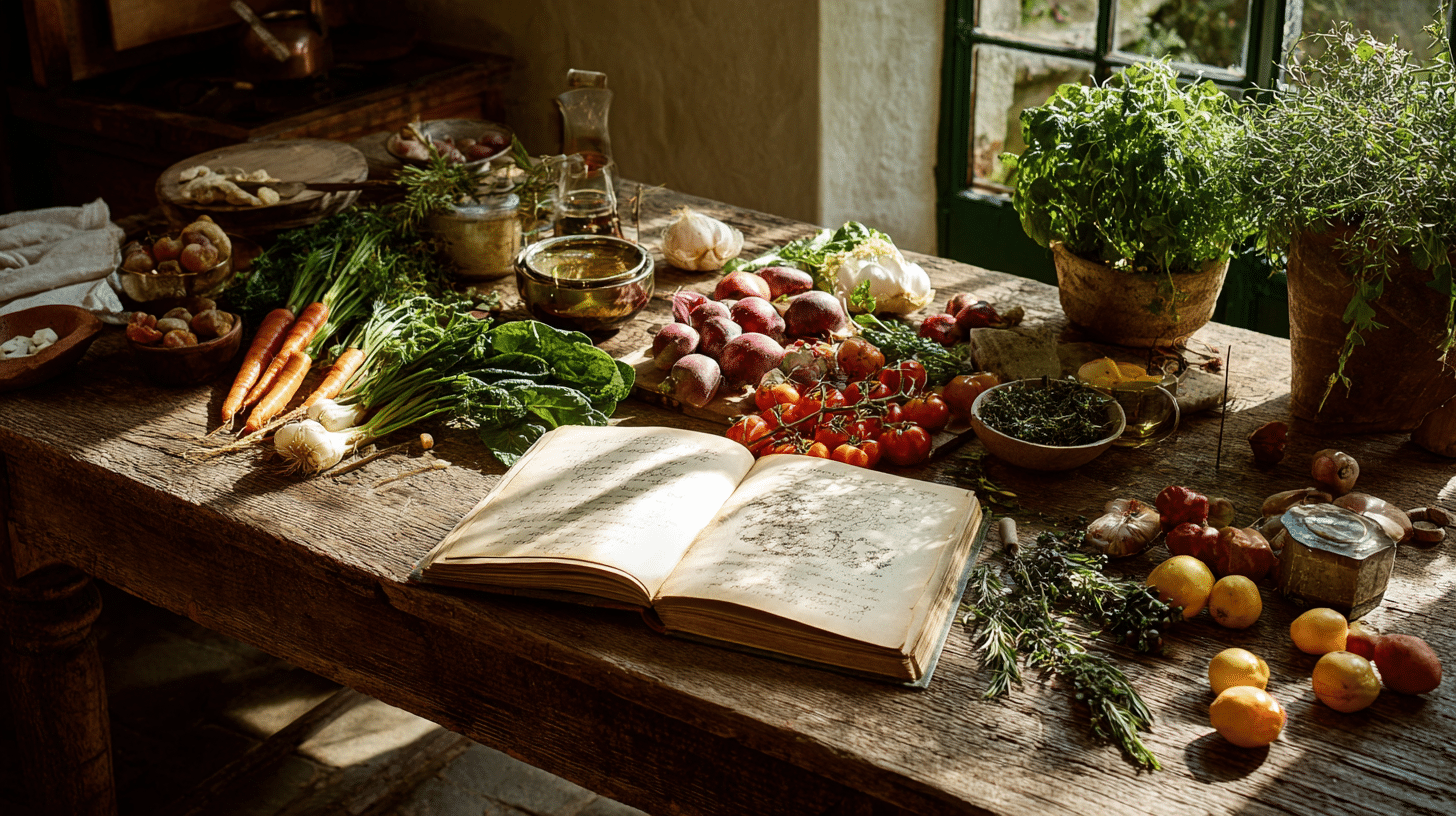
Local Sourcing and Sustainable Farming
Local sourcing and sustainable farming go hand in hand when it comes to seasonal ingredients. By prioritizing food from nearby farms and markets, consumers gain access to fresher, higher-quality produce while supporting practices that protect the environment and promote food security.
The Benefits of Farmer’s Markets and Regional Foods
Farmer’s markets are vibrant hubs where seasonal ingredients come alive. They offer direct access to growers who cultivate their crops using sustainable methods tailored to the region’s natural environment. This direct connection means you often find in-season vegetables and fruits that are fresher and more flavorful than supermarket offerings.
Regional foods carry the distinct qualities of local soil, climate, and farming traditions. For example, Pacific Northwest berries have a different taste and sweetness level compared to berries grown in other parts of the country. This diversity enriches culinary experiences and allows for ingredient variety throughout the year.
Shopping at farmer’s markets also supports small-scale farmers who use crop rotation and organic practices to maintain soil health. These markets foster transparency and community, letting consumers ask questions about growing methods and receive cooking tips. This personal interaction helps deepen appreciation for seasonal ingredients and encourages sustainable food choices.
Crop Rotation and Its Role in Sustainable Ingredient Production
Crop rotation is a cornerstone of sustainable farming that benefits seasonal ingredient production. By changing the crops grown in a particular field from season to season, farmers can prevent soil depletion and reduce pest and disease problems. For instance, planting legumes such as beans or peas replenishes nitrogen in the soil, which leafy greens and other nutrient-demanding crops require.
This practice ensures that organic vegetables and fruits remain abundant throughout the year without relying heavily on chemical fertilizers. It also supports soil biodiversity, improving structure and water retention, which contributes to healthier crops and better yields.
Farmers practicing crop rotation produce seasonal ingredients that are not only fresher and more flavorful but also grown in a way that sustains the land for future generations. This sustainable approach nurtures ingredient variety and promotes eco-friendly farming systems that benefit consumers and the environment alike.
Organic Vegetables and Sustainable Ingredients
Organic vegetables are an essential part of the seasonal ingredient movement because they often align with natural growth cycles and sustainable farming practices. Organic farms avoid synthetic pesticides and fertilizers, relying instead on natural pest control, crop rotation, and composting to enhance soil fertility.
These farming techniques yield food that is often richer in flavor and nutritional content. For example, organically grown tomatoes harvested during their natural season typically taste sweeter and have a more intense aroma compared to conventionally grown counterparts. This is partly because organic practices encourage healthier soil and reduce chemical residues on produce.
While organic vegetables might sometimes come with a higher price tag, they represent a commitment to environmental stewardship and food quality. Choosing organic seasonal ingredients means supporting farms that prioritize eco-friendly methods, conserve biodiversity, and promote sustainable ingredient availability year-round.
Maximizing Flavor and Quality with Seasonal Recipes
Seasonal ingredients inspire chefs and home cooks alike to create dishes that showcase peak freshness and vibrant flavors. Adapting seasonal recipes allows you to highlight the natural qualities of fruits and vegetables, making meals more satisfying and memorable.
Crafting Menus Around Seasonal Food Trends
Seasonal food trends help shape menus that emphasize fresh, local, and sustainable ingredients. For example, in spring, menus may feature fresh asparagus, peas, and rhubarb, while autumn might bring pumpkin, apple, and squash dishes to the forefront. These trends respond to ingredient availability and consumer interest in natural, flavorful food.
Restaurant chefs and home cooks can create seasonal menus that reflect these trends by building recipes around market fresh produce. For example, a spring salad might combine tender baby greens, peas, and a lemon vinaigrette, while a fall stew could highlight roasted root vegetables and fresh herbs.
Crafting menus this way enhances culinary freshness and allows diners to enjoy dishes that celebrate the flavor peak of seasonal ingredients. It also helps reduce food waste by focusing on what’s abundant and in harvest season.
Techniques to Enhance Culinary Freshness
Using cooking techniques that preserve and enhance the natural flavors of seasonal ingredients is key to maximizing food quality. Light methods such as steaming, roasting, or quick sautéing maintain texture and intensify flavors without overwhelming the produce.
For instance, roasting carrots with a drizzle of olive oil and a sprinkle of thyme brings out their natural sweetness while maintaining a tender-crisp texture. Steaming broccoli lightly ensures it retains its vibrant green color and nutritional value. Even simple preparations like a fresh fruit compote can highlight the juiciness and natural sugars of seasonal fruits.
Minimal seasoning often allows the ingredient’s freshness to shine. For example, a summer tomato salad with fresh basil, a pinch of sea salt, and extra virgin olive oil can be more satisfying than heavily sauced dishes. These culinary approaches respect the integrity of seasonal ingredients and provide a true taste of their peak quality.
Incorporating Ingredient Variety for Balanced Meals
Seasonal ingredients provide a rich palette of colors, textures, and nutrients, allowing for well-rounded and visually appealing meals. Including a variety of in-season vegetables and seasonal fruits promotes balanced nutrition and keeps dishes interesting.
For instance, combining leafy greens with root vegetables and fresh herbs in a salad offers multiple flavor layers and health benefits. Rotating ingredients with the seasons ensures that meals remain fresh and diverse, preventing monotony in the kitchen.
Therefore, embracing ingredient variety through seasonal ingredients can help you create wholesome, satisfying meals that nourish both body and soul.
Navigating Ingredient Availability and Market-Fresh Options
Understanding how ingredient availability changes with the seasons is key to shopping smart and cooking effectively. Market fresh options vary depending on the time of year and local growing conditions, so knowing what to expect helps you plan menus and reduce waste.
Recognizing Harvest Season Ingredients
Harvest season ingredients are those that come into abundance during specific periods, offering the best flavor and quality. For example, strawberries peak in early summer, while winter squash shines in colder months. Recognizing these windows helps consumers focus on what’s freshest and most affordable.
Seasonal menus built around harvest time naturally incorporate these peak ingredients, making dining more enjoyable. As a result, understanding the harvest calendar empowers you to shop with confidence and prioritize culinary freshness.
This knowledge also supports sustainable farming by aligning demand with natural production cycles, reducing reliance on imported or out-of-season foods.
Tips for Shopping at the Farmer’s Market
Shopping at the farmer’s market requires a different mindset than buying from a supermarket. Look for produce that is vibrant, firm, and free from bruises or discoloration. Since many items are organic or naturally grown, slight imperfections are normal but shouldn’t affect quality.
Ask farmers about their growing practices and the best ways to store and prepare seasonal ingredients. Engaging with vendors builds relationships and deepens your understanding of ingredient variety and availability.
Planning visits during peak harvest times maximizes your access to the freshest produce. Using a shopping list based on seasonal recipes also helps avoid impulse buys and food waste.
Leveraging Technology Like Biyo POS for Seasonal Ingredient Management
Modern technology, such as Biyo POS, supports food businesses and markets in managing seasonal ingredient availability efficiently. This smart point-of-sale system tracks inventory in real time, helping vendors know when certain produce is in stock or running low. By syncing data, it reduces waste and ensures customers get the freshest items.
Biyo POS also offers insights into sales trends, allowing businesses to plan seasonal menus that capitalize on market fresh ingredients. Its features include seamless payment processing, inventory alerts, and detailed reporting, making it an essential tool for farm-to-table enterprises.
For businesses aiming to promote sustainable ingredients and support local sourcing, Biyo POS streamlines operations and strengthens the connection between producers and consumers.
Embracing Seasonal Food Trends for Regional Menus
Seasonal food trends provide inspiration for crafting menus that highlight the best local and regional foods. These trends evolve as consumer preferences shift toward fresher, more sustainable options that celebrate ingredient availability and culinary freshness.
Highlighting Regional Foods in Seasonal Menus
Regional foods reflect the unique agricultural heritage and flavors of an area. Featuring these foods in seasonal menus showcases local ingredients at their best, from Pacific Northwest berries to Southern heirloom tomatoes. This focus honors tradition and encourages the use of natural cycles for ingredient variety.
Restaurant menus designed around regional seasonal ingredients often include dishes that tell a story about place and community. Diners appreciate this authenticity and are more likely to support establishments that prioritize local sourcing and sustainable farming.
Therefore, embracing regional foods in seasonal menus strengthens both culinary identity and environmental responsibility.
Adapting to Seasonal Food Trends for Customer Engagement
Customers increasingly seek out sustainable ingredients and seasonal recipes that feel fresh and relevant. Adapting to these seasonal food trends allows businesses to stay competitive by offering exciting dishes that align with consumer values.
For instance, plant-based options featuring in-season vegetables or farm-to-table specials highlight the flavor peak and eco-friendly benefits of seasonal ingredients. Seasonal promotions and themed events further engage patrons and build loyalty.
As a result, staying attuned to seasonal food trends can boost sales and elevate the dining experience by offering meals that celebrate nature’s rhythms.
Balancing Innovation and Tradition in Seasonal Cooking
Seasonal ingredients provide a foundation for both innovative and traditional cooking styles. Chefs can reinvent classic dishes by incorporating new seasonal produce or experimenting with natural flavors. This balance keeps menus dynamic and appealing.
For example, a traditional stew might be refreshed with newly harvested root vegetables, while desserts can feature seasonal fruits in creative ways. This approach respects culinary heritage while embracing the ingredient variety offered by natural cycles.
Ultimately, combining innovation with tradition through seasonal ingredients enriches the food culture and delights diners with vibrant, flavorful meals.
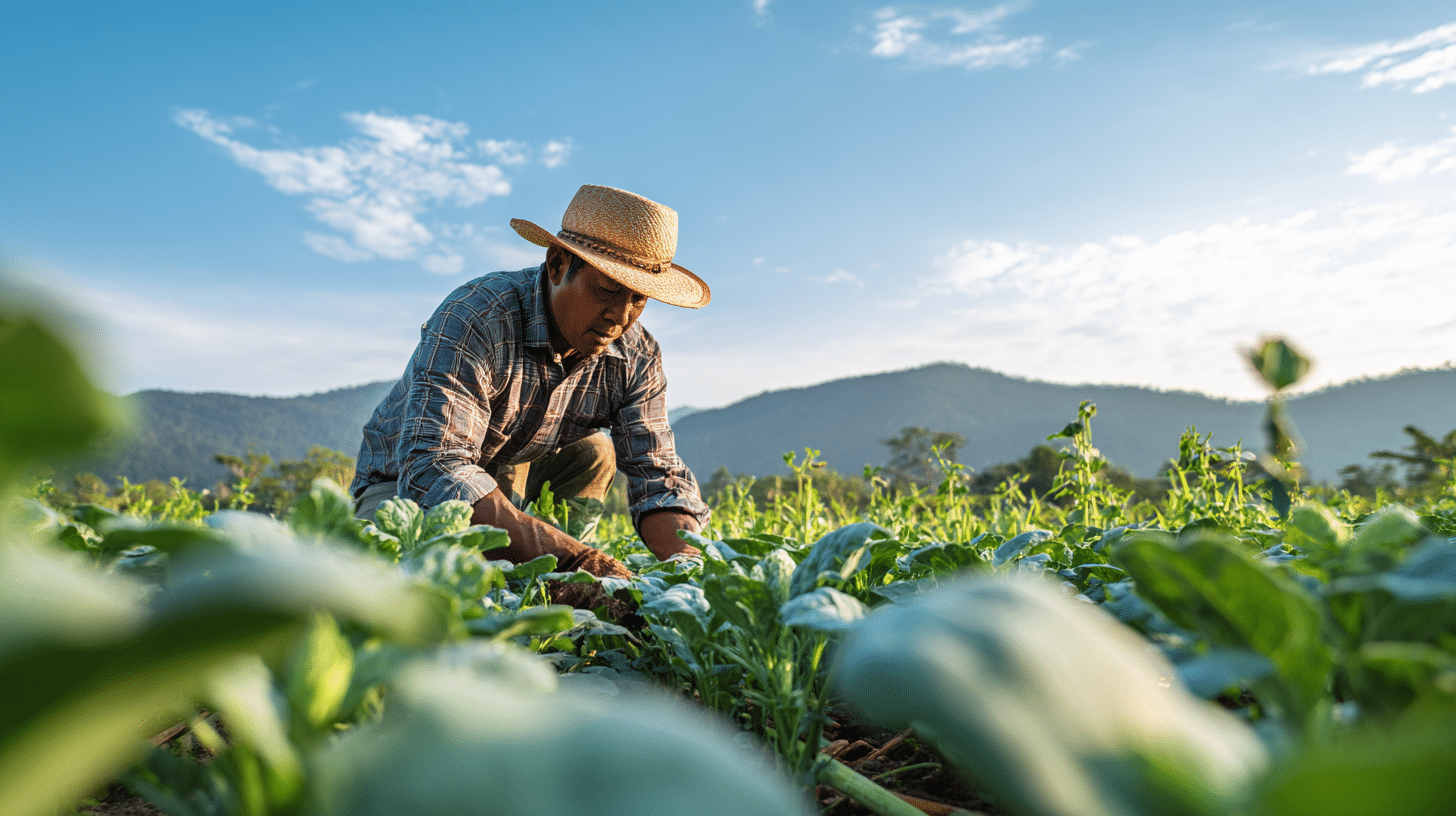
Biyo POS supports restaurants and food vendors committed to seasonal ingredients by providing powerful tools for inventory management, sales tracking, and customer engagement. With Biyo POS, businesses can seamlessly adapt to seasonal menus, reduce waste, and promote local sourcing—all while enhancing operational efficiency. This technology helps bring the farm-to-table experience to life, connecting culinary freshness with smart business solutions.
Frequently Asked Questions (FAQ)
What are seasonal ingredients?
Seasonal ingredients are fruits, vegetables, and other food items that are harvested during their natural growing season. These ingredients are at their freshest, most flavorful, and nutritionally rich during this time.
Why is cooking with seasonal ingredients better?
Cooking with seasonal ingredients ensures peak flavor, higher nutrient content, and often better food quality. It also supports sustainable farming and reduces the environmental impact of long-distance food transportation.
How can I find out which ingredients are in season?
You can check local farmer’s markets, regional harvest calendars, or use apps and websites dedicated to seasonal produce. Talking directly to local farmers also helps you discover ingredient availability.
Does using seasonal ingredients mean eating only local food?
Not necessarily, but seasonal ingredients are often locally sourced because they grow naturally in your region at certain times. Eating local is a great way to enjoy seasonal ingredients and support nearby farms.
How does Biyo POS help with seasonal ingredient management?
Biyo POS offers inventory tracking, sales analytics, and real-time updates that help businesses manage seasonal ingredient availability effectively. It supports farm-to-table operations by reducing waste and improving customer service.