Running a successful sandwich shop requires far more than simply stacking ingredients between slices of bread. Modern customers expect freshness, customization, fast service, and consistent quality every time they visit. Because of this, the modern **sandwich shop** has evolved into a sophisticated quick-service concept that blends culinary creativity with efficient operations.
Across cities and neighborhoods, sandwich delis have become popular destinations for convenient meals that still feel freshly prepared and satisfying. According to industry research from the National Restaurant Association, sandwiches consistently rank among the top lunch choices in the United States, with quick-service restaurants generating billions in annual sandwich sales. This popularity comes from the versatility of sandwiches, which can be tailored to nearly any taste preference, dietary requirement, or cultural influence.
Today’s sandwich cafes emphasize artisan bread, locally sourced ingredients, and customizable menu options that allow guests to build meals exactly the way they want them. At the same time, restaurant operators must manage high order volumes, takeout demand, and catering services efficiently to stay competitive.
This guide explores what makes a sandwich shop truly successful. From bread varieties and gourmet fillings to quick service and modern technology, you will learn how sandwich shops create memorable dining experiences while maintaining efficient operations.
Table of Contents
- Bread Varieties and Artisanal Ingredients
- Customizable Sandwiches and Gourmet Fillings
- Quick Service and Takeout Experience
- Meal Deals, Lunch Specials, and Catering Services
- The Role of Technology in Modern Sandwich Shops
- About Biyo POS
- Frequently Asked Questions
Bread Varieties and Artisanal Ingredients
The foundation of every memorable sandwich starts with bread and ingredients. A great sandwich shop understands that the bread serves as both the structural base and the flavor carrier for everything layered inside.
Modern sandwich shops often collaborate with local bakeries or bake their bread in-house to ensure freshness and quality. From crusty baguettes to soft brioche buns, bread variety allows shops to cater to diverse customer preferences while elevating the overall dining experience.
Importance of Fresh Bread in a Sandwich Shop
Fresh bread dramatically influences the quality of a sandwich. Bread that is baked daily offers a fragrant aroma, balanced crust, and soft interior that enhances every bite.
For example, a classic Italian sub typically relies on a crusty roll that absorbs oils and sauces while maintaining structural integrity. If the bread is stale or overly soft, the sandwich quickly loses its appeal.
Many artisan sandwich shops partner with nearby bakeries to source specialty breads such as sourdough, multigrain loaves, or focaccia. This collaboration not only improves product quality but also supports local businesses.
Exploring Bread Varieties and Their Impact
Bread selection allows sandwich shops to personalize meals while enhancing flavor pairings. Soft sandwich rolls provide a neutral base for deli meats, while crusty baguettes create a crunchy texture that pairs well with savory fillings.
Wraps and flatbreads are also popular options for customers seeking lighter meals or gluten-free alternatives. These portable options make sandwiches easier to enjoy on the go, which is particularly important for takeout-focused establishments.
The bread type also determines how well sauces and spreads interact with other ingredients. Dense breads like ciabatta hold heavier sauces well, while softer breads pair better with lighter spreads.
Role of Artisanal Ingredients and Local Produce
Premium ingredients can transform a basic sandwich into a gourmet meal. High-quality deli meats, fresh vegetables, and house-made sauces contribute layers of flavor and texture.
Locally sourced produce such as heirloom tomatoes, organic lettuce, and farm-fresh cucumbers adds vibrant color and freshness. Seasonal ingredients often inspire limited-time sandwich specials that keep menus exciting.
House-made spreads such as garlic aioli, chipotle mayo, and herb pesto further enhance the uniqueness of a sandwich shop’s offerings. These signature sauces often become customer favorites that distinguish one shop from another.
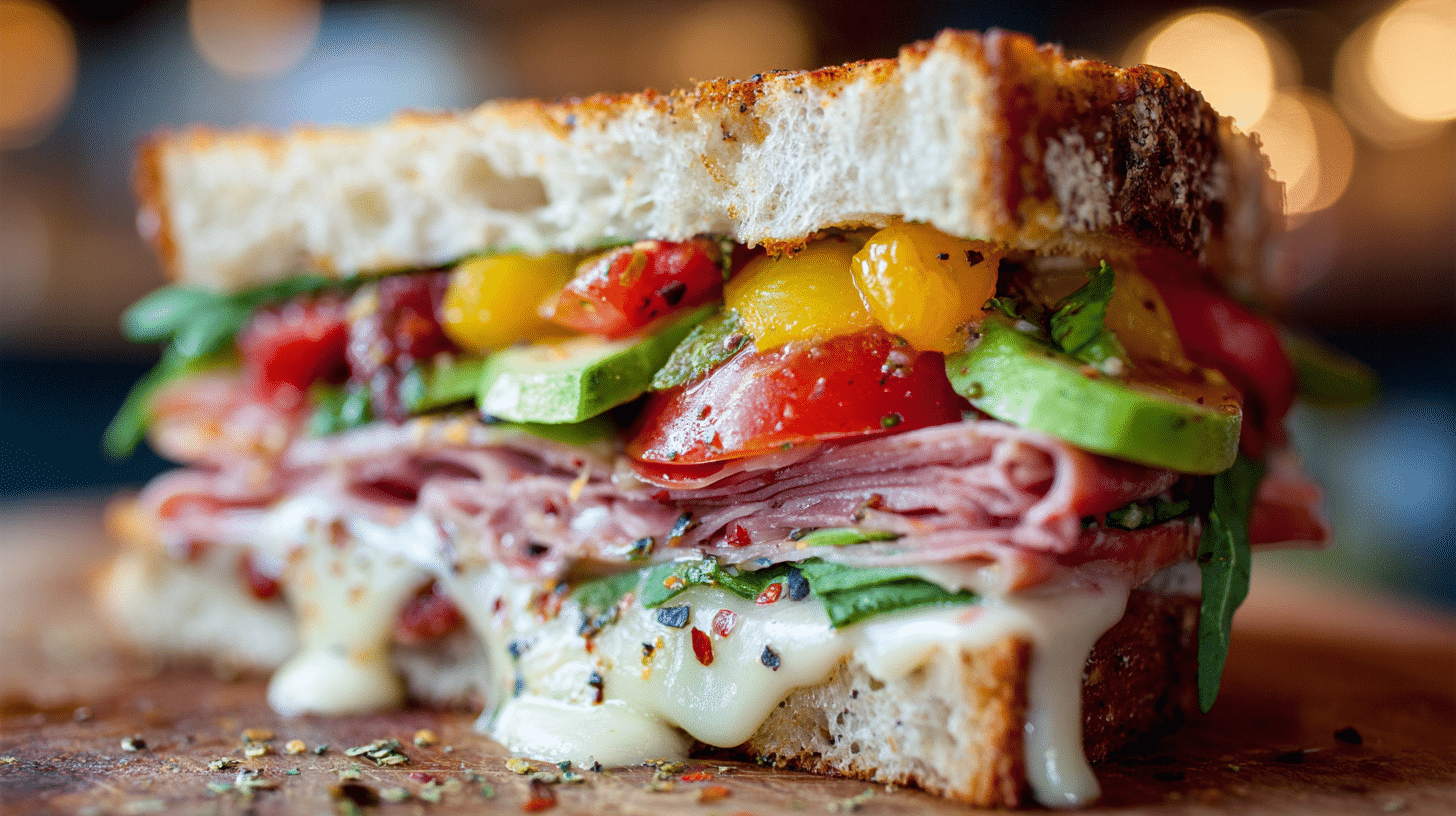
Customizable Sandwiches and Gourmet Fillings
One of the defining features of modern sandwich shops is customization. Customers enjoy having control over their meals, choosing everything from bread type to fillings and sauces.
This flexibility allows sandwich shops to appeal to a wide range of dietary preferences, including vegetarian, vegan, and gluten-free options.
Why Customization Matters to Customers
Customization allows customers to create sandwiches tailored to their tastes and dietary requirements. For example, a customer might build a sandwich with whole grain bread, roasted turkey, avocado, lettuce, and honey mustard sauce.
Others may prefer vegetarian sandwiches filled with grilled vegetables, hummus, and fresh greens.
Customization also accommodates food allergies and health-conscious diners who want to control ingredients and portion sizes.
Popular Gourmet Fillings That Delight Palates
Sandwich shops today offer a wide variety of fillings that go beyond traditional deli meats. While smoked turkey, roast beef, and ham remain popular, many shops also feature gourmet ingredients such as prosciutto, grilled chicken, or smoked salmon.
Vegetarian fillings have also become more creative. Options like roasted peppers, grilled portobello mushrooms, and marinated artichokes provide rich flavors without relying on meat.
Toasted sandwiches add another layer of appeal by melting cheese and warming ingredients for a satisfying texture contrast.
Enhancing Taste with Sauces and Spreads
Sauces and spreads play an essential role in bringing sandwich ingredients together. Popular choices include mayonnaise, mustard, pesto, hummus, and aioli.
Many sandwich shops create house-made sauces that add signature flavor to their menu items. For instance, a smoky chipotle mayo can elevate a turkey sandwich, while tzatziki complements grilled vegetables.
Offering a variety of sauces encourages customers to experiment with different combinations, making each sandwich unique.
Quick Service and Takeout Experience
Speed and convenience are critical for sandwich shops. Many customers visit during lunch breaks or busy workdays, expecting quick service without sacrificing quality.
Speed Meets Quality in a Sandwich Shop
Efficient kitchens rely on well-organized prep stations where ingredients are sliced, sauces are portioned, and bread is ready for assembly.
Prepping vegetables daily and keeping deli meats freshly sliced allows staff to build sandwiches quickly during rush hours while maintaining freshness.
Consistency in preparation ensures customers receive the same high-quality experience every visit.
Takeout and Handheld Meals for Convenience
Takeout has become a major revenue source for sandwich shops. Proper packaging helps maintain freshness while making sandwiches easy to transport.
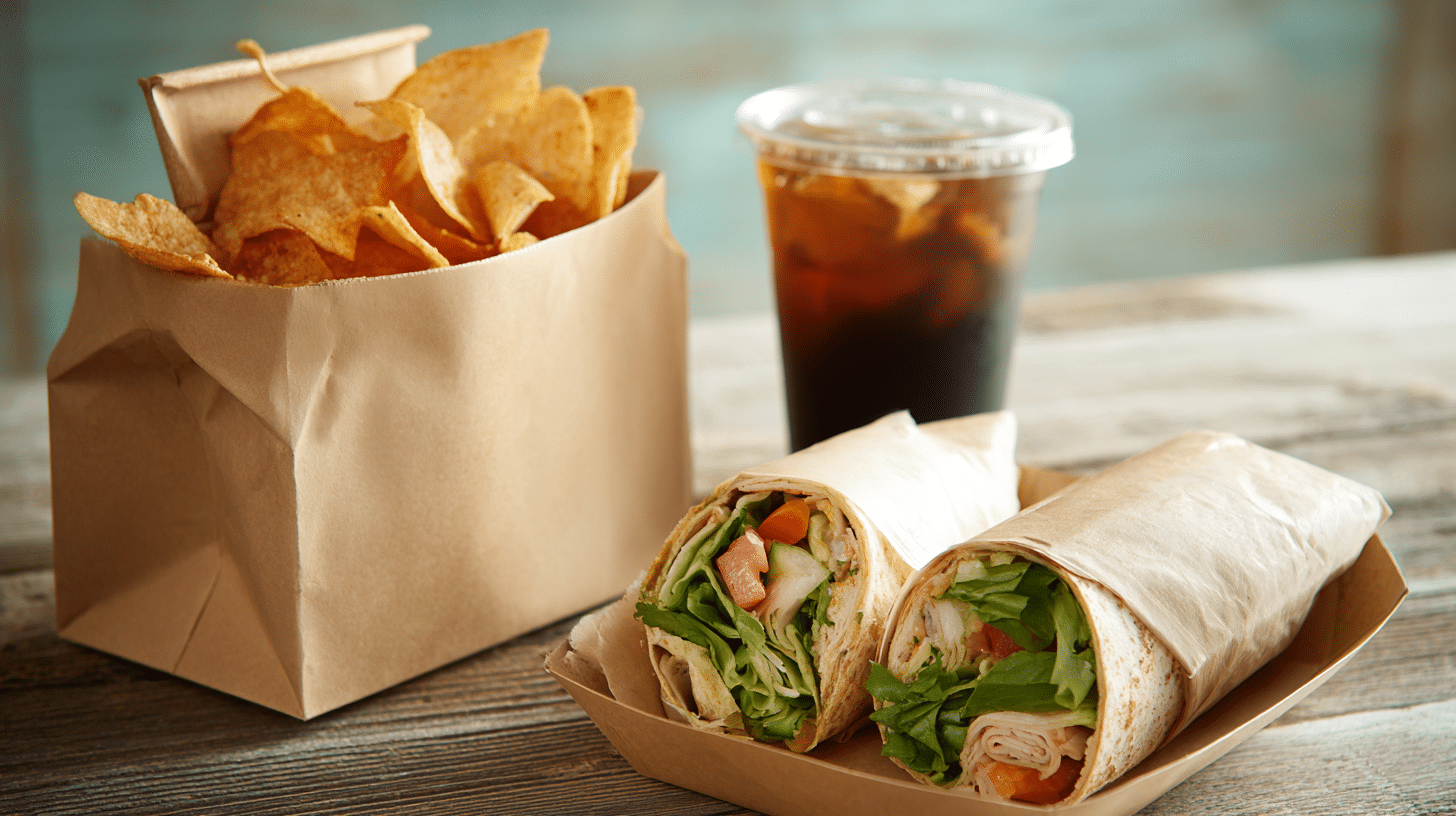
Sandwich wraps are particularly popular for takeout because their compact shape keeps ingredients secure.
Many shops also offer combo meals packaged with sides like chips or pickles, making it easier for customers to grab a complete meal quickly.
Casual Dining Atmosphere for Relaxed Enjoyment
While many customers choose takeout, sandwich shops also benefit from offering comfortable dine-in spaces.
Casual seating areas, friendly service, and welcoming decor create an inviting environment where customers can enjoy their meals at a relaxed pace.
This balance between quick service and casual dining helps sandwich shops attract both busy professionals and leisurely diners.
Meal Deals, Lunch Specials, and Catering Services
Offering value-driven promotions and catering services helps sandwich shops increase revenue and attract a wider audience.
Attractive Meal Deals to Boost Sales
Meal deals combine sandwiches with sides and beverages at a discounted price. These bundles encourage customers to purchase more items while feeling they are getting good value.
For example, a lunch combo might include a sandwich, chips, and a drink at a slightly lower price than ordering separately.
Lunch Specials That Change Daily or Weekly
Rotating lunch specials keep menus fresh and encourage repeat visits. Seasonal ingredients and creative recipes allow shops to experiment with new flavors.
Limited-time sandwiches featuring fresh produce or unique sauces often generate excitement and customer interest.
Catering Services for Events and Meetings
Catering allows sandwich shops to serve offices, events, and large gatherings. Catering menus often include assorted sandwich platters, salads, and beverages designed for easy sharing.
Efficient order management is essential for catering success. Using tools like a deli POS system helps manage large orders and coordinate preparation schedules.
The Role of Technology in Modern Sandwich Shops
Technology plays an increasingly important role in improving restaurant efficiency and customer satisfaction.
Streamlining Orders with Advanced POS Systems
Modern POS systems simplify order processing by allowing staff to quickly select bread types, fillings, sauces, and add-ons.
These systems also track inventory levels and notify staff when ingredients are running low.
Faster order processing reduces wait times and improves the overall customer experience.
Enhancing Customer Engagement and Loyalty
Loyalty programs encourage repeat visits by rewarding customers with discounts or free menu items.
Digital receipts and targeted promotions help restaurants maintain communication with their customers and promote special offers.
Supporting Growth and Catering Operations
Advanced POS systems also provide analytics that help owners track sales trends and identify best-selling items.
These insights allow sandwich shop owners to optimize menus, manage inventory, and plan marketing strategies more effectively.
About Biyo POS
Modern restaurant technology helps sandwich shops streamline operations while maintaining excellent service. Platforms like Biyo POS provide tools for managing customizable orders, tracking ingredients, and analyzing sales data.
With integrated inventory tracking and quick checkout features, Biyo POS allows sandwich shops to maintain efficient service even during busy lunch hours.
Restaurant owners interested in modernizing their operations can explore the platform further by creating an account through the Biyo POS system.
Frequently Asked Questions
What makes a sandwich shop different from a regular restaurant?
A sandwich shop focuses on quick-service meals centered around customizable sandwiches, often designed for fast preparation and takeout convenience.
Do sandwich shops usually offer vegetarian options?
Yes. Many sandwich shops offer vegetarian and vegan options using grilled vegetables, plant-based proteins, and fresh produce.
Why is fresh bread important for sandwiches?
Fresh bread improves flavor, texture, and structural integrity, making sandwiches more enjoyable and easier to eat.
Can sandwich shops provide catering services?
Many sandwich shops offer catering packages that include sandwich platters, sides, and beverages for meetings and events.
How does technology help sandwich shops operate more efficiently?
Technology such as POS systems helps streamline orders, track inventory, process payments quickly, and analyze sales data to improve restaurant operations.