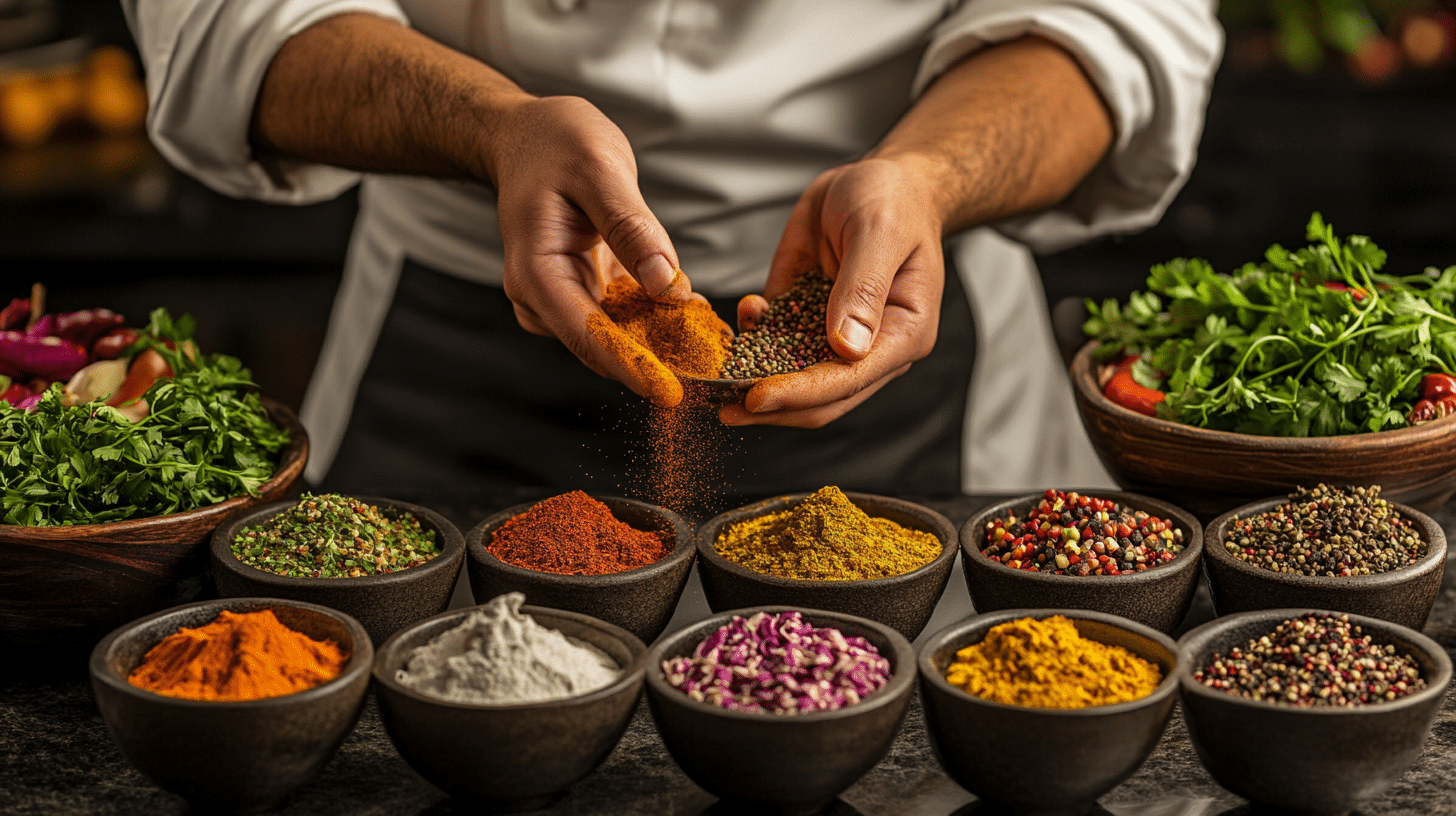

Mastering the art of seasoning is essential for any chef or home cook who wants to elevate their dishes from basic to extraordinary. The key to crafting flavorful meals lies in understanding how to balance spices, herbs, and other seasonings to create harmony in every bite. From the science behind flavor profiling to mastering spice blending techniques, this guide will walk you through the intricate process of seasoning with precision. Whether you’re preparing a simple meal or an elaborate feast, mastering the art of seasoning ensures your dishes stand out and captivate the taste buds.
Table of Contents
- Understanding the Science Behind Seasoning
- Techniques for Crafting Perfect Spice Blends
- Pairing Herbs and Spices for Optimal Flavor
- Boosting Umami: A Key Element of Seasoning
- Perfecting Seasoning Timing and Layering
- Exploring the Latest Seasoning Trends
- FAQ
Understanding the Science Behind Seasoning
The art of seasoning isn’t just about adding salt and pepper to food; it’s about creating complex layers of flavor that enhance the natural taste of ingredients. To fully understand seasoning, it’s important to delve into the science behind flavor creation. Every seasoning has a specific function and impacts different taste receptors in the mouth. For example, salt amplifies sweetness and suppresses bitterness, while acids balance richness and sweetness. The process of seasoning is, in fact, a delicate dance of activating the right taste receptors at the right time.
Flavor Profiling: The Basis of Seasoning
Flavor profiling is the foundation of any seasoning strategy. Each ingredient has a unique flavor profile, which is a combination of its taste, aroma, and texture. Understanding the flavor profile of your dish’s main components allows you to select seasonings that complement or enhance those profiles. For instance, when preparing a rich beef stew, seasonings like rosemary, thyme, and garlic can add depth to the savory flavors, while a dash of red wine vinegar introduces acidity that balances the richness.
Creating a balanced flavor profile requires knowing the primary tastes: salty, sweet, sour, bitter, and umami. Each of these tastes plays a role in how we perceive flavor, and the key is balancing them to create a harmonious dish. For example, when working with spicy dishes, it’s crucial to add a touch of sweetness or acidity to balance the heat. Mastering flavor profiling involves understanding the nuances of these tastes and using them strategically in your seasoning technique.
Spice Blending Techniques
Spice blending is another essential skill in the art of seasoning. It involves mixing different spices to create a cohesive flavor that is more complex than the individual components. The key to effective spice blending is to understand how each spice interacts with the others. For example, cumin, coriander, and chili powder blend well together in many dishes, but the order in which they are added and how they are cooked can affect the final outcome.
When crafting spice blends, it’s important to consider the base flavors of your dish. If you’re preparing a dish with a strong, bold protein like lamb, a robust spice mix featuring cumin, paprika, and garlic powder will work well. Conversely, a more delicate protein like chicken or fish requires a lighter, more fragrant blend of herbs and spices, such as thyme, oregano, and lemon zest.
Herb-and-Spice Pairing
Pairing herbs and spices correctly is a crucial element in the art of seasoning. Some herbs and spices naturally complement one another, while others might clash. For instance, basil and oregano are both staples in Mediterranean cooking and work well together in tomato-based dishes. Conversely, pairing basil with cumin might result in a confusing flavor profile, as these two flavors do not harmonize well.
When pairing herbs and spices, consider the dominant flavor profile of the dish. For instance, citrus-based herbs like lemon thyme or rosemary pair beautifully with grilled seafood, while stronger herbs like sage and thyme complement richer meats like pork or turkey. It’s also important to consider the preparation of the herbs—some, like rosemary, release their oils best when cooked, while others, like parsley and basil, are best added at the end of cooking to preserve their fresh, bright flavor.

Techniques for Crafting Perfect Spice Blends
Spice blending is an art form that involves selecting the right spices and creating harmonious combinations. By mastering the technique of spice blending, you can elevate any dish from simple to extraordinary. The key to a successful blend lies in understanding how spices work together, how to layer flavors, and how to balance the intensity of each spice.
Seasoning Ratios and Layering
When crafting spice blends, it’s essential to keep in mind the right seasoning ratios. Too much of one spice can overpower the others, resulting in a dish that lacks balance. On the other hand, too little of a spice may leave the dish feeling flat or underwhelming. Therefore, understanding seasoning ratios is crucial for achieving the right balance of flavors.
Seasoning layering is the technique of adding spices in stages throughout the cooking process. This ensures that the flavor of the spices develops fully and evenly. For example, spices like cumin and coriander may be added early in the cooking process to allow them to infuse the dish with their flavors, while delicate herbs like basil or cilantro are best added at the end of cooking to preserve their aromatic qualities.
Marinade Mastery and Dry Rub Crafting
Marinades and dry rubs are two powerful tools in the seasoning toolkit. Marinades infuse flavor into proteins, while dry rubs create a flavorful crust when applied to meat before cooking. Both techniques are invaluable in achieving the perfect seasoning for your dishes.
To create a successful marinade, you need to balance acidic ingredients (like vinegar or citrus juice), fat (like olive oil or yogurt), and seasonings. The acid helps tenderize the meat, while the fat helps distribute the flavors evenly. The seasoning elements, such as garlic, ginger, or soy sauce, provide the depth of flavor. The key to marinade mastery is to allow enough time for the ingredients to meld together—ideally, marinate your proteins for at least 30 minutes to a few hours, depending on the type of meat.
Finishing Salts and Infusion Methods
Finishing salts are used at the end of cooking to add a burst of flavor and texture. These salts, such as fleur de sel or smoked sea salt, provide a unique flavor and a satisfying crunch. Sprinkling finishing salt on a dish just before serving can elevate its taste, creating a contrast between the soft textures of the dish and the crunch of the salt.
Infusion methods are another way to intensify the flavor of seasonings. Infusing oils with herbs or spices, for example, can create a base for dressings, dips, or sauces that are rich in flavor. To infuse oils, heat the oil gently with your desired spices or herbs, allowing the flavors to meld together. This method works particularly well with strong-flavored herbs like rosemary or thyme, which release their oils and flavors into the oil, creating a rich, aromatic base.
Pairing Herbs and Spices for Optimal Flavor
Effective herb-and-spice pairing is critical to the art of seasoning. Understanding which herbs and spices naturally complement each other allows you to craft balanced, flavorful dishes that highlight the main ingredients without overwhelming them.
Citrus Zesting and Acid Balancing
Citrus zesting is a simple yet powerful technique that can elevate a dish’s flavor profile. The zest of lemons, limes, and oranges contains essential oils that provide a fresh, tangy note that can balance rich, fatty dishes. For instance, adding lemon zest to a creamy pasta or citrus zest to grilled fish can bring brightness to the dish, cutting through the richness.
Acid balancing is equally important when seasoning. The right amount of acid can bring harmony to a dish, balancing sweetness, saltiness, and bitterness. Vinegars, citrus juices, and even fermented ingredients like pickles can provide the necessary acidity that enhances the overall flavor. For example, adding a splash of balsamic vinegar to roasted vegetables can balance their sweetness, creating a more nuanced and well-rounded flavor.
Spice Toasting for Depth of Flavor
Toasting spices before adding them to dishes enhances their natural oils and deepens their flavor. This technique works particularly well for spices like cumin, coriander, and mustard seeds, which release their essential oils when toasted, making them more aromatic and flavorful. Toasting also mellows out the sharpness of certain spices, allowing for a more complex, rounded flavor profile.
To toast spices, heat a dry pan over medium heat and add the whole spices. Stir them frequently to ensure they toast evenly without burning. Once they begin to release their aroma, remove them from the heat and grind them before using. This simple technique can transform your dishes, providing a depth of flavor that fresh spices alone cannot achieve.
Balancing Acid-Salt Synergy
The acid-salt synergy is a fundamental concept in seasoning. Salt and acid work together to enhance each other’s effects, bringing out the best in both. Salt amplifies the flavors in a dish, while acid provides balance by cutting through the richness. This synergy is often used in salads, where the acidity of lemon juice or vinegar pairs perfectly with the saltiness of feta or olives.
When balancing acid and salt, it’s important to taste as you go. A dash of salt can help bring out the flavors in an acidic dressing, while a bit of vinegar can cut through the richness of a cheesy dish. The key is finding the right balance to create a harmonious flavor profile that isn’t too salty or too sour.
Boosting Umami: A Key Element of Seasoning
Umami is one of the five basic tastes and is often described as savory or meaty. It’s a flavor that adds depth and complexity to dishes, making them feel more satisfying and rich. Boosting umami in your cooking can transform a dish from bland to bold, and there are many ways to achieve this.
Umami Boosters: Ingredients That Add Richness
Common umami boosters include ingredients like soy sauce, miso, Parmesan cheese, anchovies, and mushrooms. These ingredients contain naturally occurring glutamates, which are responsible for the umami taste. Adding a dash of soy sauce to a stir-fry or grated Parmesan to pasta can instantly enhance the depth of flavor and create a more satisfying taste experience.
Other ingredients like tomatoes, fish sauce, and yeast extract are also rich in umami compounds. Experimenting with these ingredients in your cooking can add complexity to dishes that might otherwise feel flat. When using umami boosters, it’s important to add them in moderation—too much can overpower the dish and make it feel overly salty or rich.
Using Umami in Vegetables and Soups
Umami can be used to bring depth to vegetable dishes and soups. For example, mushrooms are rich in umami and can be used to enhance the flavor of vegetable broths or risottos. By incorporating ingredients like dried mushrooms, miso paste, or nutritional yeast, you can elevate plant-based dishes to a whole new level.
Adding umami to soups and stews can help create a more rounded and savory base. A small amount of soy sauce or a spoonful of tomato paste added to a vegetable soup can give it the richness it might otherwise lack. This technique helps balance flavors and adds a satisfying depth to vegetarian or vegan dishes.
Balancing Umami in Rich Dishes
Umami plays a key role in balancing rich dishes. For example, when preparing a heavy meat-based stew, umami ingredients like anchovies or miso paste can balance the richness of the meat, preventing it from becoming overwhelming. Similarly, in creamy pasta sauces, adding Parmesan or a bit of soy sauce can help balance the creaminess and bring a more complex flavor.
The art of boosting umami requires precision. Too much umami can overwhelm the dish, but when used in moderation, it can transform the overall flavor, creating a more satisfying and balanced dish.
Perfecting Seasoning Timing and Layering
Timing and layering are crucial when seasoning a dish. The order in which you add spices and herbs can significantly impact the final flavor. Knowing when to add seasoning can help you create a complex, multi-layered flavor profile that develops as the dish cooks.
Seasoning Timing: When to Add Spices
When cooking, it’s important to add spices at the right moment. For instance, dry spices like cumin or paprika should be added early in the cooking process to allow them to release their flavors. On the other hand, fresh herbs like basil or parsley should be added at the end of cooking to preserve their delicate flavors.
Acidic ingredients, such as vinegar or citrus juice, should be added at the end to balance the richness of the dish without overpowering it. The same goes for finishing salts, which should be sprinkled just before serving to maintain their texture and flavor.
Seasoning Layering for Maximum Impact
Seasoning layering involves adding different flavors in stages throughout the cooking process. This allows each seasoning to build on the previous layer, creating a more complex and nuanced dish. For example, adding garlic early in the cooking process will infuse its flavor into the oil, while fresh herbs added at the end will provide a burst of freshness.
Layering also includes the use of both dry and wet seasonings. Dry rubs and marinades are perfect for adding flavor to meats before cooking, while finishing salts, citrus zest, or fresh herbs are used at the end to add a final burst of flavor. Layering your seasonings in this way ensures that no single flavor dominates, and instead, a harmonious balance is achieved.
Understanding Seasoning Precision
Seasoning precision is the key to creating dishes that are perfectly balanced in flavor. While it’s tempting to add seasoning haphazardly, understanding how much to use and when is what separates a good cook from a great one. Every ingredient has a specific role, and seasoning with precision allows you to highlight the best aspects of each component of the dish.
Practice makes perfect when it comes to seasoning precision. By tasting your food as you cook and adjusting the seasoning gradually, you can achieve a flavor profile that is perfectly balanced and well-rounded. Using a precise, thoughtful approach to seasoning will ensure that every dish is a culinary masterpiece.
Exploring the Latest Seasoning Trends
Seasoning trends are constantly evolving, with new spices, herbs, and techniques emerging in the culinary world. Staying up-to-date on these trends allows chefs to experiment and bring new flavors to their dishes.
Innovative Herb and Spice Usage
Herb and spice usage has become more adventurous in recent years, with chefs experimenting with lesser-known varieties and techniques. For instance, spices like sumac and za’atar are becoming increasingly popular for their unique flavor profiles. These spices offer a fresh twist on traditional seasoning, and their use can add a new dimension to dishes.
In addition to traditional herbs and spices, new trends involve incorporating fermented ingredients into seasoning mixes. Fermented hot sauces, kimchi, and miso-based dressings are just a few examples of how fermentation is influencing modern flavor profiles. These ingredients offer a tangy, umami-rich addition to meals that can enhance their complexity.
Seasoning Trends in Plant-Based Cooking
As plant-based diets continue to rise in popularity, the use of seasoning has become even more crucial in elevating the flavors of plant-based dishes. New trends focus on bold, savory flavors that mimic the richness of meat-based dishes. Ingredients like nutritional yeast, smoked paprika, and fermented miso are being used more frequently to boost umami in plant-based cooking.
These seasoning techniques help create rich, hearty flavors that were once thought to be exclusive to meat dishes. By understanding and utilizing these trends, chefs can enhance their plant-based creations and offer more satisfying alternatives for those following vegetarian or vegan diets.
Exploring New Fusion Seasonings
Fusion cooking, which blends elements from different cuisines, has introduced new, exciting seasoning combinations. For example, using Indian spices in Mexican dishes or incorporating Thai herbs into Italian cooking. This trend encourages creativity and exploration, offering new possibilities for flavor combinations.
Chefs experimenting with fusion seasoning are discovering ways to combine complementary flavors from around the world. For instance, a fusion of Indian garam masala and Italian basil might create an unexpected yet delightful flavor combination for a roasted vegetable dish.

Mastering the art of seasoning requires practice, but once you understand the principles of flavor profiling, spice blending, and seasoning timing, you’ll have the tools to create unforgettable meals. Whether you’re preparing a simple weeknight dinner or a gourmet feast, your knowledge of seasoning will ensure that every dish is perfectly balanced and bursting with flavor.
At Biyo POS, we understand the importance of delivering the best customer experiences, whether in a restaurant or retail setting. Our POS system helps you manage inventory, track sales, and ensure smooth operations—leaving you more time to focus on perfecting your culinary art. Explore how Biyo POS can help streamline your business operations today.
FAQ
What is the difference between a dry rub and a marinade?
A dry rub is a mixture of spices and herbs that is applied directly to the surface of the meat before cooking. It creates a flavorful crust on the meat as it cooks. A marinade, on the other hand, is a liquid mixture of spices, herbs, and acidic ingredients like vinegar or citrus juice. It is used to soak meat before cooking, allowing the flavors to penetrate the meat.
Can I use citrus zest in every dish?
Citrus zest is versatile, but it works best in dishes that can benefit from a burst of bright, fresh flavor. It pairs well with seafood, chicken, salads, and desserts. However, it may not complement every dish, especially those with rich or heavy flavors.
How do I know when I’ve added enough salt to my dish?
The key to adding the right amount of salt is to taste as you go. Salt enhances flavors, but too much can overpower a dish. Start with a small amount, taste, and gradually add more until you achieve the desired balance. Always remember that you can add more, but you can’t take it away once it’s in the dish.