
If you plan to open a bar, restaurant, liquor store, or brewery, understanding How to Obtain a Liquor License in Indiana is one of the most important steps in your business journey. Alcohol sales can dramatically increase revenue. However, the licensing process in Indiana follows strict rules, timelines, and local quotas that you must respect.
Many entrepreneurs feel overwhelmed when researching How to Obtain a Liquor License in Indiana. The paperwork can seem complex. Meanwhile, county quotas and public hearings add another layer of difficulty. Still, when you understand the structure and prepare properly, the process becomes manageable.
This guide explains How to Obtain a Liquor License in Indiana in clear language. You will learn about permit types, costs, timelines, and regulatory agencies. In addition, you will see how the right POS system can help you stay compliant once your license is approved.
Table of Contents
- Understanding Indiana Alcohol Regulations
- Types of Liquor Licenses in Indiana
- Step-by-Step Application Process
- Liquor License Costs in Indiana
- Staying Compliant After Approval
- How Biyo POS Supports Alcohol Compliance
- Frequently Asked Questions
Understanding Indiana Alcohol Regulations
Before learning How to Obtain a Liquor License in Indiana, you must understand who regulates alcohol permits. Indiana’s alcohol industry is overseen by the Indiana Alcohol & Tobacco Commission (ATC). This agency controls licensing, enforcement, and local permit quotas.
The Role of the Indiana Alcohol & Tobacco Commission
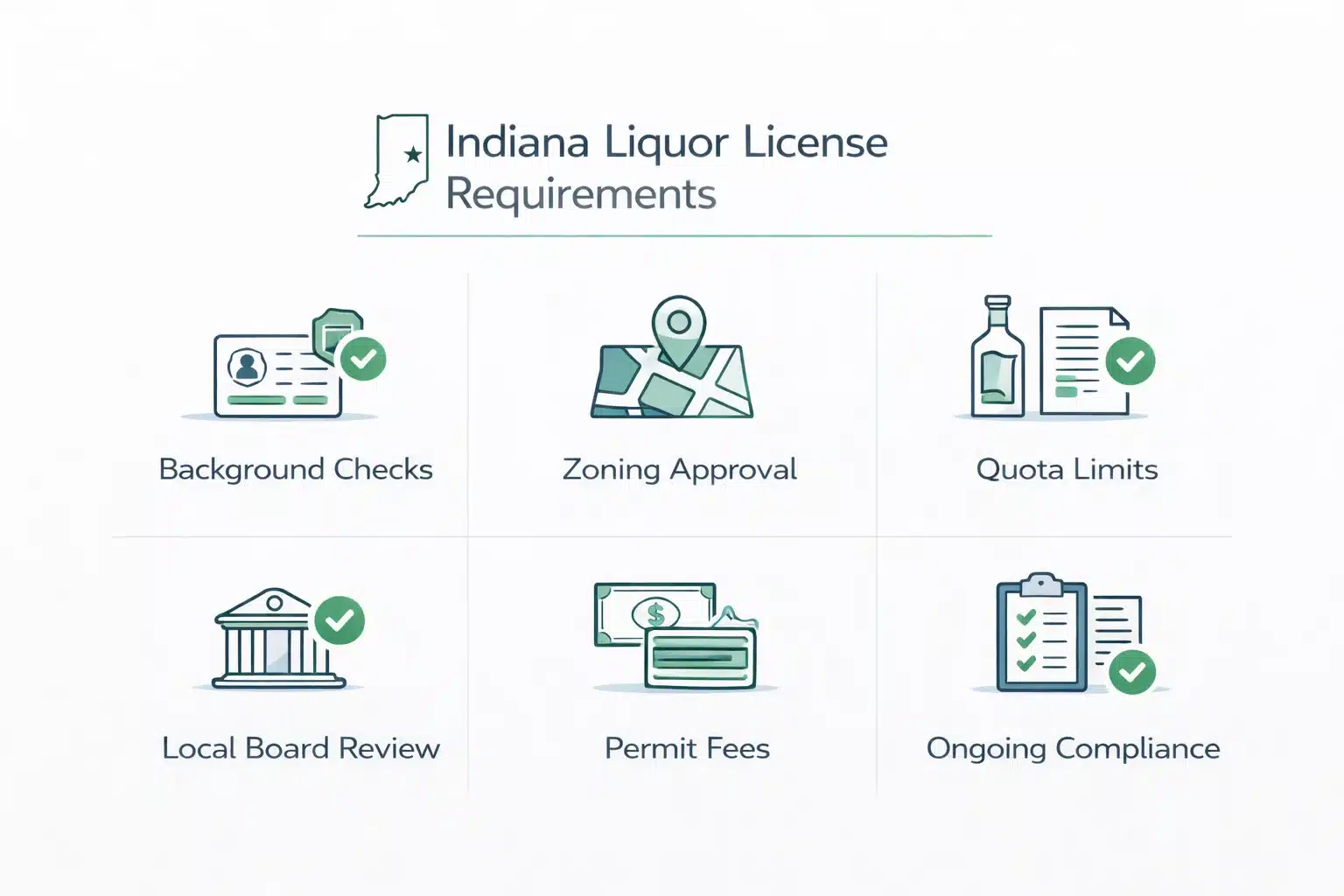
The ATC reviews every application for a new liquor permit. It verifies ownership details, conducts background checks, and ensures zoning compliance. Therefore, accuracy in your paperwork matters from the beginning.
In addition, the ATC works with local alcoholic beverage boards in each county. These local boards conduct public hearings. As a result, community feedback may affect approval decisions.
Because Indiana uses a quota system in many areas, permits are sometimes limited. If your county has reached its quota, you may need to purchase an existing permit from another business.
Local Quotas and Zoning Rules
Understanding local quotas is critical when researching How to Obtain a Liquor License in Indiana. Some cities limit the number of available permits based on population. Consequently, availability can vary greatly from one county to another.
Zoning also plays a major role. Your business location must comply with local ordinances. For instance, certain areas restrict alcohol sales near schools or churches.
Before submitting your application, confirm that your property meets zoning requirements. Doing so prevents costly delays later.
Background Checks and Ownership Requirements
When applying, the ATC conducts thorough background checks. Owners and major stakeholders must disclose criminal history. Therefore, honesty is essential throughout the process.
Indiana requires applicants to meet residency and citizenship standards in many cases. Meanwhile, corporate structures must clearly identify responsible parties.
Clean documentation helps move your application forward quickly. Missing details, however, often cause unnecessary setbacks.
 Types of Liquor Licenses in Indiana
 Types of Liquor Licenses in Indiana
Another key part of understanding How to Obtain a Liquor License in Indiana involves choosing the correct permit type. Indiana offers different licenses depending on your business model.
Restaurant and Bar Permits
Restaurants and bars typically apply for retailer permits. These allow on-premise alcohol consumption. However, food service requirements may apply depending on the permit class.
Some permits allow beer and wine only. Others permit full liquor service. Therefore, selecting the right category affects your menu and pricing strategy.
If you plan to operate late-night hours, review local time restrictions. Indiana regulates serving hours, and compliance is mandatory.
Package Store and Retail Permits
Retail liquor stores apply for package store permits. These allow off-premise alcohol sales. Consequently, customers purchase sealed bottles for consumption elsewhere.
Quota limits often affect these permits. As a result, buying an existing permit from another owner is common in high-demand areas.
Before proceeding, verify that your target county has available permits. Otherwise, you may need to budget for a permit transfer.
Special Event and Temporary Permits
Temporary permits apply to festivals, fundraisers, or special events. These permits offer short-term authorization. Therefore, they follow a faster review process.
Event organizers must still comply with insurance and safety regulations. Additionally, law enforcement may review large events for crowd control concerns.
If your business plans occasional pop-ups or seasonal events, these permits may be useful.
Step-by-Step Application Process
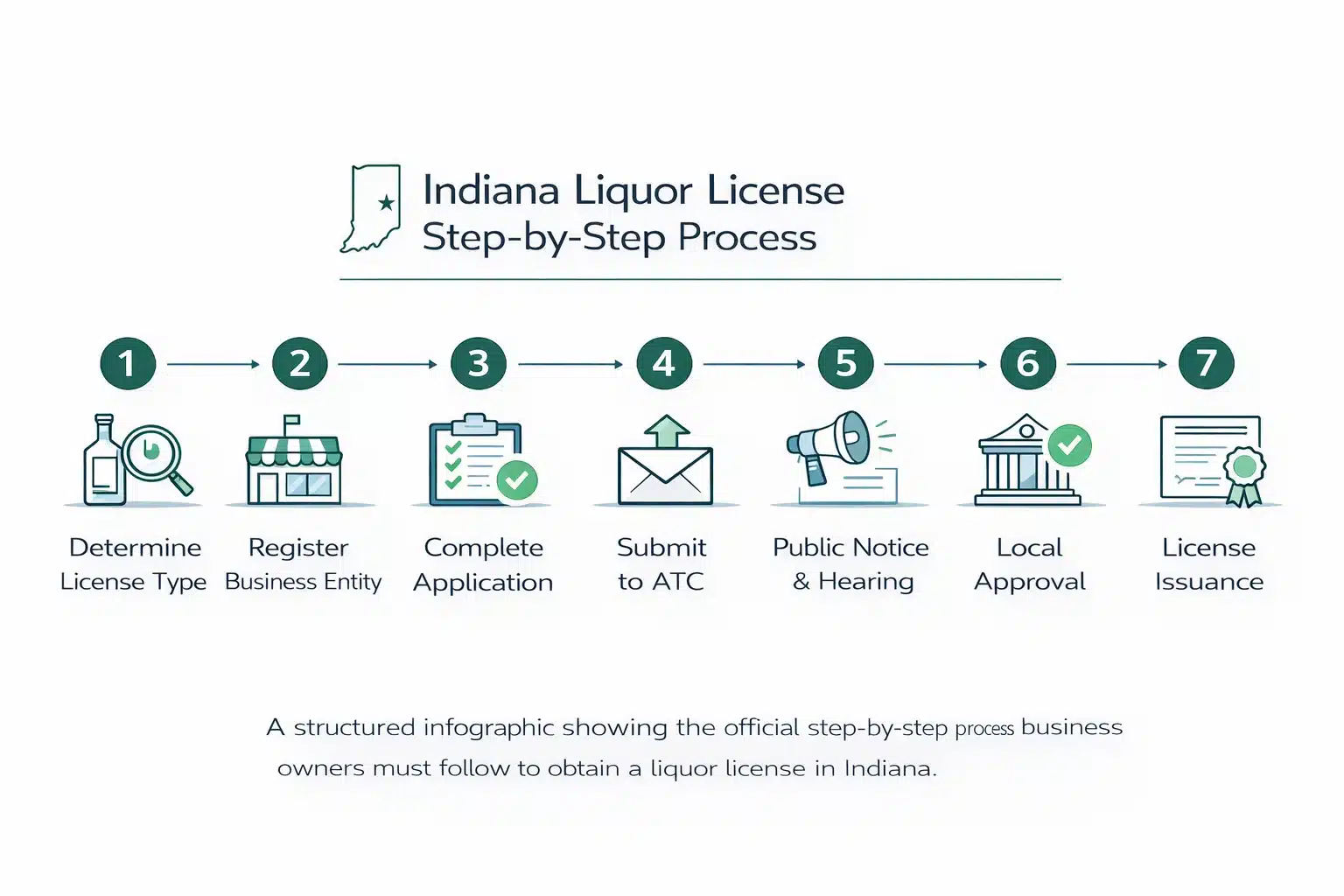
Learning How to Obtain a Liquor License in Indiana requires understanding the full application process. Preparation and organization make the difference between approval and delay.
Step 1: Determine Eligibility
Start by confirming that you meet basic eligibility standards. You must have a registered business entity. In addition, your location must comply with zoning laws.
Next, review local quota availability. If no permits remain, you may need to purchase an existing license.
Finally, gather financial documentation. The ATC may request proof of business viability.
Step 2: Submit the Application
Complete the Indiana alcohol permit application through the ATC system. Accuracy is critical at this stage. Therefore, double-check all ownership and address details.
After submission, the local alcoholic beverage board schedules a public hearing. Community members may attend and provide input.
If approved locally, the application moves to the state level for final review.
Step 3: Attend Hearings and Final Approval
During the hearing, present your business plan clearly. Answer questions confidently and professionally.
Once the board recommends approval, the ATC finalizes the decision. Processing times vary, but preparation speeds up results.
After approval, you must post your permit visibly inside your establishment.
Liquor License Costs in Indiana
Cost is a major factor when researching How to Obtain a Liquor License in Indiana. Fees vary based on permit type and county location.
Application and State Fees
State application fees depend on the permit class. Restaurant permits differ from package store permits. Therefore, budgeting requires clarity on your permit type.
Renewal fees also apply annually. Missing renewal deadlines may result in penalties.
Plan for both initial and recurring costs when calculating startup expenses.
Purchasing an Existing Permit
In quota-restricted counties, businesses often purchase permits from existing holders. These prices can range significantly based on demand.
Urban counties may command higher transfer prices. Meanwhile, rural areas sometimes offer lower rates.
Consult a broker if you pursue a permit transfer. Professional guidance reduces risk.
Additional Business Expenses
Beyond permit costs, consider insurance, legal fees, and compliance tools. These expenses affect your total startup investment.
Alcohol sales require strong inventory management and reporting systems. Therefore, investing in reliable POS technology becomes essential.
Proper planning ensures long-term profitability.
Staying Compliant After Approval
Understanding How to Obtain a Liquor License in Indiana is only the beginning. Maintaining compliance protects your investment.
Age Verification Requirements
Indiana enforces strict ID verification rules. Selling alcohol to minors results in heavy penalties. Therefore, staff training is critical.
Many businesses use POS systems with built-in ID prompts. This reduces human error.
Clear policies protect both employees and owners.
Inventory and Sales Tracking
Accurate alcohol inventory tracking prevents theft and reporting errors. Meanwhile, detailed reporting simplifies audits.
Digital systems automate these processes. As a result, you gain real-time visibility.
Strong tracking also improves profitability.
Renewals and Reporting
Liquor permits require regular renewal. Missing deadlines risks suspension.
Maintain organized records for inspections. Therefore, digital documentation helps during audits.
Proactive compliance avoids costly disruptions.
How Biyo POS Supports Alcohol Compliance
 How Biyo POS Supports Alcohol Compliance
Once you complete the process of How to Obtain a Liquor License in Indiana, managing daily operations becomes your priority. Biyo POS helps businesses stay compliant while increasing efficiency.
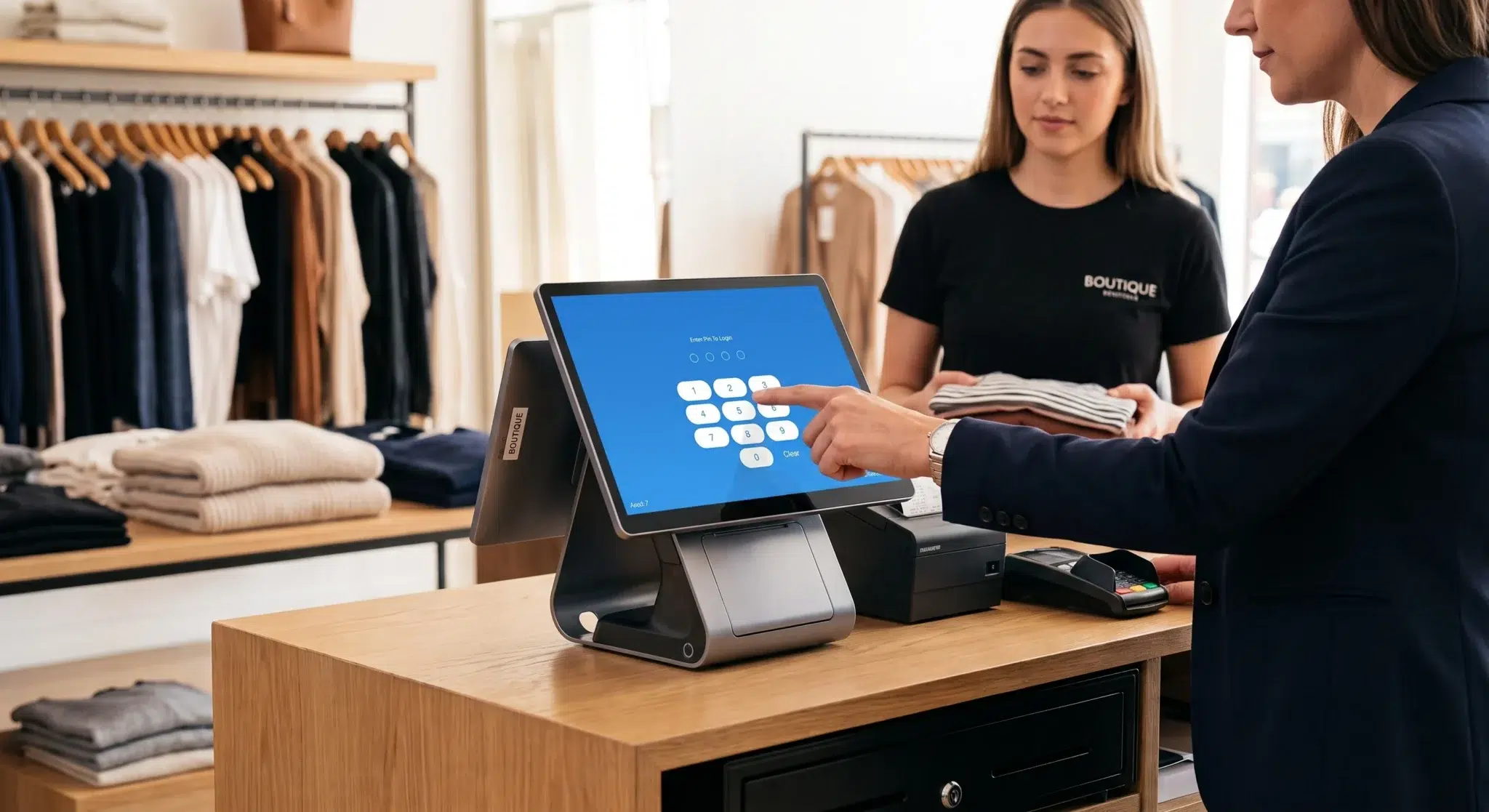
Biyo offers real-time inventory management, detailed alcohol sales tracking, and automated reporting. In addition, age verification prompts reduce risk at checkout.
The system runs in the cloud with automatic backup. You can schedule a demo at https://biyopos.com/schedule-call/ or sign up directly at https://signup.biyo.co/.
Frequently Asked Questions
How long does it take to obtain a liquor license in Indiana?
The timeline varies by county and permit type. Typically, approval takes several weeks to a few months, depending on quota availability and hearing schedules.
How much does a liquor license cost in Indiana?
Costs depend on permit type and location. In quota areas, purchasing an existing permit may significantly increase expenses.
Can I transfer a liquor license in Indiana?
Yes. Businesses may purchase and transfer existing permits, subject to ATC approval and local board review.
Do I need a POS system for alcohol compliance?
While not mandatory, a POS system simplifies compliance. It helps track inventory, verify age, and maintain accurate sales records.
What happens if I violate alcohol laws?
Violations may result in fines, suspension, or revocation of your permit. Therefore, compliance training and proper systems are essential.