Running a restaurant is as much about numbers as it is about flavor. In today’s competitive dining landscape, owners and managers are constantly searching for effective ways to increase restaurant profitability. Profitability depends not only on attracting more customers but also on optimizing internal operations, controlling costs, and making data-driven decisions. By leveraging menu design, technology, staff efficiency, and marketing, restaurants can transform tight margins into long-term financial success.
Table of Contents
- Smart Menu Strategies for Profit Growth
- Cost Control and Waste Reduction
- Improving Staff Efficiency and Training
- Customer Retention and Loyalty Programs
- Technology and Data-Driven Solutions
Smart Menu Strategies for Profit Growth
The menu is not just a list of dishes; it is the most powerful sales tool in any restaurant. Strategic menu design, dynamic pricing, and effective upselling techniques all contribute to higher profits while still delivering value to customers.
Menu Optimization
Menu optimization means evaluating which items bring in the most revenue versus which ones drain resources. By analyzing sales data, restaurants can highlight high-margin dishes and remove low-performing ones. This process ensures that each menu item plays a role in increasing profitability. Beyond eliminating underperformers, chefs and managers can redesign recipes to improve margins, for instance by substituting costly ingredients with equally flavorful yet affordable alternatives. This refinement keeps the menu appealing while protecting profits.
For instance, placing profitable items in the top-right corner of the menu takes advantage of natural eye movement. Similarly, using descriptive language and appealing visuals can influence purchasing decisions. As a result, customers gravitate toward dishes that boost margins without feeling pressured. Many restaurants also highlight “chef’s specials” or “house favorites,” which subtly encourage customers to select these higher-margin options. In digital menus, photos and badges like “bestseller” or “highly recommended” work in the same way.
Seasonal menu changes also help restaurants reduce costs and add variety. By focusing on in-season ingredients, businesses can lower expenses while offering fresh and appealing dishes. This strategy balances both cost of goods control and customer satisfaction. Customers often appreciate seasonal rotations, as it creates anticipation for new items. In addition, seasonal items can be marketed with limited-time promotions, creating urgency and increasing order frequency. Together, these techniques make menu optimization a powerful driver of profitability.
Upselling and Cross-Selling Techniques
Upselling involves encouraging customers to purchase higher-value items, while cross-selling introduces complementary dishes or drinks. For example, a server might suggest pairing a steak with a premium wine or recommending a dessert to complete the meal. These small interactions, when repeated across hundreds of customers, significantly impact overall sales. Even simple suggestions like “Would you like to add avocado?” or “Would you like to make it a combo?” can consistently lift average ticket size.
To make upselling natural, staff should be trained to understand the menu deeply. This allows them to make personalized recommendations based on customer preferences. Effective upselling is about enhancing the dining experience rather than pressuring the guest. Staff who present add-ons with genuine enthusiasm are far more successful than those who sound scripted. Role-playing during training helps employees practice these interactions until they feel natural.
Cross-selling can also be automated through digital POS systems. For instance, online ordering platforms can display “You may also like” suggestions to increase average ticket size. This subtle strategy creates additional profit opportunities without extra labor. Restaurants can configure these suggestions to highlight dishes with the highest margins, maximizing the financial impact of each transaction. Over time, automated cross-selling creates consistent results and relieves staff of the pressure to manually recommend every option.
Portion Control and Dynamic Pricing
Consistent portion sizes ensure that food costs remain predictable while customers receive the same experience every time. Without portion control, food waste and inconsistent quality quickly cut into profits. Restaurants can use measuring tools, pre-prepped ingredients, and staff training to maintain standards. Beyond savings, portion control also creates customer trust—diners know exactly what to expect, reducing complaints and boosting repeat business.
Dynamic pricing is another effective way to adapt to demand. For example, happy hours and special lunch pricing can attract more guests during slower hours, increasing table turnover. At peak times, slight price adjustments can maximize profitability without deterring demand. Restaurants can also introduce “value bundles” during off-peak hours, which increase perceived value while driving traffic. This approach balances volume with margin, leading to more efficient operations throughout the day.
By combining portion control with dynamic pricing, restaurants create a stable and flexible revenue model. These practices balance customer value with business sustainability, leading to stronger financial performance. Restaurants that adopt these methods often see steadier income even during seasonal dips, as pricing adjustments and consistent cost control safeguard margins. This level of adaptability ensures the business remains resilient in changing market conditions.

Cost Control and Waste Reduction
Profitability hinges on controlling costs just as much as generating revenue. By addressing food costs, inventory management, and supplier relations, restaurants can prevent unnecessary expenses and increase margins.
Cost of Goods Control
The cost of goods sold (COGS) is one of the largest expenses in a restaurant. Monitoring ingredient costs and negotiating better supplier contracts can help keep these expenses manageable. Owners should review invoices regularly to identify price fluctuations and seek alternative suppliers when necessary. Without close oversight, creeping costs can erode profit margins before owners even realize it.
Tracking COGS also helps identify areas where substitutions can save money. For instance, using local or seasonal products often reduces costs while appealing to eco-conscious diners. This approach improves both profitability and customer perception. For example, switching from imported asparagus in winter to local root vegetables not only saves money but also creates an authentic seasonal dining experience.
Many restaurants integrate COGS tracking into their POS systems, allowing them to generate real-time reports. These insights make it easier to take immediate action when costs begin to rise. By spotting trends early, managers can renegotiate contracts, adjust menu prices, or reduce waste before profitability takes a hit. Continuous monitoring ensures restaurants stay ahead of cost fluctuations instead of reacting too late.
Inventory Tracking
Inventory tracking ensures that food purchases match actual consumption. Without it, restaurants face spoilage, theft, or over-ordering. Implementing digital systems to automate inventory makes the process more accurate and less labor-intensive. This reduces reliance on manual counts, which are prone to errors and often inconsistent between shifts.
Weekly stock checks reveal patterns of waste or theft. For example, if a high-value item like steak consistently shows losses, managers can investigate causes and correct them. This level of oversight reduces unnecessary expenses. Transparency also deters employee theft, as staff are aware that stock is closely monitored and discrepancies are noticed quickly.
Inventory tracking also improves forecasting. By comparing past sales with current inventory, restaurants can adjust purchasing levels to match demand. This prevents both shortages and surpluses, directly impacting profitability. Forecasting tools integrated with POS systems can even suggest reorder points, ensuring managers make data-backed decisions instead of guesses. This accuracy makes inventory tracking one of the most impactful cost-control measures.
Waste Reduction
Food waste is one of the most overlooked drains on profitability. By training staff to repurpose leftovers, measure ingredients properly, and store food correctly, restaurants can cut waste dramatically. Even small changes, like offering half portions for certain dishes, help reduce waste while appealing to lighter eaters. Waste logs can also help managers identify recurring issues and take corrective action.
Recycling kitchen byproducts is another way to save money. For example, vegetable trimmings can be turned into stock, and bread scraps can be repurposed into croutons. These practices minimize waste while creating new revenue opportunities. Many restaurants also partner with local farms to repurpose organic waste as animal feed, turning potential loss into a sustainable community relationship.
Restaurants that actively reduce waste not only save money but also appeal to sustainability-focused customers. This reputation boost can attract new clientele and improve brand image, further increasing profitability. Promoting waste-reduction efforts on menus or social media helps restaurants differentiate themselves as responsible and modern businesses. As consumer interest in sustainability grows, these practices become a competitive advantage as well as a financial one.
Improving Staff Efficiency and Training
Staff efficiency plays a critical role in determining restaurant profitability. Well-trained employees provide better service, reduce errors, and enhance customer satisfaction, leading to repeat business and higher sales.
Labor Efficiency
Labor costs are another major expense for restaurants. Optimizing scheduling ensures that staff levels match demand. Overstaffing increases costs, while understaffing leads to poor service and lost revenue. By using labor management tools, restaurants can create efficient schedules based on historical sales data. Smart scheduling prevents bottlenecks and ensures resources are allocated wisely.
Cross-training employees also improves flexibility. A server who can also handle hosting duties reduces the need for extra staff. This approach allows managers to adapt quickly to changing customer flow. When unexpected absences occur, cross-trained staff can step in without disruption, maintaining service quality while controlling costs.
Monitoring labor costs alongside sales provides a clear picture of efficiency. When labor ratios rise too high, managers can identify solutions before profits suffer. This data-driven approach allows them to adjust shifts, reallocate roles, or revise hiring strategies. By continuously refining scheduling and staff deployment, restaurants can strike the right balance between service quality and profitability.
Staff Training
Staff training ensures consistency in service, which directly impacts customer satisfaction and repeat business. New employees should receive training on menu items, upselling techniques, and customer engagement. This foundation helps them perform confidently under pressure. Well-trained staff make fewer mistakes, which reduces waste, improves speed, and enhances overall efficiency.
Ongoing training keeps employees updated on new systems, menu changes, or marketing initiatives. When staff feel supported, they are more motivated to perform at a high level. This creates a positive cycle of efficiency and customer satisfaction. For example, when a new online ordering integration is launched, trained staff can manage it smoothly, preventing bottlenecks in service.
Restaurants that invest in staff development often see lower turnover rates. Reducing turnover saves money on recruitment and training costs, ultimately contributing to profitability. It also fosters loyalty, as employees who feel valued are less likely to leave. Over time, this stability creates a stronger culture and a more consistent guest experience.
Table Turnover
Table turnover refers to how quickly a restaurant can serve customers and prepare for the next seating. Faster turnover increases the number of customers served during peak hours, boosting revenue without increasing fixed costs. Restaurants with higher turnover rates typically enjoy stronger profitability even without raising prices.
Staff play a critical role in turnover efficiency. Prompt service, effective communication with the kitchen, and streamlined payment processes all reduce waiting times. POS systems that accept mobile payments can further speed up checkout. These efficiencies not only improve table turnover but also enhance the overall customer experience.
At the same time, turnover should not come at the expense of customer experience. Well-trained staff know how to balance speed with attentiveness, ensuring that guests feel satisfied and eager to return. Achieving this balance requires strong leadership and constant monitoring of service flow. When done correctly, table turnover contributes to higher profitability while keeping customers happy.
Customer Retention and Loyalty Programs
Acquiring a new customer costs more than retaining an existing one. By focusing on loyalty programs, personalized service, and customer engagement, restaurants can build a steady revenue stream from repeat guests.
Loyalty Programs
Loyalty programs encourage repeat visits by rewarding customers for their spending. Points systems, discounts, or exclusive offers keep customers engaged with the brand. Digital loyalty programs integrated into POS systems simplify tracking and reward redemption. This convenience makes loyalty programs easy for customers to use and valuable for restaurants to operate.
For example, a customer might earn a free dessert after five visits or receive a discount for referring friends. These rewards create an emotional connection that keeps guests returning. Over time, loyalty programs significantly boost customer lifetime value. Guests who feel appreciated are also more likely to recommend the restaurant to friends and family.
Data from loyalty programs also provide insights into customer preferences, allowing restaurants to tailor promotions and menu offerings more effectively. This personalization increases the program’s impact on profitability. Restaurants can even identify their most loyal customers and reward them with VIP perks, strengthening long-term relationships.
Customer Retention Through Experience
Customer retention comes down to creating memorable experiences. This includes everything from attentive service to the atmosphere of the restaurant. When guests feel valued and appreciated, they are more likely to return and recommend the business to others. A pleasant dining experience also increases tolerance for occasional mistakes, which protects customer relationships.
Consistent food quality also builds trust. Even if the menu changes seasonally, customers should expect the same level of flavor and presentation with every visit. Meeting this expectation ensures long-term loyalty. Any decline in consistency quickly erodes trust and reduces repeat business, making quality control a priority for profitability.
Restaurants can also engage with customers through online reviews and social media. Responding to feedback shows that management values guest input, strengthening the customer relationship and encouraging repeat visits. Actively managing digital reputation can turn satisfied customers into advocates who promote the restaurant for free.
Targeted Marketing
Targeted marketing uses customer data to deliver personalized promotions. For instance, a restaurant might send a birthday discount or suggest new dishes to regular customers. These personalized touches encourage repeat business while making customers feel special. Targeted campaigns often generate higher engagement rates than generic promotions.
Email campaigns and SMS reminders are powerful tools for engaging with existing customers. Offering exclusive promotions for loyalty program members strengthens the relationship and boosts sales. This direct communication keeps the restaurant top-of-mind when customers decide where to dine. Personalized reminders like “Your favorite burger is back” can also reignite interest.
Restaurants that combine loyalty programs with targeted marketing build a reliable revenue stream. This dual strategy enhances profitability by ensuring a steady flow of repeat customers. Over time, the data collected from these campaigns can guide larger strategic decisions, like menu updates or new location openings, ensuring sustainable business growth.
Technology and Data-Driven Solutions
Technology enables restaurants to streamline operations, cut costs, and make smarter decisions. POS systems, online ordering, and financial reporting tools all contribute to sustainable profitability.
Online Ordering and Delivery Partnerships
Online ordering expands a restaurant’s reach beyond the physical location. By offering delivery and pickup options, restaurants can capture customers who prefer dining at home. Integrating these services into the POS system ensures smooth order management and accurate reporting. This integration prevents errors that often occur when orders come from multiple sources.
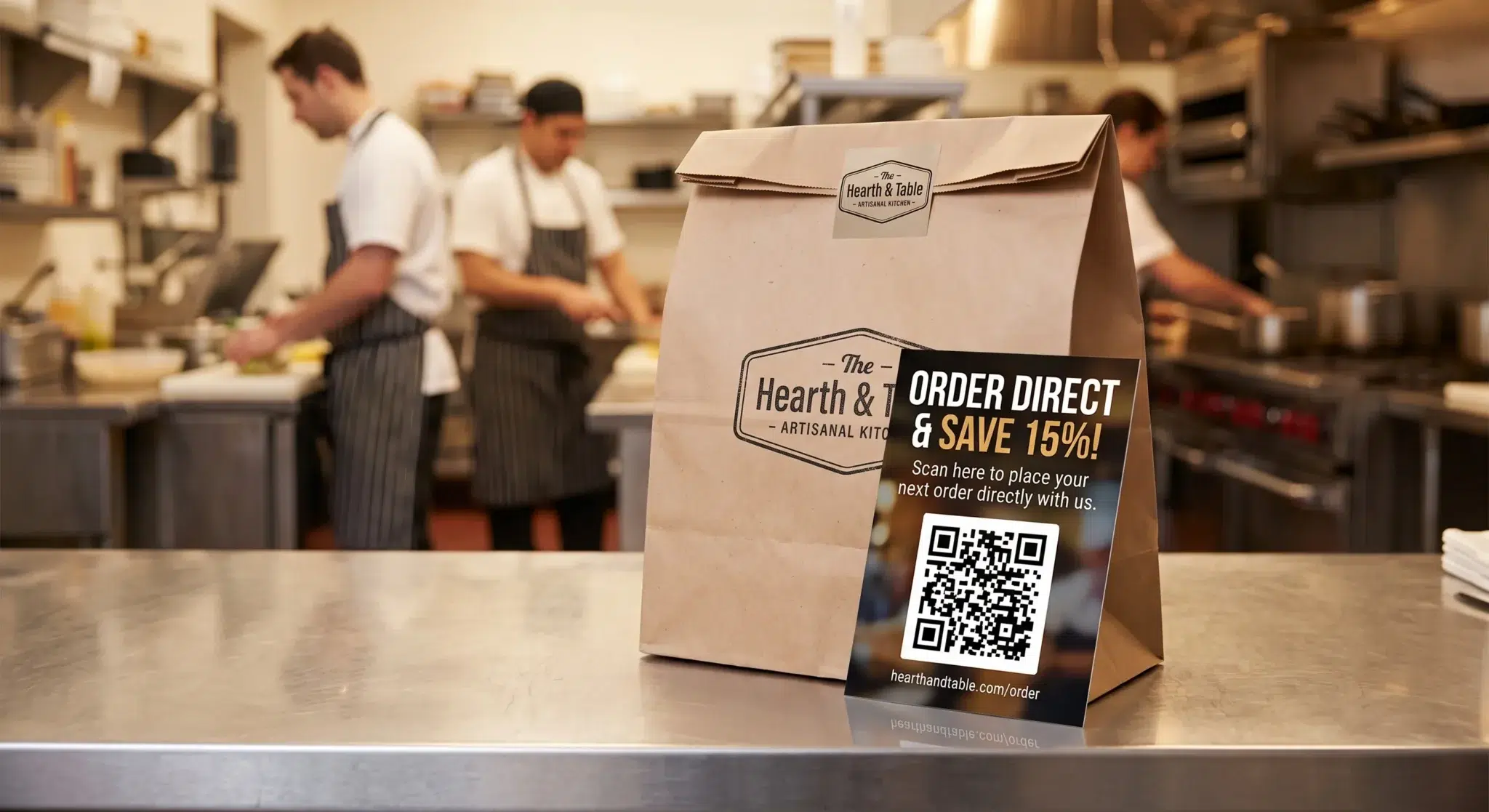
Delivery partnerships with third-party platforms widen exposure but may reduce margins due to fees. To balance profitability, restaurants can promote direct online ordering through their own website. Incentives such as free drinks or small discounts encourage customers to order directly, preserving profits. Over time, encouraging direct ordering reduces reliance on costly third-party platforms.
Online ordering also provides valuable data about customer preferences. Restaurants can use this data to adjust menus, create targeted promotions, and improve forecasting accuracy. Understanding which dishes are popular for takeout versus dine-in helps managers plan more effectively and reduce waste. These insights enhance overall profitability and operational efficiency.
Inventory and Supplier Management Tools
Inventory software tracks ingredient usage, expiration dates, and order quantities. These tools prevent over-ordering and reduce waste, directly improving profitability. They also generate reports that identify which ingredients contribute most to costs. This visibility allows managers to make strategic menu decisions based on profitability rather than guesswork.
Supplier management tools streamline communication with vendors. By tracking contracts and delivery performance, restaurants can negotiate better terms and avoid shortages. This transparency ensures that the business always has the resources it needs without overspending. Consistent supply chain management also minimizes disruption during busy periods.
When integrated with POS systems, these tools create a seamless flow of data. Managers gain complete visibility over supply chain costs, helping them make informed decisions to boost profitability. Integration also reduces administrative workload, freeing up managers to focus on service quality and growth opportunities instead of paperwork.
Financial Reporting and Energy Savings
Financial reporting tools help restaurants monitor key performance indicators such as food cost percentage, labor ratios, and net profit margins. With this information, managers can take corrective action quickly before issues escalate. These tools also allow restaurants to benchmark performance against industry standards, highlighting strengths and areas for improvement.
Energy savings also play a role in profitability. Installing energy-efficient lighting, equipment, and HVAC systems reduces utility bills significantly. These savings compound over time, improving long-term financial performance. Small changes, such as switching to LED bulbs or using smart thermostats, can result in thousands of dollars in annual savings.
Restaurants that embrace both financial reporting and energy efficiency create a well-rounded strategy for increasing profitability. The combination of data-driven insights and cost reduction ensures sustainable growth. Over time, these practices make the business more resilient, positioning it for long-term success in a competitive industry.

How Biyo POS Helps Restaurants Increase Profitability
Biyo POS is designed to simplify restaurant operations and improve profitability. With features like menu optimization tools, integrated online ordering, loyalty program management, and advanced reporting, Biyo POS empowers owners to make smarter decisions. Its seamless integration tools save time and reduce waste, while loyalty programs keep customers returning. Restaurants ready to take the next step toward profitability can sign up here and start transforming their business today.
FAQ: Ways to Increase Restaurant Profitability
What is the most effective way to increase restaurant profitability?
The most effective strategy is a combination of menu optimization, cost control, and loyalty programs. These three areas directly impact revenue while keeping expenses manageable.
How does staff training improve profitability?
Staff training improves service quality, reduces errors, and enhances upselling opportunities. This leads to higher customer satisfaction, repeat business, and increased average check size.
Are delivery partnerships profitable for restaurants?
Delivery partnerships increase exposure but often come with high fees. To protect profitability, restaurants should encourage direct online orders through incentives like discounts or free add-ons.
How can restaurants control food costs effectively?
Restaurants can control food costs by monitoring supplier pricing, implementing inventory tracking, and maintaining portion control. Seasonal menu adjustments also lower expenses while keeping the menu fresh.
Can technology really help improve restaurant profits?
Yes, technology such as POS systems, inventory management tools, and financial reporting software streamline operations and provide actionable insights. These tools reduce waste, control costs, and maximize revenue opportunities.