Many operators obsess over daily sales numbers. They refresh dashboards and celebrate record weekends. However, revenue alone does not tell the full story of a restaurant’s health. If you truly want to understand What Restaurant Owners Should Track Instead of Revenue, you need to look deeper at restaurant performance metrics that drive profit, stability, and long-term growth.
When owners focus only on top-line sales, they often miss hidden leaks in food cost, labor cost ratio, and cash flow monitoring. As a result, restaurants can post strong revenue and still struggle to survive. In this guide, we will break down What Restaurant Owners Should Track Instead of Revenue so you can make smarter decisions and protect your margins.
Table of Contents
- Why Revenue Alone Can Mislead Restaurant Owners
- Food and Labor: The Core Restaurant KPIs
- Guest Behavior Metrics That Drive Profit
- Cash Flow and Financial Stability Metrics
- Operational Efficiency Beyond Revenue Metrics
- Frequently Asked Questions
Why Revenue Alone Can Mislead Restaurant Owners
Revenue looks impressive on reports. It feels like progress. However, it rarely reflects the real financial picture of your business.
Revenue Ignores Profit Margins
High sales numbers can create a false sense of security. For instance, a restaurant may generate $100,000 in monthly revenue but operate with razor-thin margins. As a result, even small increases in costs can erase profits.
Profit depends on controlled expenses, not just strong sales. If your food cost percentage rises or your labor cost ratio climbs, your net income shrinks. Therefore, focusing only on revenue blinds you to the real drivers of success.
When thinking about What Restaurant Owners Should Track Instead of Revenue, profit margin should sit at the top of your list. It shows how efficiently you convert sales into earnings.
Revenue Does Not Show Cost Control
Cost control sits at the heart of restaurant profit tracking. However, revenue reports do not reveal waste, over-portioning, or inventory shrinkage. Consequently, you may lose money without noticing the warning signs.
Food waste, theft, and supplier price increases can quietly damage your margins. Meanwhile, revenue might still look strong. This disconnect creates confusion and poor decision-making.
That is why understanding What Restaurant Owners Should Track Instead of Revenue requires detailed restaurant performance metrics that highlight costs in real time.
Revenue Hides Operational Inefficiencies
Busy restaurants often assume they run efficiently. However, high sales can mask slow service, poor table turnover rate, and staff mismanagement. As a result, potential profit remains untapped.
If your dining room stays full but tables turn slowly, you leave money on the table. Likewise, if labor scheduling lacks precision, payroll expenses climb unnecessarily.
So when analyzing What Restaurant Owners Should Track Instead of Revenue, you must measure operational efficiency, not just daily sales totals.
 Food and Labor: The Core Restaurant KPIs
 Food and Labor: The Core Restaurant KPIs
Food and labor represent the two largest expenses in most restaurants. Therefore, tracking them closely provides clarity that revenue alone never will.
Food Cost Percentage
Food cost percentage measures how much of your sales go toward ingredients. Ideally, this number stays within a target range based on your concept. If it rises unexpectedly, profit drops immediately.
For example, if your food cost percentage increases from 28% to 34%, that difference can wipe out your margin. As a result, even strong revenue growth cannot compensate for poor cost control.
When evaluating What Restaurant Owners Should Track Instead of Revenue, food cost percentage stands as one of the most critical restaurant KPIs to monitor weekly.
Labor Cost Ratio
Labor cost ratio shows how much you spend on wages compared to sales. Staffing too heavily reduces profit. On the other hand, understaffing harms service quality and guest experience.
Smart scheduling balances productivity and cost control. Therefore, reviewing labor cost ratio daily helps you adjust shifts quickly.
In the conversation about What Restaurant Owners Should Track Instead of Revenue, labor efficiency consistently ranks among the most impactful metrics.
Prime Cost Monitoring
Prime cost combines food cost and labor cost. Together, these two expenses often account for 60–70% of total revenue. Tracking them as a single metric gives a clearer financial snapshot.
If prime cost exceeds your target threshold, profits shrink. However, when you control prime cost tightly, profitability improves quickly.
That is why prime cost monitoring plays a central role in understanding What Restaurant Owners Should Track Instead of Revenue for long-term sustainability.
Guest Behavior Metrics That Drive Profit
Sales numbers show how much guests spend overall. However, behavior metrics reveal how and why they spend it.
Average Ticket Size
Average ticket size measures how much each guest spends per visit. Increasing this metric boosts profit without increasing foot traffic.
For instance, strategic upselling and combo promotions can raise average ticket size by a few dollars. As a result, revenue and profit both improve.
When exploring What Restaurant Owners Should Track Instead of Revenue, average ticket size becomes a powerful lever for growth.
Table Turnover Rate
Table turnover rate shows how often you seat new guests at each table during service hours. Faster turnover increases capacity without expanding space.
If service runs slowly, guests wait longer and potential sales decline. Meanwhile, staff costs remain fixed. Therefore, optimizing turnover improves efficiency.
In defining What Restaurant Owners Should Track Instead of Revenue, table turnover rate highlights how well your dining room performs.
Customer Retention Rate
Attracting new guests costs more than retaining existing ones. Therefore, repeat visit rates play a major role in stable growth.
Loyal customers spend more over time and recommend your restaurant to others. As a result, marketing costs decrease while lifetime value rises.
When owners examine What Restaurant Owners Should Track Instead of Revenue, customer retention stands out as a reliable long-term restaurant KPI.
Cash Flow and Financial Stability Metrics
Profit looks good on paper. However, cash flow determines whether you can pay bills and survive slow seasons.
Cash Flow Monitoring
Cash flow monitoring tracks the timing of money entering and leaving your business. Even profitable restaurants can fail if cash dries up.
Rent, payroll, and supplier payments require consistent liquidity. Therefore, daily tracking prevents surprises.
Understanding What Restaurant Owners Should Track Instead of Revenue means prioritizing cash position over raw sales totals.
Break-Even Point
The break-even point shows how much you must sell to cover fixed and variable costs. Once you pass this threshold, you generate profit.
If your break-even point rises due to cost increases, you must adjust pricing or reduce expenses quickly. As a result, strategic planning becomes easier.
Break-even analysis provides clarity when analyzing What Restaurant Owners Should Track Instead of Revenue.
Inventory Turnover Ratio
Inventory turnover ratio measures how quickly you use and replace stock. Slow turnover ties up cash and increases spoilage risk.
Faster turnover keeps ingredients fresh and improves cash flow. Meanwhile, it reduces waste and storage costs.
Inventory efficiency plays a vital role in deciding What Restaurant Owners Should Track Instead of Revenue within beyond revenue metrics.
Operational Efficiency Beyond Revenue Metrics
Operational data transforms guesswork into strategy. Instead of reacting emotionally to sales swings, you respond with facts.
Sales Per Labor Hour
Sales per labor hour measures productivity. It shows how much revenue each staff hour generates.
If this metric declines, you may need schedule adjustments or workflow improvements. Therefore, managers can act quickly.
This metric strengthens your understanding of What Restaurant Owners Should Track Instead of Revenue in daily operations.
Waste and Shrinkage Tracking
Waste tracking identifies over-portioning, spoilage, and theft. Even small daily losses add up over months.
By monitoring waste percentages, you protect margins and improve restaurant profit tracking. As a result, overall efficiency improves.
Owners who grasp What Restaurant Owners Should Track Instead of Revenue never ignore waste data.
Menu Item Profitability
Not all popular dishes generate strong margins. Some best-sellers barely break even.
Menu engineering helps you identify high-margin items and promote them strategically. Therefore, profit grows even if revenue stays flat.
Menu analysis remains essential when evaluating What Restaurant Owners Should Track Instead of Revenue across your full operation.
How Biyo POS Helps You Track the Right Metrics
 How Biyo POS Helps You Track the Right Metrics
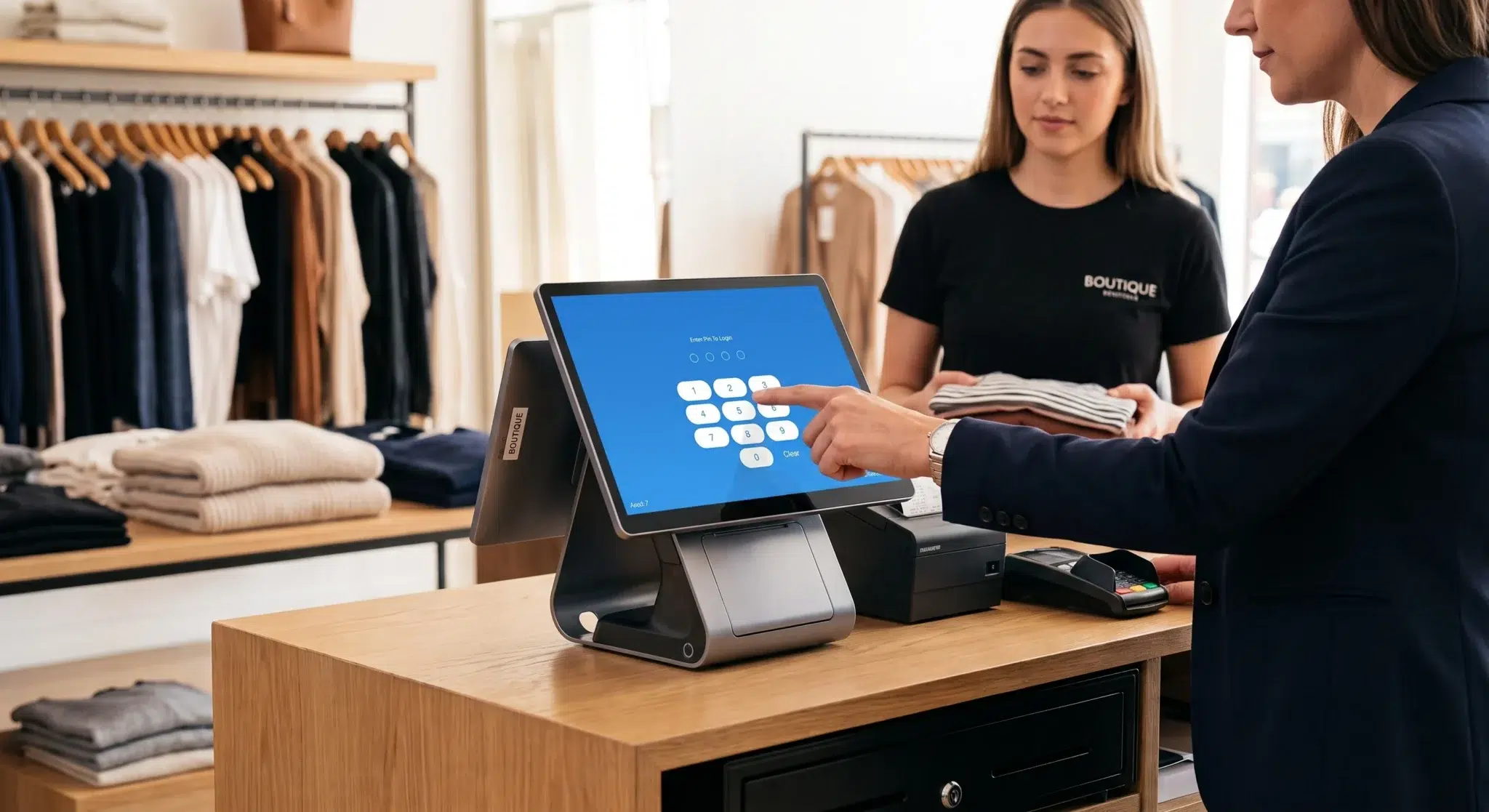
Understanding What Restaurant Owners Should Track Instead of Revenue becomes easier when you have the right technology. Biyo POS provides real-time dashboards for food cost percentage, labor cost ratio, average ticket size, and detailed restaurant performance metrics. As a result, you gain full visibility into your operations.
With built-in restaurant KPIs and advanced reporting tools, Biyo POS supports accurate restaurant profit tracking and cash flow monitoring. You can analyze beyond revenue metrics in one unified dashboard. To see how it works, schedule a call here. If you are ready to get started, sign up directly at this link.
Frequently Asked Questions
Why is revenue not enough to measure restaurant success?
Revenue only shows total sales. However, it does not reflect costs, margins, or efficiency. Therefore, you need restaurant performance metrics to see true profitability.
What are the most important restaurant KPIs?
Food cost percentage, labor cost ratio, prime cost, average ticket size, and cash flow monitoring rank among the most important restaurant KPIs. Together, they provide a complete financial picture.
How often should restaurant owners review these metrics?
Owners should review key metrics daily or weekly. Frequent tracking allows faster adjustments and prevents small problems from growing.
How can POS systems help with beyond revenue metrics?
Modern POS systems like Biyo POS automate reporting and display real-time dashboards. As a result, owners can focus on strategy instead of manual calculations.
What is the biggest mistake restaurant owners make?
The biggest mistake involves focusing only on revenue growth. Instead, owners should analyze What Restaurant Owners Should Track Instead of Revenue to ensure sustainable profit and stability.