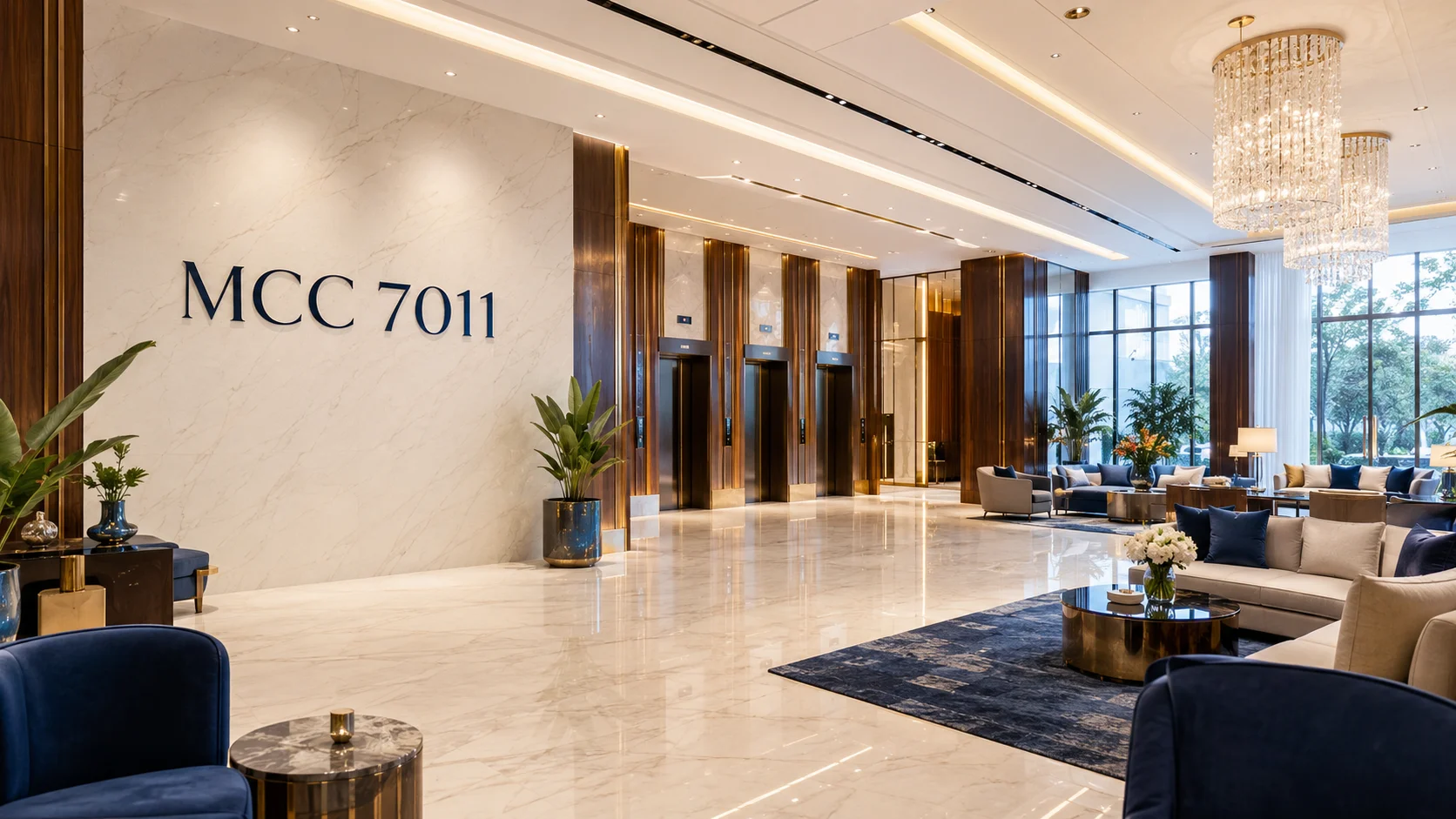

Hotels, motels, resorts, and other lodging businesses play a central role in the hospitality industry by providing accommodations for leisure travelers, business professionals, families, and long-term guests. Beyond offering overnight stays, many lodging establishments generate revenue through restaurants, conference facilities, spas, retail gift shops, recreational amenities, parking, and event hosting. Whether operating a boutique inn or a luxury resort, these businesses require efficient systems to manage reservations, guest services, occupancy, and daily operations.
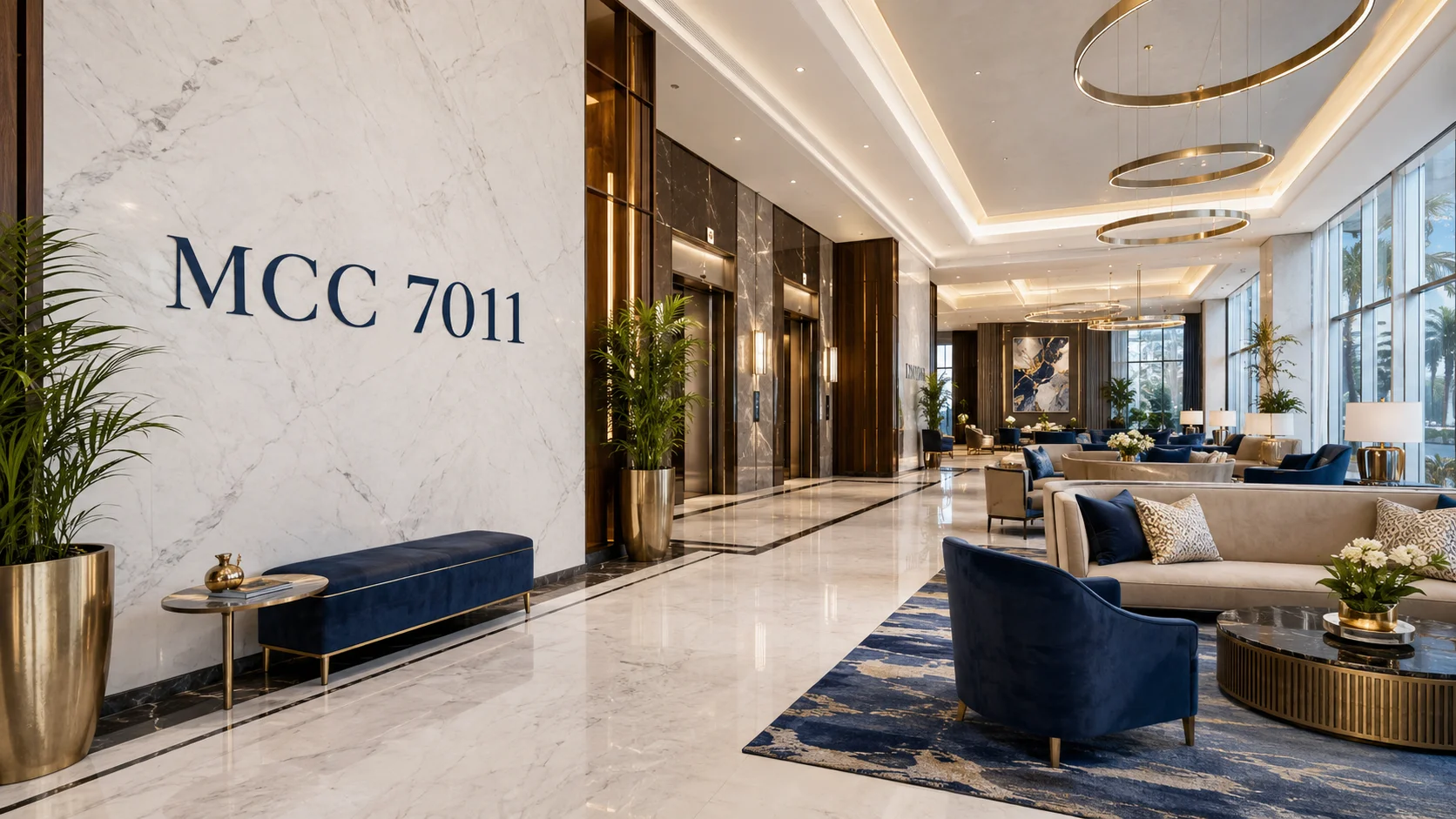
Businesses primarily engaged in providing lodging accommodations are generally classified under Merchant Category Code (MCC) 7011. Payment processors, acquiring banks, and major card networks use this Merchant Category Code to identify qualifying hospitality merchants for payment processing, transaction reporting, fraud monitoring, merchant analytics, and, in some cases, credit card reward programs. Although guests rarely notice this classification, it helps standardize how hotel transactions are processed throughout the global payment ecosystem.
This guide explains what MCC 7011 covers, which businesses typically qualify, the services commonly offered, why proper merchant classification matters, and how modern technology helps lodging businesses improve operational efficiency and guest satisfaction.
Table of Contents
Understanding MCC 7011
What Is MCC 7011?
MCC 7011 is the Merchant Category Code assigned to businesses whose primary activity is providing lodging accommodations. This includes hotels, motels, resorts, inns, lodges, extended-stay properties, and similar establishments that offer overnight accommodations to travelers.
Many businesses classified under MCC 7011 also generate additional revenue through restaurants, room service, event venues, retail shops, recreational facilities, and other guest amenities. However, their primary business activity remains lodging, making MCC 7011 the appropriate merchant classification.
How Merchant Category Codes Work
Merchant Category Codes classify businesses according to their principal commercial activity. Payment processors, financial institutions, and card networks use MCC 7011 to support payment authorization, merchant reporting, fraud prevention, transaction analytics, and certain credit card reward programs.
Using standardized Merchant Category Codes creates consistency throughout the payment industry while helping financial institutions accurately categorize hospitality businesses.
When Does a Business Qualify for MCC 7011?
A business generally qualifies for MCC 7011 when providing overnight accommodations represents its primary source of revenue. Full-service hotels, boutique hotels, resorts, motels, extended-stay properties, vacation lodges, and many independent inns commonly fall under this classification. Businesses whose primary activity is vacation rentals or residential property leasing may be assigned different Merchant Category Codes depending on their operating model.
 Businesses Classified Under MCC 7011
 Businesses Classified Under MCC 7011
Hotels and Motels
Traditional hotels and motels are the businesses most commonly classified under MCC 7011. They provide guest rooms, front desk services, housekeeping, and various hospitality amenities designed to accommodate both leisure and business travelers.
Resorts and Destination Properties
Resorts offer lodging alongside recreational amenities such as golf courses, spas, swimming pools, restaurants, fitness centers, entertainment venues, and conference facilities. These businesses often provide complete hospitality experiences that encourage longer guest stays and increased on-property spending.
Boutique, Extended-Stay, and Specialty Lodging
Many boutique hotels, inns, lodges, and extended-stay accommodations also qualify under MCC 7011. These businesses typically differentiate themselves through personalized guest experiences, unique accommodations, specialized services, or longer-term lodging options designed for business travelers and relocating families.
Services Commonly Offered
Guest Accommodations
The primary service provided by businesses classified under MCC 7011 is overnight lodging. Room categories may range from standard guest rooms to luxury suites, villas, cabins, and premium accommodations designed to meet varying guest preferences and budgets.
Hospitality Amenities
Hotels frequently offer additional guest services including complimentary breakfast, room service, concierge assistance, housekeeping, valet parking, fitness centers, swimming pools, spas, business centers, and airport transportation. These amenities enhance the guest experience while creating additional revenue opportunities.
Meetings, Events, and On-Property Services
Many lodging businesses also operate conference rooms, banquet halls, wedding venues, restaurants, cafés, bars, retail gift shops, and event spaces. These services allow properties to serve corporate clients, social gatherings, and community events beyond traditional overnight accommodations.
Why MCC 7011 Matters
Supports Accurate Payment Processing
MCC 7011 enables payment providers to accurately identify businesses whose primary activity involves lodging accommodations. Proper classification supports payment authorization, merchant reporting, transaction processing, and standardized payment network operations across the hospitality industry.
Improves Business Reporting
Accurate Merchant Category Codes contribute to more meaningful financial reporting, occupancy analysis, revenue management, seasonal forecasting, and operational planning. Hospitality businesses rely on these insights to optimize room availability, staffing, and guest services.
May Influence Credit Card Rewards
Many travel-focused credit cards use Merchant Category Codes to determine travel-related rewards, cashback, or loyalty points. Depending on the issuer’s program, purchases made at businesses classified under MCC 7011 may qualify for enhanced travel benefits or promotional reward categories.
MCC 7011 Comparison Table
| Category | MCC 7011 Lodging Businesses |
|---|---|
| Primary Business | Providing overnight accommodations and hospitality services |
| Typical Customers | Leisure travelers, business travelers, families, groups, and event attendees |
| Primary Services | Guest rooms, hospitality amenities, dining, events, and recreational facilities |
| Sales Channels | Direct bookings, hotel websites, travel agencies, corporate accounts, and online travel platforms |
| Operational Focus | Reservations, occupancy management, guest services, housekeeping, and revenue optimization |
| Revenue Sources | Room bookings, restaurants, events, retail shops, parking, spa services, and amenities |
| Business Priorities | Guest satisfaction, operational efficiency, occupancy, and revenue management |
Industry Operations
Managing Reservations and Room Availability
At the core of every lodging business is effective reservation management. Hotels and resorts must continuously monitor room availability, booking channels, cancellations, modifications, and guest arrivals to maximize occupancy while preventing overbooking. Properties often accept reservations through their own websites, mobile apps, travel agencies, online travel agencies (OTAs), corporate travel programs, and direct phone bookings, making centralized reservation management essential.
Property management systems (PMS) synchronize room inventory across multiple booking channels, helping hospitality businesses maintain accurate availability, improve operational efficiency, and provide guests with a seamless booking experience.
Coordinating Guest Services Across Departments
Delivering an exceptional guest experience requires close coordination between the front desk, housekeeping, maintenance, food and beverage teams, concierge services, and management. Room status updates, maintenance requests, guest preferences, and special accommodations must be communicated quickly to ensure every department operates efficiently throughout the guest’s stay.
Modern hospitality software helps automate many of these workflows, reducing manual communication while improving service consistency and response times.
Managing Multiple Revenue Centers
Many hotels generate revenue from far more than guest rooms. Restaurants, cafés, bars, spas, retail gift shops, conference facilities, parking services, event spaces, and recreational amenities all contribute to overall profitability. Successfully managing these diverse revenue streams requires integrated reporting that gives management a complete view of property performance while simplifying financial reconciliation.
Inventory and Operational Challenges
Balancing Occupancy with Service Quality
High occupancy increases revenue but also places greater demands on staff, housekeeping schedules, maintenance teams, and guest services. Hotels must carefully allocate resources to maintain service quality during peak travel periods while avoiding unnecessary labor costs during slower seasons.
Managing Seasonal and Demand-Based Pricing
Room demand often fluctuates based on holidays, local events, business travel, weather, and tourism trends. Hospitality businesses continually adjust pricing strategies to maximize occupancy and revenue while remaining competitive within their local markets. Revenue management requires accurate forecasting and continuous monitoring of booking patterns.
Maintaining Facilities and Guest Expectations
Hotels must continuously maintain guest rooms, public areas, recreational facilities, restaurants, elevators, HVAC systems, and other infrastructure. Delayed maintenance can negatively affect guest satisfaction, online reviews, and repeat bookings. Preventive maintenance schedules help minimize disruptions while protecting long-term property value.
Industry Trends
Digital-First Guest Experiences
Modern travelers increasingly expect mobile booking, digital check-in, digital room keys, contactless payments, online concierge services, and mobile communication throughout their stay. Hotels continue investing in technology that improves convenience while reducing wait times and enhancing the overall guest experience.
Growth of Personalized Hospitality
Hotels are using guest data to personalize future stays by recognizing returning visitors, remembering room preferences, recommending amenities, and offering targeted promotions. Loyalty programs and customer relationship management platforms help properties strengthen guest relationships and encourage repeat business.
Integrated Hospitality Technology
Property management systems, cloud-based POS platforms, revenue management software, online booking engines, inventory management tools, and business analytics platforms are becoming increasingly interconnected. These integrated technologies provide hotel operators with real-time operational visibility, simplify daily management, and support data-driven decision-making across every department.
How Biyo Helps Hotels and Lodging Businesses
 How Biyo Helps Hotels and Lodging Businesses
Hotels and lodging businesses often operate multiple revenue centers beyond guest rooms, including restaurants, cafés, gift shops, convenience stores, spas, and other retail outlets. Biyo POS helps streamline these operations with real-time inventory tracking, barcode scanning, cloud-based management, and centralized reporting, giving hospitality operators better visibility into sales, inventory, and retail performance across the property.
Whether you manage a boutique hotel, resort, extended-stay property, or multi-location hospitality business, Biyo helps improve operational efficiency, simplify retail management, and support better business decisions. You can sign up for Biyo POS or schedule a personalized demo to learn how Biyo can support your hospitality operations.
Frequently Asked Questions
What is MCC 7011?
MCC 7011 is the Merchant Category Code assigned to businesses that primarily provide lodging accommodations, including hotels, motels, resorts, inns, lodges, and extended-stay properties.
Which businesses qualify for MCC 7011?
Hotels, motels, resorts, boutique hotels, lodges, inns, and businesses whose primary source of revenue comes from providing overnight accommodations generally qualify under MCC 7011.
What services are commonly offered under MCC 7011?
Businesses classified under MCC 7011 commonly provide guest rooms, housekeeping, concierge services, restaurants, meeting facilities, event venues, parking, fitness centers, spas, retail gift shops, and other hospitality amenities.
Does MCC 7011 affect credit card rewards?
Yes, it can. Many travel-focused credit card programs use Merchant Category Codes to determine travel rewards, cashback, or bonus points. Benefits depend on the card issuer’s specific rewards program.
Why is MCC 7011 important?
MCC 7011 helps payment processors and financial institutions accurately classify lodging businesses for payment processing, merchant reporting, transaction analytics, fraud monitoring, and travel-related payment programs.
How can hotels improve operational efficiency?
Hotels can improve efficiency by integrating property management systems, cloud-based POS solutions, inventory management, reservation platforms, and real-time reporting to streamline guest services, manage multiple revenue centers, and support better business decisions.