Running a restaurant in Utah requires more than great food and friendly service. Owners must balance rising costs, staffing challenges, changing customer expectations, and strict regulations. A reliable Utah restaurant pos system sits at the center of these operations, helping restaurants manage orders, payments, staff, and data with confidence. Because every transaction flows through the system, the right Utah restaurant pos directly influences efficiency, profitability, and guest satisfaction.
Across Utah, restaurants are moving away from traditional cash registers and disconnected tools. Instead, they are adopting cloud-based point of sale systems that unify order management, payment processing, kitchen workflows, and reporting. When a Utah restaurant pos is properly configured, it reduces mistakes, speeds up service, and gives owners real-time insight into performance. This level of visibility is essential in a competitive hospitality market.
This in-depth guide explains how a modern Utah restaurant pos supports daily operations, ensures compliance with Utah food service regulations, and scales with growing businesses. Whether you operate a single café or manage multiple locations, understanding these systems will help you make informed technology decisions.
Table of Contents
- Understanding the Utah Restaurant POS Landscape
- Core Features Every Utah Restaurant POS Should Offer
- Compliance and Operations for Utah Food Service
- Scaling and Growing With a Utah Restaurant POS
- Why Biyo POS Fits Utah Restaurants
- Frequently Asked Questions
Understanding the Utah Restaurant POS Landscape
Utah’s restaurant industry reflects a blend of rapid urban growth and strong local dining culture. From Salt Lake City to smaller tourist-driven towns, restaurants face fluctuating demand, seasonal traffic, and diverse customer preferences. In this environment, a Utah restaurant pos becomes more than a checkout tool. It acts as the central nervous system that connects every part of the business.
Restaurant Point of Sale Utah Market Trends
The Utah restaurant pos market has evolved significantly over the last decade. Many restaurants now favor cloud-based POS systems because they offer remote access, automatic updates, and lower upfront costs. Owners can review sales, labor, and inventory from any location, which proves especially helpful for operators managing multiple responsibilities. This shift allows faster decision-making and reduces reliance on manual reports.
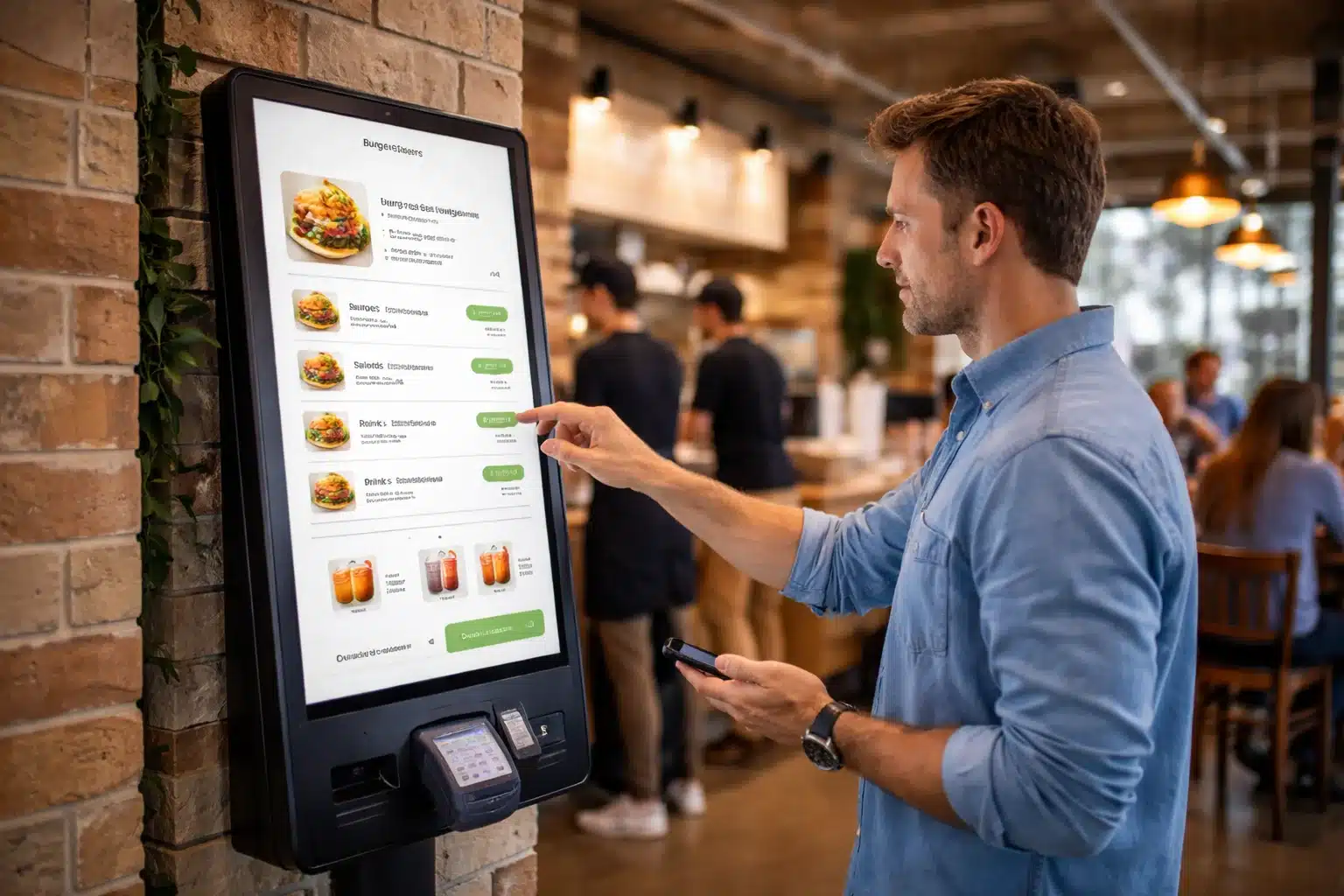
Mobile POS adoption has also increased across Utah eateries. Servers can take orders tableside or process payments curbside, which shortens wait times and improves accuracy. For example, busy downtown restaurants often use mobile POS devices during peak hours to handle overflow efficiently. As a result, service remains smooth even when dining rooms are full.
Data-driven management represents another major trend. Restaurants increasingly rely on real-time analytics to understand sales patterns, menu performance, and labor efficiency. With a Utah restaurant pos that provides detailed reporting, owners can identify best-selling items, underperforming menu sections, and ideal staffing levels. This insight turns raw data into actionable strategy.
POS for Utah Eateries Across Dining Models
Utah’s dining scene includes fast food, fast casual, full service restaurants, food trucks, and catering businesses. Each model places different demands on a Utah restaurant pos. Quick service locations focus on speed and throughput, while full service restaurants require advanced table management and coursed meal tracking. A flexible system adapts to these varied needs.
Food trucks and pop-up restaurants rely heavily on mobile POS solutions. These businesses often operate in areas with limited connectivity, so offline functionality becomes critical. A Utah restaurant pos with offline support ensures transactions continue even when internet access drops. Once connectivity returns, data syncs automatically.
Multi-location brands and catering operations need centralized control. A robust Utah restaurant pos allows owners to manage menus, pricing, and reports across all locations from one dashboard. At the same time, individual sites can adjust staffing or specials to match local demand. This balance supports both consistency and flexibility.
Utah Hospitality POS and Guest Expectations
Guest expectations in Utah have changed alongside technology adoption. Diners expect fast service, accurate orders, and flexible payment options. A modern Utah restaurant pos supports these expectations by streamlining workflows and reducing friction at every touchpoint. When systems work smoothly, staff can focus more on hospitality.
Contactless payments have become common across Utah restaurants. Many customers prefer tapping a card or using a mobile wallet instead of handling cash. POS systems that support contactless payments speed up checkout and enhance perceived safety. This convenience often leads to higher customer satisfaction.
Customer loyalty programs also influence guest behavior. Restaurants that reward repeat visits often see higher retention rates and increased average order value. A Utah restaurant pos with built-in loyalty tools tracks visits and automates rewards. Over time, this strengthens relationships and encourages repeat business.

Core Features Every Utah Restaurant POS Should Offer
Not all point of sale systems deliver equal value. When selecting a Utah restaurant pos, owners should focus on features that improve accuracy, speed, and insight. These capabilities directly impact daily operations and long-term performance.
Order Management and Kitchen Display Systems
Order management forms the foundation of any Utah restaurant pos. Digital order entry ensures that items flow instantly from the front of house to the kitchen. This eliminates handwritten tickets and reduces the chance of miscommunication. Accuracy improves because modifiers and special requests appear clearly on screen.
Kitchen display systems replace printed tickets with organized digital queues. Cooks can view orders by priority, track preparation times, and mark items as complete. This visibility improves coordination during busy periods. Front of house staff receive real-time updates, which helps them communicate accurate wait times to guests.
Over time, strong order management reduces waste and improves consistency. Restaurants can analyze preparation times and identify bottlenecks. A Utah restaurant pos with integrated kitchen displays creates a smoother workflow that benefits both staff and customers.
Payment Processing and Secure Transactions
Payment processing remains one of the most critical functions of a Utah restaurant pos. Customers expect fast, seamless checkout experiences regardless of payment method. Modern systems support credit cards, debit cards, mobile wallets, and contactless payments. This flexibility reduces friction at the point of sale.
Security plays a vital role in payment processing. Encryption and tokenization protect sensitive cardholder data during transactions. These measures help restaurants comply with industry standards and reduce the risk of fraud. A secure Utah restaurant pos builds trust with customers.
Tip management also benefits from integrated payment tools. Servers can track tips accurately, while managers generate detailed reports for payroll. This transparency reduces disputes and supports fair compensation. Over time, streamlined payments improve both efficiency and morale.
Customizable Menu and Inventory Tracking
A customizable menu allows restaurants to reflect their brand identity and adapt to seasonal changes. A Utah restaurant pos lets managers update prices, add modifiers, and introduce specials instantly. Changes sync across all devices, ensuring consistency between front of house and online ordering platforms.
Inventory tracking connects menu sales with ingredient usage. Each transaction updates stock levels automatically, giving managers real-time visibility. When ingredients approach low levels, alerts help prevent shortages. This proactive approach reduces waste and improves purchasing decisions.
Over time, inventory data reveals usage trends and cost patterns. Owners can adjust portion sizes or negotiate supplier pricing based on accurate data. A Utah restaurant pos that combines menu management with inventory tracking supports stronger margins.
Compliance and Operations for Utah Food Service
Utah restaurants operate under specific regulations covering taxes, food safety, and labor practices. A Utah restaurant pos simplifies compliance by automating record keeping and reporting. This support reduces administrative burden and minimizes risk.
Utah Food Service Regulations and POS Support
Utah food service regulations require accurate sales tax calculation and detailed transaction records. A Utah restaurant pos automates tax application at checkout, reducing manual errors. This accuracy becomes especially important during audits or inspections.
Digital receipts and stored transaction histories provide clear documentation. Managers can quickly retrieve records when needed, saving time during compliance checks. This organization reduces stress and improves confidence during regulatory reviews.
Some POS systems also support reporting for alcohol sales or special permits. These features help restaurants comply with state requirements without disrupting service. Technology becomes a safeguard rather than an obstacle.
Staff Scheduling and Labor Management
Labor represents one of the largest expenses for Utah restaurants. A Utah restaurant pos with staff scheduling tools helps align labor with demand. Managers can forecast busy periods using historical sales data and schedule accordingly.
Time tracking features record clock-ins and clock-outs accurately. This data feeds directly into payroll, reducing errors and disputes. Employees benefit from transparent records of hours and tips.
Over time, labor reports reveal patterns that guide smarter staffing decisions. Restaurants can reduce overtime, avoid understaffing, and maintain service quality. Effective labor management supports both profitability and employee satisfaction.
Sales Reporting and Real-Time Analytics
Sales reporting provides insight into what drives revenue. A Utah restaurant pos generates detailed reports on daily sales, menu performance, and peak hours. Because data updates in real time, managers can respond quickly to changes.
Comparative reports allow owners to track performance across days, weeks, or locations. This visibility highlights trends and potential issues. For example, declining sales in one category may signal a need for menu adjustments.
Real-time analytics also support marketing and loyalty strategies. Restaurants can identify frequent customers and tailor promotions accordingly. Data-driven decisions lead to more effective strategies.
Scaling and Growing With a Utah Restaurant POS
Growth requires systems that scale without adding complexity. A Utah restaurant pos should support expansion, new revenue channels, and evolving customer expectations. Flexibility becomes essential as businesses grow.
Multi-Location Support and Centralized Control
Multi-location restaurants benefit from centralized management. A Utah restaurant pos allows owners to control menus, pricing, and reports across all locations from one dashboard. Updates apply instantly, ensuring consistency.
Local managers still retain autonomy. They can adjust staffing or promotions based on neighborhood demand. This balance supports brand standards while respecting local preferences.
Centralized reporting simplifies accounting and performance analysis. Owners gain a clear overview of the entire operation without juggling separate systems.
Online Ordering Integration and Mobile POS
Online ordering has become a key revenue channel for Utah restaurants. A Utah restaurant pos that integrates online orders keeps all transactions in one system. Orders flow directly into the kitchen, reducing manual entry and errors.
Mobile POS devices extend service flexibility. Servers can process payments anywhere, improving speed during peak hours. This capability supports curbside pickup and outdoor dining.
Integrated systems ensure menu accuracy across channels. Customers see consistent pricing and availability, which builds trust and reduces complaints.
Customer Loyalty Programs and Engagement
Loyalty programs encourage repeat visits and higher spending. A Utah restaurant pos tracks purchase history and rewards frequent diners automatically. Personalized offers feel more relevant and engaging.
Digital loyalty programs simplify enrollment and management. Customers can join using a phone number or email, eliminating physical cards. This convenience increases participation.
Over time, loyalty data reveals valuable insights into customer behavior. Restaurants can refine marketing efforts and improve retention. Strong engagement supports long-term success.

Why Biyo POS Fits Utah Restaurants
Biyo POS delivers a flexible and modern Utah restaurant pos designed specifically for real-world restaurant operations. It brings order management, payment processing, kitchen display systems, and real-time analytics together in one cloud-based platform. Because everything runs within a single system, Utah restaurants avoid the complexity and errors that come from using disconnected tools.
Biyo POS is built with scalability in mind, making it a strong fit for both single-location restaurants and growing multi-location brands across Utah. Restaurant owners can manage menus, pricing, staff permissions, and reporting from one centralized dashboard while still allowing each location to operate independently. This structure supports consistency without sacrificing flexibility.
Security and compliance are also core strengths of Biyo POS. The platform supports secure transactions, contactless payments, detailed sales reporting, and tools that help restaurants stay aligned with Utah food service regulations. To see how Biyo POS can support your operation, you can schedule a call with the team or sign up to get started.
Frequently Asked Questions
What makes a Utah restaurant POS different from generic systems?
A Utah restaurant pos supports local tax rules, food service regulations, and regional dining trends. It adapts to the state’s mix of urban, suburban, and tourist-driven markets.
Can a Utah restaurant POS handle multiple locations?
Yes, many systems offer centralized management for menus, pricing, and reporting across multiple locations.
Does a Utah restaurant POS support contactless payments?
Most modern systems support tap-to-pay cards and mobile wallets, improving speed and convenience.
How does a POS help with inventory tracking?
Inventory tracking links sales to ingredient usage, updating stock levels automatically and reducing waste.
Is cloud-based POS reliable for Utah restaurants?
Cloud-based systems provide remote access and automatic updates. Offline modes ensure continued operation during brief outages.