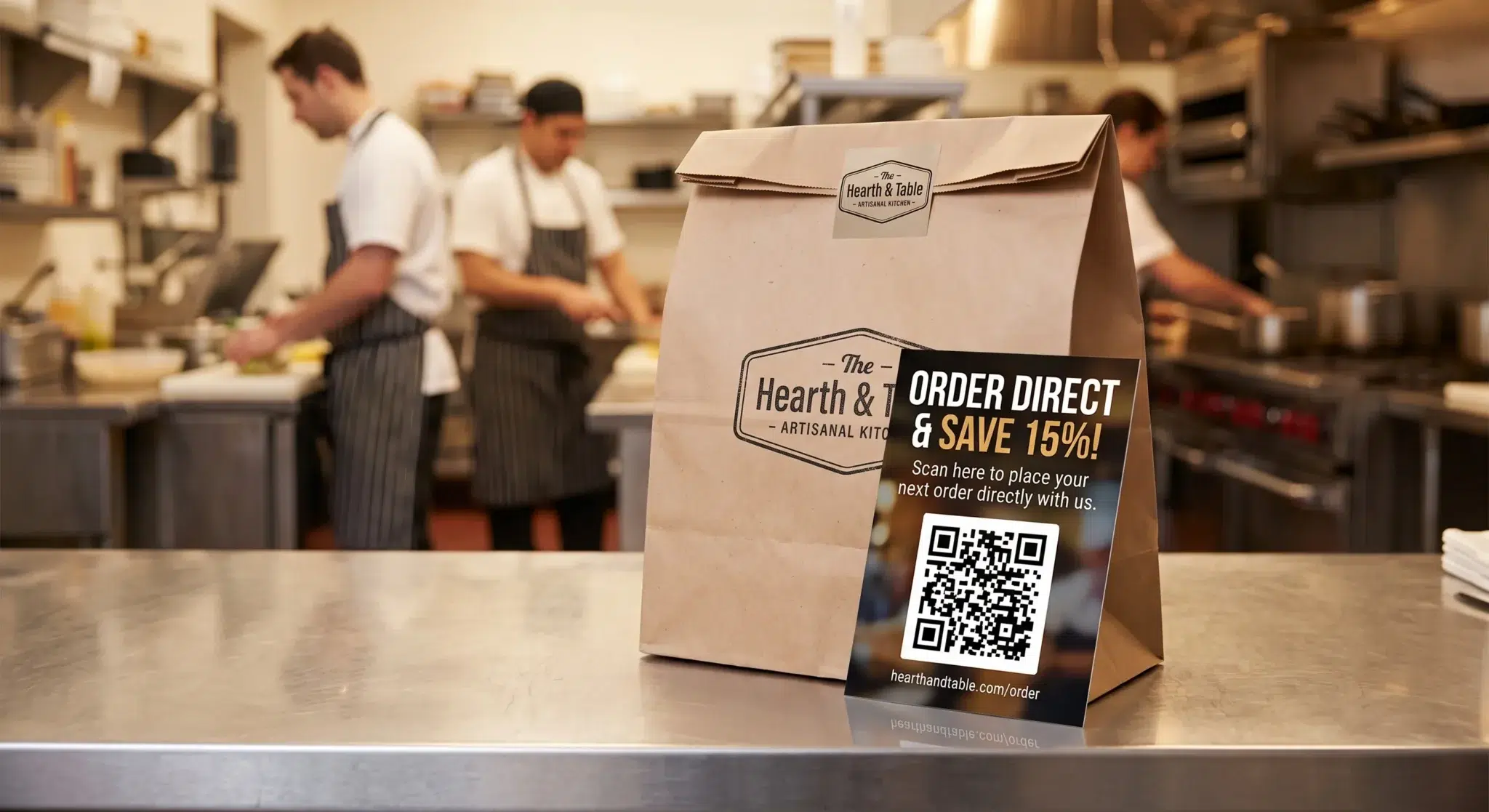
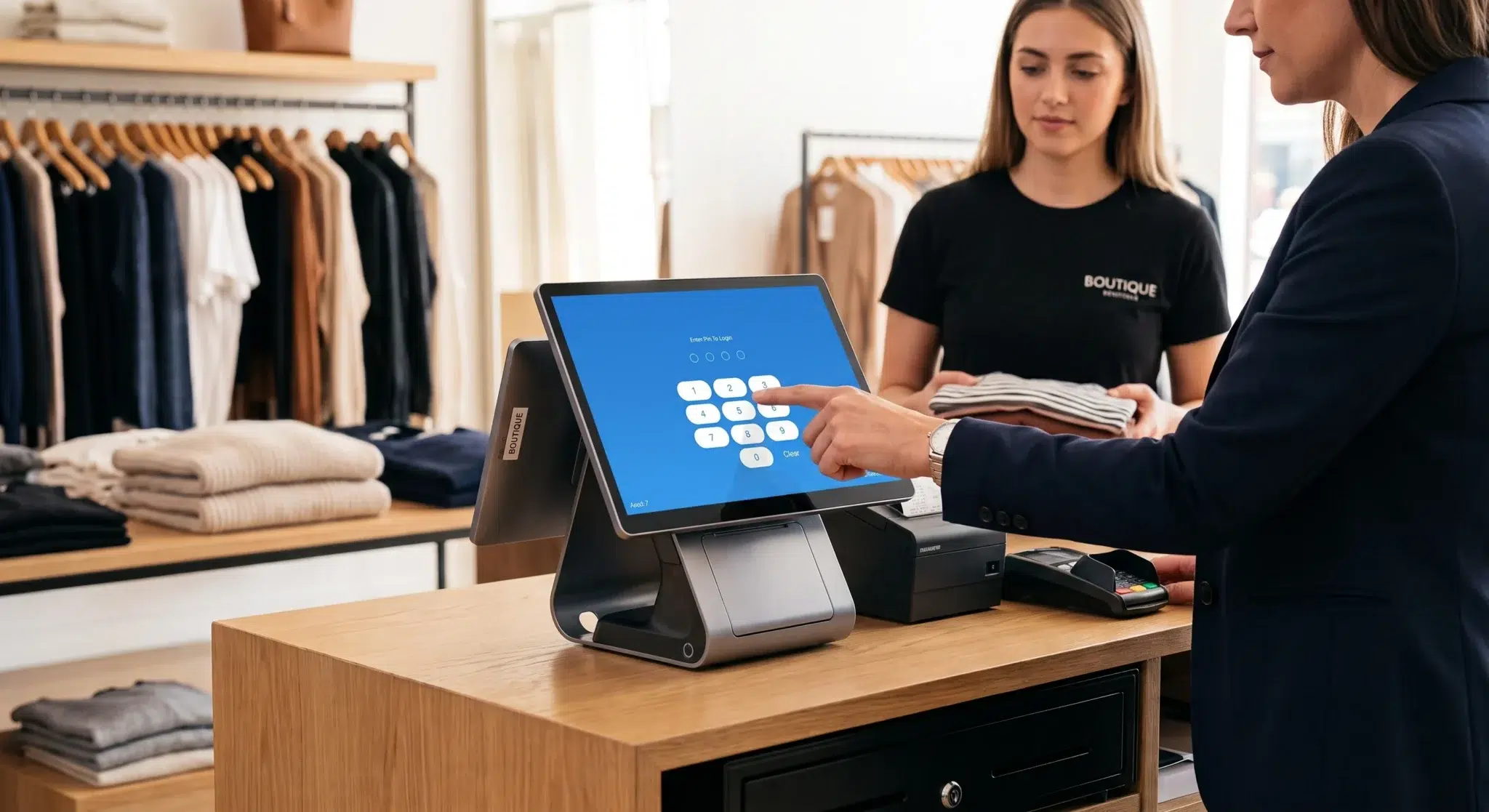
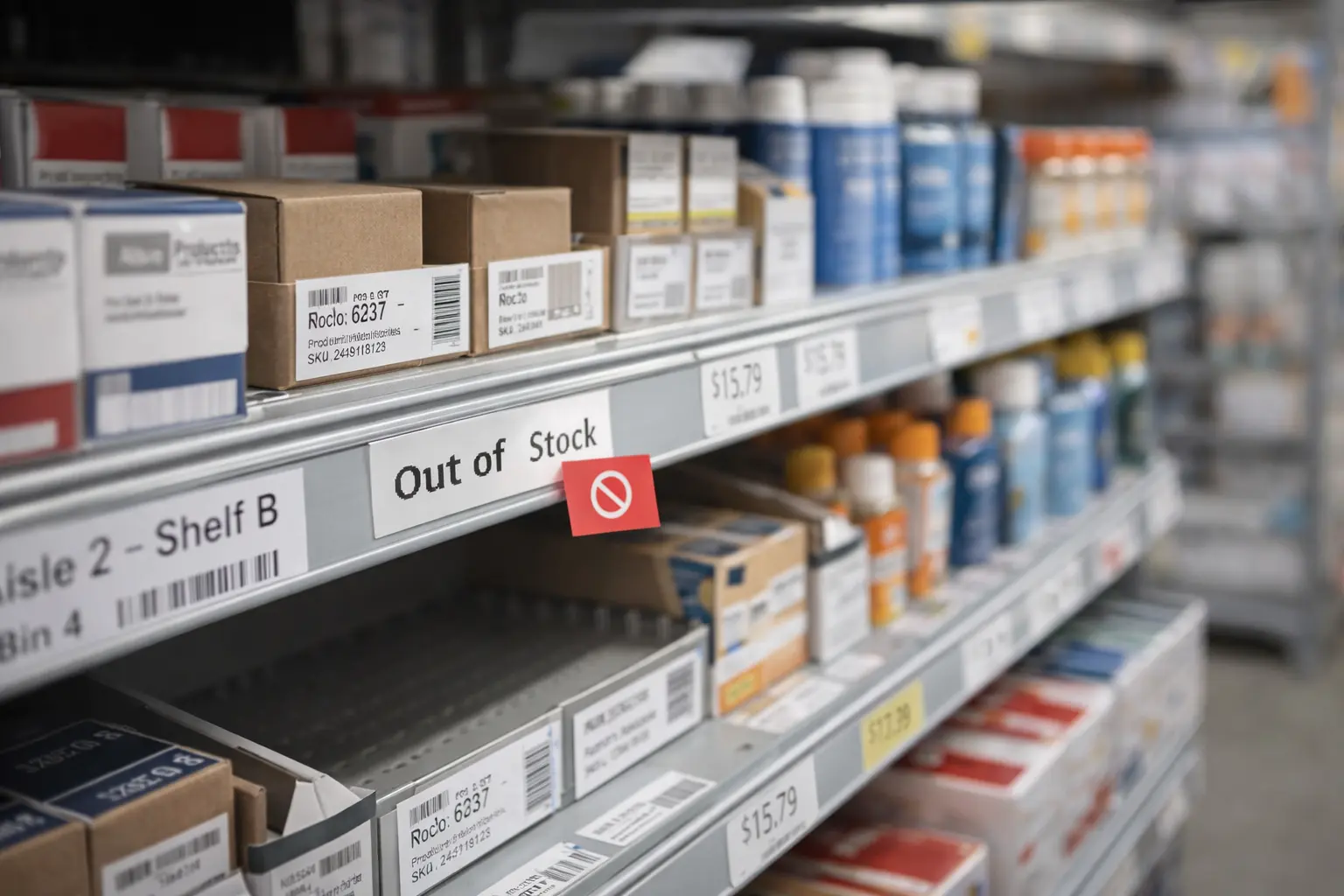
Operating a successful coffee shop or bistro requires much more than serving exceptional coffee and creating a welcoming atmosphere. Modern customers expect speed, convenience, personalization, and seamless payment experiences every time they visit. Whether someone is grabbing a latte on the way to work, meeting friends for brunch, or settling in with a laptop for several hours, their experience is shaped by how efficiently your business operates behind the scenes.
This is why investing in the right POS solution for coffee shops and bistros has become one of the most important decisions owners can make. A modern point-of-sale system does far more than process payments. It serves as the operational hub of the business, connecting ordering, inventory, staff management, customer loyalty, reporting, and payment processing into one centralized platform. When implemented correctly, a POS system can improve service speed, reduce costly mistakes, increase average order values, and provide the data needed to make smarter business decisions.
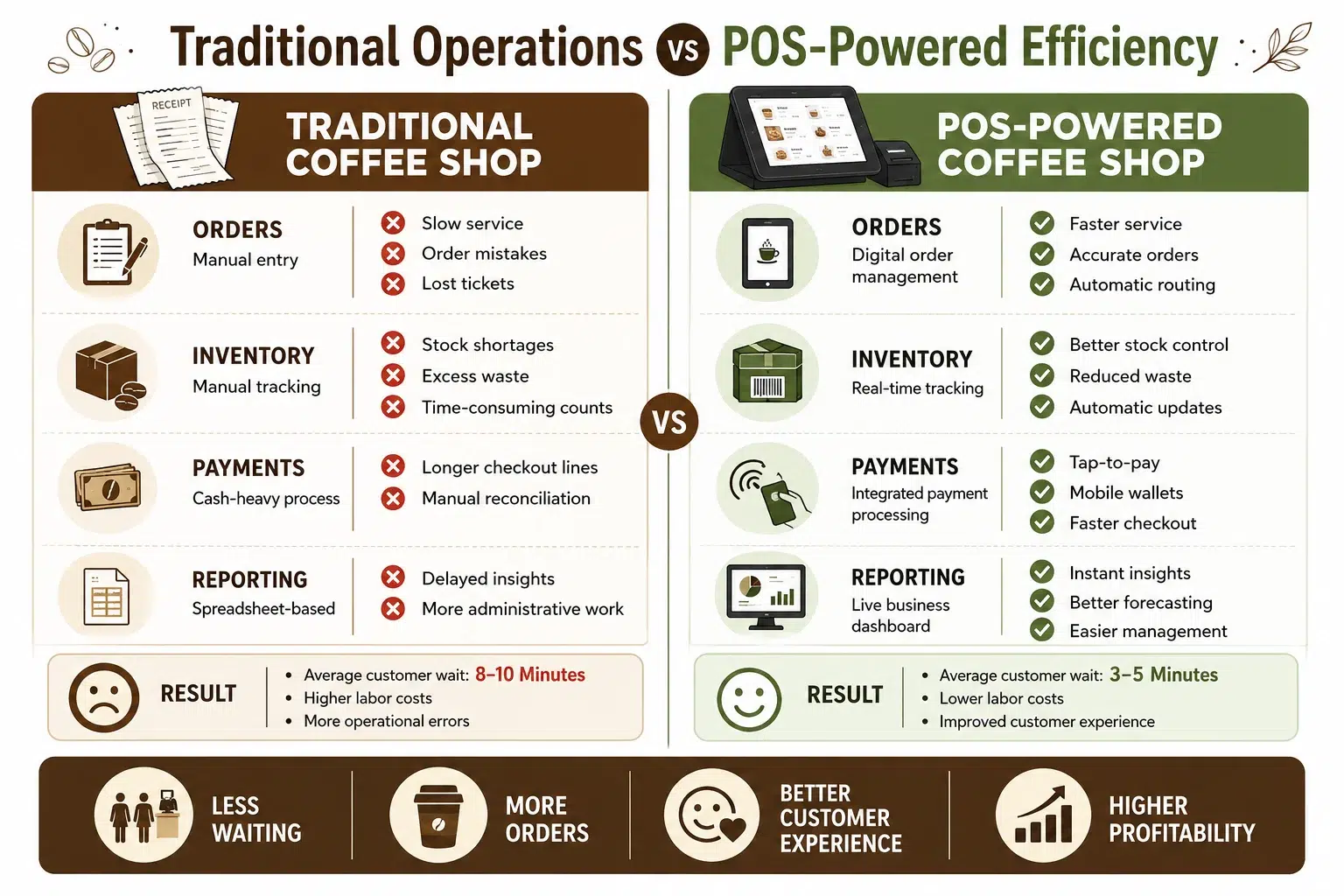
The coffee shop industry continues to evolve rapidly as customer expectations rise and competition intensifies. Independent cafés, specialty coffee shops, and neighborhood bistros must balance hospitality with efficiency. Businesses that still rely on outdated cash registers or disconnected software often struggle with order inaccuracies, inventory waste, labor inefficiencies, and limited visibility into performance metrics.
In this comprehensive guide, we’ll explore the features that matter most in a POS solution for coffee shops and bistros, examine how modern systems improve daily operations, discuss ways they enhance customer experiences, and explain how reporting and analytics help drive sustainable growth.
Table of Contents
- Essential Features in a POS Solution for Coffee Shops and Bistros
- Enhancing Daily Operations with a Modern POS
- Improving Customer Experience with Smart POS Features
- Using Analytics and Reporting to Drive Growth
- How to Choose the Right POS Solution for Coffee Shops and Bistros
- Why Biyo POS is the Ideal Choice
- Frequently Asked Questions
Essential Features in a POS Solution for Coffee Shops and Bistros
Modern cafés and bistros require far more functionality than traditional cash registers can provide. Today’s businesses need systems capable of managing high transaction volumes, handling complex drink customizations, tracking inventory in real time, and delivering actionable business insights. The best POS solutions combine these capabilities into a single platform that simplifies operations without creating additional complexity.
When evaluating a POS solution, owners should focus on features that directly improve efficiency, customer satisfaction, and profitability. The right system should not only support today’s needs but also scale alongside future business growth.
Order Management and Quick Service POS
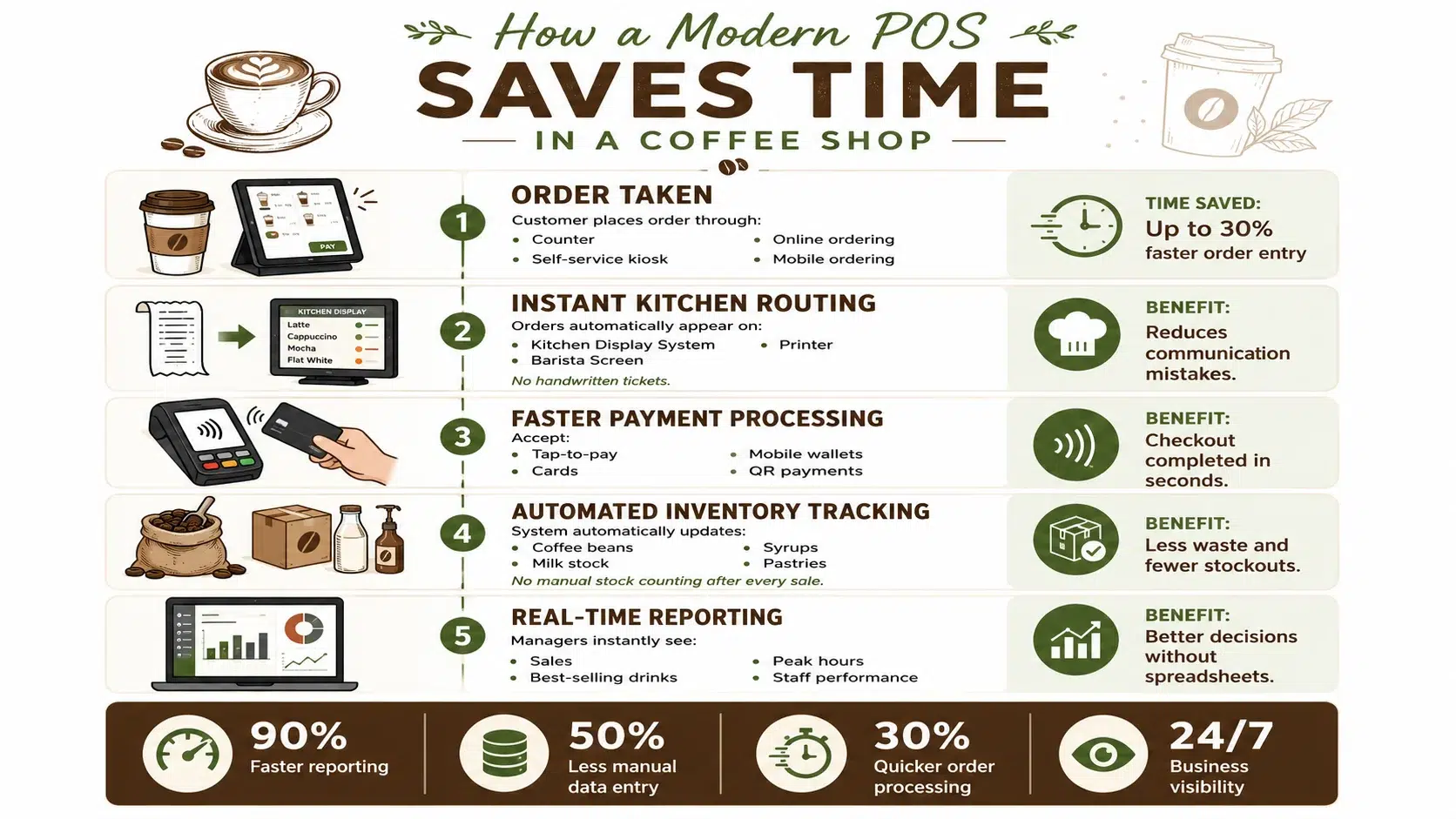
Order management sits at the heart of every successful coffee shop operation. Morning rush periods can generate dozens or even hundreds of orders within a short timeframe. During these peak periods, speed and accuracy become critical. A modern quick service POS allows employees to enter complex drink orders rapidly while ensuring every customization is captured correctly.
Consider a customer ordering a large oat milk cappuccino with an extra espresso shot, sugar-free vanilla syrup, and light foam. Recording these details manually creates opportunities for mistakes and miscommunication. A POS system standardizes the process by providing intuitive modifiers and customizable menus that ensure order accuracy from the moment the transaction begins.
The benefits extend beyond order entry. Orders can be routed instantly to kitchen display systems or barista stations, eliminating delays caused by handwritten tickets or verbal communication. Staff members remain synchronized throughout the preparation process, reducing confusion and improving service consistency.
Many cafés discover that even small improvements in transaction speed generate significant operational benefits. Reducing average order times by 20 to 30 seconds may seem minor, but across hundreds of transactions per day, these gains can dramatically shorten wait times and increase customer throughput.
Menu Customization and Receipt Printing
Coffee shops thrive on flexibility and creativity. Seasonal beverages, specialty ingredients, and limited-time promotions help businesses maintain customer interest throughout the year. A modern POS solution should make menu updates simple and accessible, allowing managers to add, modify, or remove items without requiring technical expertise.
For example, introducing a seasonal peppermint mocha during the holidays or launching a new cold brew flavor during summer should take only minutes. The ability to update menus quickly enables businesses to respond to trends, customer preferences, and supplier availability without disrupting operations.
Menu customization also creates valuable upselling opportunities. When customers select beverages, the system can suggest premium syrups, larger sizes, extra espresso shots, or complementary food items. These recommendations encourage higher spending while enhancing the overall customer experience.
Receipt printing remains an underrated marketing tool. Modern systems can print personalized messages, loyalty progress updates, promotional offers, or invitations to future events. Even a simple message informing customers that they are one purchase away from a reward can encourage repeat visits and strengthen loyalty.
Contactless Payments and Multi-Device Synchronization
Consumer payment preferences have changed dramatically over the past decade. Customers increasingly expect contactless options such as tap-to-pay cards, mobile wallets, and digital payment applications. Businesses that fail to support these methods risk frustrating customers and slowing checkout processes.
A high-quality POS solution should support multiple payment types while maintaining fast transaction speeds and strong security standards. Contactless payments reduce checkout friction and help customers complete purchases more quickly, particularly during busy periods.
Multi-device synchronization is equally important. Owners and managers often need access to operational data from various devices throughout the day. Whether reviewing sales from a tablet, monitoring inventory from a desktop, or checking reports from a smartphone, synchronized systems provide consistent access to real-time information.
This flexibility allows managers to stay informed and make decisions regardless of where they are located.
 Enhancing Daily Operations with a Modern POS
 Enhancing Daily Operations with a Modern POS
Operational efficiency determines whether a coffee shop simply survives or consistently grows. Every minute saved during ordering, inventory management, scheduling, or reporting creates opportunities to improve customer service and increase profitability.
A well-designed POS system removes many of the manual processes that traditionally consume valuable time. By automating routine tasks and providing real-time visibility into operations, businesses can focus more energy on customer experiences and strategic growth.
Inventory Tracking and Waste Reduction
Inventory management remains one of the biggest challenges facing coffee shops and bistros. Popular ingredients such as milk, coffee beans, syrups, pastries, and fresh produce require careful monitoring to avoid shortages or excessive waste.
Modern POS systems automatically deduct inventory as items are sold. This real-time tracking provides accurate visibility into stock levels and helps managers identify purchasing patterns. Instead of relying on manual counts and spreadsheets, businesses can make data-driven decisions about ordering and inventory control.
Accurate inventory management reduces spoilage, prevents stockouts, and improves cash flow. For businesses operating on tight margins, these improvements can have a meaningful impact on profitability.
Employee Management and Scheduling
Labor represents one of the largest expenses for most cafés and bistros. Efficient scheduling helps balance service quality with labor costs while ensuring adequate staffing during peak periods.
Integrated employee management features allow managers to track hours, monitor productivity, and analyze labor costs alongside sales performance. This visibility makes it easier to identify staffing inefficiencies and optimize scheduling decisions.
Some systems also provide role-based permissions, allowing owners to control employee access levels and reduce the risk of unauthorized transactions or operational errors.
Faster Reporting and Decision-Making
Traditional reporting often requires significant manual effort. Owners may spend hours compiling sales information, calculating inventory usage, and analyzing performance metrics.
Modern POS systems automate these processes by generating reports in real time. Managers can instantly view daily sales, average ticket sizes, bestselling products, peak traffic periods, and labor costs. Access to accurate data supports faster decision-making and enables businesses to respond proactively to operational challenges.
Improving Customer Experience with Smart POS Features
Customer experience has become one of the most important differentiators in the coffee shop industry. Great coffee may attract first-time visitors, but exceptional experiences create loyal customers who return regularly and recommend the business to others.
A modern POS system contributes directly to customer satisfaction by making interactions faster, more personalized, and more convenient.
Loyalty Programs That Encourage Repeat Visits
Loyalty programs remain one of the most effective customer retention tools available to coffee shops. Customers appreciate being recognized and rewarded for their continued support.
Integrated loyalty programs eliminate the need for physical punch cards while allowing businesses to track customer activity automatically. Rewards can be customized based on spending habits, visit frequency, or specific purchasing behaviors.
When customers see clear progress toward rewards, they are more likely to return frequently and spend more during each visit.
Personalized Customer Experiences
Modern consumers increasingly expect personalization. A POS system that tracks customer preferences enables staff to provide more tailored service.
For example, a regular customer who consistently orders an oat milk latte may appreciate personalized recommendations when new dairy-free beverages are introduced. These small touches create stronger emotional connections and improve overall satisfaction.
Personalization also enhances marketing efforts by allowing businesses to send targeted promotions based on purchase history and customer behavior.
Online Ordering and Mobile Convenience
Online ordering has become a major revenue channel for many cafés and bistros. Customers appreciate the ability to place orders ahead of time, avoid waiting in line, and pick up purchases at their convenience.
A POS system that integrates seamlessly with online ordering platforms ensures orders flow directly into the operational workflow without requiring manual entry. This integration reduces errors, improves efficiency, and provides a smoother customer experience.
As consumer preferences continue shifting toward convenience, online ordering capabilities are becoming increasingly essential.
Using Analytics and Reporting to Drive Growth
Data has become one of the most valuable assets in the hospitality industry. Successful businesses no longer rely solely on intuition when making decisions. Instead, they leverage analytics to understand customer behavior, optimize operations, and identify growth opportunities.
Identifying Best-Selling Products
Sales reports reveal which products generate the most revenue and profit. Understanding these trends allows businesses to refine menus, improve promotions, and focus resources on high-performing items.
For example, if specialty cold brews consistently outperform traditional iced coffee, management can allocate more marketing resources to that category and explore additional flavor variations.
Understanding Customer Traffic Patterns
Analytics help businesses identify peak operating periods and customer traffic patterns. This information supports staffing decisions, inventory planning, and promotional scheduling.
Knowing when customers are most likely to visit enables businesses to allocate resources efficiently and improve service quality during high-demand periods.
Measuring Business Performance
Growth requires measurable goals. POS reporting tools provide visibility into key performance indicators such as average transaction value, customer retention rates, labor costs, and profit margins.
By monitoring these metrics consistently, owners can evaluate strategies objectively and make adjustments based on real performance data rather than assumptions.
How to Choose the Right POS Solution for Coffee Shops and Bistros
Selecting a POS system should involve more than comparing prices. The right solution should align with business objectives, operational requirements, and future growth plans.
Owners should prioritize usability, scalability, reliability, reporting capabilities, and customer support when evaluating options.
Important considerations include:
- Ease of use for staff members
- Inventory management capabilities
- Loyalty and customer engagement features
- Online ordering integration
- Reporting and analytics tools
- Payment processing flexibility
- Multi-location support
- Training and customer support availability
The most affordable system is not always the most cost-effective. Investing in a platform that improves efficiency and supports growth often generates significantly greater long-term value.
 Why Biyo POS is the Ideal Choice
 Why Biyo POS is the Ideal Choice
Coffee shops and bistros require technology that supports both operational efficiency and exceptional customer experiences. Biyo POS provides an integrated platform designed to simplify daily operations while giving owners greater visibility into performance.
With features including real-time reporting, inventory tracking, employee management, customer loyalty tools, online ordering support, and flexible payment processing, Biyo POS helps businesses streamline workflows and improve profitability. Managers can access valuable business insights from a centralized dashboard while maintaining complete control over sales, inventory, and customer engagement activities.
Businesses looking to modernize their operations can schedule a consultation to explore how Biyo POS fits their specific needs. Those ready to implement a comprehensive POS solution can also create an account and begin optimizing operations immediately.
Frequently Asked Questions
What features should a coffee shop POS system include?
A coffee shop POS system should include order management, menu customization, inventory tracking, loyalty programs, employee management, reporting tools, payment processing, and online ordering integration. These features help streamline operations while improving customer experiences.
Why is inventory management important for coffee shops?
Inventory management helps businesses monitor ingredient usage, prevent shortages, reduce waste, and improve purchasing decisions. Accurate inventory tracking directly impacts profitability and operational efficiency.
How does a POS system improve customer service?
A POS system improves service by reducing order errors, accelerating checkout times, supporting personalized interactions, and enabling loyalty rewards. These improvements create smoother experiences and encourage repeat visits.
Can a POS system help increase sales?
Yes. Modern POS systems support upselling opportunities, customer retention programs, targeted promotions, and data-driven decision-making. These capabilities help businesses increase revenue and maximize customer lifetime value.
Do coffee shops need online ordering capabilities?
Online ordering has become increasingly important as customers seek convenience and speed. Integrated online ordering systems improve customer satisfaction while creating additional revenue opportunities.
How do loyalty programs benefit cafés and bistros?
Loyalty programs encourage repeat visits by rewarding customers for ongoing purchases. They strengthen customer relationships, improve retention, and often increase average spending over time.
What reports should coffee shop owners monitor regularly?
Owners should review sales performance, inventory usage, labor costs, average ticket size, customer traffic patterns, and profitability reports. These insights help identify opportunities for improvement and support strategic decision-making.
Is a cloud-based POS system better than a traditional system?
Cloud-based POS systems offer greater flexibility, remote access, automatic updates, and easier scalability. For many modern coffee shops and bistros, these advantages make cloud-based solutions the preferred choice.