Restaurant marketing is no longer optional—it is a survival mechanism in one of the most competitive industries in the world. According to the National Restaurant Association, the U.S. restaurant industry alone generates over $997 billion in annual sales, with more than one million locations competing for customer attention. In this environment, relying solely on food quality is not enough. Strategic, data-driven restaurant marketing determines whether a business thrives or quietly disappears.
Modern restaurant marketing goes beyond simple promotions. It combines branding, digital presence, customer retention systems, advertising psychology, and measurable performance tracking. The goal is not just attracting traffic—it is increasing customer lifetime value (LTV), lowering acquisition costs (CAC), and building predictable revenue streams.
This guide explores restaurant marketing through a strategic lens, supported by data, real-world examples, and performance logic.
Table of Contents
Importance of Restaurant Marketing
Over 60% of diners say they discover new restaurants through online searches or social media platforms. Additionally, 94% of consumers say online reviews influence their dining decisions. These numbers alone highlight why restaurant marketing must be structured and intentional.
Restaurant marketing serves three primary functions:
- Customer acquisition
- Customer retention
- Brand positioning
Without consistent visibility, even exceptional restaurants struggle. Effective marketing ensures your restaurant is not just another option—it becomes the preferred choice.
Branding plays a foundational role. A unique identity increases recall and differentiates your concept from competitors. Strong branding reduces price sensitivity because customers associate your restaurant with experience, not just food.

Effective Dining Marketing Strategies
Strategic restaurant marketing focuses on both immediate revenue and long-term retention.
Event-Based Marketing
Restaurants that host regular themed events report higher repeat visitation rates. According to industry surveys, experiential dining events can increase weekly traffic by 15–25% when promoted effectively.
Examples include:
- Chef tasting nights
- Live music evenings
- Seasonal tasting menus
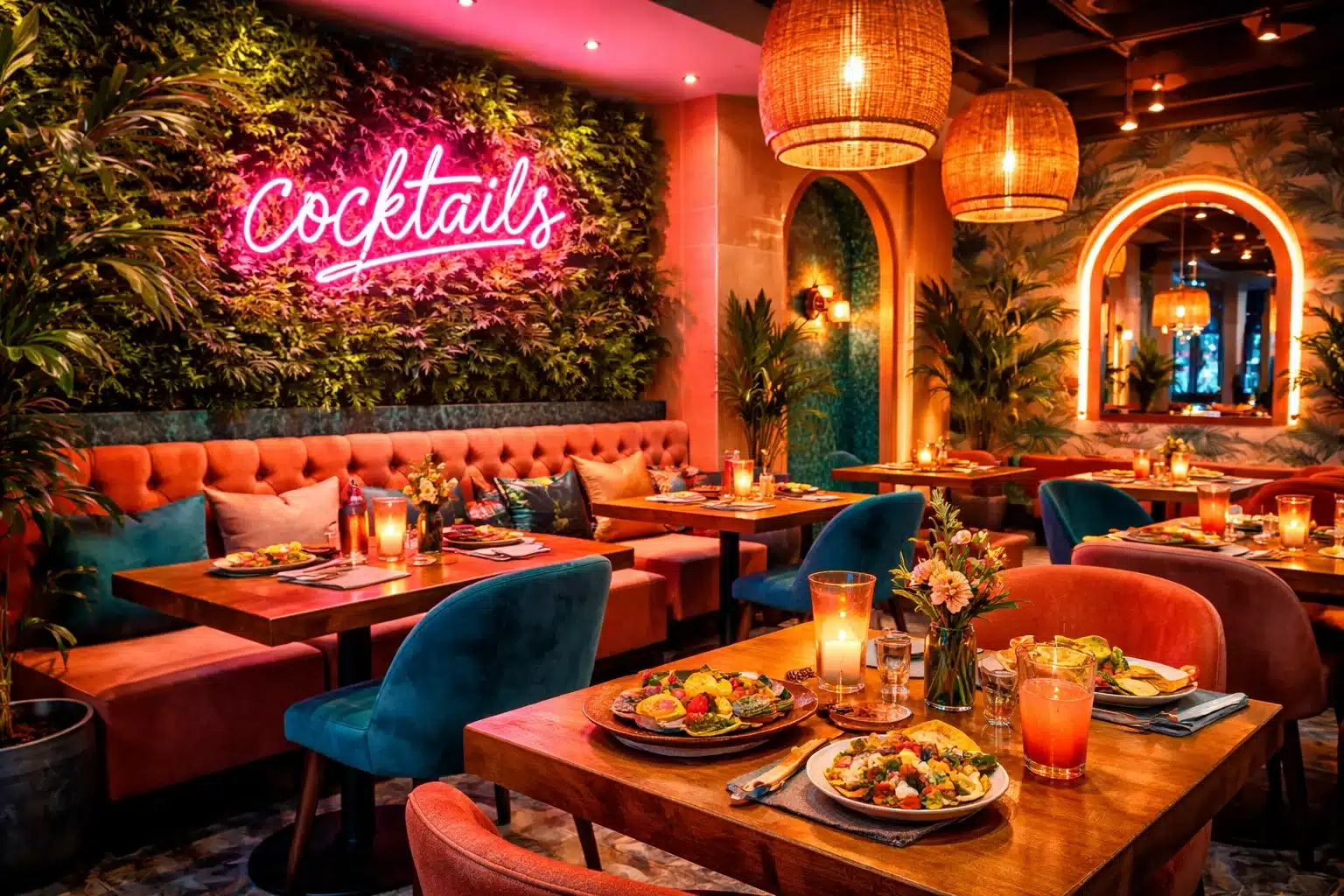
- Wine or cocktail pairing events
The key is scarcity and scheduling consistency.
Loyalty Programs with ROI Logic
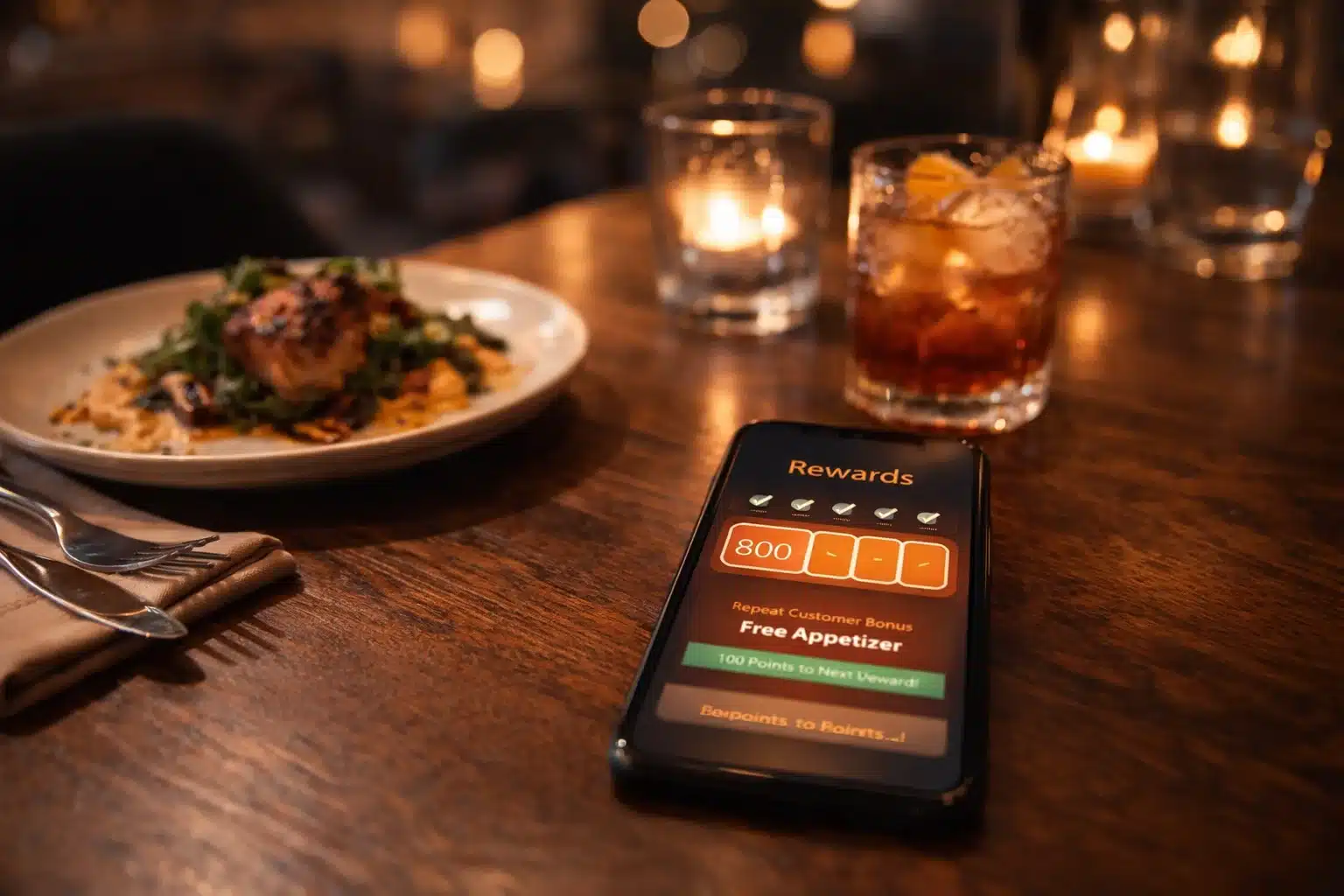
Research shows increasing customer retention by just 5% can increase profits by 25–95%. Loyalty programs are one of the most effective ways to increase retention.
Rather than simple punch cards, digital loyalty systems integrated with POS software allow restaurants to track customer frequency, spending patterns, and reward effectiveness.
For example:
- Free appetizer after 5 visits
- Tiered rewards for high spenders
- Birthday bonuses
The objective is increasing visit frequency, not just discounting.
Social Media Marketing for Restaurants
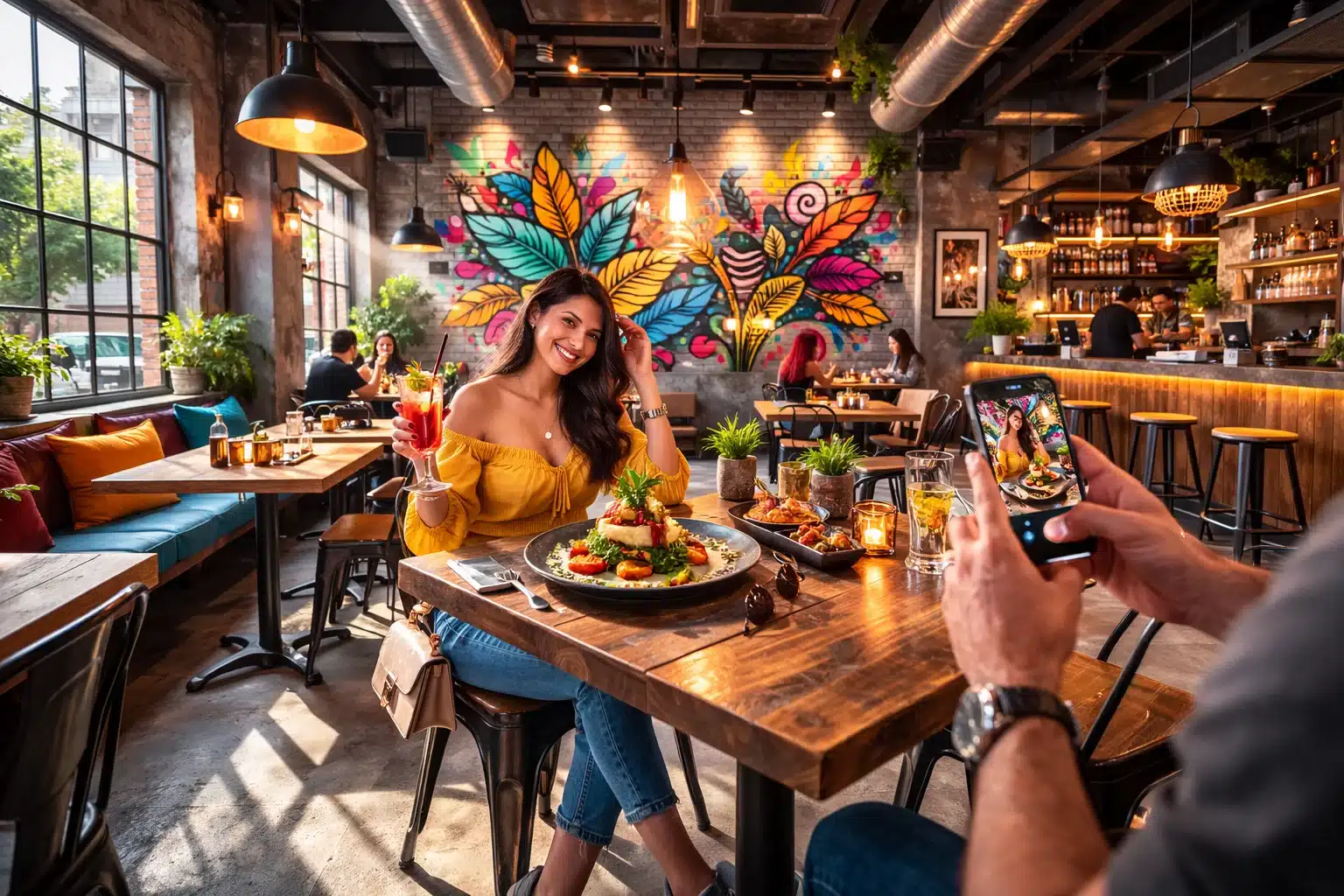
Over 70% of diners use Instagram to research restaurants before visiting. Visual content significantly influences dining decisions.
Effective strategies include:
- High-quality food photography
- Behind-the-scenes preparation videos
- Customer testimonials
- Limited-time promotions
Short-form video content on platforms like TikTok has especially strong organic reach potential. Restaurants that post 3–5 times weekly maintain stronger audience engagement.
Contests and giveaways increase exposure, but consistency builds trust.
Promotional Events and Loyalty Programs
Promotions should align with business goals.
Limited-Time Promotions
Scarcity-based promotions create urgency. Time-restricted offers can increase off-peak traffic by up to 20%.
Integrated Loyalty Communication
Sending personalized email or app notifications increases redemption rates significantly compared to generic campaigns.
Using POS systems like Biyo POS allows automated tracking and segmentation.
Digital Marketing for Restaurants
A mobile-optimized website is critical. Over 60% of restaurant searches happen on mobile devices.
Email marketing delivers an average ROI of $36 for every $1 spent. Segmenting customers based on behavior improves open rates and conversions.
Online reputation management is equally important. A one-star increase in Yelp rating can increase revenue by 5–9%.
Enhancing Customer Engagement
Customer experience directly affects marketing success. Engaged customers leave reviews, share photos, and recommend restaurants.
Interactive technologies such as digital ordering tablets and loyalty apps increase perceived convenience.
Experiential events such as cooking classes build emotional attachment.

Restaurant Advertising Campaigns
Paid advertising accelerates growth when structured correctly.
Google Ads and Facebook Ads allow geo-targeting and demographic segmentation. Restaurants can track cost per acquisition and adjust campaigns accordingly.
Influencer partnerships, when measurable, increase exposure among niche audiences.
The key metric is return on ad spend (ROAS). Without measurement, advertising becomes guessing.
FAQs
How much should a restaurant spend on marketing?
Most successful restaurants allocate 3–6% of revenue toward marketing, with new establishments often investing closer to 8–10% during launch phases.
What marketing strategy generates the highest ROI?
Loyalty programs and email marketing often generate the highest ROI due to low distribution costs and strong retention impact.
Does social media directly increase revenue?
Indirectly yes. Social media increases visibility, engagement, and traffic, which converts to revenue when paired with strong offers.
How important are online reviews?
Extremely important. 94% of diners read reviews before choosing a restaurant, and rating improvements directly correlate with revenue growth.
Can small restaurants compete with large chains?
Yes. Local authenticity, personalized service, and targeted marketing allow independent restaurants to outperform larger competitors in niche markets.