Restaurant marketing is no longer optional in today’s food industry. It has become one of the most important factors determining whether a restaurant grows consistently or slowly disappears in an overcrowded market. According to the National Restaurant Association, the U.S. restaurant industry generates more than $997 billion in annual sales while competing across more than one million restaurant locations. That level of saturation means even excellent food and customer service are often not enough on their own.
Many restaurant owners still assume that quality food naturally creates enough word-of-mouth exposure to sustain long-term growth. While food quality absolutely matters, relying entirely on organic discovery is risky in a digital-first market where customers constantly compare restaurants online before deciding where to eat. Restaurants that fail to maintain visibility often lose potential customers before those customers ever see the menu.
Modern restaurant marketing now extends far beyond occasional discounts or simple social media posting. It combines branding, customer psychology, digital visibility, customer retention systems, advertising strategy, and measurable performance analysis into one coordinated business framework. The goal is not simply generating short-term traffic. Effective restaurant marketing focuses on increasing customer lifetime value, reducing acquisition costs, strengthening customer loyalty, and building more predictable revenue streams over time.
Today’s restaurant customers discover businesses through social media platforms, Google searches, online reviews, food delivery apps, local recommendations, and influencer content. Every digital interaction influences customer perception before someone physically visits the restaurant. Restaurants without strong online visibility often struggle to compete even when their food quality exceeds larger competitors.
Strategic restaurant marketing helps businesses:
- Increase customer retention
- Improve online visibility
- Strengthen brand recognition
- Generate repeat business
- Improve advertising efficiency
- Increase average order values
- Create more stable revenue growth
This guide explores restaurant marketing through a strategic lens while explaining how branding, social media, loyalty systems, digital advertising, customer engagement, and data-driven decision-making work together to support long-term restaurant growth.
Table of Contents
Importance of Restaurant Marketing
Restaurant marketing directly influences whether customers discover your business, remember your brand, and return consistently over time. Research shows that more than 60% of diners discover new restaurants through online searches or social media platforms, while approximately 94% of consumers say online reviews influence their dining decisions. These numbers alone demonstrate why restaurant marketing must be structured, intentional, and consistent.
Restaurant marketing generally serves three major business functions: customer acquisition, customer retention, and brand positioning. Customer acquisition focuses on attracting new diners, retention focuses on increasing repeat visits and long-term loyalty, and brand positioning shapes how customers emotionally perceive the restaurant compared to competitors.
Without consistent visibility, even exceptional restaurants struggle to maintain stable traffic. Effective marketing ensures a restaurant becomes more than simply another dining option. It positions the business as a recognizable and preferred choice within its market.
Branding plays a foundational role in this process. A unique brand identity improves customer recall and helps differentiate a restaurant from competitors offering similar menus. Strong branding also reduces price sensitivity because customers begin associating the restaurant with a specific experience rather than simply comparing menu prices.
Modern restaurant branding includes:
- Visual identity
- Restaurant atmosphere
- Food presentation
- Social media voice
- Customer experience consistency
- Online reputation
Restaurants with weak branding often become interchangeable in customers’ minds, forcing them to compete heavily on pricing instead of value and experience.

Effective Dining Marketing Strategies
Successful restaurant marketing strategies focus on balancing immediate revenue generation with long-term customer retention. Restaurants that rely only on short-term promotions often create unstable customer behavior where guests appear only when discounts are available. Sustainable growth comes from building repeat behavior, emotional customer connection, and strong brand familiarity.
One of the most effective restaurant marketing strategies involves experiential and event-based marketing. Restaurants that host recurring experiences such as chef tasting nights, wine pairing dinners, live music events, or seasonal menu launches often report significantly higher repeat visitation rates. Industry surveys suggest experiential dining events can increase weekly customer traffic by 15% to 25% when promoted effectively.
These events work because they create urgency, exclusivity, and emotional engagement. Customers feel they are participating in an experience rather than simply purchasing a meal. Consistency is important here. Restaurants that schedule recurring events build customer anticipation and stronger repeat visitation patterns over time.
Loyalty programs also play a major role in restaurant retention strategy. Research consistently shows that increasing customer retention by even 5% can significantly improve profitability because repeat customers typically spend more and cost less to retain compared to acquiring entirely new customers.
Modern loyalty systems now extend far beyond paper punch cards. Digital loyalty platforms integrated directly with POS systems allow restaurants to track customer frequency, spending behavior, reward usage, and promotional effectiveness. This information helps restaurants personalize rewards and promotions more intelligently instead of relying on broad generic discounts.
Examples of effective loyalty incentives include:
- Free appetizers after multiple visits
- Birthday rewards
- Tiered VIP programs
- Exclusive member promotions
- Points-based rewards systems
The primary objective is increasing customer lifetime value and visit frequency instead of simply lowering prices.
Social Media Marketing for Restaurants
Social media has become one of the most influential restaurant marketing channels because dining decisions are highly visual and emotionally driven. More than 70% of diners reportedly use Instagram or similar platforms to research restaurants before visiting.
Food photography, restaurant atmosphere, plating presentation, and customer experiences heavily influence online engagement and purchasing behavior. Restaurants that maintain strong visual branding on social media often develop stronger audience familiarity and customer trust.
Effective restaurant social media content commonly includes:
- Professional food photography
- Behind-the-scenes kitchen videos
- Customer testimonials
- Short-form cooking clips
- Staff highlights
- Limited-time offers
Short-form video content on platforms such as TikTok and Instagram Reels currently provides especially strong organic reach opportunities. Restaurants posting consistently several times weekly generally maintain stronger audience engagement compared to businesses that post sporadically.
Consistency matters more than occasional viral content. While contests and giveaways may temporarily increase visibility, long-term trust comes from maintaining regular communication and recognizable brand identity across platforms.
Promotional Events and Loyalty Programs
Promotional campaigns work best when aligned directly with business goals instead of random discounting. Restaurants should use promotions strategically to increase off-peak traffic, encourage repeat visits, launch new menu items, or strengthen customer retention.
Scarcity-based promotions often outperform permanent discounts because they create urgency. Time-restricted offers encourage customers to act immediately rather than postponing decisions indefinitely. Restaurants commonly use seasonal dishes, holiday menus, weekend specials, and limited-time chef creations to generate excitement.
Integrated loyalty communication also improves campaign performance significantly. Personalized email or app-based promotions often achieve higher redemption rates than generic mass marketing campaigns because the offers feel more relevant to customer preferences and behaviors.
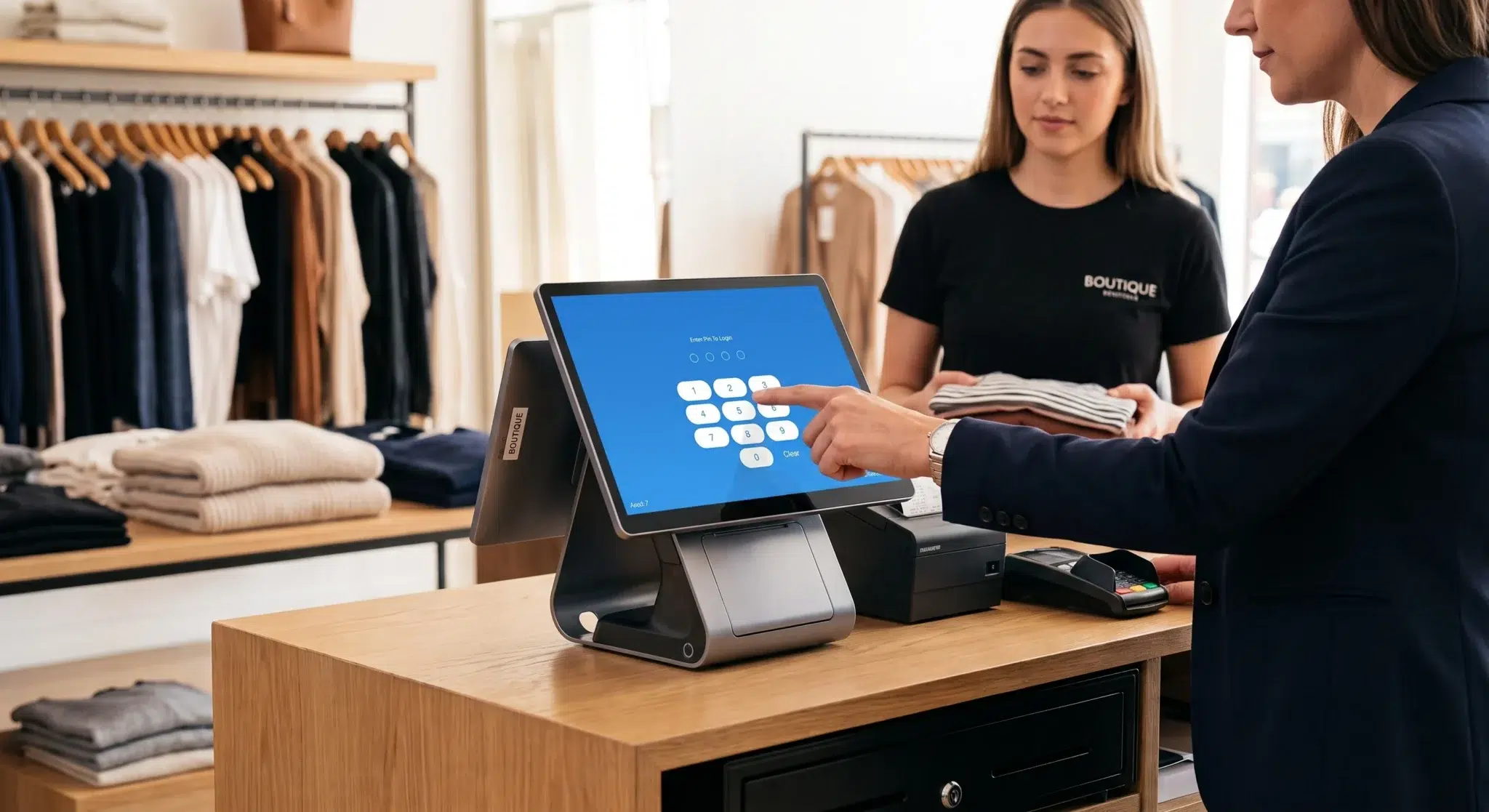
Using POS systems such as Biyo POS allows restaurants to automate loyalty tracking, customer segmentation, and promotional analysis more efficiently.
Digital Marketing for Restaurants
Digital marketing now forms the foundation of restaurant visibility because most customers begin restaurant discovery online before making dining decisions.
A mobile-optimized website is especially important because more than 60% of restaurant searches occur on mobile devices. Restaurants with slow or outdated mobile experiences often lose customers quickly to competitors offering smoother digital interactions.
Restaurant websites should prioritize:
- Fast loading speed
- Simple navigation
- Online ordering access
- Updated menus
- Reservation systems
- Location and contact information
Email marketing continues generating one of the highest returns on investment in digital marketing. Industry studies estimate average email marketing ROI at approximately $36 for every $1 spent. Restaurants use email campaigns to promote events, seasonal menus, loyalty rewards, birthday promotions, and special offers.
Online reputation management is equally critical. Research indicates that even a one-star increase in Yelp ratings may increase restaurant revenue by 5% to 9%. Restaurants should actively monitor and professionally respond to reviews across Google, Yelp, Facebook, TripAdvisor, and delivery platforms.
Enhancing Customer Engagement
Customer engagement directly influences restaurant marketing performance because engaged customers naturally promote businesses through reviews, referrals, social sharing, and repeat visits.
Restaurants increasingly use technology to improve customer convenience and interaction. Digital ordering systems, loyalty apps, self-service kiosks, and personalized promotional tools all contribute to smoother customer experiences.
Experiential engagement also creates stronger emotional attachment. Restaurants that create memorable experiences often develop stronger long-term loyalty than businesses focused only on transactions.
Examples of engagement-focused experiences include:
- Cooking classes
- Chef interactions
- Exclusive tasting events
- Behind-the-scenes kitchen experiences
Customers who feel emotionally connected to a restaurant are significantly more likely to recommend the business and become repeat visitors.

Restaurant Advertising Campaigns
Paid advertising helps restaurants accelerate visibility and customer acquisition when campaigns are structured strategically and measured properly.
Platforms such as Google Ads and Facebook Ads allow restaurants to target audiences based on location, demographics, interests, and online behavior. Geo-targeting is especially useful because restaurants primarily depend on nearby customer traffic.
Restaurants should continuously monitor:
- Cost per acquisition (CPA)
- Return on ad spend (ROAS)
- Click-through rates
- Conversion performance
- Customer retention after acquisition
Without measurement and optimization, advertising quickly becomes inefficient guessing rather than strategic growth investment.
Influencer partnerships can also increase exposure when approached strategically. Local food influencers and niche creators often introduce restaurants to highly engaged audiences that align closely with target customer demographics.
How Biyo Helps Restaurants Improve Marketing Operations
Biyo POS helps restaurants streamline customer management, loyalty tracking, promotional campaigns, and operational reporting through integrated cloud-based restaurant technology.
The platform supports customer segmentation, sales analytics, online ordering, POS-integrated promotions, loyalty systems, transaction tracking, and digital payment processing from one centralized system.
Biyo helps restaurants organize customer data more effectively while supporting personalized marketing strategies designed to improve retention and long-term customer value.
Restaurants looking to modernize customer engagement and operational visibility can explore how Biyo supports restaurant marketing workflows and digital growth systems.
If you want to improve restaurant marketing operations and customer retention systems, you can create a Biyo account or learn more about how Biyo helps restaurants manage growth more efficiently.
FAQs
How much should a restaurant spend on marketing?
Most successful restaurants allocate approximately 3% to 6% of revenue toward marketing, while newly launched restaurants often invest more aggressively during growth phases.
What restaurant marketing strategy generates the highest ROI?
Loyalty programs and email marketing frequently generate very high ROI because they improve retention while maintaining relatively low operational costs.
Does social media directly increase restaurant revenue?
Social media increases visibility, engagement, and customer awareness, which often translates into higher traffic and stronger long-term revenue growth.
How important are online reviews for restaurants?
Online reviews are extremely important because most diners research reviews before choosing restaurants, and rating improvements often correlate directly with revenue increases.
Can independent restaurants compete with large chains?
Yes. Independent restaurants often compete successfully through local authenticity, stronger customer relationships, personalized service, and targeted marketing strategies.