Starting a bakery is both a creative venture and a financial commitment. While passion for baking is essential, long-term success depends on disciplined planning, realistic financial projections, and operational efficiency. The bakery industry remains resilient—U.S. retail bakery sales alone exceed $11 billion annually, with steady growth in artisanal, gluten-free, and premium segments. However, competition is intense, margins are tight (often 4%–10%), and miscalculating costs or demand can quickly erode profitability.
A comprehensive bakery business plan is not just a funding document—it is your operational blueprint. It aligns your product strategy, market positioning, financial modeling, staffing structure, and marketing roadmap into one coherent plan.
This guide walks through each component with strategic depth to help you build a bakery that is not only appealing but financially sustainable.
Table of Contents
- Bakery Market Analysis
- Defining Your Product Offerings
- Identifying Your Target Audience
- Choosing a Prime Location
- Estimating Startup Costs
- Creating a Solid Marketing Plan
- Planning Your Staffing Requirements
- Sourcing Reliable Suppliers
- Establishing Bakery Operations
- Implementing Customer Loyalty Programs
Bakery Market Analysis
Market research validates demand before capital is committed. A thorough analysis examines local competition, demographic data, foot traffic patterns, and consumer purchasing behavior.
Understanding Local Competition
Conduct a competitive audit by identifying:
* Direct competitors (other bakeries)
* Indirect competitors (coffee shops, grocery store bakeries, cafés)
* Price positioning
* Product specialization
* Online reviews and ratings
If three bakeries within a 2-mile radius already dominate traditional bread and cake sales, entering with the same offering reduces differentiation. However, a niche in gluten-free, organic, or ethnic pastries may present opportunity.
Review competitors’ pricing. If cupcakes average $3.75 locally, pricing significantly above without added value may suppress demand. Conversely, pricing too low compresses margins.
Evaluating Customer Preferences
Consumer trends show increasing demand for:
* Health-conscious baked goods
* Low-sugar and keto options
* Plant-based alternatives
* Premium artisanal bread
* Custom celebration cakes
Survey local consumers through social media polls, community groups, or small tasting events. Early feedback reduces product misalignment.

Defining Your Product Offerings
Your product mix directly determines revenue potential and cost structure.
Creating a Signature Menu
Core menu items should include:
* Daily bread selection
* Pastries
* Cakes
* Cookies
Beyond staples, signature items differentiate your bakery. For example:
* A unique sourdough blend
* Custom-decorated cakes
* Specialty regional desserts
* Gourmet croissants
Signature products increase brand recall and pricing flexibility.
Track customer buying behavior through a customer analytics approach to refine your best-selling items.
Seasonal Specials and Promotions
Seasonal products boost sales cycles. For instance:
* Pumpkin pastries in fall
* Gingerbread during winter
* Strawberry tarts in spring
Limited-time offerings create urgency and allow product testing without permanent commitment.
Identifying Your Target Audience
Targeting too broadly weakens marketing efficiency. Segment your audience clearly.
Market Segmentation
Segment by:
* Age group
* Income bracket
* Dietary preferences
* Lifestyle (families, professionals, students)
For example:
* Families may prioritize birthday cakes and affordable treats.
* Professionals may seek premium coffee-pastry pairings.
* Health-conscious consumers may prefer gluten-free or organic options.
Gathering Customer Insights
Collect data through:
* Online surveys
* Social media engagement
* In-store feedback
* Pre-opening email lists
Insights inform pricing, packaging, and product expansion.
Choosing a Prime Location
Location contributes directly to foot traffic and revenue stability.
Evaluating Potential Spaces
Ideal locations include:
* Near schools
* Business districts
* Shopping centers
* Residential neighborhoods with limited competition
Measure daily foot traffic and nearby business synergy.
Rent and Renovation Analysis
Rent should ideally not exceed 8%–12% of projected gross revenue.
Example:
If projected monthly revenue is $50,000, rent should ideally remain under $6,000.
Renovation costs vary widely but can range between $30,000 and $150,000 depending on space requirements and kitchen build-out.
Estimating Startup Costs
A detailed financial projection prevents capital shortfalls.
Equipment and Supplies
Typical equipment costs:
* Commercial ovens: $5,000–$20,000
* Mixers: $2,000–$10,000
* Display cases: $2,000–$8,000
* Refrigeration: $3,000–$15,000
Total equipment investment may range from $40,000 to $150,000.
Include:
* Smallwares
* Initial ingredient inventory
* Packaging materials
Marketing and Operational Costs
Budget for:
* Permits and licenses
* Insurance
* Utilities
* Branding and signage
* Website development
* Initial advertising campaigns
Strategic Marketing investments during launch increase early traction.
Creating a Solid Marketing Plan
A structured marketing plan improves awareness and customer acquisition efficiency.
Online Marketing
Key channels include:
* Instagram and TikTok (visual appeal)
* Google Business Profile
* Email campaigns
* Online ordering integration
An e-commerce platform allows customers to place cake pre-orders and catering requests.
Local Community Engagement
Participate in:
* Farmers’ markets
* Local festivals
* School events
* Corporate catering opportunities
Community integration strengthens brand loyalty.
Planning Your Staffing Requirements
Labor often represents 25%–35% of bakery revenue.
Key Roles
* Head baker
* Assistant bakers
* Front-of-house staff
* Delivery driver (if applicable)
* Store manager
Staffing should align with projected sales volume.
Training and Development
Train staff on:
* Food safety
* Customer service
* Product knowledge
* Upselling techniques
Consistent quality strengthens reputation.
Sourcing Reliable Suppliers
Ingredient quality directly impacts product consistency.
Supplier Evaluation
Compare:
* Price per unit
* Delivery frequency
* Bulk discounts
* Payment terms
Reliable delivery ensures uninterrupted operations.
Long-Term Partnerships
Negotiated long-term contracts may reduce cost volatility, especially for flour, dairy, and specialty ingredients.
Establishing Bakery Operations
Operational systems determine daily efficiency.
Optimizing Production Schedules
Align baking with peak demand:
* Morning bread production
* Midday pastry restocking
* Custom cake preparation in off-peak hours
Batch optimization reduces waste.
Implementing a Point-of-Sale System
A modern POS like BiyoPOS provides:
* Real-time sales tracking
* Inventory monitoring
* Customer behavior insights
* Financial reporting dashboards
Data-driven operations reduce overproduction and improve profitability.

Implementing Customer Loyalty Programs
Repeat customers drive stable revenue.
Loyalty Rewards Program
Offer:
* Points per purchase
* Free items after threshold spending
* Exclusive member discounts
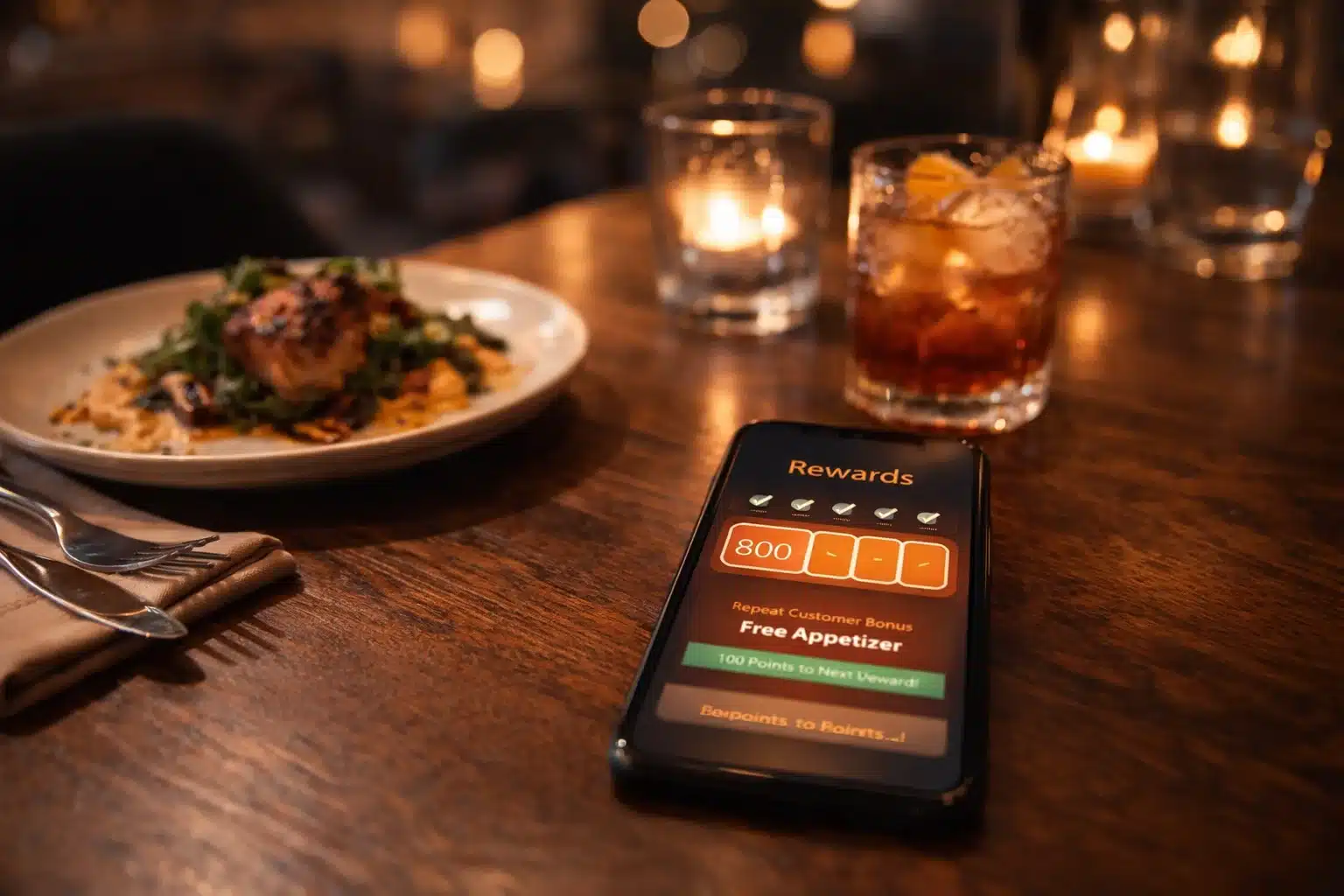
Integrated loyalty systems in BiyoPOS automate reward tracking and reduce manual effort.
Exclusive Engagement Offers
Send:
* Birthday discounts
* Early access to seasonal items
* VIP tasting event invitations
Retention marketing significantly increases customer lifetime value.
FAQ Section
How important is a business plan for a bakery?
A bakery business plan provides financial projections, operational structure, and strategic clarity. It is essential for securing funding and guiding decision-making.
What should a bakery business plan include?
It should include market analysis, product strategy, target audience, financial modeling, marketing plan, staffing structure, supplier sourcing, operational workflow, and growth projections.
How much does it cost to start a bakery?
Startup costs typically range between $50,000 and $250,000 depending on size, equipment, renovation needs, and location.
What is the average profit margin for a bakery?
Most bakeries operate within 4%–10% net profit margins, depending on pricing strategy, labor control, and waste management.
How can technology improve bakery profitability?
Modern POS systems like BiyoPOS provide real-time analytics, inventory control, and loyalty tracking, enabling data-driven decisions that reduce waste and increase revenue.
A well-executed bakery business plan transforms passion into sustainable enterprise. Strategic planning, financial discipline, and operational efficiency are the pillars that support long-term success in the competitive bakery industry.