When opening a new restaurant or upgrading an existing kitchen, selecting the right equipment for restaurants is one of the most important operational decisions you will make. Commercial kitchen equipment directly affects food quality, kitchen speed, staff productivity, and long-term operating costs. Poor equipment choices can slow down service, increase maintenance costs, and create workflow problems that impact the entire dining experience.
According to industry research from the National Restaurant Association, equipment purchases represent one of the largest startup costs for restaurants, often accounting for 20–35% of total opening expenses. Choosing reliable, efficient equipment helps restaurants operate smoothly while protecting long-term profitability.
This comprehensive guide explores essential restaurant equipment, strategies for selecting the right tools for your kitchen, and modern trends that are shaping commercial foodservice operations.
Table of Contents
- Essential Equipment for Restaurants
- How to Choose the Right Kitchen Equipment for Your Restaurant
- Top Commercial Kitchen Equipment for Restaurants
- Budget-Friendly Restaurant Equipment Options
- The Importance of High-Quality Equipment for Restaurants
- New Trends in Restaurant Equipment
- Maintenance Tips for Restaurant Equipment
- Energy-Efficient Equipment for Modern Restaurants
- Must-Have Equipment for Starting a New Restaurant
- How to Organize and Optimize Restaurant Equipment Layout
- FAQ
Essential Equipment for Restaurants
Having the right equipment for restaurants is essential for smooth kitchen operations. Every piece of equipment contributes to food preparation, cooking efficiency, safety compliance, and service speed. Restaurants that invest in the right tools from the beginning often avoid costly operational bottlenecks later.
Most commercial kitchens rely on a core set of equipment categories that support cooking, storage, preparation, and sanitation.
- Refrigeration Units: Walk-in coolers, reach-in refrigerators, and freezers keep ingredients fresh while maintaining food safety standards.
- Commercial Ovens: Convection ovens, deck ovens, and combi ovens allow chefs to cook large volumes efficiently.
- Grills and Griddles: Essential for cooking meats, vegetables, sandwiches, and breakfast items.
- Food Preparation Stations: Prep tables, cutting boards, and ingredient bins streamline kitchen workflow.
- Dishwashers: Commercial dishwashers sanitize plates, utensils, and cookware quickly during busy service periods.
Restaurants that prioritize equipment reliability and workflow efficiency often improve kitchen productivity while maintaining consistent food quality.
How to Choose the Right Kitchen Equipment for Your Restaurant
Selecting restaurant equipment requires careful planning. Different restaurant concepts—from quick-service kitchens to full-service dining—have unique equipment needs. A pizzeria, for example, requires high-capacity pizza ovens, while a steakhouse prioritizes broilers and grills.
Before purchasing equipment, restaurant owners should evaluate several operational factors.
- Menu Requirements: Equipment should support the specific cooking techniques required by the menu.
- Kitchen Space and Layout: Equipment must fit the kitchen layout without disrupting workflow.
- Quality and Durability: Commercial kitchens operate for long hours, so durable equipment is essential.
- Energy Efficiency: Efficient appliances reduce electricity and gas consumption.
- Budget and ROI: Equipment investments should provide long-term value and operational efficiency.
Restaurants that carefully evaluate equipment purchases often achieve better kitchen efficiency and lower maintenance costs over time.
Top Commercial Kitchen Equipment for Restaurants
Modern commercial kitchens rely on specialized equipment designed for speed, durability, and consistent performance. While equipment needs vary depending on the restaurant concept, several key tools are considered essential across most foodservice operations.
- Commercial Ranges: A central cooking station capable of handling multiple pans and cooking methods simultaneously.
- Combi Ovens: These ovens combine convection heat and steam, allowing chefs to bake, roast, and steam with precision.
- Deep Fryers: Essential for restaurants serving fried foods such as chicken, fries, and appetizers.
- Stand Mixers: Frequently used in bakeries and restaurants that prepare large batches of dough or sauces.
- Food Processors: High-capacity processors speed up slicing, chopping, and shredding tasks.
Advanced kitchens may also incorporate sous-vide machines, blast chillers, or automated prep equipment to improve food consistency and reduce preparation time.
Budget-Friendly Restaurant Equipment Options
Opening a restaurant requires substantial capital investment, but there are several strategies for reducing equipment costs without sacrificing performance.
- Used Commercial Equipment: Many restaurant supply companies offer refurbished equipment that meets professional standards.
- Equipment Leasing: Leasing allows restaurants to spread equipment costs over time rather than paying upfront.
- Energy-Efficient Appliances: While initial costs may be higher, efficient appliances reduce long-term energy bills.
- Phased Equipment Purchases: Restaurants can start with essential equipment and expand as revenue grows.
Careful financial planning allows new restaurants to balance startup costs while still building a functional kitchen.

The Importance of High-Quality Equipment for Restaurants
Investing in high-quality equipment for restaurants offers significant long-term benefits. Although premium equipment may have higher upfront costs, it often delivers better reliability and lower maintenance expenses.
- Operational Reliability: Durable equipment reduces unexpected breakdowns during busy service hours.
- Improved Efficiency: Professional-grade equipment cooks faster and more consistently.
- Safety Compliance: High-quality appliances meet health and safety regulations.
- Longer Lifespan: Commercial equipment designed for heavy use often lasts many years with proper maintenance.
Restaurants that invest in dependable equipment avoid service disruptions that can negatively impact customer satisfaction.
New Trends in Restaurant Equipment
The restaurant industry continues to evolve, and new technologies are transforming how kitchens operate. Equipment manufacturers are developing solutions that improve efficiency, reduce labor requirements, and enhance food consistency.
- Smart Kitchens: IoT-connected appliances allow managers to monitor equipment performance remotely.
- Automation Technology: Robotic fryers and automated prep equipment are becoming more common.
- Multi-Function Equipment: Devices that combine several cooking methods save space in compact kitchens.
- Sustainable Equipment: Energy-efficient appliances and water-saving technologies reduce environmental impact.
Adopting modern equipment can give restaurants a competitive advantage by improving operational efficiency and reducing labor costs.
Maintenance Tips for Restaurant Equipment
Routine maintenance is essential for preserving the lifespan and performance of commercial kitchen equipment. Preventive maintenance programs help restaurants avoid costly repairs and unexpected downtime.
- Daily Cleaning: Regular cleaning prevents grease buildup and contamination.
- Scheduled Inspections: Periodic inspections help detect small problems before they become major failures.
- Manufacturer Guidelines: Following recommended maintenance procedures protects warranty coverage.
- Professional Servicing: Certified technicians should perform complex repairs and maintenance.
Restaurants that implement preventive maintenance programs often extend equipment lifespan by several years.
Energy-Efficient Equipment for Modern Restaurants
Energy consumption is one of the largest operating costs for restaurants. Energy-efficient equipment helps reduce both environmental impact and utility expenses.
- Energy Star Certified Appliances: These appliances meet strict efficiency standards.
- LED Lighting Systems: LED lighting consumes significantly less electricity than traditional bulbs.
- Smart Temperature Controls: Automated thermostats regulate energy usage.
- Efficient Refrigeration Systems: Modern refrigeration units use advanced insulation and compressors to reduce power consumption.
Restaurants that upgrade to efficient equipment often reduce energy expenses by 10–30% annually.
Must-Have Equipment for Starting a New Restaurant
New restaurant owners should prioritize equipment that supports core kitchen operations before investing in specialized tools.
- Commercial Cooking Ranges and Ovens
- Walk-In Refrigeration or Reach-In Refrigerators
- Food Preparation Equipment
- Commercial Dishwashing Systems
- Storage Shelving and Prep Tables
These core tools create the foundation for efficient kitchen operations.
How to Organize and Optimize Restaurant Equipment Layout
Even the best equipment will not perform efficiently if the kitchen layout is poorly designed. Kitchen organization directly affects staff productivity and service speed.
- Optimize Workflow: Arrange equipment according to food preparation steps.
- Improve Accessibility: Frequently used tools should be within easy reach.
- Maximize Kitchen Space: Vertical storage and compact equipment improve space utilization.
- Prioritize Safety: Hot equipment and sharp tools should be placed away from busy walkways.
Professional kitchen design often focuses on creating dedicated zones for preparation, cooking, plating, and cleaning.
FAQ
What equipment does every restaurant need?
Most restaurants require cooking equipment, refrigeration units, prep stations, dishwashing systems, and food storage equipment.
How much does restaurant kitchen equipment cost?
Restaurant equipment costs vary widely, but many new restaurants spend between $75,000 and $250,000 depending on kitchen size and concept.
Is it better to buy or lease restaurant equipment?
Leasing may reduce upfront costs, while purchasing provides long-term ownership. The best option depends on budget and financial strategy.
How long does commercial kitchen equipment last?
Most commercial kitchen equipment lasts between 10 and 20 years with proper maintenance.
How can restaurants reduce equipment operating costs?
Energy-efficient appliances, preventive maintenance, and proper staff training can significantly reduce equipment operating costs.
By investing in the right equipment for restaurants, operators can improve kitchen efficiency, maintain food quality, and streamline service operations. Restaurants that combine reliable equipment with modern technology often operate more smoothly and deliver better dining experiences.
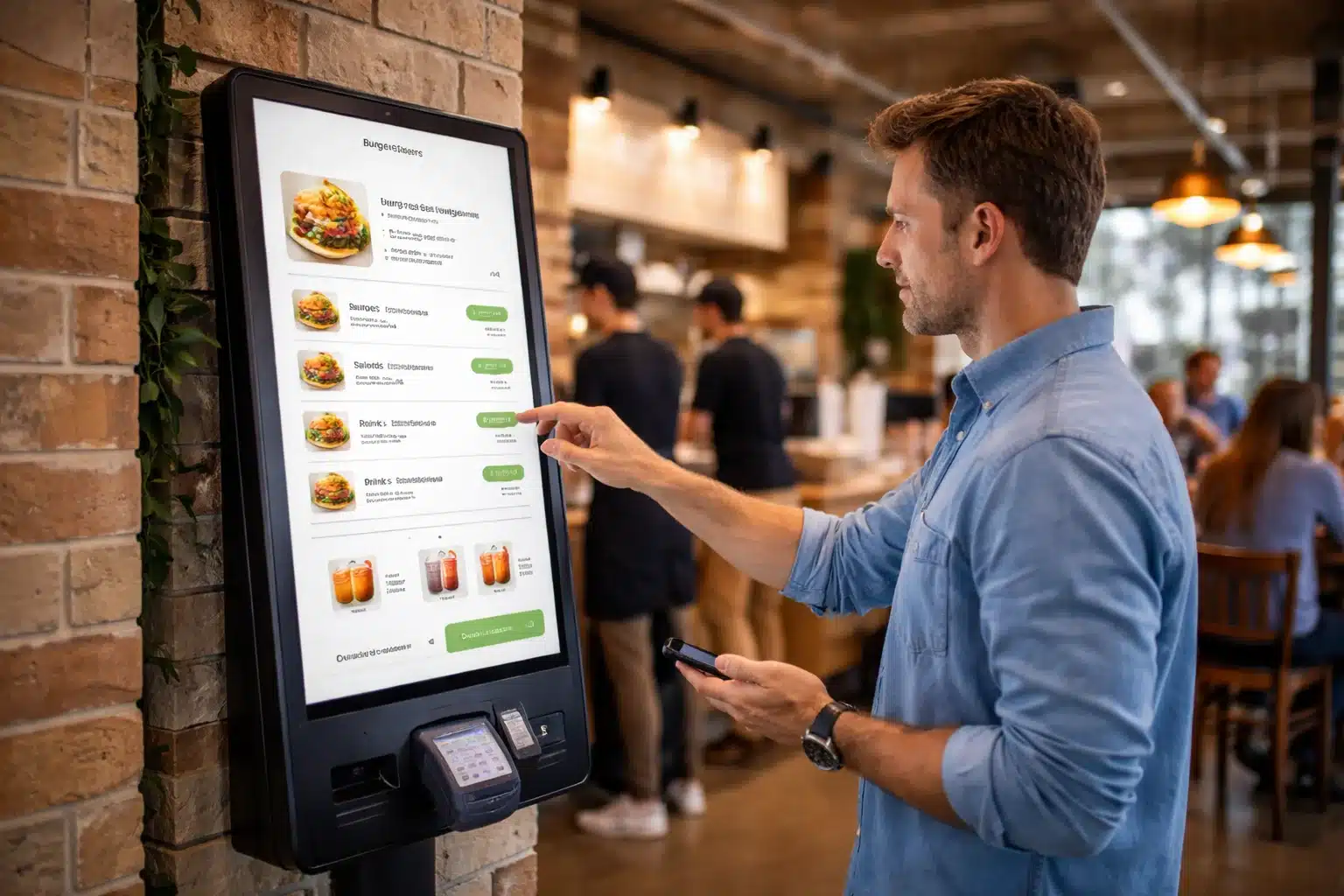
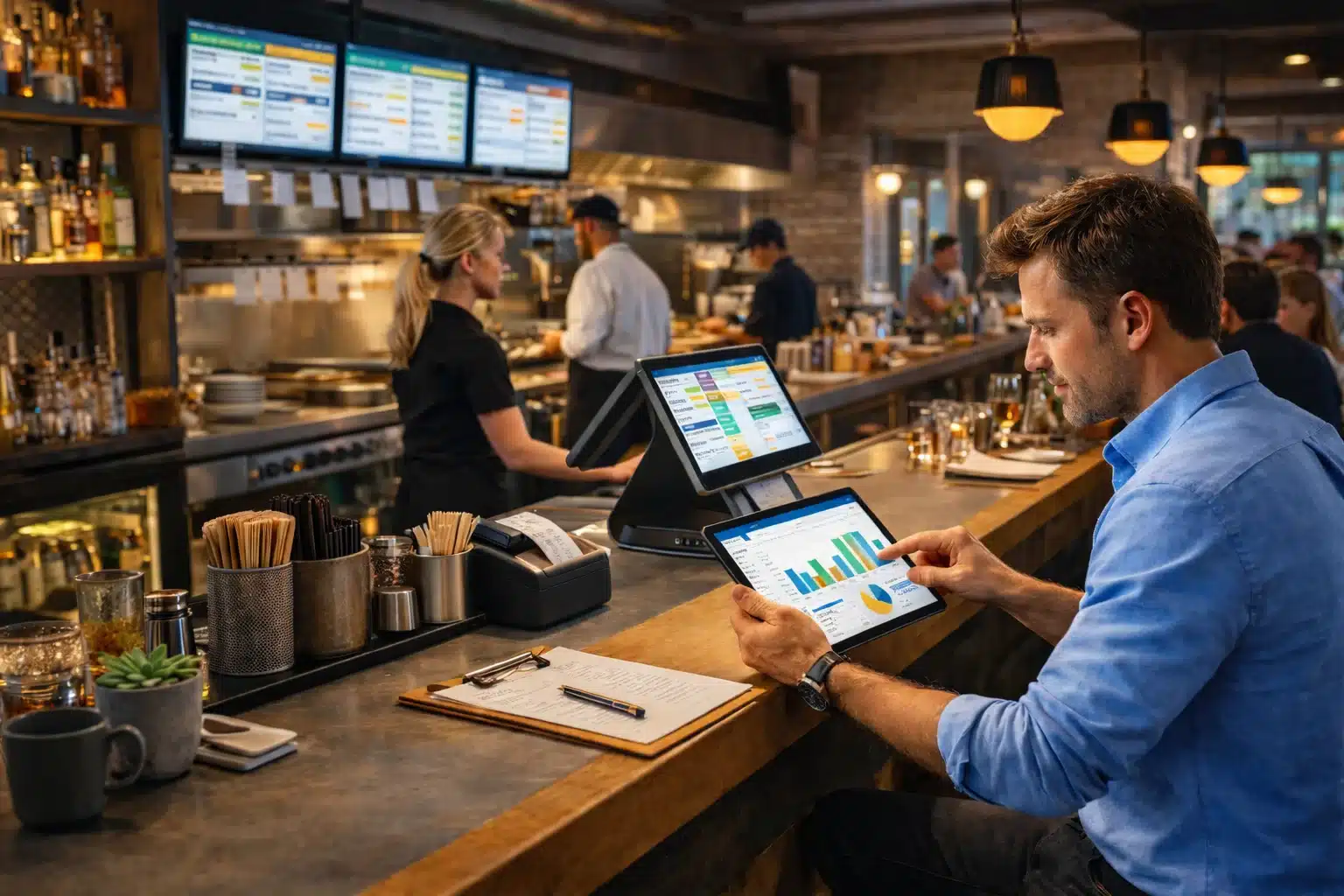
Solutions such as Biyo POS can also help manage restaurant operations efficiently through integrated order management, analytics, and inventory tools. Upgrading both your kitchen equipment and your POS system ensures your restaurant remains competitive in an increasingly technology-driven hospitality industry.