The hospitality industry is a vibrant and ever-evolving sector that plays a crucial role in the global economy. Spanning diverse services such as accommodation, food and beverage, travel, and leisure, the industry touches the lives of millions of people every day. From international hotel chains and luxury resorts to local restaurants and boutique guesthouses, hospitality businesses focus on delivering comfort, service, and memorable experiences to guests.
According to the World Travel & Tourism Council, the broader travel and hospitality sector contributes more than 10% of global GDP and supports hundreds of millions of jobs worldwide. This makes hospitality one of the largest and most influential service industries across the globe.
As consumer expectations continue to evolve, hospitality businesses are adapting through technology adoption, personalized guest experiences, sustainability initiatives, and innovative service models. In this article, we explore the structure of the hospitality industry, the sectors that define it, major challenges businesses face, and the trends shaping its future.
Table of Contents
- What is the Hospitality Industry?
- Key Sectors of the Hospitality Industry
- Enhancing Guest Experience in the Hospitality Industry
- Role of Technology in the Hospitality Industry
- Challenges Faced by the Hospitality Industry
- Sustainable Tourism and Its Impact on Hospitality
- Hospitality Marketing and Strategies for Success
- Future Trends in the Hospitality Industry
- How Biyo POS Supports the Hospitality Industry
- FAQ
What is the Hospitality Industry?
The hospitality industry encompasses businesses that provide services focused on guest comfort, entertainment, and satisfaction. These services include accommodation, food and beverage operations, travel services, tourism activities, and recreational experiences.
At its core, hospitality is about creating positive experiences for guests. Whether someone is staying at a hotel, dining at a restaurant, or attending an event, hospitality professionals work to ensure that guests feel welcomed and valued.
Definition and Scope
The hospitality industry is part of the broader service sector and overlaps heavily with tourism and travel industries. It includes hotels, resorts, restaurants, cafes, bars, cruise lines, event venues, and tourism services.
Businesses in this industry must consistently deliver high levels of service, as customer satisfaction directly impacts reputation, online reviews, and repeat visits.
Economic Contribution
The hospitality sector contributes significantly to national economies. Tourism-driven hospitality industries generate billions of dollars in revenue annually through hotel stays, restaurant dining, entertainment, and travel services.
In many countries, hospitality is one of the largest employers, offering jobs in management, customer service, culinary arts, housekeeping, marketing, and operations.
Customer-Centric Approach
Customer experience is the foundation of hospitality success. Businesses invest heavily in staff training, service design, and operational systems to ensure guests enjoy seamless and memorable experiences.
Positive guest experiences lead to repeat customers, strong brand reputation, and valuable word-of-mouth marketing.

Key Sectors of the Hospitality Industry
The hospitality industry consists of several interconnected sectors that work together to serve travelers and guests. Each sector plays a unique role in delivering hospitality experiences.
Accommodation Services
Accommodation services include hotels, motels, resorts, hostels, vacation rentals, and bed-and-breakfast establishments. These businesses provide travelers with lodging and often additional amenities such as dining, fitness facilities, and event spaces.
Guest comfort, cleanliness, and service quality are essential factors influencing customer satisfaction in accommodation services.
Food and Beverage Services
The food and beverage sector includes restaurants, cafes, bars, catering companies, and quick-service establishments. Dining experiences are a central part of hospitality and tourism, with restaurants often acting as major attractions for travelers.
Hospitality businesses invest heavily in menu development, culinary innovation, and service quality to create memorable dining experiences.
Travel and Tourism
This sector includes travel agencies, tour operators, airlines, and transportation providers that support travel experiences. These services enable travelers to explore destinations while ensuring convenient and organized journeys.
Enhancing Guest Experience in the Hospitality Industry
Guest experience is one of the most important factors determining the success of hospitality businesses. Satisfied guests are more likely to return, leave positive reviews, and recommend services to others.
Personalized Services
Personalization has become a major focus for hospitality providers. By using guest data and preferences, businesses can tailor services such as room preferences, dining recommendations, and loyalty rewards.
Staff Training and Development
Front-of-house staff play a vital role in shaping guest experiences. Proper training ensures employees can provide professional service, resolve issues effectively, and communicate with guests in a friendly and efficient manner.
Leveraging Feedback for Improvement
Online reviews and guest feedback provide valuable insights into service quality. Hospitality businesses that actively respond to feedback and implement improvements often achieve higher guest satisfaction and stronger reputations.
Role of Technology in the Hospitality Industry
Technology is transforming how hospitality businesses operate. From automated reservations to mobile payments, digital solutions help improve efficiency and enhance guest experiences.
Hospitality Technology Solutions
Property Management Systems (PMS), reservation platforms, and customer relationship management (CRM) tools help hospitality businesses manage bookings, track guest preferences, and streamline daily operations.
Contactless Solutions
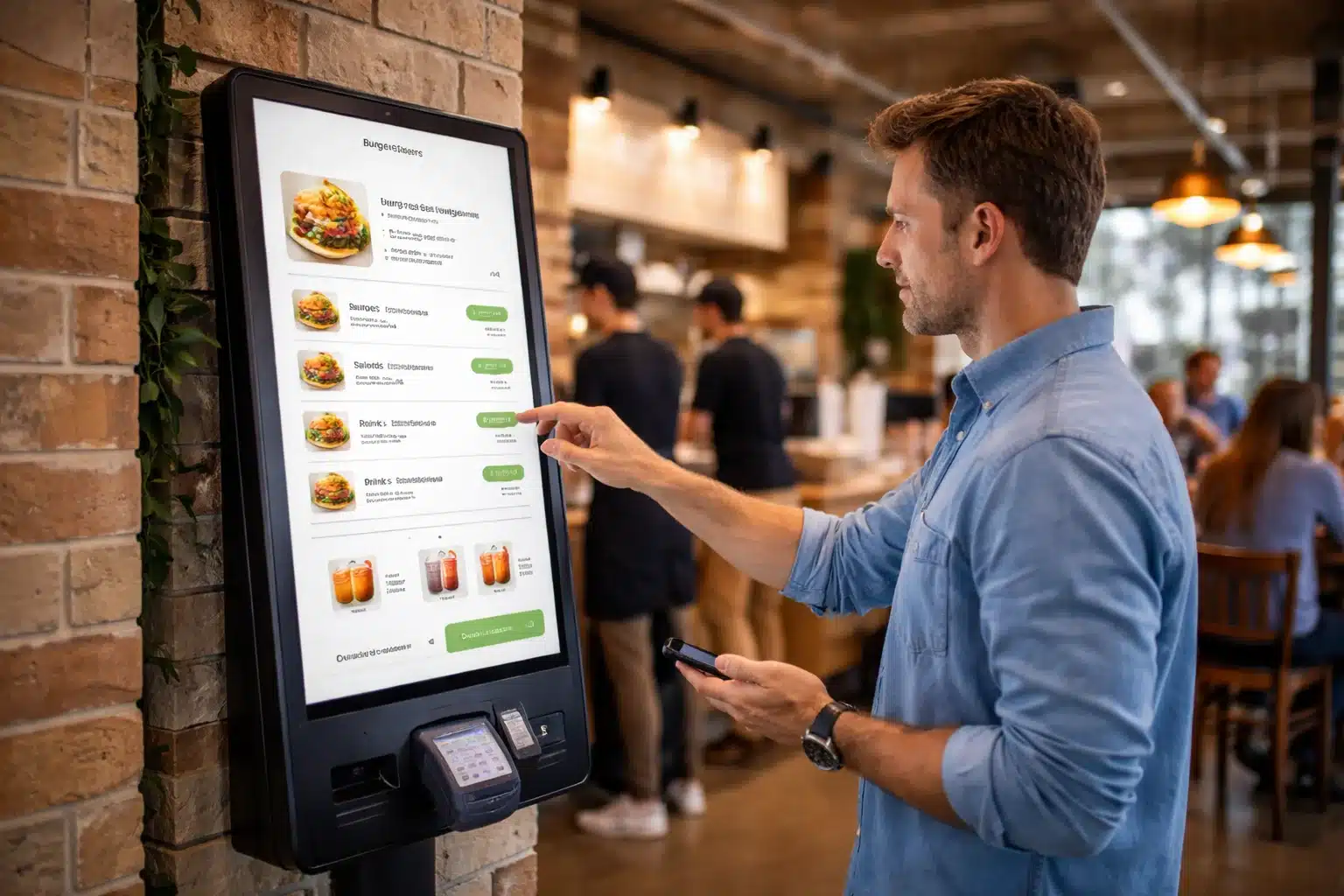
Contactless technologies such as mobile check-in, QR menus, and digital payments have become increasingly popular. These solutions improve convenience while also enhancing safety and operational efficiency.
Data Analytics and Customer Insights
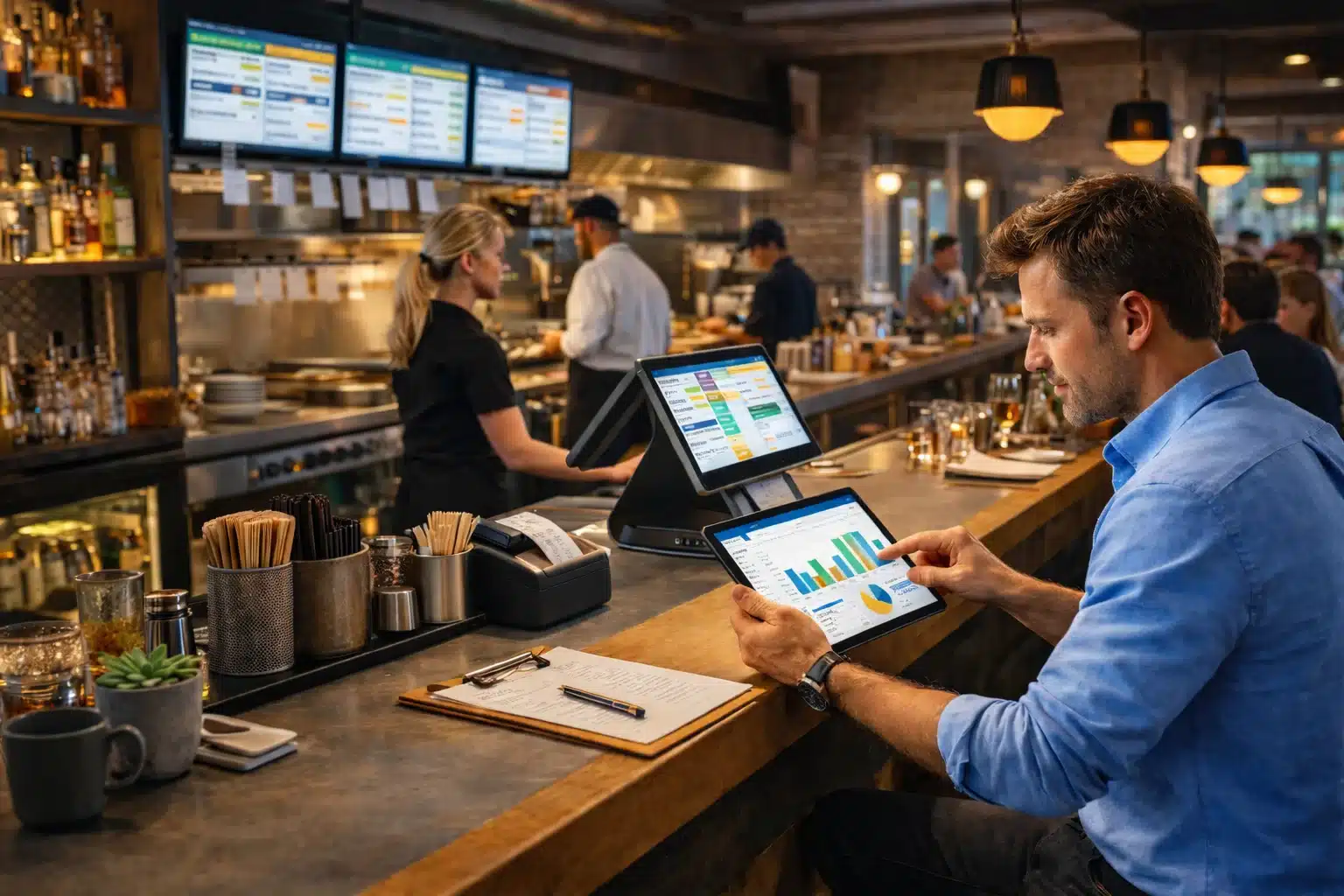
Data analytics allows hospitality businesses to better understand guest behavior and demand patterns. By analyzing booking trends and guest preferences, companies can make informed decisions about pricing, marketing, and service improvements.
Challenges Faced by the Hospitality Industry
Despite its growth, the hospitality industry faces several challenges that businesses must navigate to remain competitive.
Labor Shortages
Many hospitality businesses struggle to recruit and retain skilled workers. High turnover rates and demanding work environments make workforce management a key challenge.
Economic Uncertainty
Economic fluctuations and global events can significantly impact travel demand and consumer spending.
Seasonality
Many hospitality businesses experience seasonal demand patterns, with peak travel seasons generating the majority of revenue.
Sustainable Tourism and Its Impact on Hospitality
Sustainability is becoming increasingly important within the hospitality industry. Travelers are more environmentally conscious and prefer businesses that adopt responsible practices.
Eco-Friendly Practices
Hotels and resorts are implementing energy-efficient lighting, water conservation systems, and waste reduction programs.
Community Engagement
Many hospitality businesses partner with local communities, supporting local suppliers and promoting cultural experiences for travelers.
Long-Term Benefits
Sustainable initiatives can reduce operating costs while also strengthening brand reputation.
Future Trends in the Hospitality Industry
The hospitality industry continues to evolve as technology, consumer preferences, and global travel patterns change.
Personalization and AI
Artificial intelligence is increasingly used to automate guest interactions, provide recommendations, and improve service efficiency.
Virtual and Augmented Reality
Virtual tours allow potential guests to explore hotel rooms and facilities before booking.
Focus on Wellness and Well-being
Wellness tourism is growing rapidly, with travelers seeking health-focused amenities such as spas, fitness programs, and healthy dining options.

How Biyo Helps the Hospitality Industry Operate Efficiently
Biyo POS provides modern point-of-sale solutions designed specifically for hospitality businesses such as restaurants, cafes, and hotels.
The platform enables businesses to process payments quickly, manage orders efficiently, and gain insights through real-time reporting and analytics.
With features like contactless payments, inventory tracking, and integrated reporting, Biyo POS helps hospitality providers streamline operations and deliver better guest experiences.
FAQ
What are the main sectors of the hospitality industry?
The primary sectors include accommodation services, food and beverage operations, travel and tourism services, and recreational activities.
How does technology impact the hospitality industry?
Technology improves efficiency through automated reservations, contactless payments, and data-driven insights.
What is sustainable tourism?
Sustainable tourism focuses on minimizing environmental impact while supporting local communities and economies.
How can hospitality businesses improve guest satisfaction?
Businesses can improve satisfaction through personalized services, professional staff training, and continuous service improvements based on guest feedback.
How does Biyo POS help hospitality businesses?
Biyo POS simplifies payment processing, order management, and reporting, helping businesses operate more efficiently while enhancing guest experiences.