Managing multiple restaurant locations successfully requires much more than serving great food.
Restaurant groups, franchises, and expanding hospitality brands must coordinate staffing, inventory, menus, reservations, reporting, customer service, and operational consistency across every branch simultaneously.
As restaurants grow into multi-location operations, manual processes and disconnected systems often create operational bottlenecks that slow service, reduce visibility, and weaken customer experience.
That is why modern restaurant businesses increasingly rely on a multi-location restaurant POS with table-management features to centralize operations and maintain consistency across all locations.
Today’s restaurant POS systems do far more than process payments.
Modern platforms help restaurants manage dining room layouts, coordinate reservations, synchronize menus, monitor real-time sales, optimize staffing, integrate online ordering, and improve communication between front-of-house and kitchen teams.
For restaurant groups operating across multiple branches, centralized technology has become essential for maintaining operational efficiency while scaling successfully.
Table-management functionality is especially important in dine-in environments.
Restaurants that manage seating efficiently can reduce wait times, improve table turnover, balance server workloads, and create smoother dining experiences for guests.
When these capabilities operate across a unified multi-location POS platform, restaurant operators gain much stronger visibility and control over the entire business.
This guide explores how multi-location restaurant POS systems improve restaurant operations, how table-management tools optimize service efficiency, and why centralized restaurant technology has become critical for modern hospitality businesses.
Table of Contents
- Key Benefits of Multi-Location Restaurant POS Systems
- How Table-Management Features Improve Dining Operations
- Optimizing Multi-Location Restaurant Operations
- Using Real-Time Analytics and Reporting
- The Future of Restaurant POS Technology
- Why Restaurants Choose Biyo POS
- Frequently Asked Questions
Key Benefits of Multi-Location Restaurant POS Systems
Operating several restaurant locations introduces operational challenges that single-location restaurants rarely face.
Restaurant groups must maintain consistent menus, pricing, customer experiences, staffing standards, and reporting processes while still allowing each location to operate efficiently within its own environment.
A multi-location restaurant POS with table-management features helps simplify these challenges through centralized operational control.
Centralized Restaurant Management
One of the biggest advantages of multi-location POS technology is centralized oversight.
Restaurant owners and managers can monitor all locations from a single dashboard instead of relying on disconnected systems across individual branches.
This visibility allows leadership teams to:
- Monitor sales across locations
- Update menus centrally
- Track inventory trends
- Manage staff performance
- Compare branch performance
- Review operational reports in real time
Centralized management improves operational consistency significantly.
If a seasonal menu update or pricing adjustment is required, changes can be applied across every branch simultaneously instead of updating each location manually.
This reduces errors while ensuring customers receive consistent experiences regardless of which restaurant location they visit.
Restaurant groups also benefit from stronger operational transparency.
Managers can quickly identify underperforming locations, unusual sales patterns, or operational issues before they become larger business problems.
Improved Customer Experience
Customers judge restaurant brands based on consistency, speed, and service quality.
Multi-location POS systems help restaurants deliver smoother customer experiences by streamlining reservations, seating, ordering, and payment processing.
Integrated reservation tools allow guests to book tables online while syncing availability directly into the POS system.
Hosts gain real-time visibility into dining room activity, reducing seating confusion and improving waitlist management during busy service periods.
Modern payment flexibility also improves convenience for guests.
Today’s restaurant customers increasingly expect support for:
- Contactless payments
- Mobile wallets
- Digital payment apps
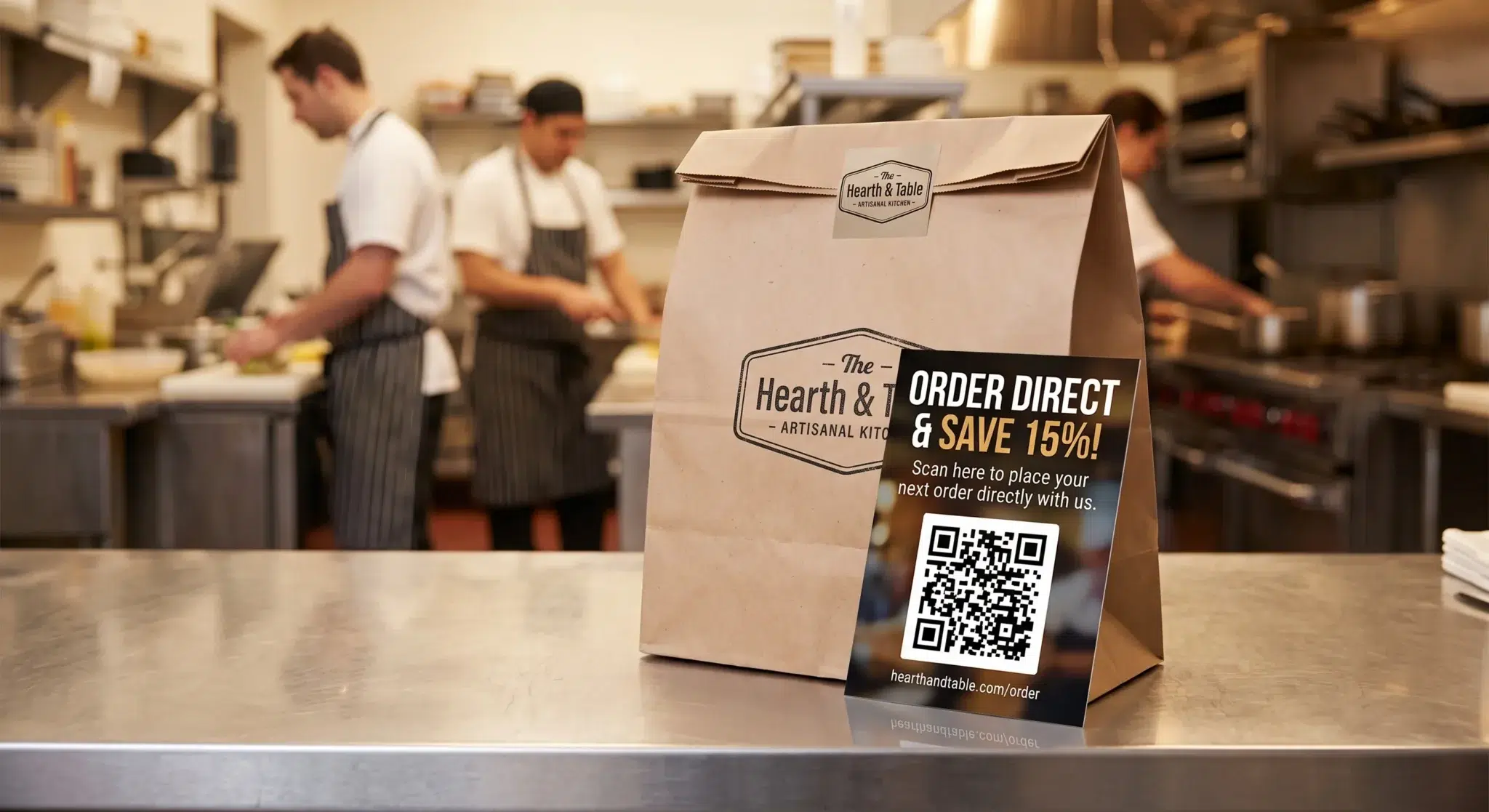
- QR code ordering
- Split payments
Fast and flexible checkout experiences reduce friction while helping restaurants improve table turnover during peak dining hours.
Most importantly, a centralized POS helps maintain consistency across all locations.
Customers expect the same quality of service, menu availability, and operational professionalism whether dining at one branch or another.
Better Staff Coordination
Managing labor across multiple locations can become extremely complicated without centralized systems.
Multi-location restaurant POS platforms help simplify scheduling, communication, and staff allocation through integrated workforce tools.
Managers can create schedules based on historical traffic patterns and projected demand.
For example, if Friday evenings consistently generate heavy traffic at specific locations, staffing levels can be adjusted proactively.
Cross-location visibility also allows restaurants to shift employees between branches when demand changes unexpectedly.
This flexibility helps restaurants maintain service quality while controlling labor costs more effectively.

How Table-Management Features Improve Dining Operations
Table management plays a central role in dine-in restaurant efficiency.
Restaurants that optimize seating flow can improve customer satisfaction, reduce bottlenecks, and increase revenue without expanding physical space.
A multi-location restaurant POS with table-management features helps restaurants coordinate seating, reservations, and service flow more effectively.
Dynamic Table Layout Management
Digital floor plans provide hosts and managers with real-time visibility into table availability and dining room activity.
Instead of relying on paper charts or verbal communication, staff can instantly view which tables are occupied, available, reserved, or waiting for cleaning.
This improves seating efficiency while reducing confusion during busy periods.
Dynamic layouts also help restaurants accommodate changing group sizes more efficiently.
If larger parties arrive unexpectedly, tables can be rearranged digitally to optimize seating without disrupting overall service flow.
Better space utilization directly affects profitability because restaurants can serve more guests without compromising comfort or service quality.
Reservation Integration
Reservation systems integrated directly into the POS platform simplify front-of-house coordination significantly.
Online reservations update automatically within the seating system, reducing double bookings and communication errors.
Guests benefit from more reliable booking experiences, while staff gain clearer visibility into expected traffic and dining patterns.
Reservation data also provides valuable customer insights.
Restaurants can track guest preferences, dining frequency, peak booking times, and seating requests to improve personalization and customer retention.
For repeat guests, these details help restaurants create more memorable dining experiences that strengthen loyalty over time.
Seating Optimization and Order Flow
Efficient seating management improves more than customer wait times.
It also affects kitchen operations, server workloads, and overall dining flow.
A well-designed table-management system distributes guests more evenly across servers, helping reduce operational overload during peak periods.
Balanced seating also creates smoother order flow into the kitchen.
Instead of receiving sudden spikes of simultaneous orders, kitchen teams receive more evenly distributed ticket volumes that improve consistency and reduce preparation delays.
Restaurants that optimize seating flow often improve:
- Table turnover rates
- Average service speed
- Order accuracy
- Guest satisfaction
- Labor efficiency
Even small improvements in turnover efficiency can significantly increase revenue across multiple locations over time.
Optimizing Multi-Location Restaurant Operations
As restaurant groups expand, operational coordination becomes increasingly important.
Disconnected systems often create reporting inconsistencies, communication delays, and inefficient workflows that affect both profitability and customer experience.
A centralized POS platform helps restaurants maintain operational alignment across every branch.
Cross-Location Reporting
Real-time reporting allows restaurant operators to compare branch performance instantly.
Instead of waiting for delayed manual reporting, managers can monitor:
- Sales performance
- Menu item popularity
- Peak business hours
- Labor costs
- Inventory movement
- Customer trends
This operational visibility supports faster decision-making while helping restaurants identify both opportunities and inefficiencies more quickly.
If one location consistently outperforms others, management can analyze operational differences and apply successful strategies across additional branches.
Menu Synchronization
Consistent menus are critical for restaurant branding.
Customers expect the same products, pricing structure, and dining experience regardless of location.
Centralized POS systems simplify menu management by allowing operators to push updates across all locations simultaneously.
This becomes especially valuable during seasonal promotions, limited-time offers, or brand-wide marketing campaigns.
Synchronized menus also reduce staff confusion and simplify training processes because workflows remain standardized throughout the organization.
Integrated Online Ordering and Kitchen Systems
Modern restaurant operations increasingly depend on both dine-in and digital ordering channels.
A multi-location restaurant POS with table-management features can integrate online ordering directly into the same operational platform used for in-store service.
This creates a unified workflow for:
- Dine-in orders
- Takeout orders
- Delivery requests
- Mobile ordering
- Third-party delivery platforms
Kitchen display system integration further improves communication by replacing handwritten tickets with organized digital workflows.
Kitchen staff receive orders instantly, helping reduce delays and improve accuracy during high-volume service periods.
Using Real-Time Analytics and Reporting
Modern restaurant management increasingly depends on data-driven decision-making.
Real-time analytics help restaurant operators respond faster to changing business conditions while improving long-term planning accuracy.
Multi-location POS systems provide centralized access to operational data across all restaurant branches.
Sales and Performance Monitoring
Managers can monitor sales activity as it happens instead of relying solely on end-of-day or end-of-month reports.
This visibility allows restaurants to react quickly when traffic patterns shift unexpectedly.
For example, restaurants can adjust staffing levels or launch promotional campaigns immediately if customer traffic changes during service hours.
Long-term analytics also reveal operational trends that support strategic planning.
Restaurants can identify which locations perform best with dine-in traffic, delivery orders, or promotional campaigns and optimize strategies accordingly.
Customer Loyalty and Personalization
Integrated customer management tools help restaurants build stronger long-term relationships with guests.
POS systems can track:
- Dining history
- Order preferences
- Loyalty points
- Visit frequency
- Customer spending patterns
Restaurants can use this data to create more personalized promotions and loyalty experiences that encourage repeat visits.
Consistency across locations is especially important for loyalty programs because customers expect rewards and benefits to function seamlessly throughout the restaurant group.
The Future of Restaurant POS Technology
Restaurant technology continues evolving rapidly as customer expectations and operational demands change.
Cloud computing, mobile technology, artificial intelligence, and automation are reshaping how restaurants manage service and customer engagement.
Mobile POS systems increasingly allow servers to process orders and payments directly at the table, reducing wait times while improving convenience.
Contactless payments have also become a standard expectation in many dining environments.
Artificial intelligence is beginning to improve forecasting capabilities as well.
Modern systems can analyze historical data, weather patterns, local events, and customer behavior to predict demand more accurately.
These insights help restaurants optimize staffing, inventory ordering, and promotional planning while reducing waste and improving profitability.
Cloud-based systems will likely continue dominating the industry because they provide stronger scalability, centralized visibility, and easier integration with future technologies.
Why Restaurants Choose Biyo POS
Biyo POS helps restaurants simplify operations through integrated cloud-based restaurant management technology.
The platform combines:
- Multi-location management
- Table-management tools
- Reservation coordination
- Mobile POS functionality
- Kitchen display integration
- Real-time reporting
- Customer loyalty management
- Payment processing
Restaurant operators gain centralized visibility across all locations while improving communication between front-of-house teams, kitchen staff, and management.
Biyo POS supports restaurants ranging from independent cafés to expanding franchise operations and enterprise restaurant groups.
If you want to improve operational efficiency and simplify multi-location restaurant management, you can schedule a demo or create an account to explore how Biyo POS supports modern restaurant operations.
Frequently Asked Questions
What is a multi-location restaurant POS with table-management features?
It is a restaurant point-of-sale system designed to centralize operations across multiple restaurant branches while providing tools for reservations, seating layouts, and dining room management.
How does table management improve restaurant efficiency?
Table management helps restaurants optimize seating flow, reduce wait times, balance server workloads, improve kitchen coordination, and increase table turnover.
Can one POS system manage multiple restaurant locations?
Yes. Multi-location restaurant POS systems allow operators to manage menus, reporting, staffing, and customer data across all branches from one centralized platform.
Why are centralized restaurant reports important?
Centralized reporting helps restaurant groups compare location performance, monitor operational trends, identify inefficiencies, and make faster data-driven decisions.
Do multi-location POS systems support online ordering?
Most modern systems integrate online ordering, takeout, delivery, and dine-in operations into one centralized workflow.
How does Biyo POS help restaurant groups?
Biyo POS helps restaurants manage multi-location operations, reservations, table layouts, reporting, payments, and customer loyalty through integrated cloud-based restaurant technology.