In today’s fast-paced dining industry, modular menu design has emerged as a game-changer, offering restaurants unprecedented flexibility and personalization. This innovative approach breaks down traditional menus into adaptable, component-based dishes that customers can mix-and-match according to their tastes. By using ingredient modules and build-your-own meals, establishments can create scalable menus that cater to a variety of preferences while streamlining kitchen operations. Whether it’s for menu segmentation, personalized dining experiences, or chef customization, modular menu design empowers restaurants to keep their offerings fresh, dynamic, and customer-focused.
Table of Contents
- Flexible Menu Architecture: Building Blocks for Success
- Customizable Options and Customer Choice
- Scalable Menu Strategies for Growing Businesses
- Menu Segmentation and Adaptive Structures
- Innovative Modular Plating and Presentation
- Biyo POS: Enhancing Modular Menu Design
- Frequently Asked Questions
Flexible Menu Architecture: Building Blocks for Success
The foundation of modular menu design lies in creating a flexible menu architecture. This involves dividing dishes into interchangeable items or ingredient modules, enabling restaurants to offer a variety of combinations without overwhelming the kitchen. The concept of component-based dishes is central here, where each element of a dish acts as a building block that can be adapted or swapped to meet changing customer demands.
Understanding Menu Building Blocks
Menu building blocks are the fundamental units of modular menus, consisting of individual ingredients or portions that can be combined in numerous ways. Think of a burger: rather than offering fixed versions, a modular menu breaks it down into buns, proteins, cheeses, sauces, and toppings, each as a separate module. This breakdown allows customers to create unique combinations tailored to their preferences, and it helps restaurants reduce complexity in the kitchen.
Using building blocks also benefits inventory management by reducing the number of distinct dishes that need to be prepared from scratch. For example, the same grilled chicken module might appear in salads, sandwiches, and bowls, making ingredient use more efficient and reducing waste. This approach aligns with sustainable practices while maintaining menu variety.
Furthermore, chefs can innovate by experimenting with new modules or swapping out components without rewriting the entire menu. For instance, a seasonal vegetable module could be introduced to replace a less popular one, instantly refreshing the menu offerings. This modularity simplifies menu updates and encourages culinary creativity.
Advantages of a Flexible Menu Structure Design
Flexible menu structure design offers several operational and customer-facing advantages. First, it enables restaurants to respond quickly to changing supply conditions, such as ingredient shortages or seasonal availability. When the menu is composed of interchangeable modules, a restaurant can substitute one module for another without disrupting the entire menu or confusing customers.
From the customer’s perspective, this flexibility means a more dynamic and exciting dining experience. Customers enjoy the freedom to customize meals based on their dietary needs or preferences, which increases satisfaction and loyalty. Additionally, flexible menus reduce decision fatigue by segmenting choices logically, helping diners quickly find what suits their tastes.
Another benefit is the streamlined ordering process. Staff can take orders faster because they work with standardized modules rather than countless unique dishes. This efficiency reduces errors and speeds up service, especially during busy hours, which directly impacts the restaurant’s bottom line.
Incorporating Modular User Interface Menus in Digital Platforms
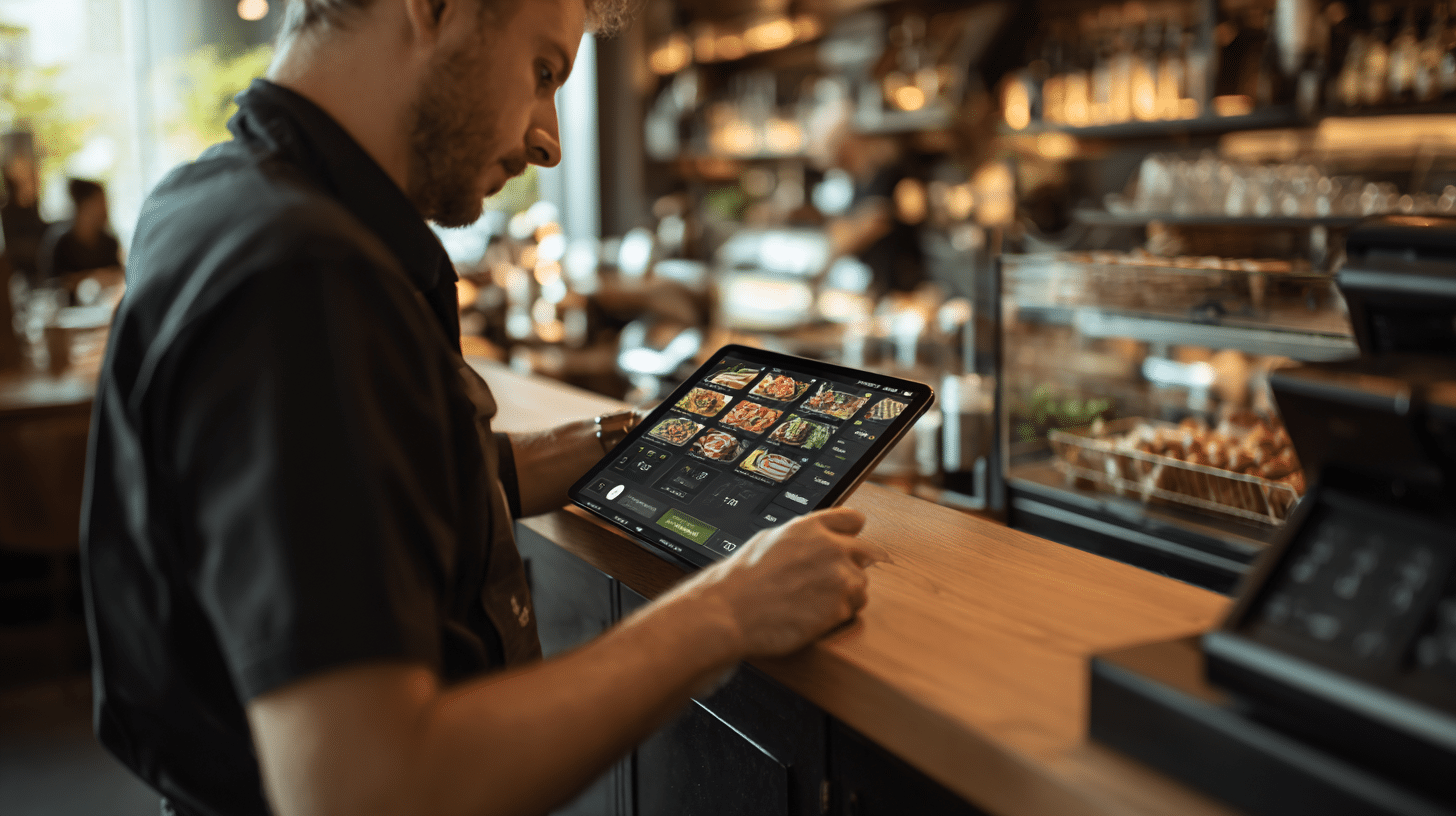
Digital platforms have revolutionized how modular menus are presented to customers. Modular user interface menus break down complex meal options into clear, interactive components that diners can select or deselect easily. For example, on a tablet menu, a customer might click on “Choose your protein,” then pick from chicken, beef, tofu, or fish modules, with real-time price and nutritional updates reflecting their choices.
This interactive design not only enhances customer engagement but also decreases confusion by guiding them step-by-step through meal customization. It can also include visual aids, such as photos of ingredient modules or dietary icons (e.g., vegan, gluten-free), making the ordering process intuitive and accessible to diverse audiences.
Restaurant managers and chefs benefit too. The digital modular menus can be updated instantly, enabling quick adaptation to new menu items, pricing adjustments, or ingredient availability without reprinting physical menus. Moreover, these platforms collect valuable data on popular modules and combinations, helping restaurants optimize their menus and forecast inventory needs more accurately.

Customizable Options and Customer Choice
Empowering customer choice is one of the strongest benefits of modular menu design. By allowing diners to tailor meals through customizable options, restaurants enhance satisfaction and attract a wider audience, including those with special dietary requirements or adventurous palates.
Mix-and-Match Meal Components
The mix-and-match approach invites customers to construct meals from a palette of ingredient modules. For example, a build-your-own salad menu might offer different greens, proteins, cheeses, nuts, and dressings as separate components. Diners can combine these to create a salad that perfectly suits their preferences and nutritional goals.
This flexibility encourages repeat visits, as customers can try new combinations every time. Additionally, it caters to diverse dietary needs without requiring separate menus for vegetarian, vegan, or allergen-free dishes. The same modules can be adapted to meet these demands effortlessly.
For the business, mix-and-match also opens opportunities for upselling. Customers are more likely to add premium modules like avocado or specialty cheeses, increasing the average ticket size. This customizable framework transforms dining into an interactive experience, making meals more memorable and enjoyable.
Enhancing Menu Variety Through Ingredient Modules
Ingredient modules add depth and variety to menus without overwhelming the kitchen. Restaurants can rotate modules seasonally to introduce fresh flavors or limited-time offerings without redesigning the entire menu. For example, a “summer veggies” module might feature grilled zucchini, cherry tomatoes, and fresh basil, which replaces a winter vegetable module in colder months.
This strategy keeps the menu exciting and responsive to trends or customer feedback. It also simplifies inventory management, as the kitchen prepares standard modules used across multiple dishes, reducing complexity.
Chef customization plays a significant role here. Chefs can experiment with new ingredient modules to innovate dishes. For example, creating a “spicy protein” module with a new marinade allows several dishes to be updated with a fresh flavor profile quickly. This fosters creativity while maintaining operational efficiency.
Personalized Dining: Meeting Customer Expectations
Today’s consumers expect dining experiences tailored to their individual tastes and needs. Modular menu design meets these expectations by letting customers personalize their meals effortlessly. This level of personalization increases satisfaction, encourages loyalty, and can lead to positive word-of-mouth recommendations.
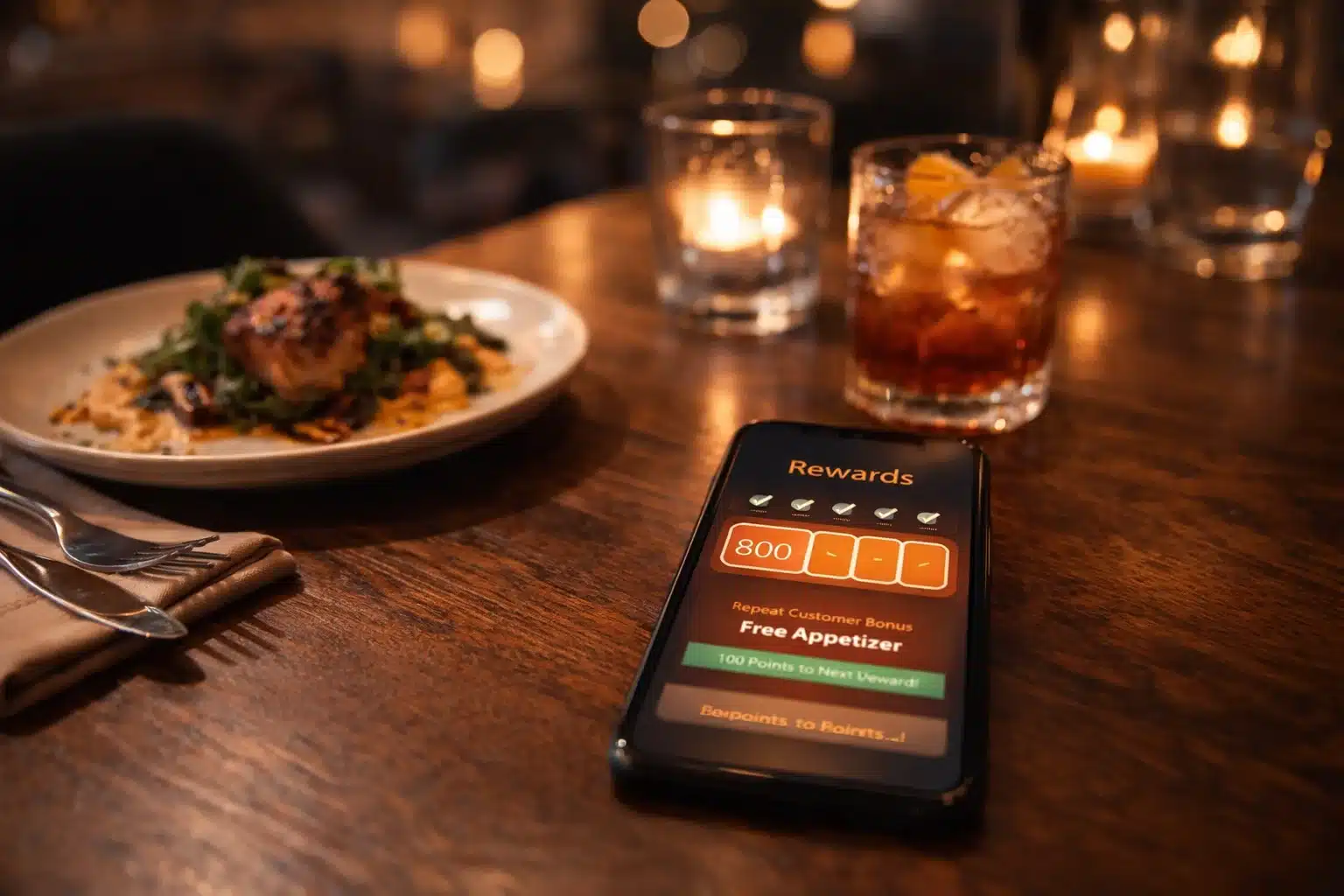
Personalized dining also supports marketing initiatives. Restaurants can offer loyalty rewards based on module preferences or create targeted promotions for popular modules. For example, a customer who frequently chooses the grilled chicken module might receive a discount on that item, enhancing engagement.
Furthermore, personalized dining experiences help restaurants stand out in competitive markets. When customers feel that their unique tastes are recognized and catered to, they develop a stronger emotional connection to the brand, boosting retention and long-term success.
Scalable Menu Strategies for Growing Businesses
Modular menu design is especially advantageous for growing businesses that need to maintain quality and consistency while expanding. The modular approach supports scalability by providing frameworks that can be replicated and customized across multiple locations or formats.
Building a Scalable Menu with Templates
Menu templates built from standardized ingredient modules create a scalable system. A restaurant chain, for example, can develop a core template that includes essential modules like proteins, sides, and sauces. Each location can then adjust these templates by swapping modules that better suit local tastes or ingredient availability.
This system ensures brand consistency while providing flexibility. Training new staff becomes easier because they learn a set of standardized modules rather than a large variety of unique dishes. It also speeds up onboarding, improving operational efficiency.
Templates also facilitate marketing and menu updates. When a new module is added or a promotion runs, the change can be rolled out system-wide quickly without redesigning each menu individually. This agility is crucial in competitive and fast-changing markets.
Managing Portion Control Through Modules
Portion control directly impacts both customer satisfaction and profitability. Modular menu design simplifies portion management by defining precise sizes and quantities for each ingredient module. This ensures customers receive consistent servings and helps control food costs.
For example, a protein module might always be 6 ounces, regardless of the dish it is part of. This predictability helps chefs maintain quality standards and enables accurate nutritional information for health-conscious customers.
In busy kitchens, pre-portioned modules speed up preparation and reduce mistakes. During peak times or catering events, this consistency allows restaurants to handle large volumes without compromising on quality.
Dynamic Offerings to Meet Growing Demand
As restaurants grow, their customer base diversifies, and demand fluctuates. Modular menu design supports dynamic offerings by enabling quick introduction or removal of ingredient modules based on trends, seasons, or customer feedback.
This flexibility helps restaurants stay relevant and exciting. For instance, a restaurant might introduce a limited-time “holiday spice” module during the festive season to add a unique twist to several dishes without altering the entire menu.
Testing new modules on a smaller scale also reduces risks associated with new menu development. Successful modules can become permanent features, while less popular ones can be retired with minimal disruption.
Menu Segmentation and Adaptive Structures
Menu segmentation works hand-in-hand with modular design to organize menus into clear, logical sections. This improves customer navigation and highlights key modules and dishes, enhancing the overall dining experience.
Organizing Menus by Segments
Segmenting menus divides the offerings into categories like appetizers, mains, sides, dietary preferences, or meal times. For example, a modular menu might have separate segments for vegan modules, gluten-free options, or build-your-own bowls. This clarity helps customers quickly find what suits their needs and reduces decision fatigue.
Segmentation also aids in marketing by spotlighting popular or high-margin modules within specific categories. For instance, a “Chef’s Specials” segment can highlight new or seasonal modules to draw attention and drive sales.
For restaurants, segmentation simplifies inventory and preparation by grouping similar modules together. This structure also supports targeted promotions and loyalty programs based on segmented preferences, enhancing customer engagement.
Adaptive Menu Design for Changing Needs
Adaptive menu design means the menu evolves based on customer feedback, sales data, and market trends. With modular menus, restaurants can modify segments or modules quickly without extensive reprints or confusion.
For example, if a particular protein module sees declining sales, it can be replaced or enhanced based on customer preferences. Similarly, emerging dietary trends, like keto or plant-based diets, can be accommodated by introducing new modules within existing segments.
POS systems like Biyo POS play a vital role here by enabling real-time menu updates across digital platforms, ensuring that menus remain current and relevant to diners’ evolving expectations.
Improving Customer Experience Through Structure
Well-segmented and adaptive menus make ordering straightforward and enjoyable. Customers feel empowered because they can easily navigate the options and customize their meals without feeling overwhelmed.
This enhanced experience often leads to faster ordering and fewer errors, which benefits both customers and staff. When diners are satisfied with the ease of ordering and the quality of customization, they are more likely to return.
In essence, menu segmentation combined with modular design creates a seamless, user-friendly dining journey that meets modern customer expectations while optimizing restaurant operations.
Innovative Modular Plating and Presentation
The principles of modular menu design extend beyond the menu itself into plating and presentation, where modular plating techniques enhance both aesthetics and functionality of dishes.
Visual Appeal with Modular Plating
Modular plating involves serving dishes in distinct components, often separated on the plate or presented in a composed arrangement. This method highlights each ingredient’s freshness and quality, making the dish visually striking. For example, a build-your-own taco platter might present proteins, salsas, and toppings separately, allowing diners to appreciate each element before assembling their meal.
This presentation style encourages customer interaction and engagement with the food. Diners enjoy customizing their bite-by-bite experience, which adds an element of fun and personalization to the meal.
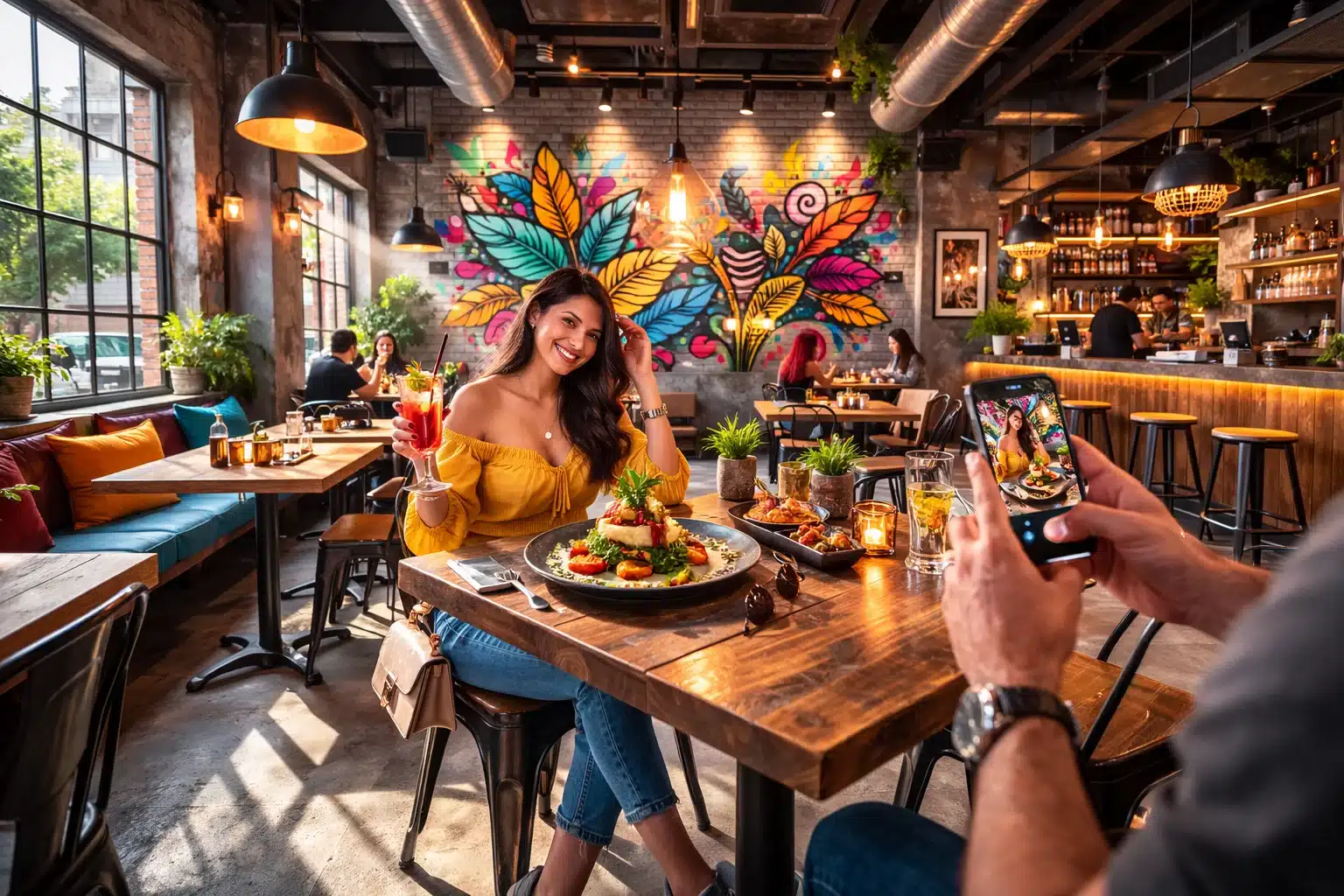
Restaurants can leverage modular plating to create Instagram-worthy dishes that attract social media attention, helping build brand awareness and customer excitement.
Facilitating Portion Control and Customization
Serving pre-measured modules on plates supports precise portion control. Each element has a defined size, helping chefs maintain consistency across dishes and simplifying nutritional calculations for health-conscious customers.
Additionally, modular plating makes it easier to accommodate dietary restrictions. For instance, a customer avoiding dairy can receive a plate with separate components that exclude cheese modules without remaking the entire dish.
This approach speeds up kitchen service since pre-plated modules can be quickly assembled or swapped out as needed, reducing wait times and improving customer satisfaction.
Enhancing Menu Innovation Through Presentation
Modular plating encourages chefs to experiment with new ways of presenting food. Seasonal or limited-time modules can be showcased distinctly, creating a sense of novelty. For example, a chef might introduce a “rainbow vegetable” module arranged artistically to draw attention to seasonal produce.
This presentation innovation can become part of a restaurant’s signature style, setting it apart from competitors and appealing to adventurous diners seeking unique experiences.
In summary, modular plating complements the modular menu design philosophy by making meals customizable, visually appealing, and operationally efficient.
Biyo POS: Enhancing Modular Menu Design
Biyo POS is an ideal partner for restaurants adopting modular menu design. Its advanced features allow seamless creation and management of flexible, customizable menus. The system supports dynamic menu segmentation, mix-and-match ordering, and real-time updates, empowering restaurants to deliver personalized dining experiences efficiently.
Biyo POS also helps manage inventory tied to ingredient modules, ensuring portion control and reducing waste. With intuitive interfaces, both front-of-house staff and customers benefit from streamlined ordering processes that align perfectly with modular menu principles.
By integrating Biyo POS, restaurants gain agility in adapting menus, launching new modules, and tracking customer preferences, all of which contribute to improved service quality and business growth in today’s competitive market.
Frequently Asked Questions
What is modular menu design?
Modular menu design is a system that divides a restaurant’s menu into interchangeable ingredient modules or components. This allows customers to mix and match parts of a dish to create personalized meals, increasing flexibility and variety while simplifying kitchen operations.
How does modular menu design improve customer choice?
By breaking down dishes into customizable parts, modular menu design gives customers control over their meal composition. This approach caters to individual tastes, dietary needs, and preferences, resulting in higher satisfaction and more repeat business.
Can modular menu design help with portion control?
Yes. Each ingredient module is pre-portioned, ensuring consistency in serving sizes. This control reduces waste, manages costs, and helps restaurants maintain quality standards across dishes.
Is modular menu design suitable for large restaurant chains?
Absolutely. Modular menus allow large chains to maintain brand consistency through templates while customizing offerings at individual locations to meet local tastes and ingredient availability, supporting scalable growth.
How does Biyo POS support modular menu design?
Biyo POS offers flexible menu management tools tailored for modular design. It enables real-time menu updates, supports mix-and-match ordering, tracks inventory at the module level, and simplifies menu segmentation, all crucial for operating an effective modular menu system.