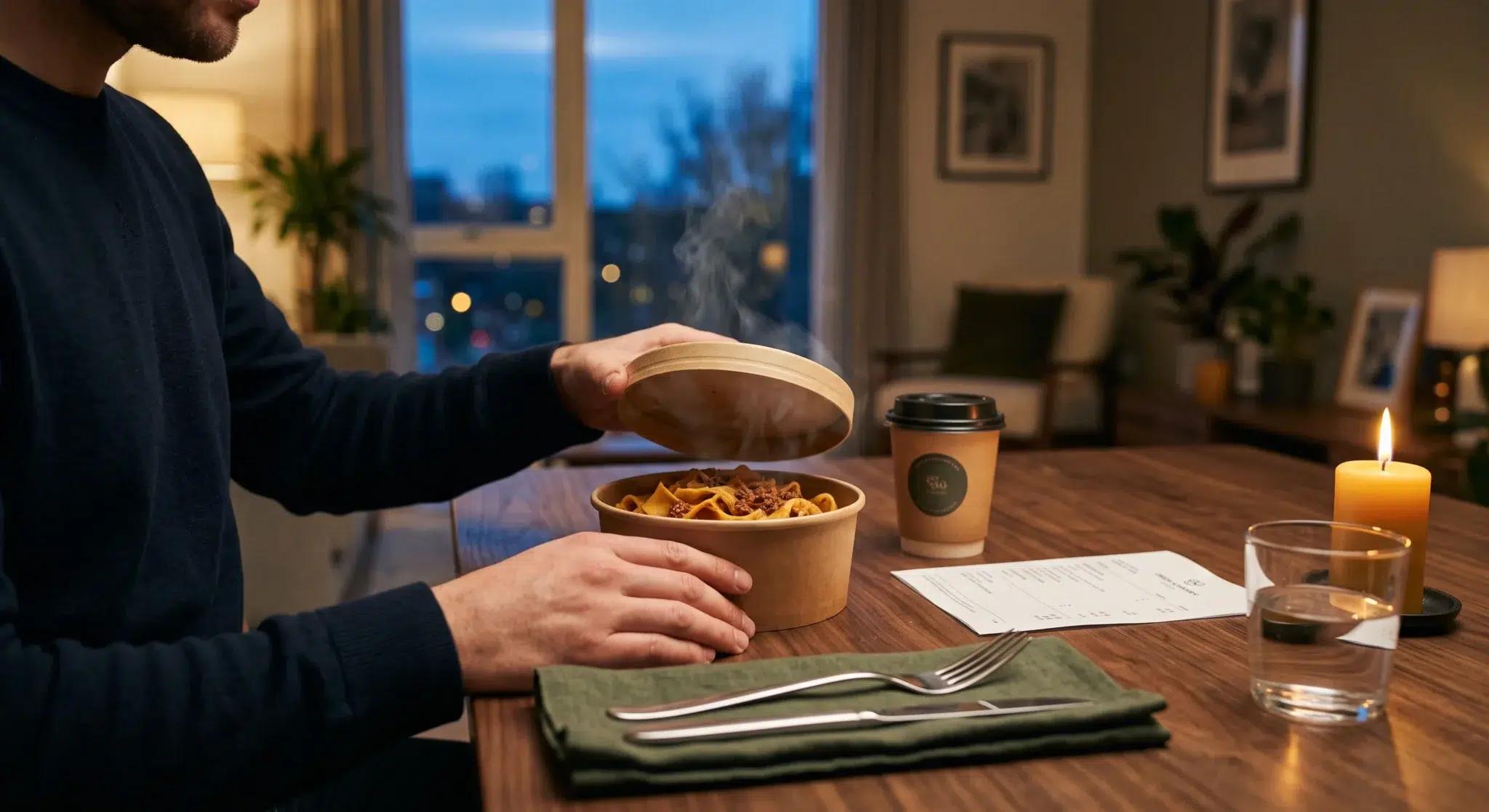
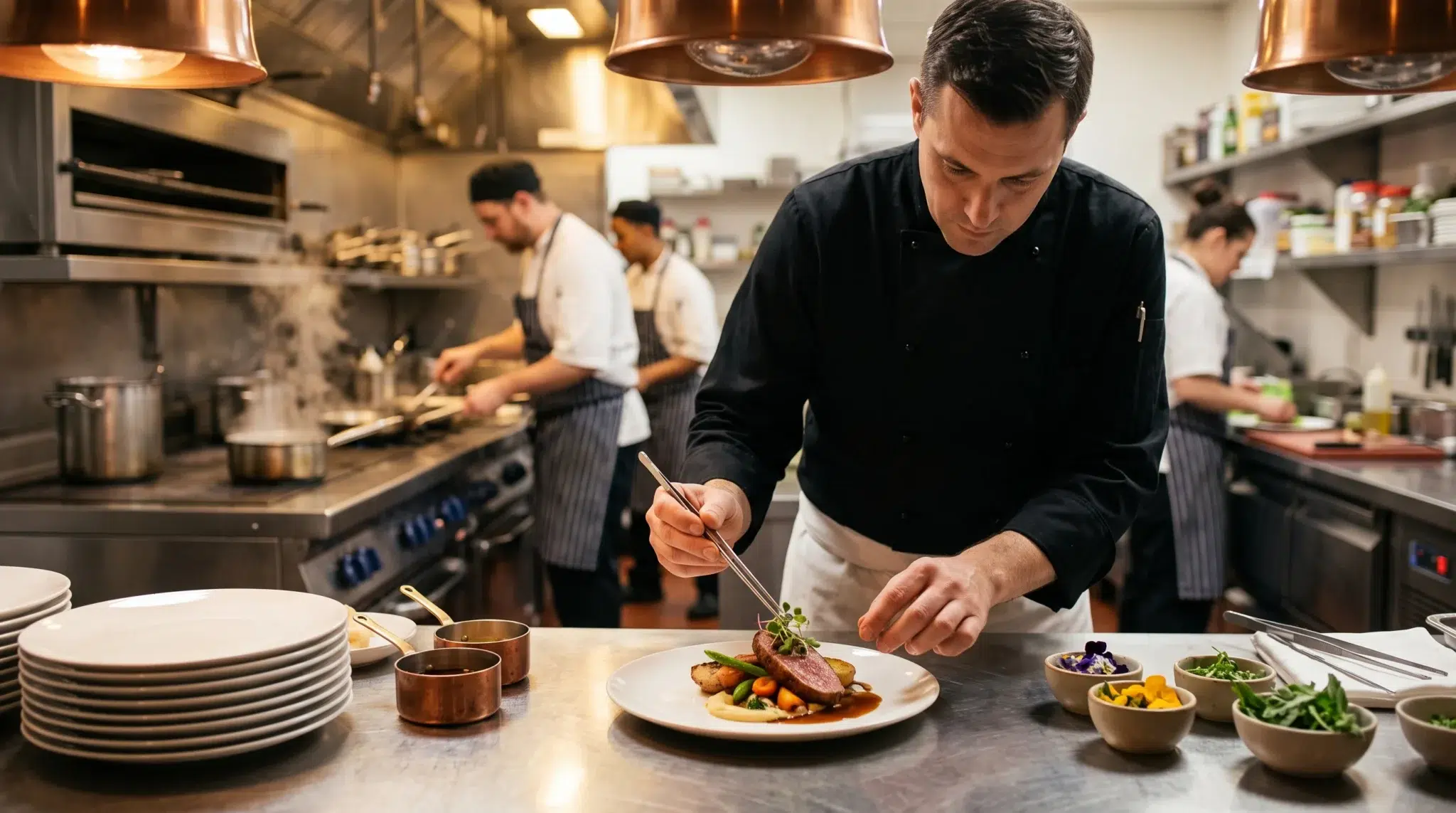
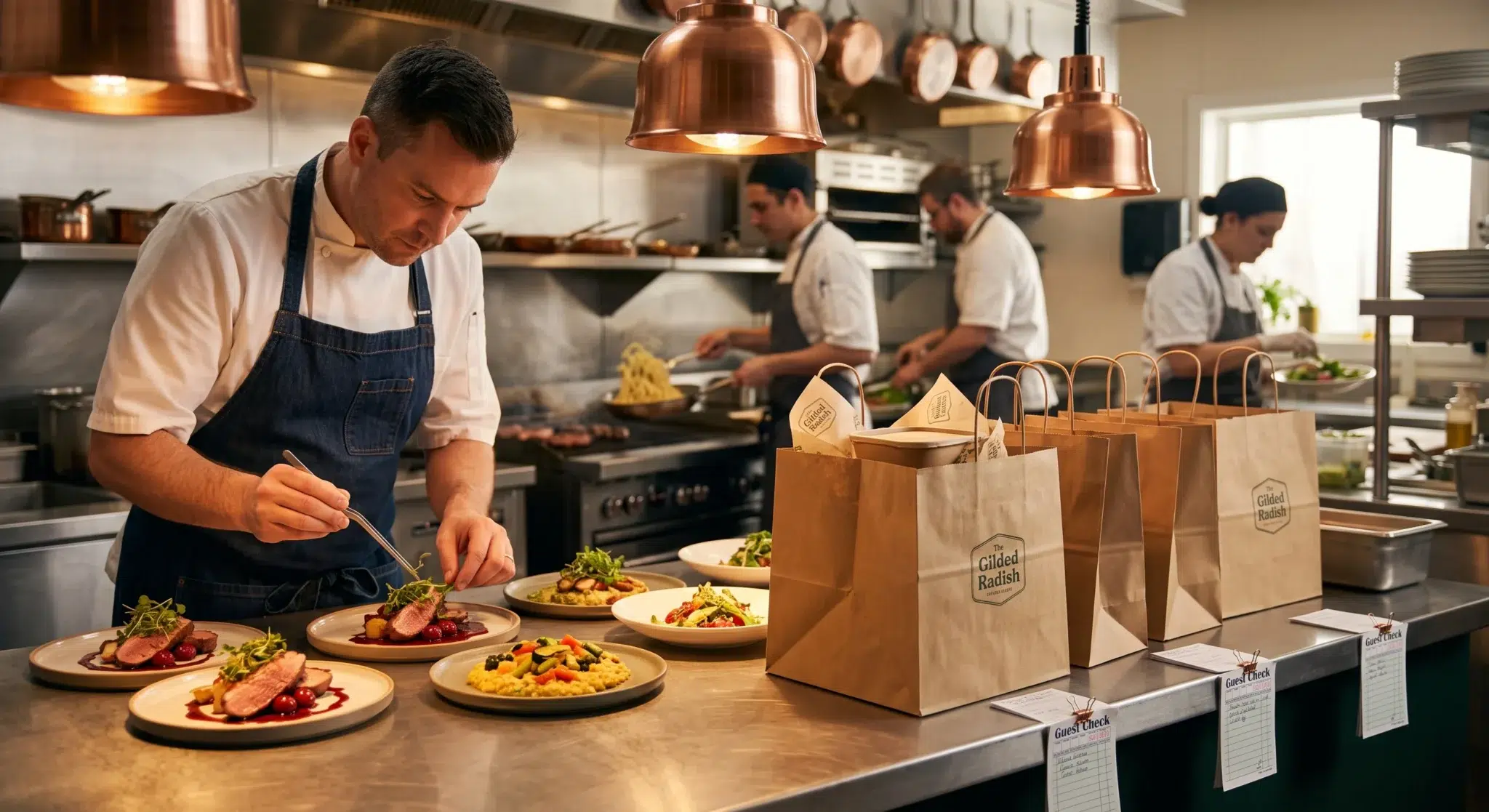
Choosing the perfect specialty dish involves much more than simply selecting the most expensive item on the menu. Great dining experiences are often built around thoughtful ingredient selection, culinary creativity, flavor balance, seasonal freshness, and the chef’s personal style. Whether dining at an upscale restaurant, exploring local hidden gems, or trying international cuisine for the first time, understanding how specialty dishes are crafted helps diners appreciate the experience on a much deeper level.
Modern restaurants are placing greater emphasis on signature dishes that create memorable dining experiences and help establish a strong brand identity. Customers increasingly look for meals that feel unique, authentic, and visually impressive rather than choosing generic menu items. According to restaurant industry research, diners are more likely to revisit restaurants that offer standout specialty dishes featuring creative presentation, premium ingredients, or regional authenticity.
Today’s specialty dishes are also heavily influenced by changing food trends, including farm-to-table sourcing, fusion cuisine, dietary customization, and chef-driven experimentation. Restaurants use these signature creations not only to attract customers but also to demonstrate culinary expertise and differentiate themselves in highly competitive markets.
Understanding what makes a specialty dish exceptional allows food lovers to make better dining decisions while also appreciating the craftsmanship, preparation, and strategy behind modern restaurant menus.
Table of Contents
- Understanding What Makes a Specialty Dish Unique
- The Importance of Ingredients and Seasonal Freshness
- Chef Creativity and Culinary Techniques
- Regional and Cultural Influences on Specialty Dishes
- How to Evaluate a Specialty Dish Like a Food Expert
- Menu Psychology and Signature Dish Placement
- Technology and the Evolution of Specialty Dining
- The Future of Specialty Dish Experiences
- How Biyo POS Supports Specialty Dining Restaurants
- Frequently Asked Questions
Understanding What Makes a Specialty Dish Unique
A specialty dish is typically considered a restaurant’s signature menu item — a carefully designed culinary creation intended to showcase unique ingredients, advanced cooking methods, regional influences, or chef creativity. Unlike standard menu items that focus primarily on consistency and operational efficiency, specialty dishes are often crafted to create memorable dining experiences that customers strongly associate with the restaurant itself.
Restaurants frequently use specialty dishes to establish their reputation and stand out within crowded dining markets. In many cases, these dishes become the defining element of the restaurant’s identity. For example, a steakhouse may become known for its dry-aged ribeye with house-made sauces, while a seafood restaurant may build its reputation around a signature lobster risotto or seasonal catch prepared using local ingredients.
What separates specialty dishes from ordinary menu items is the attention to detail involved in every aspect of preparation. These dishes often rely on premium ingredients, layered flavor development, artistic presentation, and carefully refined recipes that require advanced culinary skills. Specialty dishes may additionally involve longer preparation times, more sophisticated plating techniques, and seasonal adaptation that keeps menus dynamic throughout the year.
Customers are naturally drawn toward dishes that feel exclusive, highly recommended, or chef-driven. Signature dishes create anticipation because diners believe they represent the restaurant’s best culinary work. Many customers specifically seek out chef recommendations, regional specialties, seasonal tasting menus, and visually impressive dishes they have seen online or through social media.
Restaurants understand this behavior and often highlight specialty dishes strategically within menus using descriptive language, premium placement, or server recommendations. This combination of culinary quality and customer psychology plays a major role in modern dining culture.
The Importance of Ingredients and Seasonal Freshness
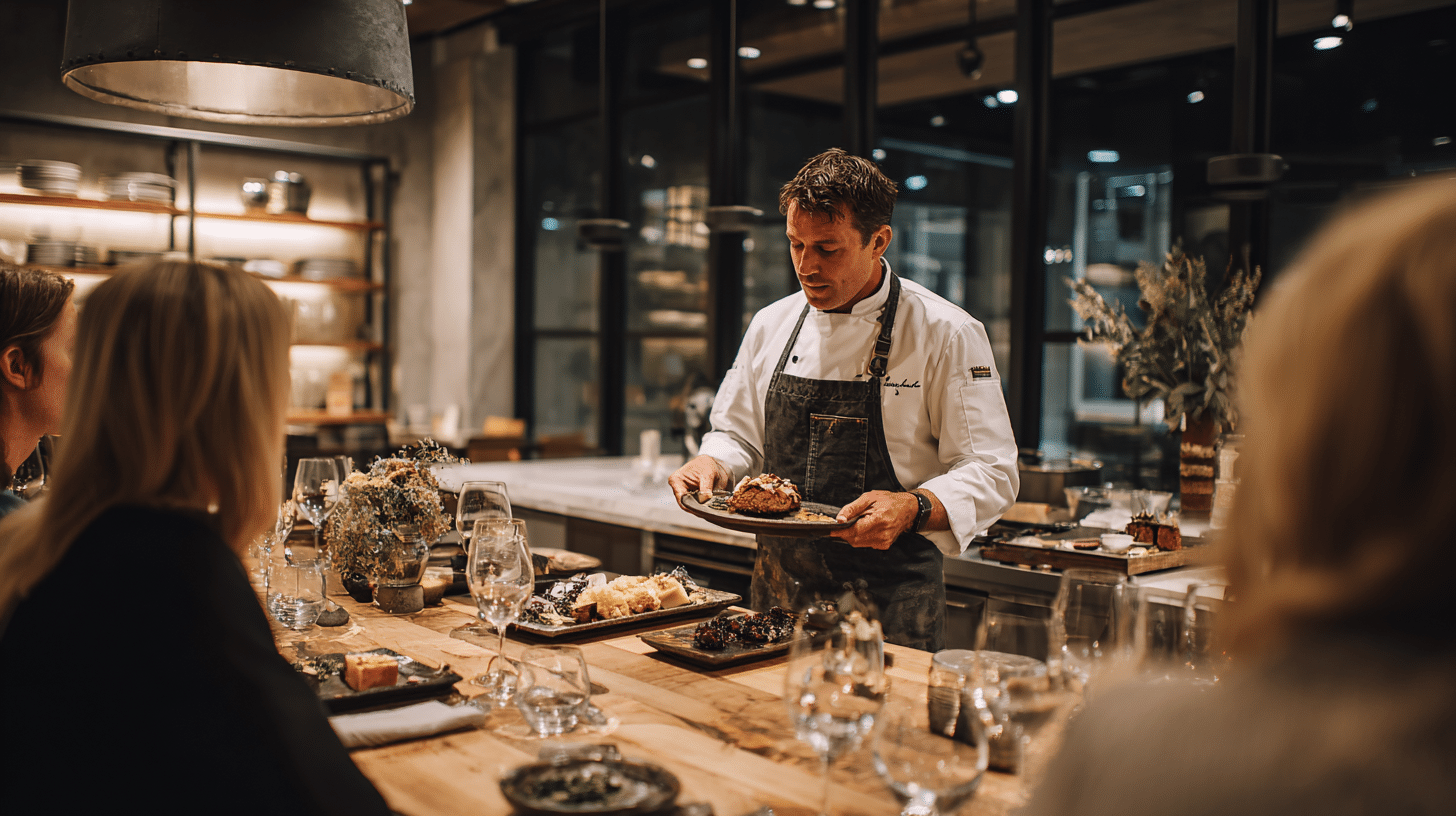
Exceptional specialty dishes begin with ingredient quality. Even the most advanced culinary techniques cannot fully compensate for poor-quality ingredients. Restaurants known for outstanding specialty dishes often prioritize fresh, seasonal, and locally sourced products because these ingredients deliver stronger flavor, improved texture, and better overall dining experiences.
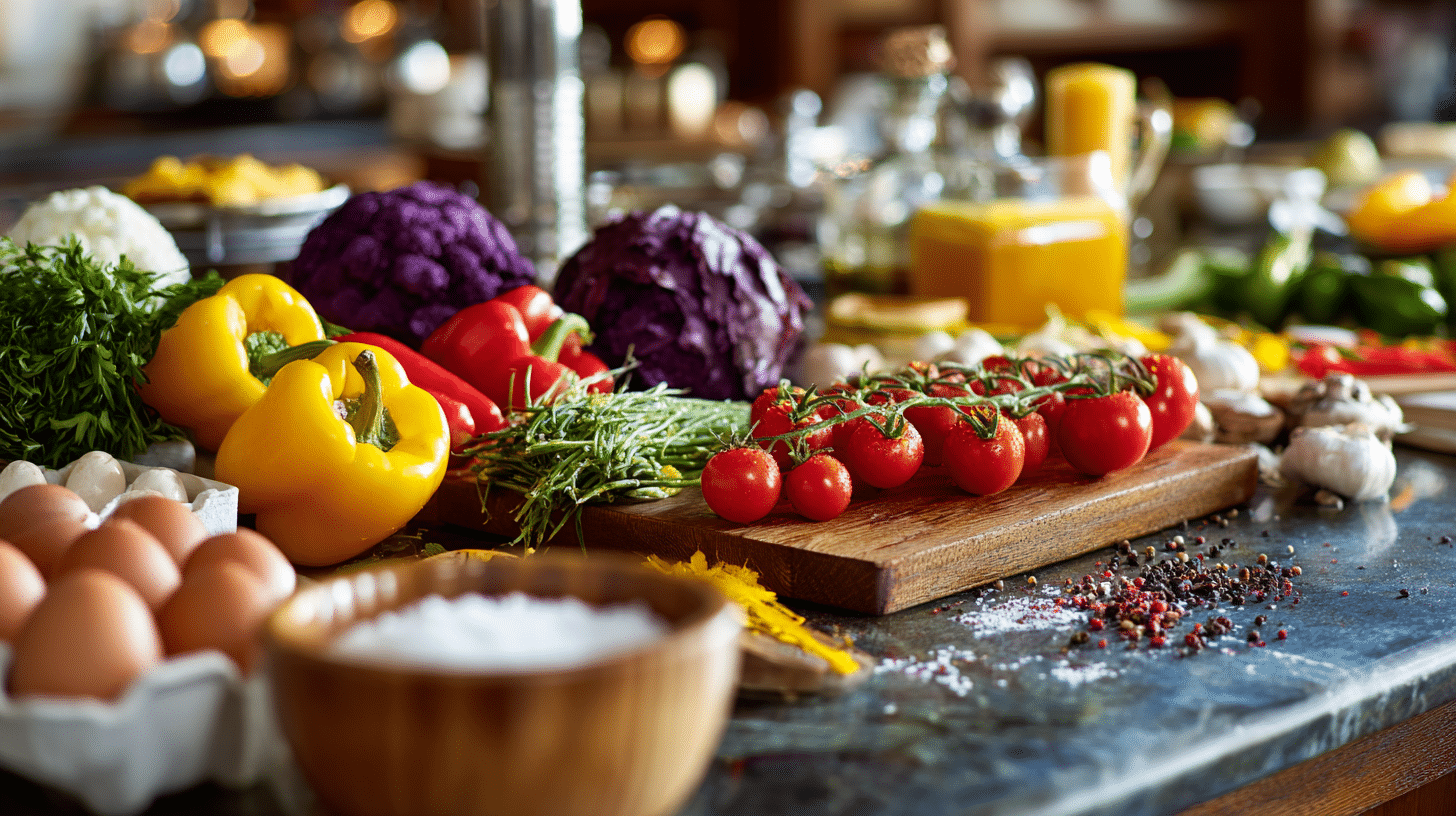
Seasonal ingredients are especially important because they are typically harvested at peak ripeness. Summer dishes often highlight tomatoes, berries, and fresh herbs, while autumn menus may focus on mushrooms, squash, and root vegetables. Winter specialties frequently feature braised meats and hearty comfort foods, while spring menus emphasize asparagus, peas, citrus, and lighter preparations.
Restaurants that update specialty dishes seasonally are able to maintain menu freshness while keeping customers interested throughout the year. Seasonal adaptation also helps restaurants control ingredient costs because locally abundant produce is often more affordable and easier to source consistently.
Farm-to-table sourcing has also become increasingly important within modern specialty dining. Many restaurants now partner directly with local farms, fisheries, bakeries, and artisan producers to secure fresher ingredients while supporting local economies. These sourcing relationships allow restaurants to create dishes with stronger regional identity and authenticity.
Some specialty dishes additionally rely on luxury ingredients to elevate exclusivity and flavor complexity. Ingredients such as truffles, wagyu beef, caviar, saffron, imported cheeses, or fresh oysters are often associated with premium dining experiences. However, ingredient quality alone does not guarantee a successful dish. Preparation, balance, creativity, and execution remain equally important.

Chef Creativity and Culinary Techniques
Chef creativity is one of the defining elements of specialty dining. Talented chefs carefully combine ingredients, textures, temperatures, aromas, and presentation techniques to create dishes that deliver memorable sensory experiences. In many restaurants, specialty dishes serve as the chef’s creative showcase, allowing culinary teams to experiment with new ideas and innovative cooking methods.
Modern restaurants frequently incorporate advanced culinary techniques into specialty dishes. Popular methods include sous vide cooking, wood-fire grilling, dry aging, fermentation, molecular gastronomy, and cold smoking. These techniques enhance flavor development while also creating unique textures and visual appeal.
Successful specialty dishes also rely heavily on flavor balance. Exceptional chefs carefully balance sweetness, acidity, bitterness, saltiness, and umami so that no single flavor overwhelms the others. Texture contrast is equally important. Crispy garnishes paired with creamy sauces or tender proteins create more dynamic eating experiences that keep diners engaged throughout the meal.
Presentation plays a major role in how customers perceive quality and flavor. Modern specialty dining frequently emphasizes artistic plating techniques that transform dishes into visual experiences. Restaurants increasingly recognize that visually appealing dishes perform exceptionally well on social media, encouraging customers to photograph and share their meals online.
This connection between presentation and digital marketing has significantly influenced modern menu development. Many restaurants now design specialty dishes specifically to create strong visual impact while maintaining flavor integrity and culinary sophistication.
Regional and Cultural Influences on Specialty Dishes
Many specialty dishes draw inspiration from regional traditions and cultural heritage. Authenticity often plays a major role in customer perception and dining satisfaction because diners increasingly seek experiences that feel culturally meaningful and historically rooted.
Restaurants specializing in authentic cuisine frequently focus on traditional preparation methods and culturally significant ingredients. Examples include handmade Italian pasta, Japanese omakase sushi, French coq au vin, Texas barbecue brisket, or Mediterranean mezze platters. These dishes often reflect generations of culinary history while preserving important regional identities.
Fusion cuisine has additionally become highly influential within modern specialty dining. Fusion dishes combine elements from multiple culinary traditions to create entirely new flavor experiences. Popular examples include Korean tacos, sushi burritos, Indian-inspired pizzas, and Asian-Mexican street food concepts.
Successful fusion cuisine requires careful balance and cultural understanding. The best fusion dishes feel intentional and harmonious rather than gimmicky. Restaurants that execute fusion concepts properly often create highly memorable specialty dishes that attract adventurous diners seeking something new and distinctive.
How to Evaluate a Specialty Dish Like a Food Expert
Food lovers can evaluate specialty dishes more thoughtfully by focusing on several important elements that contribute to overall quality and dining satisfaction.
Ingredient quality remains one of the most important factors. Fresh, properly sourced ingredients typically produce cleaner flavors, stronger textures, and better overall balance. Diners can often recognize ingredient quality through aroma, visual appearance, and flavor intensity.
Flavor balance is another key consideration. Exceptional dishes maintain harmony between flavors without allowing any one component to dominate the plate. Texture and temperature additionally influence enjoyment significantly. Crispy foods should remain crisp, chilled ingredients should stay cold, and warm dishes should be served at proper temperatures that enhance flavor and texture.
Presentation and creativity also matter because visual appeal influences emotional perception of the meal. However, strong presentation should support flavor rather than distract from it. The best specialty dishes combine visual artistry with genuine culinary depth and technical execution.
Diners should additionally pay attention to how well flavors integrate together. A thoughtfully designed specialty dish should feel cohesive rather than random. Every ingredient should contribute meaningfully to the overall experience.
Menu Psychology and Signature Dish Placement
Restaurants use menu psychology strategically to influence customer ordering behavior and increase specialty dish visibility. Signature dishes are often positioned in visually prominent areas where customers naturally focus first when reading the menu.
Restaurants frequently use highlighted boxes, chef recommendation symbols, descriptive storytelling, and premium placement to attract attention toward profitable or signature items. Descriptive language significantly impacts customer perception because diners often associate detailed menu descriptions with higher quality and greater culinary sophistication.
For example, a menu description mentioning locally sourced ingredients, traditional preparation methods, or chef-crafted sauces typically creates stronger emotional appeal than a simple dish title alone. Customers often perceive these details as indicators of authenticity and craftsmanship.
Restaurants also strategically price specialty dishes to influence perception. Premium pricing can increase perceived exclusivity, while limited-time seasonal offerings create urgency and encourage customers to try dishes before they disappear from the menu.
Technology and the Evolution of Specialty Dining
Technology now plays a major role in shaping modern specialty dining experiences. Restaurants increasingly rely on digital tools for menu management, inventory tracking, reservation systems, customer analytics, online ordering, and kitchen communication.
Modern POS systems help restaurants monitor specialty dish performance while tracking ingredient costs and customer preferences in real time. This operational visibility allows restaurants to refine menus more effectively while maintaining profitability.
Social media has also dramatically influenced specialty dining culture. Visually striking dishes often become viral trends that drive customer traffic and restaurant visibility. Many restaurants now design specialty items specifically to create strong online engagement and social sharing opportunities.
Digital reviews, food influencers, and online restaurant discovery platforms additionally shape how customers choose dining experiences. Specialty dishes that generate strong visual appeal and positive customer feedback often become central marketing tools for modern restaurants.
The Future of Specialty Dish Experiences
The future of specialty dining will likely become increasingly personalized, technology-driven, and experience-focused. Restaurants are moving beyond traditional dining by creating immersive culinary experiences that combine storytelling, customization, sustainability, and innovation.
Emerging trends include chef tasting menus, interactive dining concepts, AI-driven menu personalization, hyper-local ingredient sourcing, sustainability-focused cuisine, and experiential dining environments designed around entertainment and sensory engagement.
Customers increasingly value unique dining experiences over routine restaurant visits. As a result, restaurants that continue innovating specialty dishes while maintaining authenticity, quality, and operational consistency will likely remain highly competitive within the evolving hospitality industry.
Restaurants that successfully balance creativity with customer expectations will continue shaping the future of specialty dining culture.
How Biyo POS Supports Specialty Dining Restaurants
Restaurants offering specialty dishes often manage highly dynamic menus, seasonal ingredients, customized orders, and complex kitchen workflows. Modern restaurant technology helps simplify these operations while maintaining service quality and operational efficiency.
Biyo POS provides restaurants with tools designed to streamline specialty dining management through integrated sales tracking, inventory monitoring, menu customization, and advanced reporting.
The platform allows restaurants to update seasonal menus quickly, monitor specialty dish performance, track ingredient usage, manage customizations, and analyze customer ordering behavior in real time. These capabilities help restaurants maintain consistency while adapting quickly to changing customer demand.
Biyo POS also improves communication between front-of-house staff and kitchen teams by ensuring detailed customization requests are transmitted accurately. This reduces order errors and supports higher-quality customer experiences.
Restaurants interested in improving operational efficiency and managing specialty dining experiences more effectively can create a Biyo POS account to explore the platform further. Businesses seeking a personalized walkthrough can additionally schedule a demo with the Biyo team.
Frequently Asked Questions
What is a specialty dish?
A specialty dish is a signature menu item designed to showcase unique ingredients, chef creativity, regional influences, or advanced culinary techniques.
Why are specialty dishes important for restaurants?
Specialty dishes help restaurants differentiate themselves, strengthen branding, attract customers, and create memorable dining experiences that encourage repeat visits.
How can customers identify a high-quality specialty dish?
Customers should evaluate ingredient freshness, flavor balance, texture contrast, presentation quality, creativity, and overall execution when assessing specialty dishes.
Why do restaurants use seasonal ingredients in specialty dishes?
Seasonal ingredients typically provide better flavor, improved freshness, lower costs, and greater culinary variety throughout the year.
How does menu psychology influence specialty dish selection?
Restaurants strategically place signature dishes in visually prominent menu areas while using descriptive language and premium positioning to increase customer interest.
What role does technology play in specialty dining?
Technology helps restaurants manage menu updates, inventory tracking, customer analytics, kitchen communication, and operational efficiency more effectively.
What are some examples of modern specialty dining trends?
Popular trends include chef tasting menus, fusion cuisine, immersive dining experiences, sustainability-focused menus, and highly customizable meals.
How does Biyo POS help restaurants manage specialty dishes?
Biyo POS helps restaurants manage inventory, menu customization, seasonal updates, specialty dish analytics, and operational workflows through one centralized platform.