
Opening a restaurant is one of the most exciting ventures in the hospitality industry, but it also requires careful financial planning. Understanding restaurant start up costs is essential for entrepreneurs who want to launch a successful restaurant while maintaining financial stability.
Restaurant startup expenses vary widely depending on factors such as location, concept, restaurant size, equipment needs, staffing, and technology investments. Some small food service businesses may launch with less than $50,000, while full-service restaurants can require investments exceeding $300,000 to $500,000 before opening day.
According to industry research from the National Restaurant Association, startup costs for restaurants typically average around $175,000 to $750,000, depending on concept and location. These costs include leasing a location, purchasing kitchen equipment, hiring staff, securing licenses, and investing in technology such as a modern POS system.
This guide provides a comprehensive breakdown of restaurant startup expenses, explaining where your money goes, how to plan your budget effectively, and how modern restaurant technology can help reduce costs and improve efficiency.
Table of Contents
- Understanding Restaurant Start Up Costs
- Major Categories of Restaurant Startup Expenses
- Location and Real Estate Costs
- Kitchen Equipment and Supplies
- Technology and POS System Costs
- Licenses, Permits, and Legal Fees
- Interior Design and Restaurant Ambiance
- Marketing and Launch Promotion
- Staff Recruitment and Training
- Detailed Breakdown of Startup Costs
- Managing Restaurant Finances Effectively
- How Biyo Helps Restaurants Manage Startup Costs
- Frequently Asked Questions
Understanding Restaurant Start Up Costs
What Are Restaurant Startup Costs?
Restaurant start up costs include all expenses required to open and prepare a restaurant before serving the first customer. These costs cover everything from leasing a space and purchasing equipment to hiring employees and launching marketing campaigns.
Startup costs typically fall into two categories:
- Initial startup costs: One-time expenses required to open the restaurant.
- Operating capital: Funds needed to run the restaurant for the first few months before it becomes profitable.
Many restaurant experts recommend maintaining at least 3 to 6 months of operating expenses in reserve to protect against early cash flow challenges.
Why Proper Cost Planning Matters
The restaurant industry is highly competitive, and financial miscalculations during the startup phase are one of the most common reasons new restaurants fail.
Accurate budgeting allows restaurant owners to:
- Allocate capital effectively
- Avoid unexpected expenses
- Maintain operational stability
- Achieve faster profitability
Restaurants that plan their startup budgets carefully are significantly more likely to reach long-term sustainability.
Major Categories of Restaurant Startup Expenses
Restaurant startup budgets typically include several major categories:
- Location and lease deposits
- Kitchen equipment
- Interior design and furniture
- Technology systems
- Licenses and permits
- Marketing campaigns
- Staff hiring and training
Each of these categories contributes significantly to the total cost of launching a restaurant.
Location and Real Estate Costs
The location of a restaurant is one of the largest startup expenses. High-traffic urban locations generally command higher rent but also provide greater customer visibility.
Real estate costs may include:
- Security deposits
- Advance rent payments
- Property renovations
- Utility setup fees
In major metropolitan areas, monthly restaurant rent can exceed $10,000, while smaller cities may offer more affordable options between $2,000 and $5,000 per month.
Choosing the right location requires balancing customer traffic potential with manageable rent costs.
Kitchen Equipment and Supplies
A restaurant’s kitchen equipment is essential for food preparation and operational efficiency.
Common equipment expenses include:
- Commercial ovens and ranges
- Refrigerators and freezers
- Food preparation tables
- Dishwashers
- Ventilation systems
- Small appliances and utensils
Kitchen equipment costs alone can range from $20,000 to over $150,000 depending on the restaurant concept and equipment quality.
Some restaurant owners reduce costs by purchasing refurbished equipment or leasing commercial appliances.
Technology and POS System Costs
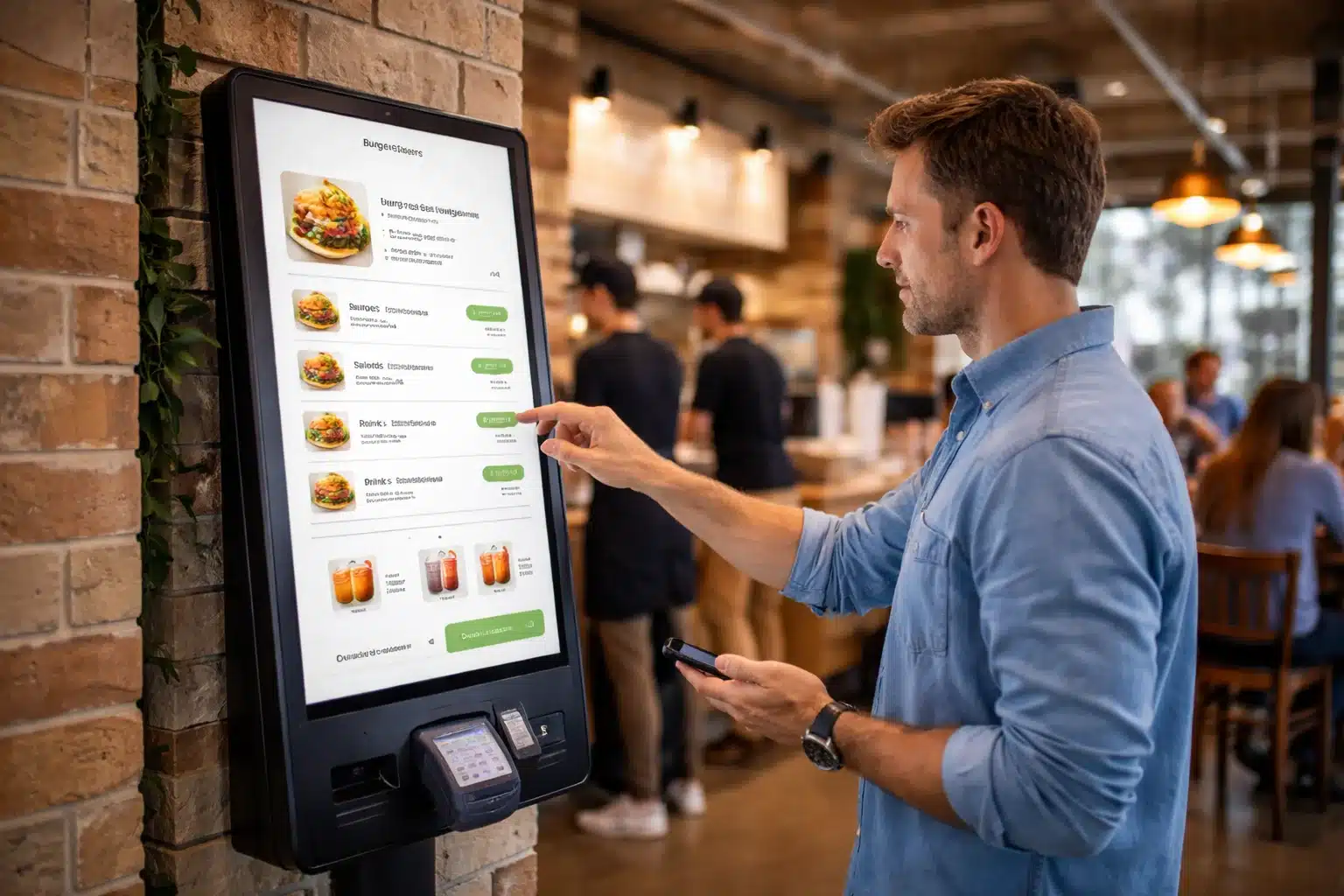
Modern restaurants rely heavily on technology to manage operations efficiently. One of the most important systems is the restaurant POS system.
A POS system manages several essential functions:
- Order processing
- Payment transactions
- Inventory tracking
- Sales analytics
- Customer data management
Typical POS system costs include:
- Hardware: $300 – $2,500+
- Software subscription: $49 – $200 per month
- Payment processing fees: 1.5% – 3.5% per transaction
Investing in a reliable POS system helps restaurant owners monitor performance and reduce operational inefficiencies.
Licenses, Permits, and Legal Fees
Restaurants must comply with various local and national regulations before opening.
Required permits may include:
- Business registration licenses
- Food safety permits
- Health department inspections
- Liquor licenses
- Fire department approvals
Liquor licenses can be particularly expensive, sometimes costing $10,000 to $100,000 depending on the jurisdiction.
Legal consultations and permit processing fees should also be included in the startup budget.
Interior Design and Restaurant Ambiance
The design and atmosphere of a restaurant strongly influence customer perception and overall dining experience.
Interior expenses may include:
- Dining tables and chairs
- Lighting fixtures
- Decor and artwork
- Bar installations
- Sound systems
Restaurant design costs typically range between $10,000 and $100,000 depending on concept and design complexity.
Marketing and Launch Promotion
Marketing is essential for building awareness before and after opening a restaurant.
Common launch marketing expenses include:
- Logo and branding design
- Website development
- Social media advertising
- Grand opening events
- Local advertising campaigns
Marketing budgets for new restaurants typically range between $5,000 and $20,000 for initial campaigns.
Staff Recruitment and Training
Hiring skilled employees is critical to delivering excellent customer service.
Staffing costs include:
- Chef and kitchen staff salaries
- Servers and front-of-house staff
- Management salaries
- Uniforms and onboarding materials
- Employee training programs
Labor typically accounts for 25% to 35% of total restaurant operating costs.
Detailed Breakdown of Restaurant Start Up Costs
Initial Investment Costs
- Property lease or purchase
- Kitchen equipment
- Initial inventory
- Renovation and decor
- Technology setup (including POS system)
- Marketing and branding
- Staff recruitment and training

Recurring Monthly Restaurant Costs
- Rent or mortgage payments
- Utility bills
- Employee salaries
- Inventory restocking
- POS system subscription
- Marketing campaigns
- Insurance and taxes
Maintaining sufficient working capital for these monthly expenses ensures restaurants remain financially stable during the early stages of operation.
Managing Restaurant Finances Effectively
Budgeting for Success
Successful restaurant owners carefully forecast expenses and maintain strict control over spending.
Effective budgeting includes:
- Monitoring cash flow regularly
- Tracking food and labor costs
- Analyzing sales trends
- Adjusting pricing strategies
Choosing the Right Technology
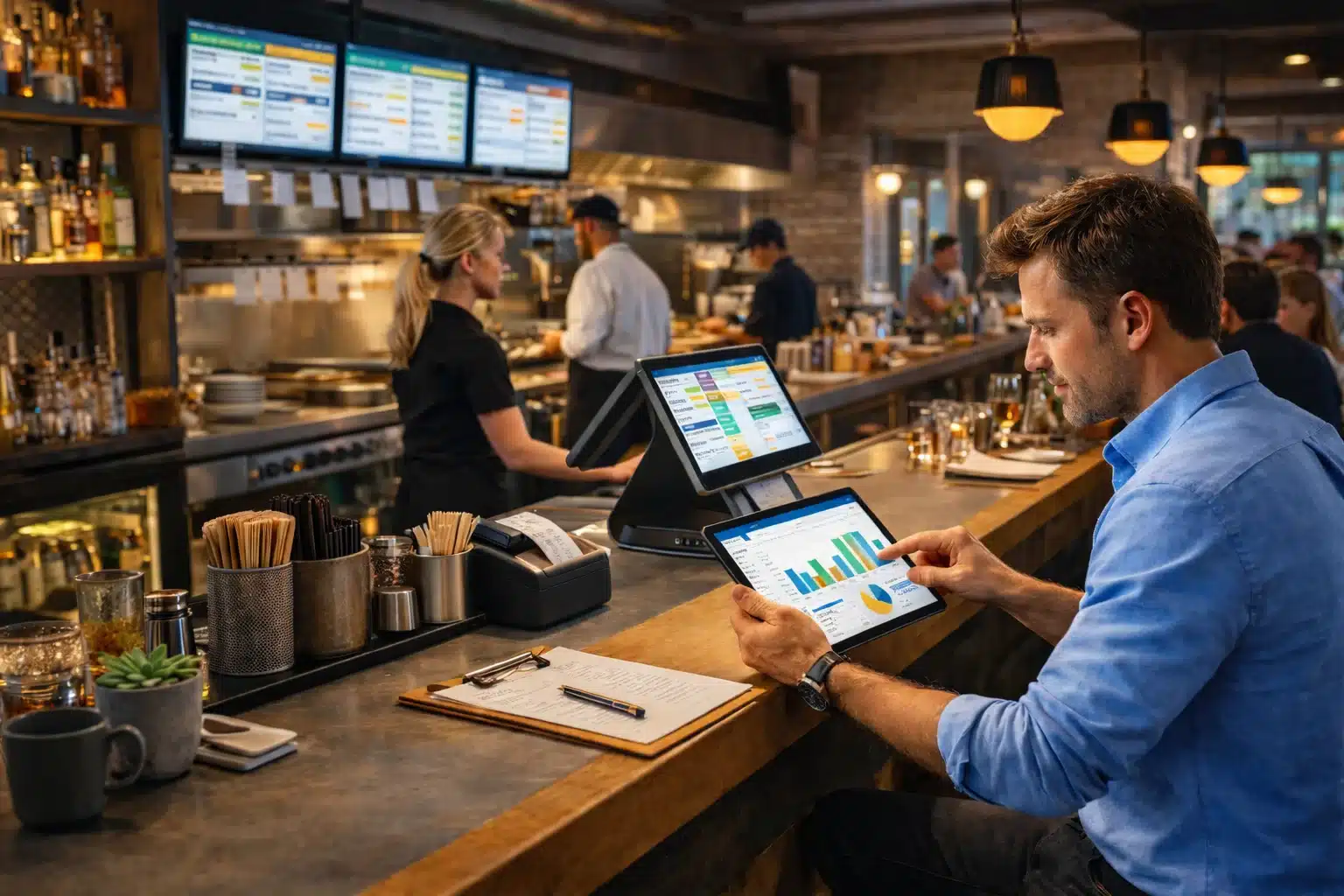
Technology plays a major role in financial management. Modern POS systems help restaurant owners track daily revenue, monitor inventory levels, and analyze operational performance.
Securing Funding
Restaurant startups typically rely on several funding sources:
- Personal savings
- Bank loans
- Small business grants
- Private investors
- Crowdfunding campaigns
Proper financial planning ensures that funding is used efficiently during the startup phase.
How Biyo Helps Restaurants Manage Startup Costs
Managing restaurant startup expenses becomes significantly easier with the right technology infrastructure. Biyo POS provides restaurant owners with powerful tools that streamline operations, reduce inefficiencies, and improve financial visibility.
With Biyo POS, restaurant operators gain access to features such as real-time sales analytics, inventory tracking, employee management, and automated reporting. These tools allow owners to monitor performance and control operational costs from a single dashboard.
Restaurants planning their technology setup can schedule a consultation with the Biyo team to explore how Biyo POS simplifies restaurant management and financial planning.
Businesses ready to launch their operations can also create a Biyo account and begin using advanced POS tools to manage orders, payments, and analytics efficiently.
Frequently Asked Questions
How much does it cost to start a restaurant?
Restaurant startup costs typically range between $175,000 and $750,000, depending on location, restaurant concept, and equipment needs.
What is the largest expense when opening a restaurant?
The largest expenses usually include real estate, kitchen equipment, and renovations.
How long does it take for a restaurant to become profitable?
Most restaurants take between 6 months and 2 years to reach consistent profitability.
Can technology reduce restaurant startup costs?
Yes. Modern POS systems and inventory tools help reduce waste, improve efficiency, and lower operational costs.
Should restaurants lease or buy equipment?
Leasing reduces upfront expenses, while purchasing equipment may provide long-term savings.
How much working capital should restaurants have?
Experts recommend maintaining at least 3 to 6 months of operating expenses as working capital.
Do all restaurants need a POS system?
Yes. POS systems are essential for managing orders, payments, and inventory efficiently in modern restaurant operations.