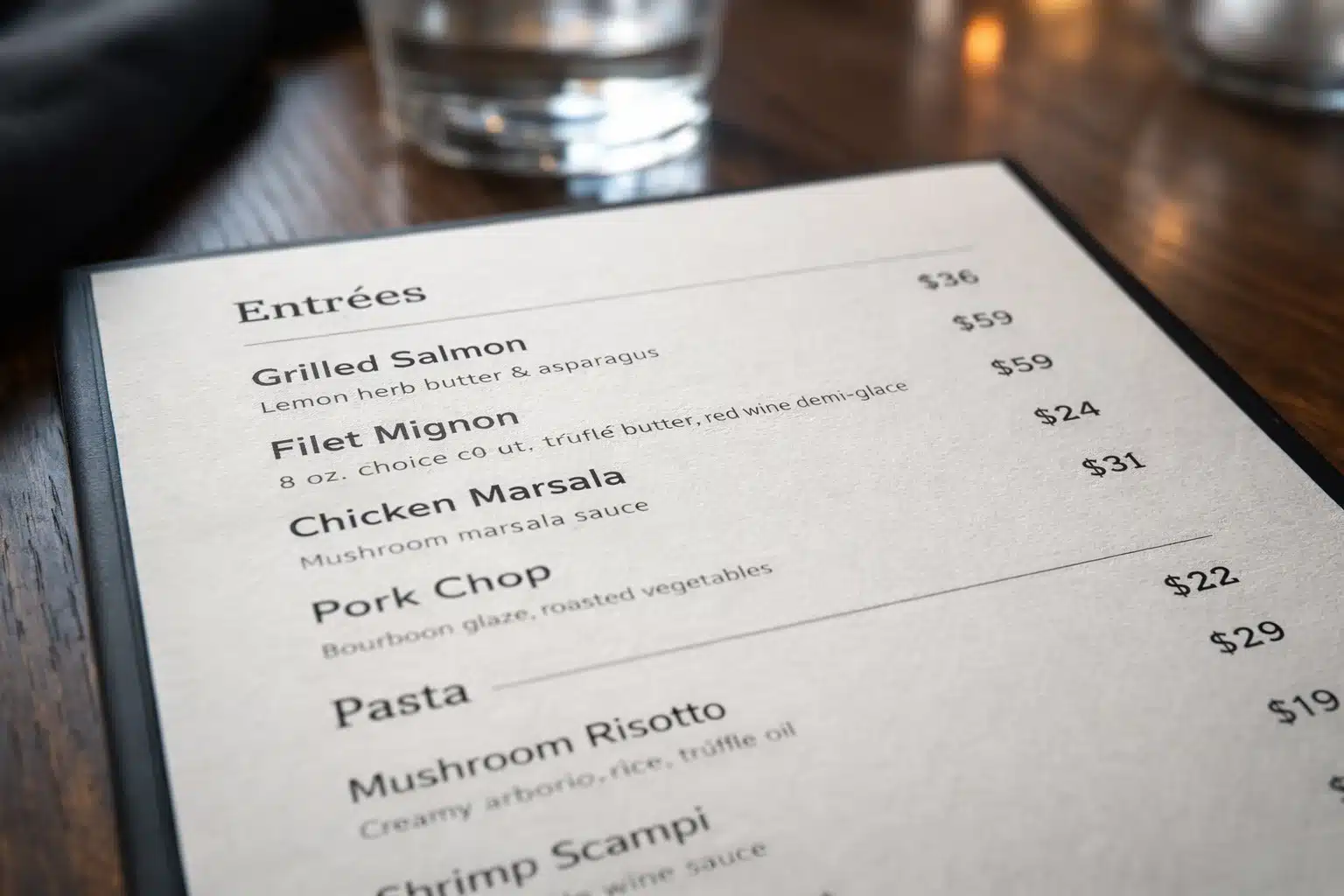
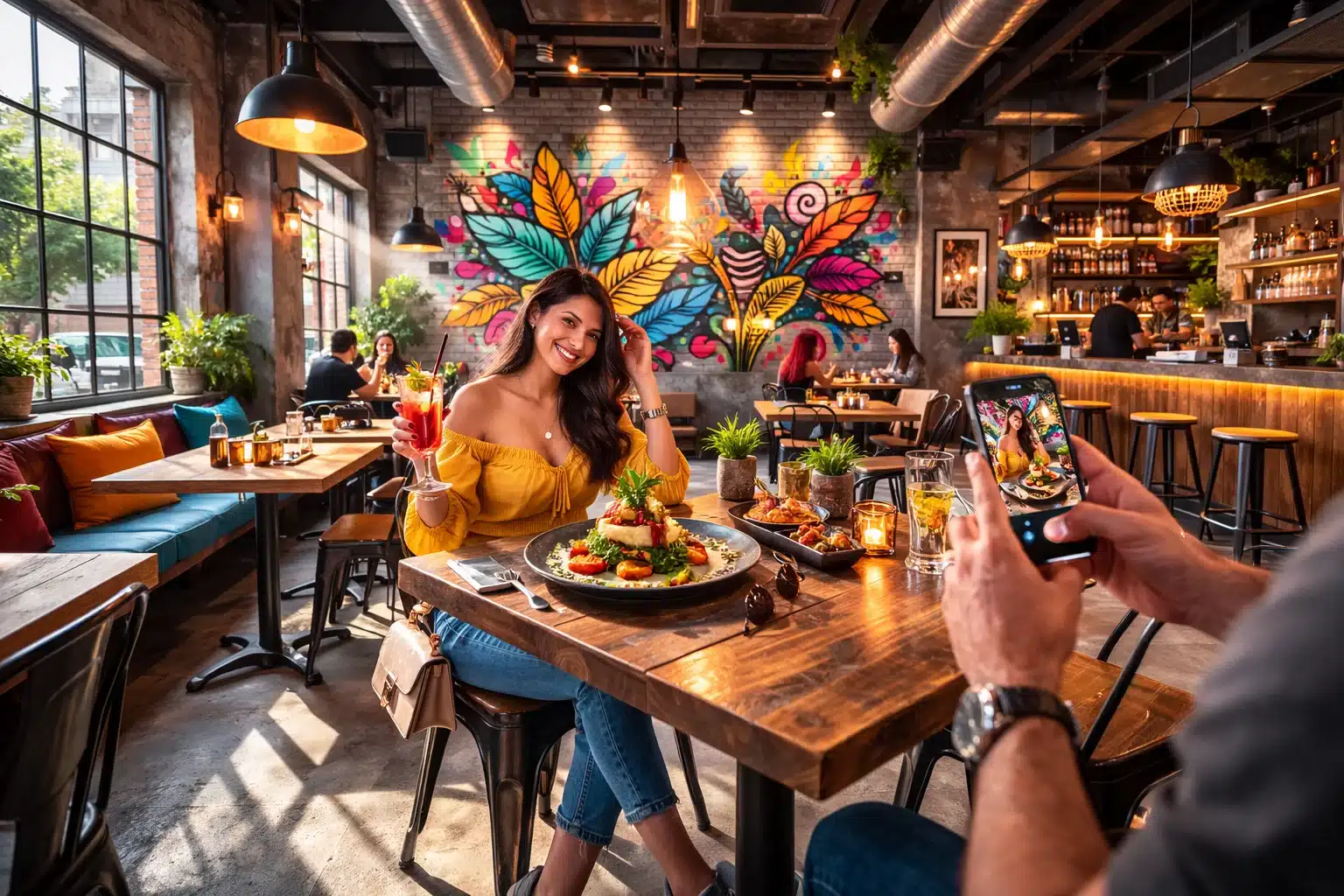
Choosing the perfect specialty dish selection can transform an ordinary dining experience into a memorable culinary adventure. In modern restaurants, specialty dishes are not just menu items—they represent culinary identity, creativity, and storytelling. From signature creations perfected over years to limited-time seasonal offerings inspired by fresh ingredients, specialty dishes offer diners a chance to experience cuisine at its most expressive and refined.
Today’s diners increasingly seek more than convenience or familiarity when dining out. According to industry research from the National Restaurant Association, nearly 70% of customers say they are more likely to visit restaurants that offer unique or chef-inspired menu items. Specialty dish selections meet this demand by delivering curated culinary experiences that combine innovation, premium ingredients, and artistic presentation.
Understanding how specialty dishes are designed, selected, and presented also helps diners appreciate the deeper thought behind restaurant menus. Chefs carefully balance flavor profiles, ingredient sourcing, presentation, and cultural influences to create memorable dishes that stand out from everyday offerings.
This article explores the art and strategy behind specialty dish selection. From signature dishes and chef’s specials to seasonal menus and artisan creations, we will examine how restaurants craft standout culinary experiences and how diners can better understand and appreciate them.
Table of Contents
- Understanding Specialty Dish Selection
- Exploring Signature Dishes and Chef’s Specials
- Seasonal Offerings and Curated Menus
- Unique Flavors and Artisan Creations
- Optimizing Specialty Dish Selection in Restaurants
- About Biyo POS
- FAQ
Understanding Specialty Dish Selection
Specialty dish selection goes far beyond simply choosing items from a menu. In most restaurants, specialty dishes represent the most distinctive culinary offerings—those that showcase a chef’s creativity, technique, and philosophy. These dishes are designed to stand apart from everyday menu staples and provide guests with memorable dining experiences.
In many establishments, specialty dishes are the result of extensive experimentation and refinement. Chefs often spend months perfecting recipes, adjusting seasoning levels, cooking methods, and presentation styles before introducing a dish as a featured item. This deliberate process ensures that the final dish delivers both flavor complexity and visual appeal.
Restaurants also use specialty dish selections to express their culinary identity. A modern fusion restaurant might highlight globally inspired plates, while a traditional establishment may emphasize regional classics prepared with authentic techniques. By curating these dishes carefully, restaurants differentiate themselves in competitive dining markets.
The importance of specialty offerings continues to grow as diners seek novelty and authenticity. Market research shows that restaurants with rotating specialty dishes often see increased customer engagement and repeat visits, because guests are eager to discover new creations each time they dine.
What Defines Specialty Dish Selection?
At its core, specialty dish selection refers to a carefully curated group of dishes that highlight a restaurant’s culinary strengths. These dishes often include signature recipes, chef’s specials, and seasonal creations that showcase the best ingredients and techniques available to the kitchen.
Specialty dishes typically emphasize exclusivity. They may be prepared with rare ingredients, limited seasonal produce, or unique cooking methods that elevate them beyond everyday menu items. For example, a specialty dish might feature dry-aged beef, freshly foraged mushrooms, or handmade pasta crafted in-house.
Restaurants frequently highlight these items as “featured dishes” or “chef recommendations” to guide diners toward standout options. This approach not only improves the dining experience but also allows chefs to direct attention to the dishes they are most proud of.
In addition, specialty dish selection plays a key role in restaurant branding. When guests consistently associate a restaurant with a particular standout dish, that item becomes part of the establishment’s identity and reputation.
The Role of Premium Ingredients in Specialty Dishes
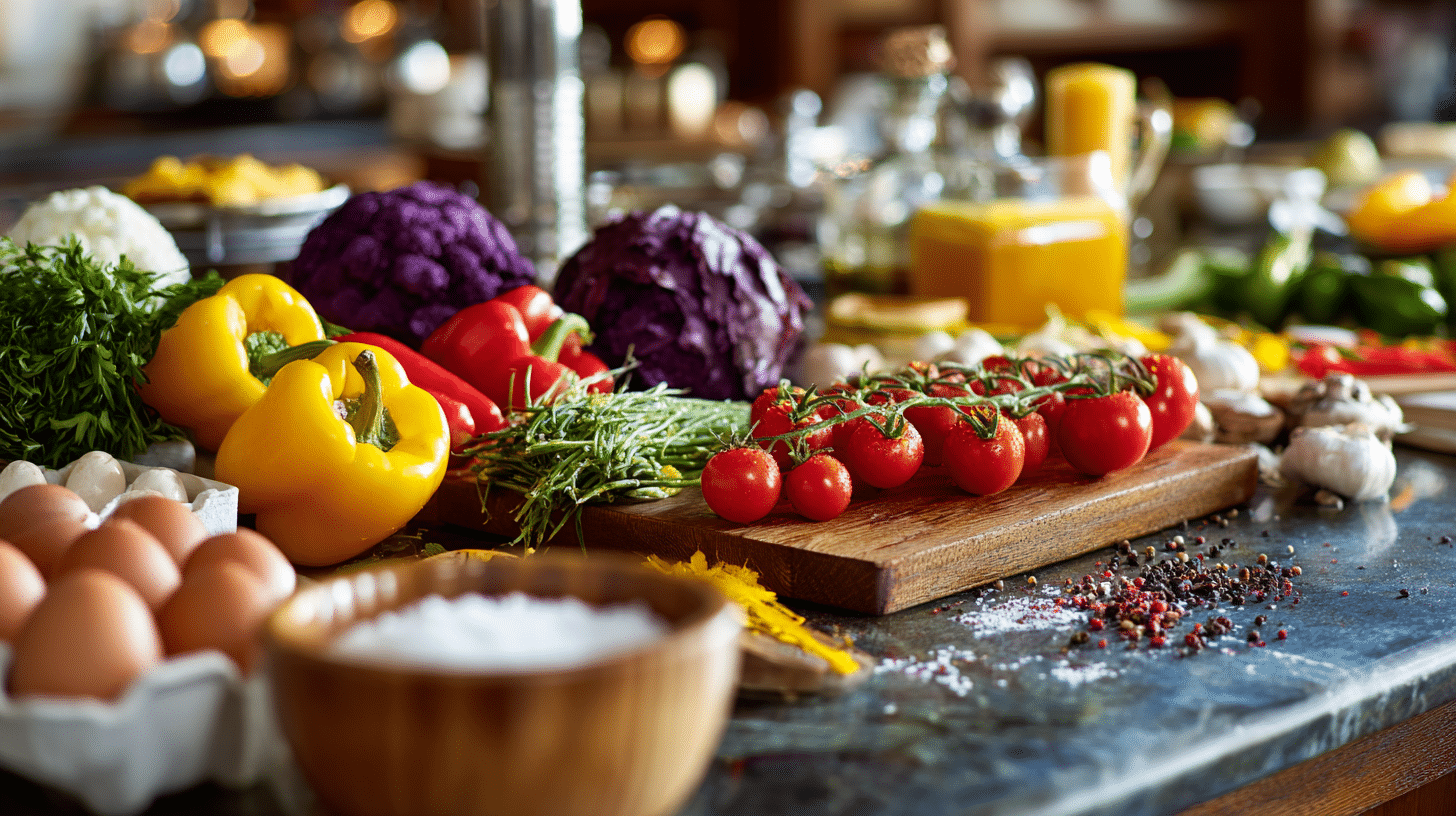
Premium ingredients are often the foundation of exceptional specialty dishes. High-quality meats, fresh seafood, seasonal vegetables, and carefully sourced spices allow chefs to create dishes with deeper and more vibrant flavors.
The use of premium ingredients has become increasingly important as diners grow more knowledgeable about food sourcing. Surveys indicate that more than 60% of restaurant customers value locally sourced or sustainably produced ingredients when selecting where to dine. Specialty dishes frequently incorporate these elements to appeal to modern dining preferences.
Seasonality also plays a major role. Ingredients harvested at their peak tend to deliver superior taste and texture compared with those that are stored or transported long distances. For example, dishes prepared with freshly harvested heirloom tomatoes during summer months can offer sweetness and acidity that off-season tomatoes rarely match.
Restaurants that prioritize premium ingredients often develop strong relationships with local farmers, fisheries, and specialty suppliers. These partnerships help ensure consistent quality and allow chefs to experiment with unique ingredients that inspire new culinary creations.
How Specialty Cuisine Enhances Dining Experiences
Specialty cuisine elevates the overall dining experience by introducing creativity, presentation, and thoughtful flavor combinations. Instead of simply satisfying hunger, specialty dishes encourage diners to engage with food in a more meaningful way.
Presentation is one element that significantly enhances specialty dishes. Skilled chefs treat plating as an art form, arranging ingredients to create visual harmony and highlight key elements of the dish. This aesthetic attention transforms meals into experiences that stimulate both taste and sight.
Another factor is the narrative behind specialty dishes. Many chefs incorporate personal inspiration, cultural heritage, or travel experiences into their creations. When diners learn the story behind a dish—whether it is a family recipe or a regional classic—they often feel a stronger connection to the meal.
Restaurants may also pair specialty dishes with complementary beverages such as wine, craft cocktails, or artisanal teas. These pairings enhance flavor interactions and provide a more complete sensory experience.
Exploring Signature Dishes and Chef’s Specials
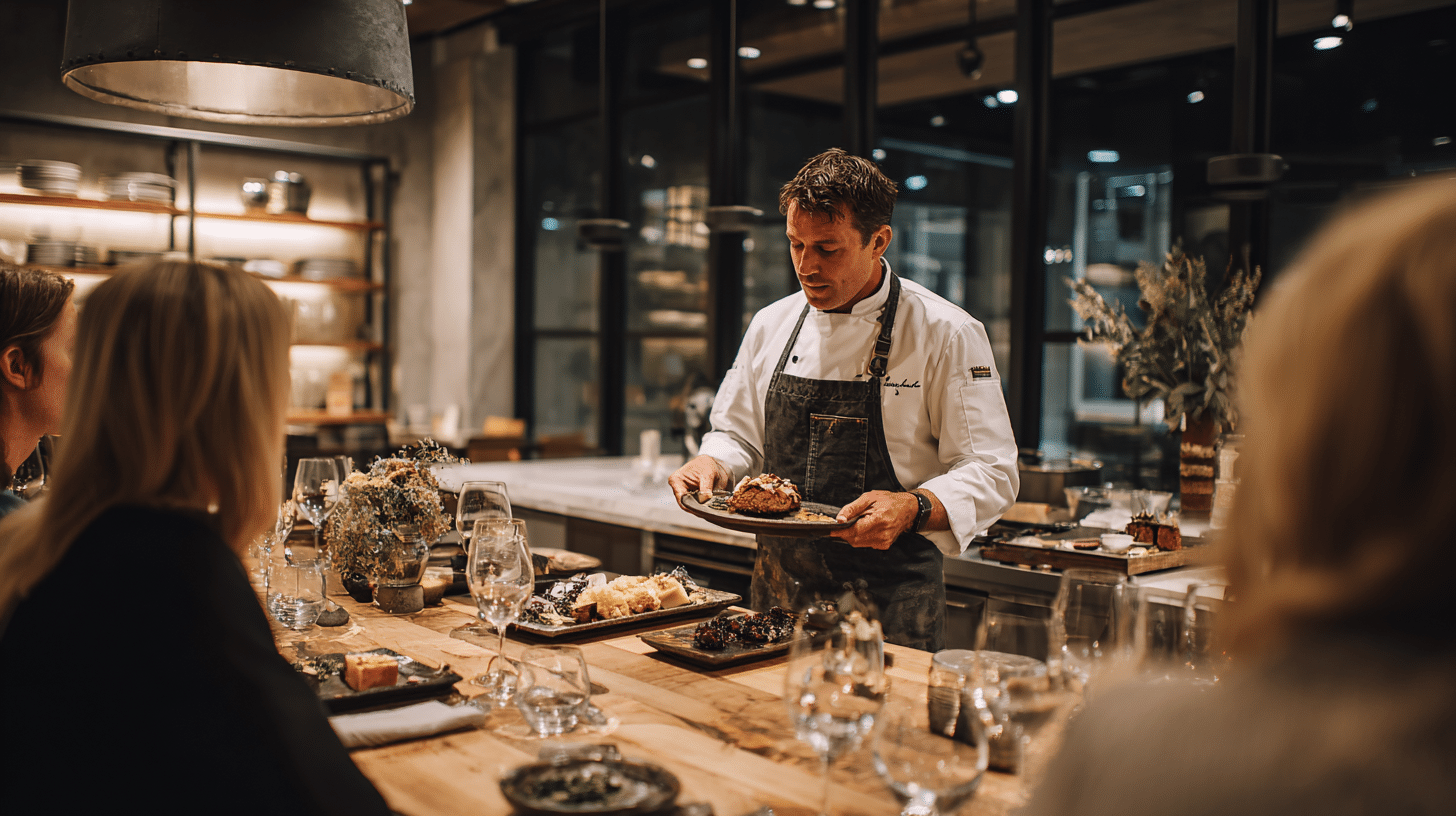
Signature dishes and chef’s specials form the backbone of specialty dish selection in many restaurants. These items represent the most distinctive creations a kitchen offers and often become the dishes customers remember long after their meal.
Signature dishes are usually permanent fixtures on the menu, developed through years of refinement. Chef’s specials, on the other hand, change frequently and allow kitchens to experiment with new ideas, ingredients, and culinary trends.
Together, these offerings help restaurants maintain both consistency and innovation. While signature dishes provide recognizable favorites that guests return for repeatedly, rotating specials keep menus exciting and encourage exploration.
For restaurant operators, maintaining a balance between these two types of dishes is essential. Too much change can confuse diners, while too little innovation may make menus feel stagnant.
The Importance of Signature Dishes
Signature dishes often become the defining feature of a restaurant. These dishes represent the chef’s expertise and frequently attract guests who specifically want to try that particular item.
Restaurants around the world have built global reputations around signature dishes. Whether it is a famous ramen bowl, a wood-fired pizza, or a perfectly cooked steak, these dishes can become culinary landmarks that draw travelers and locals alike.
Developing a signature dish requires careful attention to consistency and quality. Chefs must ensure that each preparation matches the expected flavor, texture, and presentation that diners anticipate. Even small variations can affect customer satisfaction.
Because of their importance, signature dishes often influence the overall design of a restaurant’s kitchen and supply chain. Ingredients, cooking equipment, and staff training may all revolve around ensuring the dish can be prepared perfectly every time.
Chef’s Specials: Creativity and Innovation
Chef’s specials offer chefs a creative outlet that goes beyond the standard menu. These dishes often reflect current culinary trends, seasonal ingredients, or experimental flavor combinations.
For example, a chef might introduce a special featuring locally harvested mushrooms during autumn or develop a seafood dish inspired by coastal cuisines. These dishes provide opportunities for culinary storytelling and experimentation.
Chef’s specials also allow restaurants to test potential menu additions. If a special receives enthusiastic feedback from customers, it may eventually become a permanent menu item. This feedback-driven approach helps restaurants evolve while maintaining customer satisfaction.
In addition, rotating specials can increase customer engagement. Diners often return frequently to see what new creations the chef has introduced, turning the restaurant into a destination for culinary discovery.
House Favorites and Their Role in Specialty Selection
House favorites serve as dependable staples within a specialty dish selection. While they may not be as experimental as chef’s specials, they provide familiar flavors that many guests appreciate.
These dishes often represent the comfort side of a menu. Classic roasted meats, hearty pasta dishes, or well-prepared seafood plates can appeal to a wide range of diners who prefer traditional flavors.
Maintaining these options alongside more adventurous dishes ensures that restaurants appeal to diverse customer preferences. Families, casual diners, and adventurous food enthusiasts can all find something appealing within the same menu.
Over time, house favorites may also evolve through subtle updates. Chefs may refine seasoning, introduce better ingredients, or adjust presentation while preserving the core identity of the dish.
Seasonal Offerings and Curated Menus
Seasonal offerings are an essential component of specialty dish selection. By adapting menus to reflect seasonal ingredients and culinary trends, restaurants can deliver fresh and exciting dining experiences throughout the year.
Seasonality allows chefs to work with ingredients at their peak quality. Fresh vegetables, fruits, herbs, and seafood often exhibit richer flavors when harvested during their natural growing seasons.
Curated menus built around seasonal ingredients also provide opportunities for culinary storytelling. A summer menu might emphasize light seafood dishes and vibrant salads, while winter menus may focus on hearty braises and warming spices.
These seasonal transitions help restaurants maintain dynamic menus while showcasing the best ingredients available at any given time.
Benefits of Seasonal Produce in Specialty Dishes
Seasonal produce enhances specialty dishes by delivering superior flavor, texture, and nutritional value. Ingredients harvested at peak ripeness contain higher levels of natural sugars and aromatic compounds, resulting in more vibrant dishes.
In addition to improving taste, seasonal sourcing can also reduce food costs. Locally abundant ingredients are often more affordable and accessible, allowing restaurants to maintain high quality while controlling expenses.
Seasonal menus also appeal to diners who value sustainability. Using locally grown produce reduces transportation emissions and supports regional agriculture, making specialty dishes more environmentally responsible.
Many chefs draw inspiration directly from farmers’ markets and seasonal harvest calendars. These sources introduce them to new ingredients and encourage creative menu development throughout the year.
Designing Curated Menus for a Cohesive Experience
Curated menus guide diners through thoughtfully arranged courses that complement one another. Rather than presenting unrelated dishes, curated menus focus on balance and progression.
A well-designed tasting menu might begin with light appetizers, transition to richer main courses, and conclude with delicate desserts. Each dish builds upon the previous one, creating a harmonious culinary journey.
Texture, acidity, sweetness, and richness are all carefully considered when designing these menus. Chefs aim to prevent flavor fatigue by alternating between contrasting elements.
Curated menus are particularly popular in fine dining environments where guests expect immersive experiences rather than simple meals. These menus often showcase the full range of a chef’s skills and creativity.
Limited-Time Dishes: Creating Excitement and Urgency
Limited-time dishes generate excitement by introducing elements of exclusivity and urgency. Because these dishes are available only for short periods, diners are encouraged to visit sooner rather than later.
Restaurants frequently introduce special dishes during holidays, festivals, or seasonal celebrations. These offerings can become anticipated annual traditions that customers eagerly await.
Limited-time dishes also allow chefs to experiment without long-term commitment. If a concept proves successful, it may eventually transition into a regular menu item.
From a marketing perspective, limited-time dishes create opportunities for social media promotion and word-of-mouth marketing, helping restaurants attract new customers.
Unique Flavors and Artisan Creations
Unique flavors and artisan techniques are what truly elevate specialty dish selections. These elements distinguish exceptional restaurants from ordinary dining establishments.
Artisan cooking emphasizes craftsmanship, skill, and attention to detail. Handmade pasta, slow-cured meats, fermented sauces, and freshly baked bread are all examples of techniques that require time and expertise.
Distinctive flavor combinations also play a major role. Chefs often blend global influences with local ingredients to create dishes that feel both familiar and innovative.
This combination of craftsmanship and creativity transforms dining into an exploration of flavor, culture, and technique.
Distinctive Flavors: Balancing Tradition and Innovation
Distinctive flavors often emerge when chefs combine traditional recipes with modern techniques. A classic dish might be reimagined with contemporary plating or unexpected ingredient pairings.
For instance, a traditional French dish such as coq au vin might incorporate locally sourced mushrooms or modern cooking methods like sous-vide preparation.
Balancing innovation with tradition is essential. While creativity attracts adventurous diners, maintaining recognizable flavor profiles ensures the dish remains approachable.
Successful specialty dishes often strike this balance by respecting culinary heritage while introducing subtle modern twists.
Artisan Creations: Craftsmanship on the Plate
Artisan creations highlight the craftsmanship behind exceptional cuisine. Techniques such as hand-rolling pasta, curing meats, fermenting sauces, and baking bread from scratch require dedication and precision.
These techniques often produce superior flavor and texture compared with mass-produced alternatives. For diners, artisan dishes feel more authentic and carefully prepared.
Restaurants that emphasize craftsmanship frequently develop loyal followings. Guests recognize the additional effort involved and appreciate the quality that results from these methods.
In many cases, artisan dishes also preserve culinary traditions passed down through generations of chefs and cooks.
Food Pairing: Enhancing the Specialty Dish Experience
Food pairing enhances specialty dishes by creating harmonious combinations of flavors and textures. Pairing wine, cocktails, or non-alcoholic beverages with specific dishes can elevate the overall dining experience.
For example, acidic wines complement fatty dishes by balancing richness, while sweet beverages can soften the heat of spicy foods. These interactions enhance the perception of both food and drink.
Professional sommeliers and chefs often collaborate to develop pairings that highlight the unique qualities of each dish. This collaboration results in curated dining experiences that feel cohesive and thoughtfully designed.
For diners, exploring these pairings can introduce new flavors and deepen appreciation for culinary craftsmanship.
Optimizing Specialty Dish Selection in Restaurants
For restaurant owners, optimizing specialty dish selection requires strategic planning and operational efficiency. Successful menus balance creativity with profitability, ensuring that specialty dishes attract customers while maintaining manageable food costs.
Menu engineering plays a crucial role in this process. By analyzing sales data and ingredient costs, restaurants can identify which dishes generate the highest profits and which require adjustments.
Technology has also become an essential tool for modern restaurants. Digital ordering systems, inventory management platforms, and analytics tools provide insights that help restaurants refine their menus and respond to customer preferences.
These technologies allow restaurants to maintain high-quality specialty dishes while operating efficiently.
Menu Planning with Specialty Dishes in Mind
Effective menu planning ensures that specialty dishes align with both culinary vision and business goals. Chefs must balance innovation with practicality, considering ingredient availability, preparation time, and kitchen capacity.
Menus that feature too many complex dishes can overwhelm kitchen staff and slow service. On the other hand, menus that lack variety may fail to capture diners’ interest.
By carefully selecting a mix of signature dishes, seasonal offerings, and house favorites, restaurants can create menus that remain exciting while maintaining operational efficiency.
Regular menu evaluations also help identify opportunities for improvement and innovation.
Inventory Management for Premium Ingredients
Inventory management becomes particularly important when specialty dishes rely on premium ingredients. High-quality seafood, specialty meats, and imported spices often come with higher costs and shorter shelf lives.
Restaurants must monitor ingredient usage closely to avoid spoilage and waste. Accurate forecasting ensures that kitchens have the ingredients they need without overstocking expensive items.
Modern POS systems can track ingredient consumption in real time and generate alerts when supplies run low. This functionality helps restaurants maintain consistent quality while controlling expenses.
Effective inventory management also supports sustainability by reducing food waste.
Leveraging Technology to Enhance Specialty Dish Selection
Technology now plays a critical role in shaping restaurant menus. Digital POS systems allow restaurants to track sales performance, analyze customer preferences, and optimize menu design.
By reviewing data on which dishes sell most frequently, restaurant owners can identify successful specialties and refine underperforming items.
Digital menus also make it easier to promote chef’s specials and seasonal offerings. Highlighting these dishes on ordering platforms increases visibility and encourages guests to try new menu items.
Furthermore, integrating customer feedback through POS systems allows restaurants to adapt their specialty dish selections based on real guest experiences.
About Biyo POS
Restaurants that want to efficiently manage specialty dish selections benefit from modern operational tools. Platforms like Biyo POS help restaurant operators understand which specialty dishes are performing best while streamlining menu management and kitchen workflows.
With features such as real-time inventory tracking, customizable digital menus, and detailed sales analytics, Biyo POS enables restaurants to manage premium ingredients, highlight chef’s specials, and monitor customer preferences more effectively.
Restaurant teams can also use the platform to quickly adjust menus, introduce seasonal dishes, and analyze sales trends to determine which specialty offerings resonate most with diners. Businesses looking to implement smarter restaurant technology can explore the platform and begin optimizing operations by creating an account through Biyo’s restaurant platform.
FAQ
What is a specialty dish selection?
A specialty dish selection refers to a curated group of standout menu items that highlight a restaurant’s culinary expertise. These dishes often include signature creations, chef’s specials, seasonal offerings, and artisan preparations that distinguish the restaurant from competitors. Specialty dishes are typically prepared using premium ingredients and unique techniques that deliver memorable dining experiences.
How do seasonal offerings influence specialty dishes?
Seasonal offerings allow chefs to design dishes around ingredients that are at their peak freshness and flavor. Using seasonal produce improves taste, reduces sourcing costs, and supports sustainable agriculture. Seasonal menus also keep restaurants dynamic, encouraging customers to revisit frequently to explore new dishes.
Why are chef’s specials important?
Chef’s specials provide an outlet for creativity and innovation within a restaurant kitchen. They allow chefs to experiment with new ingredients, techniques, and global culinary influences without permanently changing the menu. Successful chef’s specials can eventually evolve into signature dishes if they receive strong customer feedback.
How can technology help manage specialty dish selection?
Technology such as restaurant POS systems helps track dish performance, manage inventory, and analyze customer preferences. By reviewing sales data, restaurant owners can determine which specialty dishes are most popular and make informed decisions about menu updates, pricing, and ingredient sourcing.
What role do food pairings play in specialty dish selection?
Food pairings enhance specialty dishes by balancing and amplifying flavors. Pairing wines, cocktails, or other beverages with specific dishes can highlight complementary taste profiles. These pairings add another dimension to the dining experience and help guests appreciate the complexity of the cuisine.
How often should restaurants update specialty dishes?
Many restaurants refresh specialty dishes seasonally or introduce new chef’s specials weekly or monthly. Updating dishes regularly keeps menus exciting, reflects seasonal ingredient availability, and encourages repeat visits from customers interested in trying new culinary creations.
Are specialty dishes always expensive?
While specialty dishes often use premium ingredients and advanced techniques, they are not always the most expensive items on the menu. Some specialty dishes focus on creativity and flavor combinations rather than luxury ingredients. Restaurants may offer specialty options across multiple price points to appeal to different types of diners.