Running a successful restaurant often starts with the menu. A static menu provides clarity for diners, stability for chefs, and a solid foundation for profitable operations. Because the list of dishes remains constant, the static menu lets a restaurant refine every recipe, streamline service, and control costs. In the pages below you will discover what a static menu is, why many operators rely on it, and how to design, price, and promote one that delights guests again and again.
Table of Contents
- Defining the Static Menu Concept
- Operational Benefits of a Static Menu
- Designing an Appealing Static Menu
- Pricing Strategies for a Static Menu
- Keeping a Static Menu Fresh and Exciting
- Integrating a Static Menu with Modern POS Systems
- FAQ
Defining the Static Menu Concept
Before diving into tactics, it helps to clarify the idea. At its core, a static menu offers a fixed food list that changes rarely, if ever. That approach stands in contrast to rotating or seasonal menus that evolve month by month. Because a static menu remains stable, it becomes a familiar reference point for repeat customers and a reliable map for new guests.
Understanding Fixed Menus
Every static menu begins with the concept of the fixed menu, also known as a set menu or prix fixe. In this format, guests choose from predefined dishes or limited options at a set price. For instance, a bistro may offer a three-course dinner featuring soup, steak frites, and crème brûlée. Diners know exactly what to expect, and the kitchen can prep ingredients in advance.
Because the choices never shift, cooks perfect timing and technique. They plate the same entrées nightly, which results in consistent quality. Meanwhile, managers can forecast food costs with precision. As a result, a static menu often boosts profitability.
In many eateries, the fixed menu coexists with an à la carte list. The dual structure satisfies patrons who want flexibility while still highlighting the signature set of dishes. Therefore, a static menu can be both a selling point and an operational anchor.
The term “non-interactive menu” sometimes appears in hospitality textbooks. It describes the same idea: guests read, select, and order without customizing every element. Next, let’s compare a static menu to a seasonal one.
Static Menu vs Seasonal Menu
A seasonal card celebrates produce at its peak, yet it demands constant redesign. In contrast, a static menu stays put for months or even years. Because of that stability, printing costs drop, staff knowledge rises, and brand identity solidifies. For example, a classic diner might showcase the same pancakes and club sandwich since 1950.
However, critics argue the approach can feel dated. Guests sometimes crave novelty, so operators add a chef’s choice board or weekend special. Meanwhile, they retain the core static menu so loyal fans always find their favorites.
When deciding between these strategies, consider concept, audience, and supply chain. If your restaurant relies on imports or exotic items, a seasonal format might be safer. Yet if you run a burger joint or quick-service chain, a static menu keeps execution tight and margins healthy.
Customer Perception of a Static Menu
Diners value reliability. For many, walking into a favorite café and opening a familiar static menu feels like greeting an old friend. They order their usual dish without hesitation, which speeds up turnover and raises table satisfaction.
Nevertheless, some patrons equate innovation with excitement. To satisfy both groups, savvy operators frame a static menu as the “classic lineup” while sprinkling rotating desserts or cocktail flights as limited options. Consequently, guests enjoy variety without operational chaos.
Surveys show clear communication matters. When a restaurant explains why its static menu focuses on excellence over variety, diners appreciate the honesty. In turn, they become brand ambassadors who praise the food quality online, improving search visibility for your restaurant.
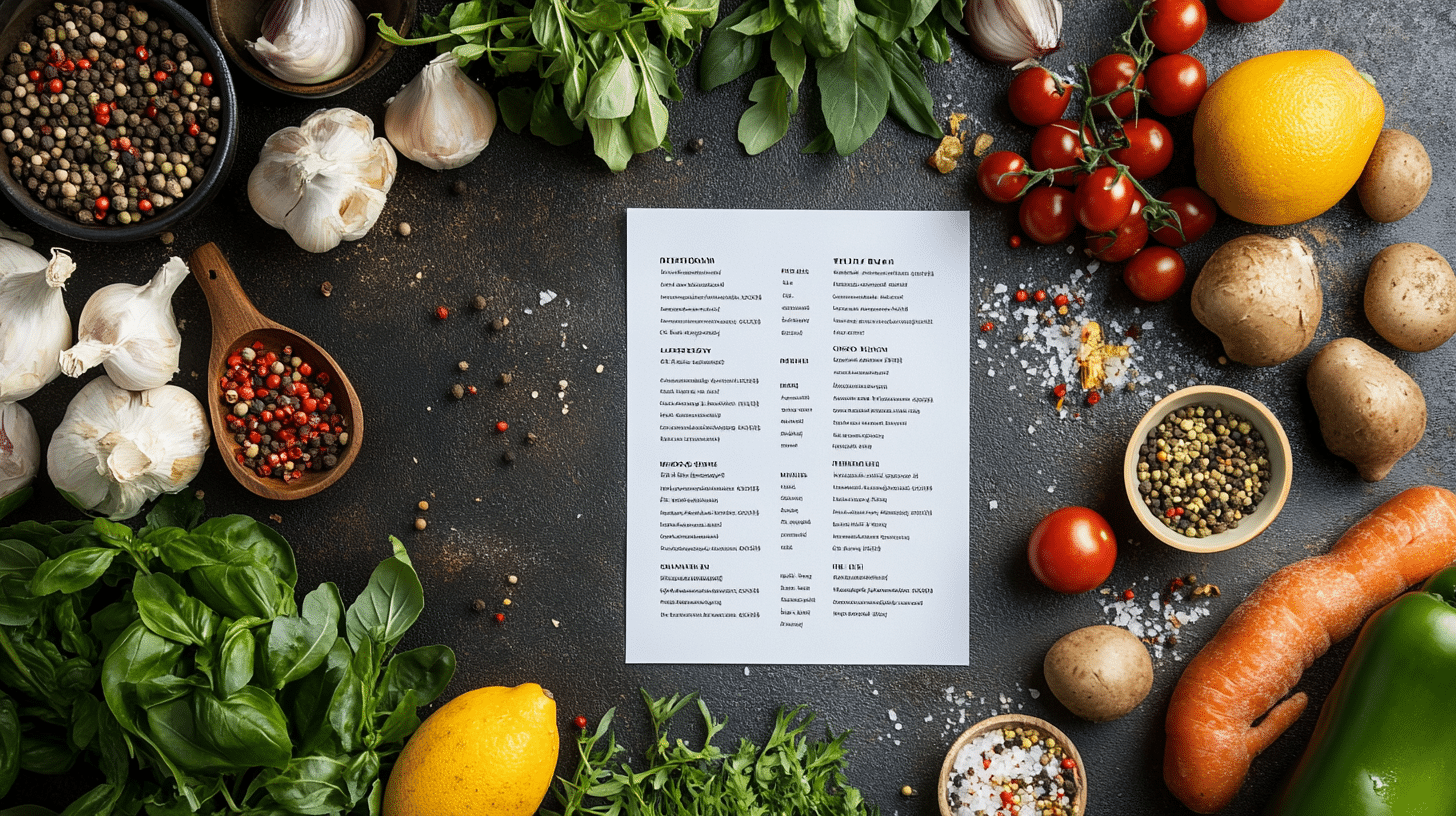
Operational Benefits of a Static Menu
A static menu streamlines every step, from buying produce to training staff. Because the same dishes return day after day, systems run smoothly and waste drops dramatically.
Streamlined Kitchen Operations
Chefs thrive on repetition. When the lineup never shifts, muscle memory kicks in, and execution becomes second nature. For that reason, a static menu often leads to faster ticket times and consistent plating.
Prep lists shorten as well. Cooks dice identical vegetables each morning and batch sauces in predictable amounts. Consequently, labor hours fall, and quality rises because no one rushes through unfamiliar tasks.
Imagine a pizzeria with ten signature pies on a static menu. Because dough, sauce, and toppings never fluctuate, line cooks work almost rhythmically, reducing errors and keeping guests happy.
Predictable Inventory Management
Forecasting becomes easy when you know exactly how many salmon fillets or burger buns sell each week. Therefore, a static menu lowers the chance of spoilage. Managers place precise orders and negotiate stronger supplier contracts because purchase quantities stay consistent.
In addition, a fixed food list simplifies storage. Ingredients occupy the same shelf spots, and staff spot shortages instantly. That pattern cuts theft and misplacement while supporting positive cash flow.
Because costs stay in line, owners can invest savings in marketing or décor upgrades. As a result, the guest experience improves without compromising profitability.
Consistent Staff Training
Servers who memorize a static menu speak with confidence. They up-sell extras, explain allergens, and recommend wine pairings without pausing. Guests respond to that assurance, leaving higher tips and better reviews.
Training time shortens as well. New hires study one booklet instead of monthly updates, so they reach full productivity quicker. Meanwhile, managers spend less time rewriting manuals and more time coaching hospitality skills.
Because turnover plagues the industry, any method that slashes onboarding costs is welcome. A static menu delivers that advantage in spades.
Designing an Appealing Static Menu
Visual appeal influences ordering decisions. A well-crafted static menu guides eyes toward profitable items while conveying brand personality. The design stage blends psychology, layout, and storytelling.
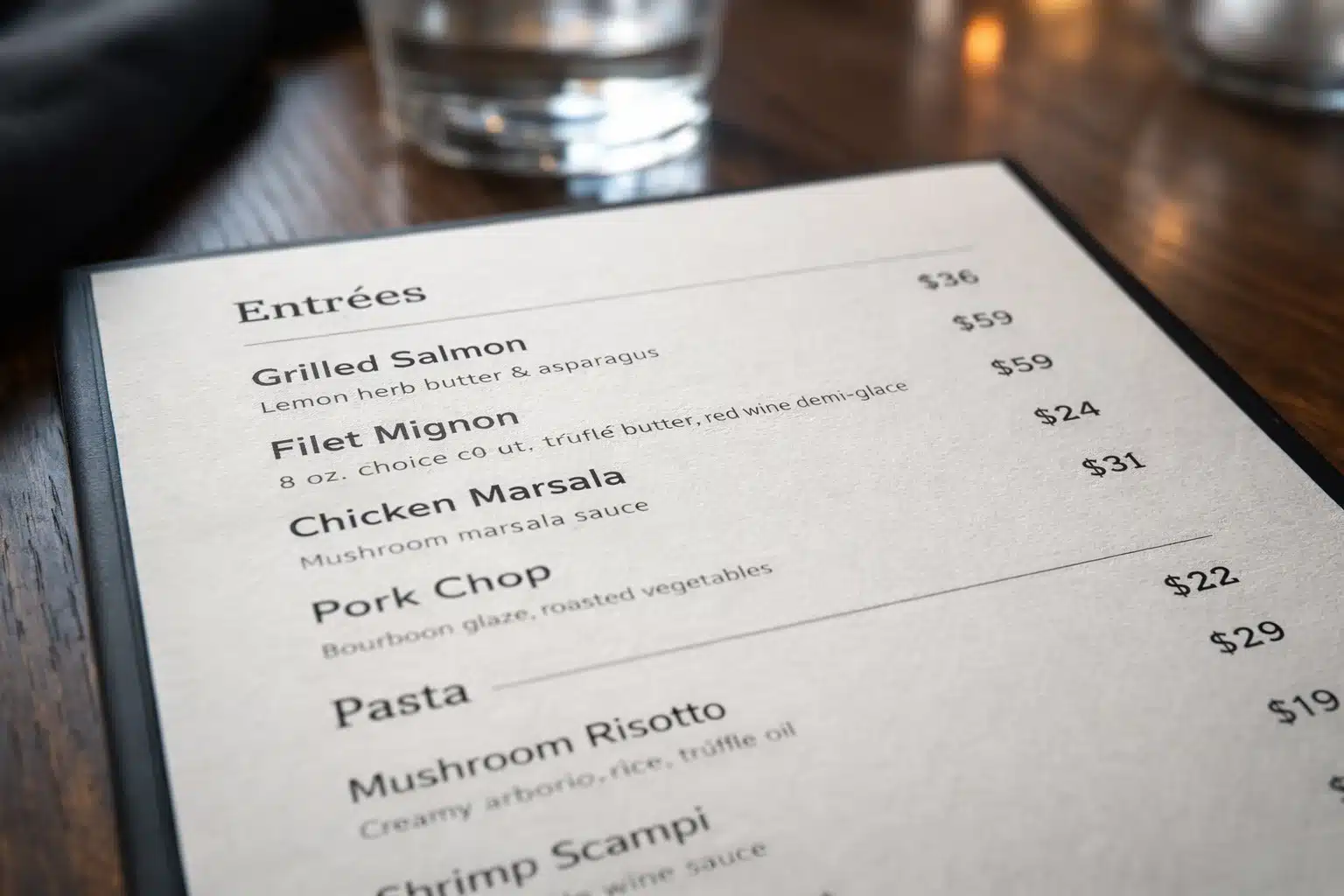
Menu Layout and Typography
Guests scan in predictable patterns: first center, then top right, then top left. For that reason, place high-margin dishes in those “sweet spots.” Every static menu should use readable fonts, ample white space, and clear category headings like “Specialty Dishes” or “Combo Meals.”
Keep descriptions short yet vivid. For instance, “char-grilled rib-eye with roasted garlic butter” paints a picture that sparks appetite. Because the lineup will not rotate frequently, invest extra care in wording that stands the test of time.
Some operators add icons—spicy pepper, gluten-free badge, or chef’s hat—to speed decision-making. As a result, guests feel informed and valued.
Highlighting Chef’s Choice and Specials
Even with a static menu, you can showcase excitement. Use a shaded box or a thin border to call out the chef’s choice plate. That spotlight nudges diners toward high-profit entrées and reinforces the brand story.
Meanwhile, clarify any prix fixe or meal deal under the heading “Set Menu.” Explain the fixed courses and price in one concise sentence. Because clarity breeds trust, guests order without hesitation.
Seasonal notes still fit. For instance, write “tomato basil soup—ripe summer tomatoes” during warm months. The text remains, yet the ingredient shout-out taps into freshness psychology.
Using Visual Cues for Meal Selection
A single tasteful photo can raise sales of a signature burger by double digits. Therefore, consider one hero image on the cover or next to the “Chef’s Signature.” Avoid clutter; a static menu should remain clean and easy to scan.
Graphic lines or subtle shading separate menu categories. Because the list stays unchanged, small stylistic touches go a long way in keeping the layout timeless. For instance, coastal blue highlights suit a seafood house and strengthen brand recall.
Some venues add QR codes that link to allergy charts or video tours of the kitchen. That bridge between print and digital elevates the overall dining experience.
Pricing Strategies for a Static Menu
Correct pricing turns a tasty dish into a profitable one. Since a static menu rarely shifts, getting numbers right upfront protects margins long term.
Cost-Plus Pricing for Static Menu Items
Start by tallying food cost, plate cost, and target profit. For example, if shrimp costs $3, sides cost $1, and you need 30% food cost, price the entrée at $13.33. Because the static menu is permanent, revisit costs quarterly to guard against inflation.
Next, test psychological thresholds. Guests react better to $12.95 than $13 even though the difference is slight. Various studies confirm charm pricing lifts conversion without harming perceived quality.
Remember to factor overhead—rent, utilities, labor—into overall menu contribution margin. Doing so ensures each sale covers more than ingredients alone.
Bundling Combo Meals
Combo meals suit a static menu perfectly. By pairing a burger, fries, and drink at a set price, you drive incremental beverage sales. In quick-service contexts, combos speed ordering because guests pick option “#1” instead of separate items.
Meanwhile, families with kids value simplicity. A set meal promises no surprises in price. As a result, parents relax, and staff ring up higher totals.
Track the attach rate of each bundle. If one combo lags, adjust side options or rename it for fresh appeal.
Leveraging Seasonal Ingredients in a Static Menu
Even a supposedly unchanging card can adapt to ingredient costs. Swap asparagus for broccoli when spring ends, yet keep the dish name identical. Because the static menu text does not list every garnish, subtle tweaks stay invisible to diners.
Chefs might also freeze or preserve produce at peak price advantage. Later, they serve that pesto or jam throughout the year, shielding margins from volatile markets.
Such moves let operators advertise “seasonal freshness” while maintaining the beloved classic lineup.
Keeping a Static Menu Fresh and Exciting
Critics sometimes call a static menu boring. With smart tactics, you can banish that stereotype and spark continuous buzz.
Rotating Limited-Time Offers
Introduce a monthly dessert or a chef’s tasting board as an overlay. Because the backbone static menu covers core operations, small specials pose minimal disruption. For example, offer pumpkin cheesecake in October, matcha tiramisu in March.
Use table tents or chalkboards to promote these extras. The lower print cost lets you experiment without locking into permanent design changes.
By announcing rotation schedules on social media, you create anticipation and repeat visits.
Pairing Drinks with a Static Menu
A curated wine list or local craft beer flight elevates familiar entrées. Servers suggest, “Our malbec pairs nicely with the rib-eye on our static menu.” Guests feel guided and spend a bit more.
Bartenders can also craft seasonal mocktails that use inexpensive syrups or herbs. In turn, beverage margins rise, and diners perceive constant evolution.
Because drinks require less prep than entrées, they offer a low-risk way to inject freshness into the dining experience.
Marketing a Static Menu on Social Media
Post behind-the-scenes stories about perfecting a single dish. For example, chef’s tenth attempt to nail the caramel on the flan. Audiences love mastery, and a static menu provides endless refinement stories.
Meanwhile, run polls: “Which classic should return as a limited deal—carbonara or lasagna?” Engaging followers drives algorithm reach and positions your restaurant as customer-centric.
Tag local influencers with sample plates to broaden exposure. Because the menu will not shift, user-generated photos remain accurate for months, helping search engines rank your stable offerings.
Integrating a Static Menu with Modern POS Systems
Technology unlocks fresh advantages for any static menu. Point-of-sale tools capture data, speed service, and personalize marketing automatically.
Digital Menu Display with Biyo POS
Biyo POS allows restaurants to convert their static menu into a digital display that updates in real time. If you run out of salmon, you tap “86” and the screen grays out the dish instantly. For guests, that transparency builds trust.
The same system supports self-ordering kiosks. Because choices stay constant, interface design remains intuitive, and customers complete transactions faster. Consequently, lines shrink during peak hours.
Managers can also push combo deals or chef’s choice prompts directly on the display, driving upsells without extra labor.
Data-Driven Menu Planning
Biyo POS tracks every static menu item’s sales velocity. Over time, you learn that the spinach feta omelet spikes on Sundays but dips on Tuesdays. With that knowledge, you schedule prep staff and purchase eggs accordingly.
Because information flows automatically, operators avoid manual spreadsheets. Instead, they drill into dashboards that reveal profit by dish, by daypart, or by server.
Armed with data, you refine pricing, portion size, or plating so each dish earns its keep.
Enhancing Customer Experience
Many diners appreciate contactless payments. Biyo POS stores card tokens, so repeat patrons settle the bill with one tap. That convenience pairs well with a familiar static menu, creating a seamless journey from order to exit.
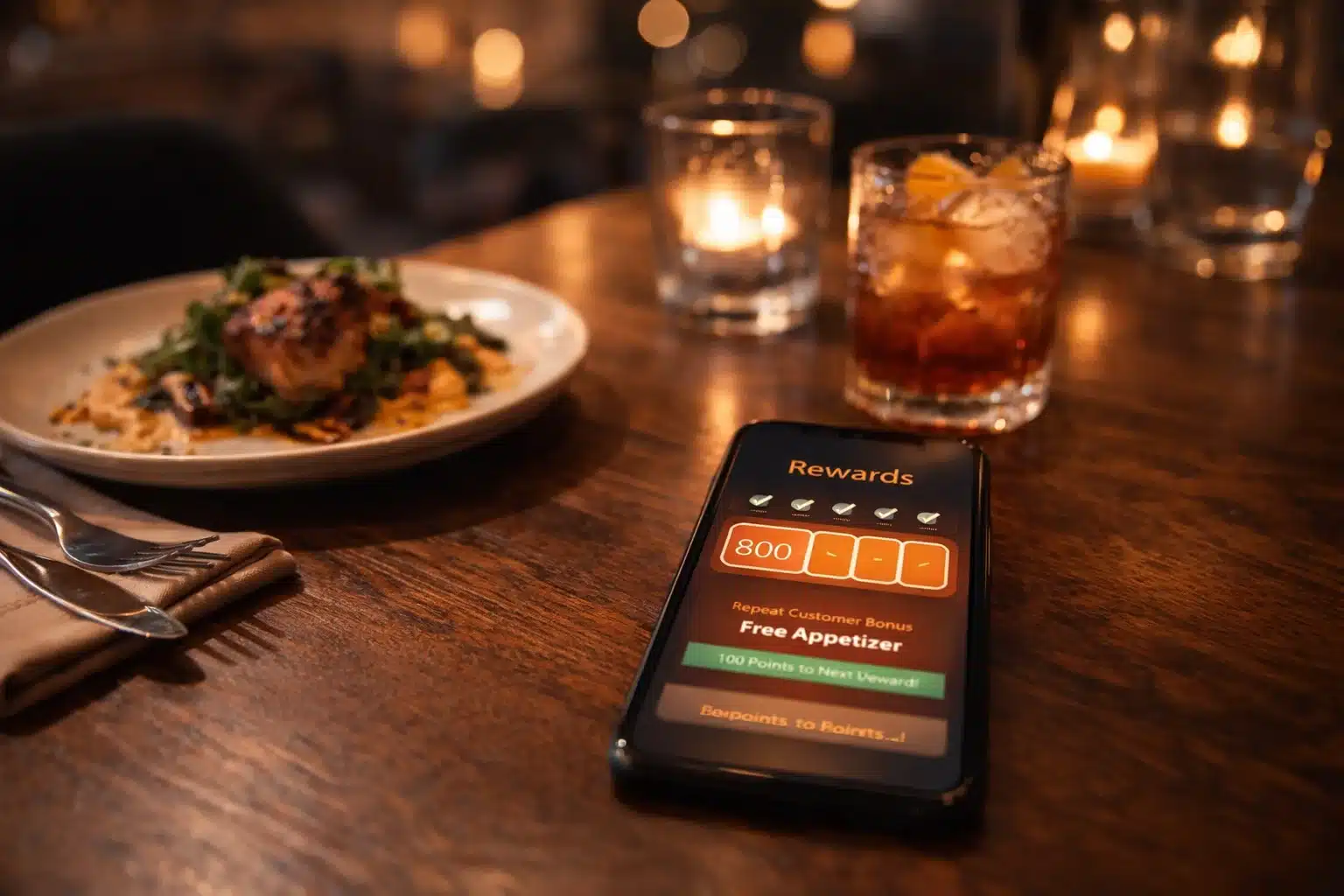
Loyalty modules reward guests automatically. For example, after ten purchases of the turkey club, a coupon for free fries appears in the app. Simple rewards turn repeat behavior into habit.
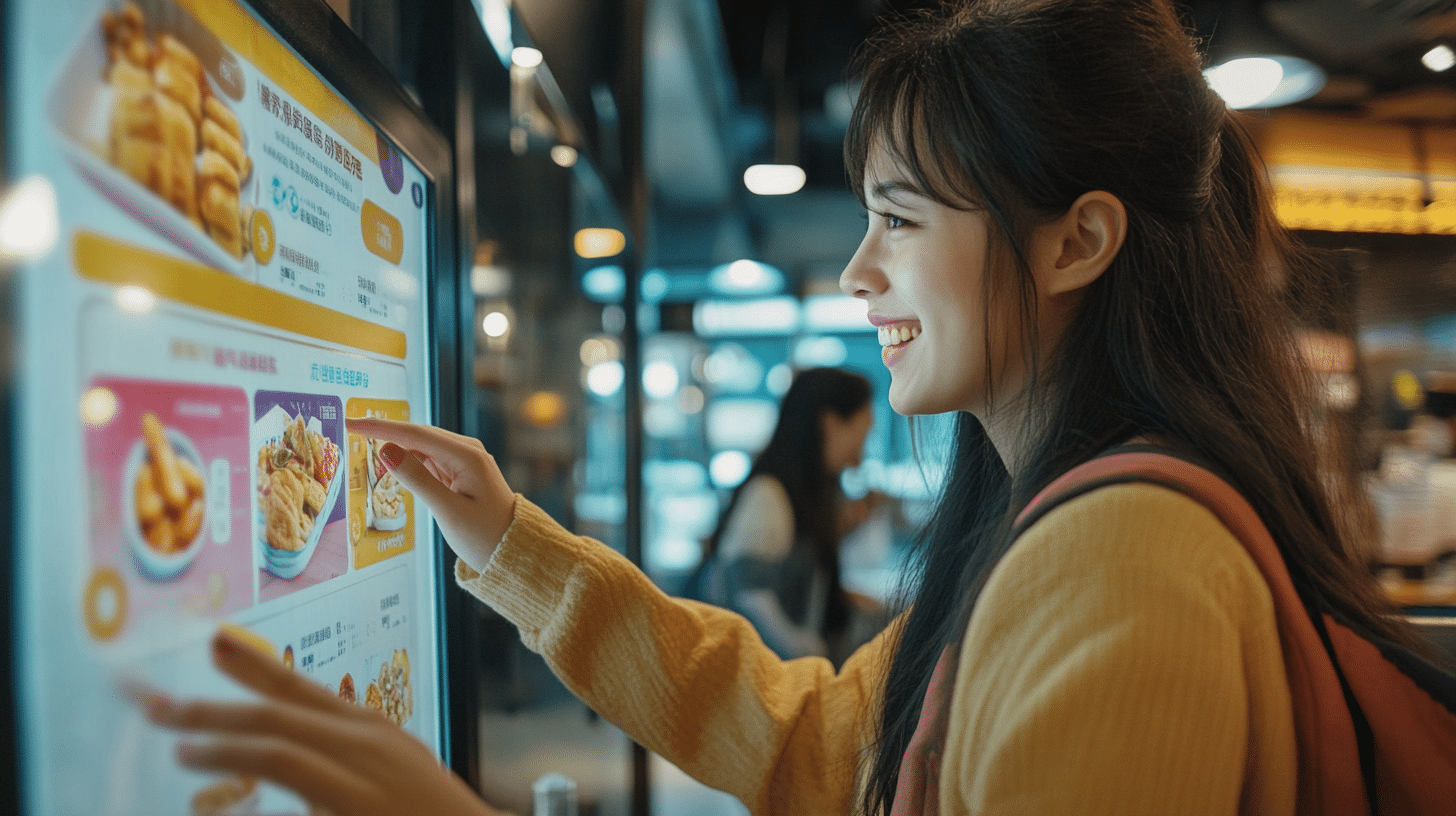
Biyo POS combines intuitive hardware with cloud-based analytics, making it ideal for restaurants that rely on a static menu model. With rapid training, real-time menu controls, and rich reporting, the platform frees your team to focus on food and hospitality.
FAQ
What is a static menu?
A static menu is a restaurant menu that lists the same dishes every day. Items may change rarely, but guests usually encounter the same choices each visit.
Does a static menu save money?
Yes. Because purchasing and prep routines stay consistent, waste drops and labor becomes more efficient, leading to lower operating costs.
How often should a static menu change?
Many operators review costs quarterly and refresh printed designs annually. Minor tweaks, such as side substitutions, can happen anytime without altering the menu format.
Can a static menu include seasonal specials?
Definitely. Limited-time offers or chef’s boards sit alongside the unchanging list, providing novelty while preserving operational stability.
Is a static menu good for SEO?
Yes. Because dish names stay constant, search engines index them longer, improving visibility for queries like “best mac and cheese near me.”