QR technology has transformed from a niche industrial tool into one of the most widely used digital interaction methods in the modern world. Today, businesses across restaurants, retail, hospitality, healthcare, entertainment, and eCommerce rely on QR technology to simplify customer interactions, improve operational efficiency, and create faster digital experiences.
Whether customers are scanning a code to access a restaurant menu, complete a mobile payment, join a loyalty program, check into an event, or view promotional content, QR technology now plays a central role in modern customer engagement. The growth of smartphones and contactless experiences has accelerated QR code adoption globally, making them an essential part of digital business infrastructure.
For businesses, QR technology offers a rare combination of simplicity, affordability, flexibility, and scalability. Unlike expensive hardware systems or complicated software integrations, QR codes can be deployed quickly while supporting multiple customer functions simultaneously. Restaurants use them for table-side ordering and digital menus, retailers use them for inventory tracking and promotions, and marketers use them to bridge physical interactions with digital experiences.
As customer expectations continue shifting toward convenience and speed, QR technology will likely become even more integrated into everyday operations. In this guide, we’ll explore how QR technology works, how businesses use it across different industries, the advantages it provides for customer engagement and payments, and how platforms like Biyo POS support modern QR-based experiences.
Table of Contents
- What Are QR Codes and How Do They Work?
- QR Codes and Contactless Customer Experiences
- Using QR Codes for Contactless Ordering and Digital Menus
- QR Codes in Mobile Payments
- Enhancing Customer Engagement with QR Codes
- QR Codes for Marketing and Promotions
- Table-Side Ordering and Restaurant Efficiency
- QR Codes in Retail and Events
- The Future of QR Technology
- Biyo POS: Making Digital Dining Easy
- Frequently Asked Questions
What Are QR Codes and How Do They Work?
QR technology, or Quick Response codes, are two-dimensional barcodes capable of storing significantly more information than traditional linear barcodes. Originally developed in Japan for automotive manufacturing and inventory tracking, QR codes eventually expanded into mainstream business and consumer applications due to their speed, flexibility, and simplicity.
Unlike standard barcodes that store information horizontally, QR codes store information both vertically and horizontally. This allows them to contain URLs, contact details, payment information, Wi-Fi credentials, product details, promotional campaigns, and many other forms of digital data within a compact visual pattern.
Modern smartphones can scan QR codes instantly using built-in camera applications or QR scanner functionality, eliminating the need for specialized hardware in most situations.
How QR Codes Function
A QR code consists of black squares and dots arranged within a square grid. When scanned by a smartphone camera or scanning device, the encoded pattern is translated into actionable digital information.
For example, scanning a restaurant QR code may instantly open a digital menu, while scanning a retail QR code may redirect customers to a product page or promotional offer.
QR technology is designed for rapid scanning and high error tolerance. Even if part of the code becomes damaged or partially obscured, the system can often still decode the information accurately.
This reliability makes QR codes especially useful in high-volume business environments.
Benefits of Using QR Technology
One of the biggest advantages of QR technology is accessibility. Customers only need smartphones to interact with QR codes, which removes barriers associated with additional apps or specialized devices.
Businesses also benefit from low implementation costs because QR codes can be generated digitally and printed almost anywhere, including menus, posters, packaging, receipts, and signage.
QR codes are also highly adaptable. A single code can link customers to websites, payment systems, loyalty programs, downloadable files, surveys, or social media channels instantly.

QR Codes and Contactless Customer Experiences
The demand for contactless interactions increased dramatically following the global pandemic, permanently changing customer expectations across multiple industries. Businesses needed solutions that minimized physical contact while maintaining convenience and operational efficiency.
QR technology became one of the fastest and most effective solutions for enabling touchless customer interactions.
Reducing Physical Contact
QR-based systems allow customers to access menus, place orders, complete payments, and receive information without touching shared physical materials.
Restaurants quickly adopted QR menu systems to replace printed menus, while retailers and service businesses implemented QR codes for self-checkout, appointments, and customer support.
Reducing shared physical contact improves hygiene while also streamlining operational workflows.
Improving Convenience and Speed
QR technology improves customer convenience by simplifying interactions that would otherwise require waiting for assistance or manually entering information.
Customers can scan codes and complete actions immediately using their own devices, reducing delays and improving service speed.
For restaurants and cafés, QR ordering systems help reduce wait times while allowing customers to browse menus at their own pace.
Businesses also benefit because staff can focus more on service quality instead of repetitive manual tasks.
Supporting Customer Independence
Many customers now prefer self-service experiences because they offer more control and flexibility. QR systems support this shift by allowing users to navigate menus, customize orders, apply discounts, and complete transactions independently.
This independence improves overall customer satisfaction while reducing pressure on front-line employees during busy periods.
Using QR Codes for Contactless Ordering and Digital Menus
Digital menus have become one of the most common restaurant applications of QR technology. Instead of relying on printed menus that require frequent replacement and physical handling, restaurants now provide instant digital menu access through QR codes placed on tables or counters.
Advantages of Digital Menus
Digital menus reduce printing costs, improve hygiene, and allow restaurants to update pricing or menu items instantly without reprinting physical materials.
Restaurants can add seasonal promotions, limited-time offers, and updated inventory availability in real time, improving operational flexibility significantly.
Customers also benefit from enhanced visuals, detailed item descriptions, and customization options often unavailable in printed menus.
Improving Restaurant Workflow
QR ordering systems streamline restaurant operations by reducing the number of manual order-taking interactions required from staff.
Orders placed digitally can route directly into kitchen display systems or POS platforms automatically, reducing communication errors and speeding up preparation workflows.
This automation allows restaurants to handle larger customer volumes more efficiently during peak periods.
Supporting Multi-Language Experiences
Digital menus also allow businesses to support multiple languages more easily than printed materials.
Restaurants serving tourists or multicultural communities can provide customers with language selection options directly through QR systems, improving accessibility and customer comfort.
QR Codes in Mobile Payments
QR technology has significantly changed how mobile payments operate by simplifying digital transactions for both businesses and consumers.
Scan-to-Pay Systems
Scan-to-pay systems allow customers to complete purchases simply by scanning a QR code connected to a payment gateway or digital wallet.
This removes the need for physical cards, cash handling, or traditional payment terminals in many situations.
QR payment systems are especially popular in restaurants, cafés, transportation services, and retail stores where speed and convenience are critical.
Integration with Mobile Wallets
Modern QR payment systems integrate directly with digital wallets such as Apple Pay, Google Pay, PayPal, and regional mobile payment platforms.
Customers can complete transactions securely using their preferred payment methods while businesses benefit from faster checkout and simplified transaction management.
This flexibility supports the continued shift toward cashless commerce.
Payment Security and Encryption
QR payment systems often include encrypted transaction processing that protects sensitive financial information during payments.
Customers do not need to share card details directly with employees or manually enter information repeatedly, reducing fraud risks and improving trust.
Secure digital transactions have become increasingly important as online and mobile commerce continues expanding.
Enhancing Customer Engagement with QR Codes
QR technology offers businesses much more than operational convenience. It also creates valuable opportunities for customer engagement, loyalty building, and interactive experiences.
Feedback and Customer Reviews
Businesses frequently use QR codes to encourage customers to leave reviews or complete feedback surveys immediately after purchases.
By simplifying access to review platforms, businesses increase participation rates while gathering valuable customer insights.
Immediate feedback also helps businesses identify service issues and improve customer satisfaction more effectively.
Gamification and Loyalty Programs
QR codes can support loyalty programs, contests, rewards systems, and gamified marketing campaigns that encourage repeat visits.
Customers may scan codes to earn points, unlock rewards, enter giveaways, or access exclusive offers.
These interactive experiences strengthen engagement while making customer retention programs more enjoyable.
Interactive Brand Experiences
Some businesses use QR codes to connect physical products or locations with digital storytelling experiences.
Customers may scan packaging or displays to watch videos, access tutorials, explore product origins, or participate in branded experiences that strengthen emotional connection with the business.
QR Codes for Marketing and Promotions
QR technology has become a highly effective marketing tool because it bridges offline interactions with digital engagement.
Connecting Offline and Online Marketing
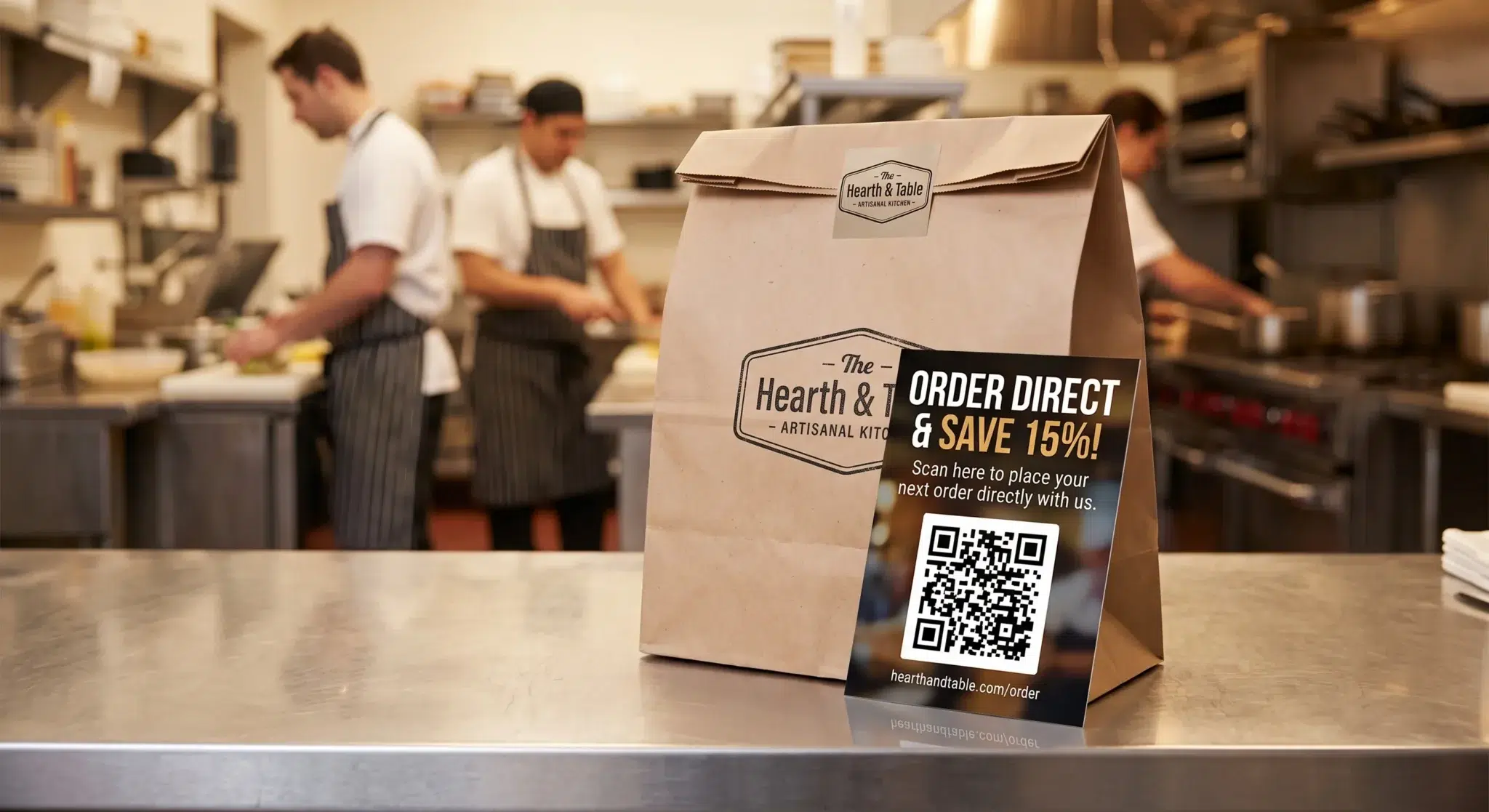
Businesses place QR codes on posters, packaging, advertisements, menus, receipts, and storefronts to direct customers toward websites, promotions, social media accounts, or landing pages.
This creates measurable digital engagement from physical marketing materials.
Social Media Growth
QR codes simplify social media promotion by directing customers instantly to Instagram, Facebook, TikTok, or other platforms.
Businesses can increase followers and customer interaction without requiring manual searches or complicated URLs.
Campaign Tracking and Analytics
One of the strongest advantages of QR marketing is trackability. Businesses can measure scan frequency, user behavior, location activity, and campaign performance through analytics tools.
This data helps businesses improve marketing efficiency while understanding customer engagement patterns more clearly.
Table-Side Ordering and Restaurant Efficiency
Table-side ordering systems powered by QR technology are becoming increasingly common in modern restaurants because they improve both customer experience and operational efficiency.
Faster Table Turnover
Customers can browse menus, place orders, and complete payments without waiting for manual service interactions.
This speeds up dining workflows and allows restaurants to serve more customers during busy periods.
Faster table turnover directly impacts profitability for many restaurants.
Reducing Human Error
Since customers enter their own selections digitally, misunderstandings related to handwritten orders or verbal communication decrease significantly.
Order accuracy improves while kitchen workflows become more predictable and organized.
Supporting Labor Efficiency
QR ordering systems also help restaurants optimize labor allocation. Staff can focus more on hospitality and food delivery instead of repetitive order-taking tasks.
This becomes especially valuable during labor shortages or peak service hours.
QR Codes in Retail and Events
Beyond restaurants, QR technology has expanded rapidly across retail environments and event management industries.
Retail Inventory Management
Retailers use QR systems for inventory tracking, product information access, stock management, and supply chain visibility.
Employees can scan products instantly to check inventory levels, reorder products, or update stock records.
This improves operational efficiency while reducing inventory errors.
Event Ticketing and Check-Ins
Events frequently use QR technology for digital ticketing, attendee check-ins, schedules, and promotional experiences.
Attendees can access tickets digitally while organizers improve crowd management and entry efficiency.
QR systems also simplify event communication and updates.
Interactive Shopping Experiences
Retail stores increasingly use QR codes to provide customers with additional product details, reviews, tutorials, or personalized recommendations.
This enhances in-store shopping experiences while bridging physical retail with digital content.

The Future of QR Technology
QR technology will likely continue expanding as businesses increasingly prioritize mobile-first and contactless experiences.
Future QR applications may include deeper personalization, AI-powered interactions, biometric verification, augmented reality integrations, and enhanced loyalty ecosystems.
As smartphones continue evolving, QR systems may become even more seamless and integrated into everyday commerce and customer behavior.
Businesses that adopt QR technology strategically now are positioning themselves for stronger long-term customer engagement and operational flexibility.
Biyo POS: Making Digital Dining Easy
Biyo POS helps restaurants and businesses integrate modern QR technology into daily operations through digital menus, QR ordering, mobile payments, and contactless customer experiences.
The platform supports table-side ordering, digital payment integration, real-time order routing, and customer engagement tools designed to improve operational efficiency while enhancing convenience for guests.
With integrated POS functionality, businesses can streamline workflows while reducing manual errors and improving service speed.
If you want to modernize your restaurant or retail experience using QR-based systems, you can sign up for Biyo POS here or schedule a live demo to explore how the platform supports digital dining and customer engagement.
Frequently Asked Questions
What is QR technology?
QR technology refers to Quick Response codes that store digital information accessible through smartphone scanning.
How do QR codes improve customer experience?
QR codes simplify ordering, payments, information access, and customer engagement while supporting faster and more convenient interactions.
Are QR code payments secure?
Yes. Most QR payment systems use encrypted transaction processing and secure digital payment gateways to protect financial information.
How do restaurants use QR technology?
Restaurants use QR codes for digital menus, table-side ordering, mobile payments, loyalty programs, and customer engagement.
Can QR codes help marketing campaigns?
Yes. Businesses use QR codes to connect offline marketing materials with websites, promotions, social media platforms, and interactive customer experiences.