A **store window** is one of the most powerful tools in retail marketing. Long before a shopper enters your store, the window display communicates your brand identity, product value, and overall shopping experience. Retail experts often say that window displays function as silent salespeople—they capture attention, spark curiosity, and motivate passersby to step inside.
Research in retail merchandising shows that visually compelling window displays can increase foot traffic by as much as 20–30% in busy retail areas. Because customers often make quick decisions while walking past storefronts, the design and presentation of your store window can have a measurable impact on sales performance.
A well-crafted store window does more than showcase products. It tells a story, communicates seasonal relevance, and reflects the personality of the brand. When retailers combine strong design principles with modern technologies such as digital signage or interactive displays, they transform ordinary storefronts into engaging visual experiences.
In this guide, we will explore how to design effective store window displays that attract attention, communicate brand values, and convert window shoppers into loyal customers.
Table of Contents
- Designing an Eye-Catching Store Window Display
- Utilizing Color and Lighting in Store Windows
- Seasonal and Thematic Window Displays
- Incorporating Storytelling in Your Store Window
- Engaging Passersby with Interactive Elements
- Showcasing Products to Boost Sales
- Maintaining and Updating Your Store Window Display
- Incorporating Technology and Digital Displays
- Promoting Your Store Window Display on Social Media
- How Biyo Helps Retailers Manage Window Promotions
- FAQ
Designing an Eye-Catching Store Window Display
A successful store window display begins with thoughtful design. The goal is to capture attention quickly while clearly communicating what your brand represents. Effective displays combine visual balance, strategic product placement, and a strong thematic concept that resonates with shoppers.
Retail designers often follow a simple rule: passersby should understand the message of the window within three to five seconds. If the display feels cluttered or confusing, customers are more likely to walk past without noticing the products.
Designing a visually effective window display requires careful planning, understanding of your audience, and alignment with your brand identity.
Understanding Your Audience
Before creating a store window display, retailers should understand who they are trying to attract. Age group, lifestyle preferences, purchasing habits, and local demographics all influence how customers respond to visual merchandising.
For example, a fashion boutique targeting young urban professionals might design a minimalist display featuring trendy outfits and modern lighting. Meanwhile, a family-oriented retail store may focus on colorful visuals and approachable product arrangements.
Analyzing customer purchase data, foot traffic patterns, and social media engagement can provide valuable insights into audience preferences. When retailers design displays that match customer interests, they improve the chances of turning casual passersby into shoppers.
Choosing the Right Theme
A clear theme helps create cohesion in your store window display. Without a theme, displays may appear random or disorganized, making it harder for customers to understand the message.
Themes often revolve around seasonal events, product launches, lifestyle inspirations, or brand storytelling. For instance, a summer-themed window might feature beach-inspired props, vibrant colors, and travel accessories.
The key is ensuring that the theme supports your brand identity while highlighting your most important products.
Balancing Elements
Visual balance is critical in window merchandising. Too many products or props can overwhelm viewers, while too little visual interest may fail to attract attention.
Retail designers often use the “rule of three,” grouping items into small clusters that guide the viewer’s eye through the display. Lighting, props, and signage should support the products rather than compete with them.
A well-balanced display directs attention naturally toward featured merchandise while maintaining a visually pleasing composition.
Utilizing Color and Lighting in Store Windows
Color and lighting are among the most powerful tools in visual merchandising. These elements help establish mood, highlight products, and attract attention from a distance.
Because storefronts compete with surrounding shops, signage, and street activity, strategic use of color and lighting can make a display stand out.
The Power of Color
Color influences emotions and perceptions. Bright colors often create excitement and energy, while softer tones communicate elegance or sophistication.
Retailers typically use color palettes that align with brand identity. For example, luxury brands may prefer neutral tones with subtle accents, while youth-oriented brands often use bold, vibrant colors.
Seasonal color changes also keep displays fresh and relevant throughout the year.
Effective Lighting Techniques
Lighting can transform a simple display into a captivating focal point. Spotlights draw attention to featured products, while ambient lighting creates depth and atmosphere.
Modern LED lighting systems allow retailers to adjust brightness and color temperature easily, making them ideal for dynamic window displays.
Well-placed lighting highlights textures, enhances colors, and ensures the display remains visible even at night.
Creating Visual Contrast
Contrast helps key products stand out within the display. Placing a brightly colored product against a neutral background immediately draws the viewer’s eye.
Retailers also use contrasting textures and shapes to add visual interest. For instance, a sleek product may be displayed against a rustic backdrop to create a striking visual effect.
Contrast helps maintain viewer attention while guiding focus toward the most profitable merchandise.
Seasonal and Thematic Window Displays
Seasonal displays keep store windows fresh and relevant throughout the year. They also align with customer expectations, as shoppers naturally associate certain products with specific seasons or holidays.
Retailers that regularly update their window displays often see increased foot traffic because customers enjoy discovering new visual experiences.
Embracing Seasonal Changes
Seasonal decorations—such as autumn leaves, winter snowflakes, spring flowers, or summer beach themes—help connect the display with current events and weather patterns.
These elements create emotional resonance with customers while making the display feel timely and relevant.
Holiday-Themed Displays
Holiday periods provide excellent opportunities for creative merchandising. Christmas, Halloween, Valentine’s Day, and other holidays allow retailers to experiment with dramatic props, festive colors, and themed storytelling.
Holiday displays often generate strong social media engagement, especially when they are visually striking or interactive.
Product Launch and Promotion
Store windows are ideal for announcing new products or promotions. Highlighting featured items with bold signage or dedicated display areas ensures that passersby immediately understand the promotion.
This approach helps drive curiosity and encourages customers to enter the store for a closer look.

Incorporating Storytelling in Your Store Window
Storytelling transforms a simple product display into an engaging experience. When a window display tells a story, customers are more likely to pause, observe, and connect emotionally with the brand.
Creating a Narrative
Retailers often use mannequins, props, and backdrops to create scenes that represent real-life situations or aspirational lifestyles.
For example, a clothing store might create a travel-themed display showing mannequins dressed for a weekend getaway.
Emotional Connection
Emotionally engaging displays leave lasting impressions. Nostalgic themes, playful humor, or aspirational lifestyle scenes can make customers feel connected to the brand.
Interactive Elements
Interactive features such as QR codes or motion-triggered displays encourage customers to engage with the window instead of simply walking past it.
These interactions increase brand memorability and can lead to higher store visits.
Engaging Passersby with Interactive Elements
Interactive technology is becoming increasingly common in modern retail displays.
Touchscreens and Digital Displays
Touchscreens allow customers to browse product catalogs, watch promotional videos, or explore product features directly from the window.
Augmented Reality
Augmented reality technology enables customers to visualize products in their own environments. For example, furniture retailers may allow shoppers to see how a sofa would look in their home.
Social Media Integration
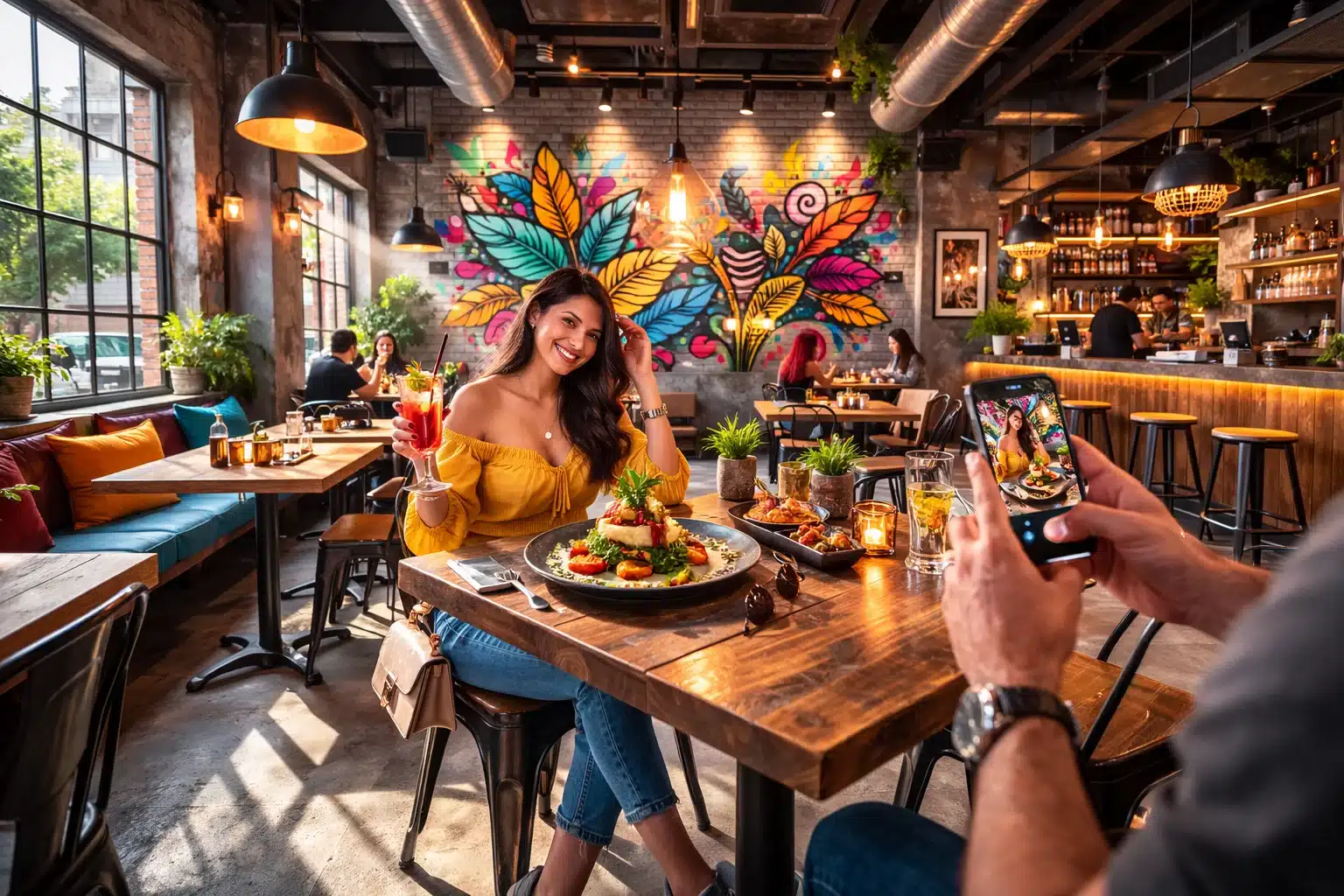
Retailers can encourage customers to take photos with creative window displays and share them online. This user-generated content increases brand visibility.
Showcasing Products to Boost Sales
Effective window displays focus on selling products rather than simply decorating storefronts.
Highlighting Bestsellers
Displaying top-selling products in the window helps attract attention while showcasing items customers are most likely to purchase.
Cross-Selling Opportunities
Combining complementary products—such as clothing with accessories—helps customers imagine complete solutions.
Limited-Time Offers
Limited-time promotions create urgency and encourage shoppers to enter the store immediately.
Maintaining and Updating Your Store Window Display
Even the best display loses effectiveness if it remains unchanged for too long.
Regular Updates
Retailers should refresh displays regularly to reflect new products, promotions, or seasonal themes. Updating the display keeps storefronts interesting and encourages repeat visits.
Cleaning and Maintenance
Clean glass, dust-free props, and properly functioning lights ensure the display maintains a professional appearance.
Feedback and Improvement
Customer and employee feedback can help identify which displays attract the most attention and generate the most sales.
Incorporating Technology and Digital Displays
Digital technologies allow retailers to create dynamic window displays that evolve throughout the day.
Digital Signage
Digital screens display rotating advertisements, videos, and product demonstrations that capture attention.
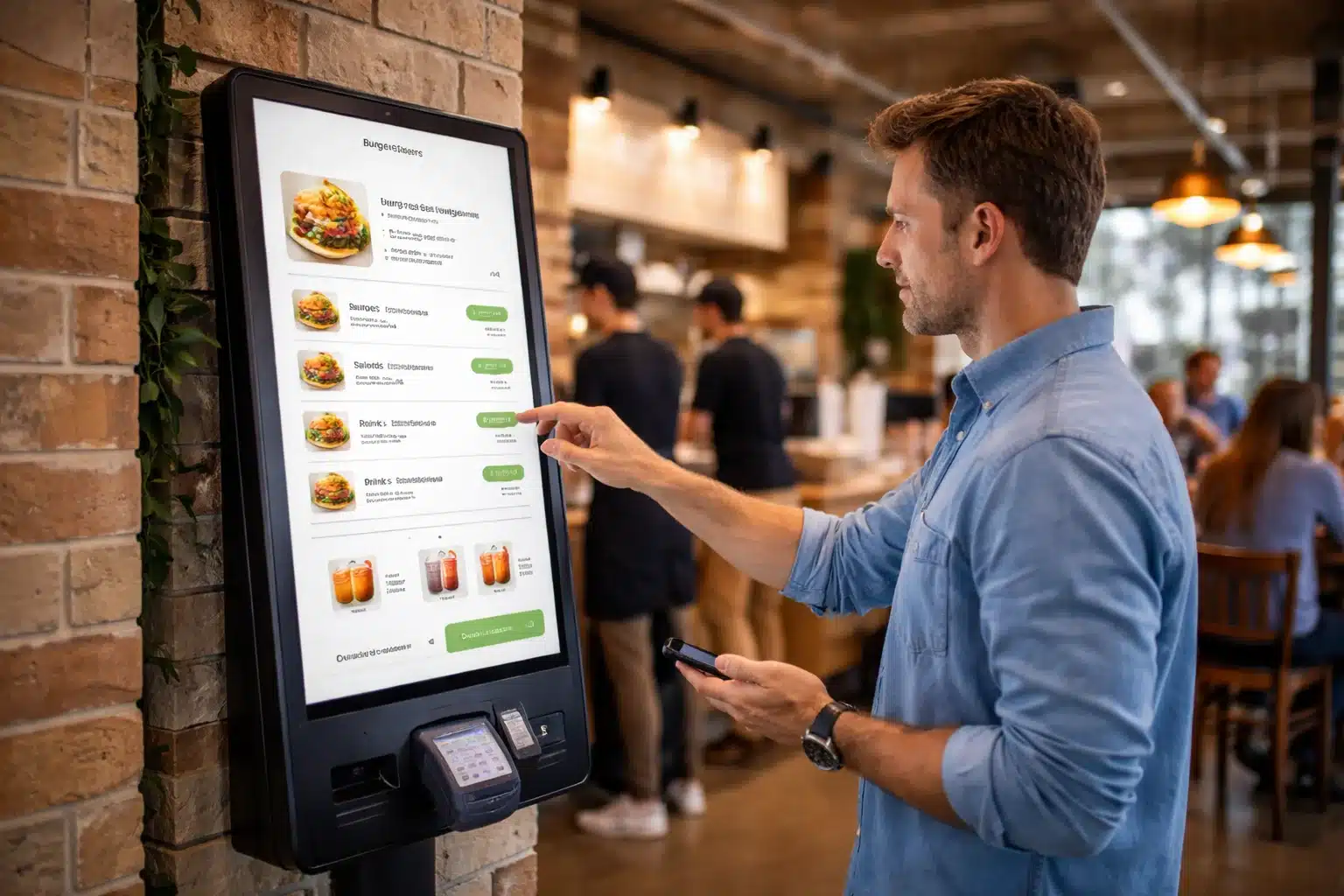
Interactive Kiosks
Interactive kiosks allow customers to browse catalogs or place orders even when stores are closed.
Smart Windows
Smart glass technology can adjust brightness and transparency, allowing displays to adapt to lighting conditions.
Promoting Your Store Window Display on Social Media
Social media can amplify the reach of your store window beyond physical foot traffic.
Creating Shareable Content
Retailers should post high-quality photos and videos of window displays on platforms such as Instagram and Facebook. Posts on Twitter can also attract attention from local audiences.
Encouraging User-Generated Content
Encouraging customers to share photos with branded hashtags increases organic promotion.
Running Contests and Giveaways
Photo contests or giveaways tied to window displays can drive both online engagement and in-store visits.
How Biyo Helps Retailers Manage Window Promotions
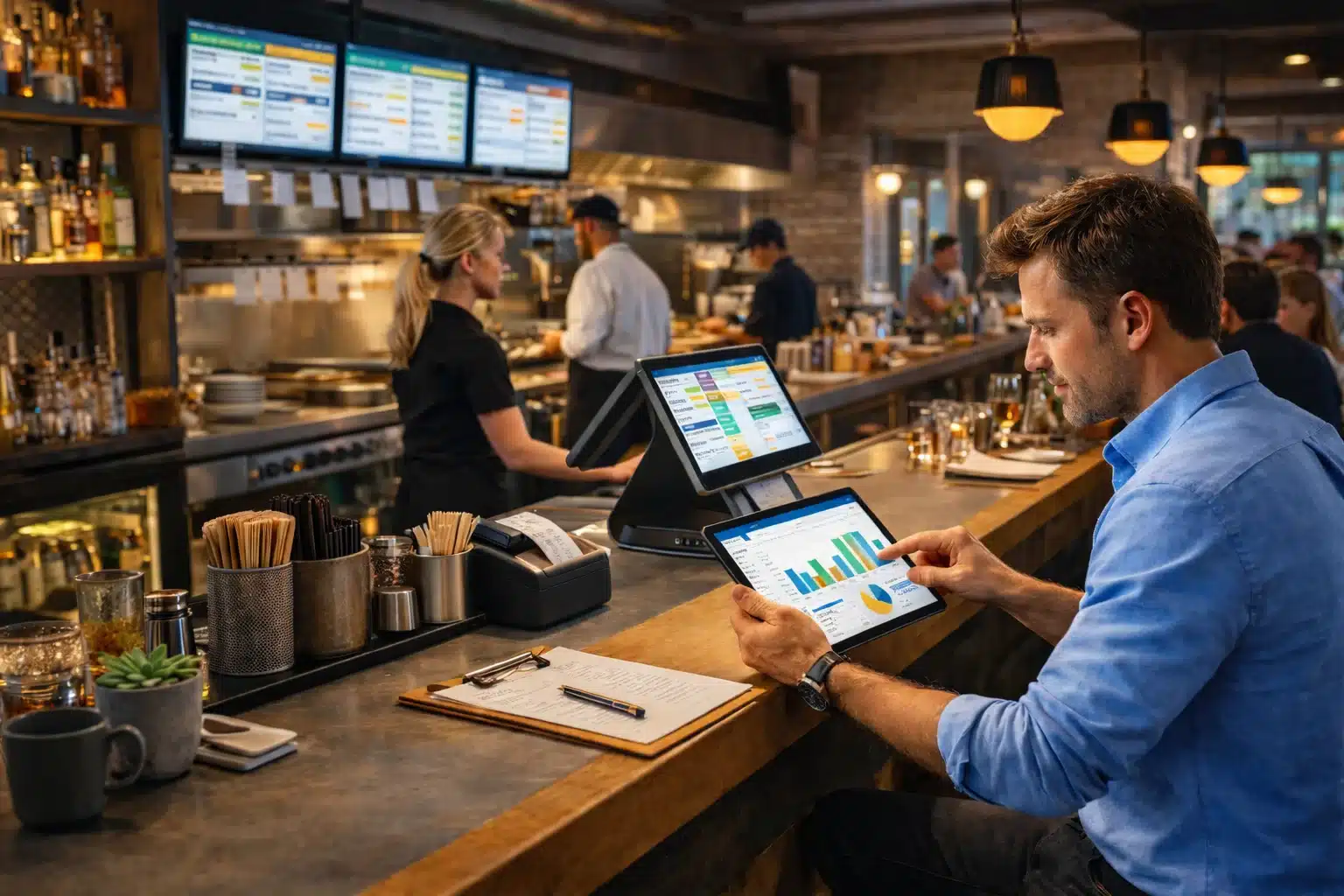
Retail displays often support promotions, seasonal campaigns, and product launches. Platforms like Biyo POS help retailers track product performance, manage inventory, and analyze sales trends connected to in-store promotions.
With integrated inventory management, reporting tools, and real-time sales insights, Biyo POS allows retailers to evaluate how window displays influence purchasing behavior.
Retail businesses looking to improve merchandising performance and track promotional impact can start optimizing operations by creating an account through the Biyo POS platform.
FAQ
Why is a store window display important?
A store window display attracts attention from passersby and communicates the brand’s message. An effective display can increase foot traffic and encourage customers to enter the store.
How often should store windows be updated?
Most retailers update window displays every four to six weeks, or whenever new seasonal promotions or product launches occur.
What products should be displayed in store windows?
Retailers typically showcase best-selling products, new arrivals, or promotional items that represent the brand effectively.
How can technology improve store window displays?
Digital signage, interactive screens, and augmented reality experiences make displays more engaging and informative for customers.
Can social media help promote store window displays?
Yes. Sharing photos, videos, and customer-generated content on social media platforms helps extend the visibility of window displays beyond physical storefront traffic.