Understanding the dynamics of W2 employment is crucial for businesses operating in restaurants, retail environments, and small business operations that rely on modern point-of-sale technology. A W2 employee represents one of the most common employment classifications in the United States, and the structure behind it directly impacts payroll compliance, taxes, benefits, and operational workflows. For businesses using modern POS platforms such as Biyo POS, the way employees are classified and managed can significantly influence operational efficiency and long-term growth.
From restaurant servers and retail associates to inventory managers and supervisors, W2 employees form the backbone of daily operations. Their responsibilities extend beyond simply completing tasks—they shape customer experiences, maintain operational consistency, and help businesses scale effectively. In industries where speed, accuracy, and customer interaction are critical, understanding how W2 employees function within the business structure is essential.
This guide explores the role of W2 employees across restaurants, retail stores, and small businesses. It also examines the legal framework surrounding W2 employment, operational benefits, workforce challenges, and the growing importance of technology integration through modern POS systems.
Table of Contents
- The Significance of W2 Employees
- The Legal Framework Surrounding W2 Employees
- Employees in the POS and Retail Industry
- Challenges in Managing W2 Employees and Solutions
- Integrating W2 Employees with Biyo POS Systems
- Future Trends for W2 Employees in the POS Industry
- Strategic Workforce Planning for Small Businesses
- How Biyo Supports Businesses Managing W2 Employees
- Frequently Asked Questions

The Significance of W2 Employees
The term “W2 employee” originates from the IRS Form W-2, which employers issue to employees at the end of each year to report wages paid and taxes withheld. A W2 employee is someone who works directly for a company, meaning the employer is responsible for payroll tax withholding, benefits contributions, and employment compliance.
This classification differs from independent contractors, who typically receive Form 1099 and manage their own taxes. The distinction matters significantly in industries such as restaurants and retail where staff interact directly with customers and are integral to daily operations.
In the restaurant and retail sectors, W2 employees commonly include cashiers, servers, baristas, inventory specialists, shift managers, and store supervisors. Because they are formally employed, businesses have more control over training, schedules, performance standards, and compliance requirements. This structured relationship allows organizations to maintain consistent service quality and operational discipline.
According to the U.S. Bureau of Labor Statistics, retail and food service industries collectively employ more than 30 million workers across the United States. The majority of these workers are classified as W2 employees. This demonstrates how central this employment structure is to industries that rely on customer-facing staff and high operational consistency.
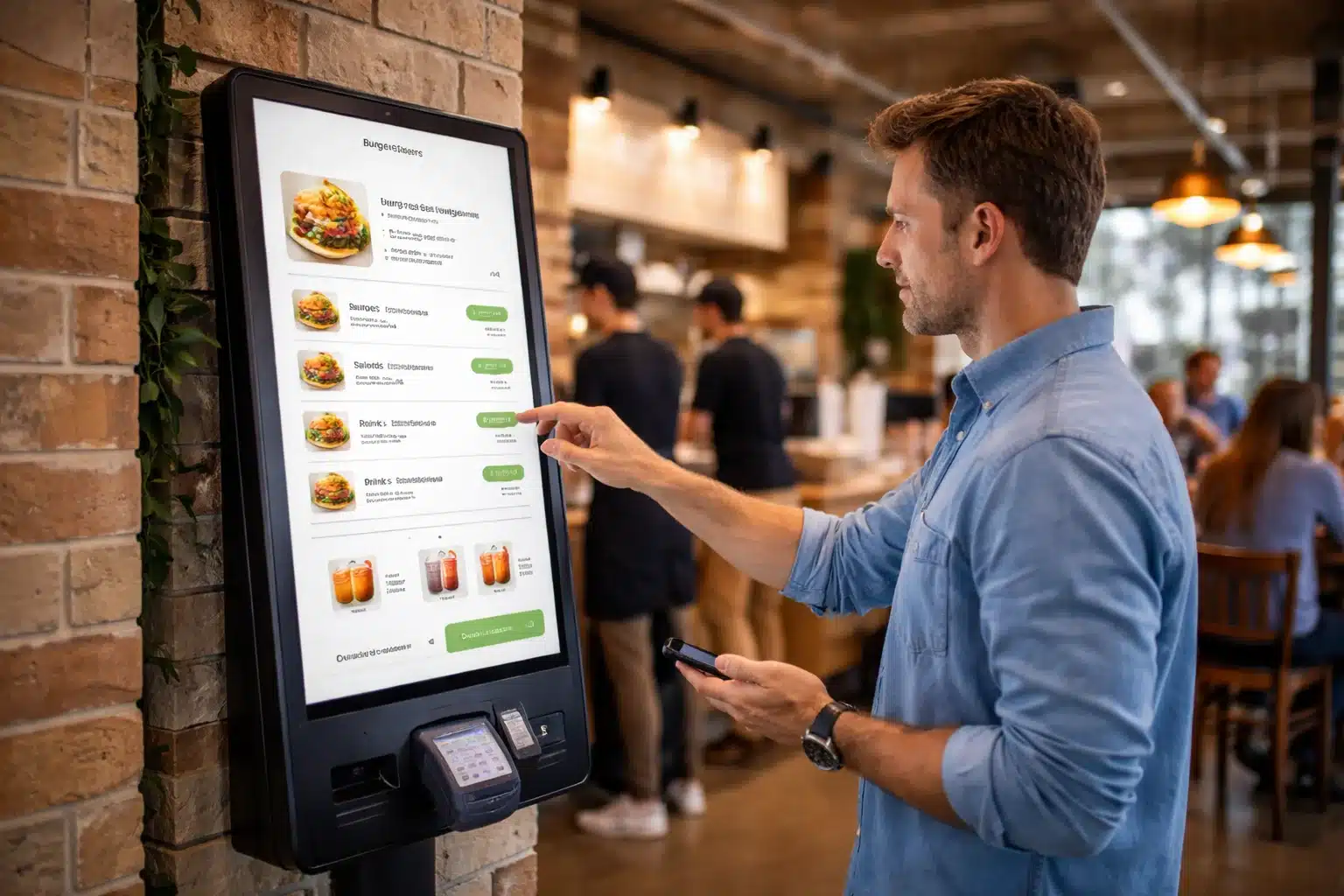
For businesses using modern POS technology, the role of employees extends beyond customer service. They interact with inventory systems, process payments, update product catalogs, and handle real-time sales reporting. Because of this integration between staff and technology, the effectiveness of W2 employees directly influences the efficiency of the entire business operation.
The Legal Framework Surrounding W2 Employees
Hiring W2 employees introduces a number of legal responsibilities for businesses. Employers must comply with federal, state, and local labor laws that govern wages, taxes, benefits, workplace safety, and documentation. While these requirements may appear complex, they exist to ensure fair employment practices and financial transparency.
One of the primary obligations involves payroll tax withholding. Employers must deduct federal income tax, Social Security tax, and Medicare tax from employee wages. Additionally, businesses must contribute employer portions of these payroll taxes. This shared responsibility ensures that employees contribute to social programs such as Social Security while maintaining compliance with federal regulations.
Another important aspect of W2 employment involves benefits. Depending on company size and employment policies, businesses may provide benefits such as health insurance, retirement plans, paid time off, or training programs. These benefits not only support employee well-being but also improve retention rates.
Compliance also includes maintaining accurate records. Employers must document wages, hours worked, tax withholdings, and employment forms. Proper documentation becomes especially important during audits or regulatory reviews. Businesses must also ensure compliance with minimum wage regulations, overtime requirements, and workplace safety standards.
Failing to classify employees correctly can result in significant penalties. The IRS and Department of Labor monitor employee classification closely because misclassification can affect tax contributions and employee rights. For restaurant and retail operators, maintaining clear records and proper payroll processes helps avoid these costly issues.
Despite these obligations, W2 employment provides structure and predictability. Businesses gain a stable workforce, clearer management authority, and stronger alignment between employee goals and company objectives.
Employees in the POS and Retail Industry
W2 employees are particularly important in industries that rely on direct customer interaction and fast-paced operations. Retail stores, cafes, restaurants, and small shops depend on staff who can efficiently manage transactions, maintain inventory accuracy, and deliver positive customer experiences.
Customer experience remains one of the most influential factors in retail success. Studies suggest that nearly 80% of consumers consider customer experience just as important as product quality when deciding where to shop. W2 employees working at checkout counters or sales floors therefore play a crucial role in shaping brand perception.
In restaurant environments, servers and hosts serve as the primary point of contact between the business and customers. Their ability to process orders quickly, communicate effectively, and maintain professionalism directly affects customer satisfaction and repeat visits.
Beyond customer interaction, employees also contribute significantly to operational processes. Inventory management, product restocking, order fulfillment, and transaction verification are all tasks commonly handled by W2 employees. When these responsibilities are executed efficiently, businesses experience fewer stock discrepancies and smoother workflows.
POS systems further amplify the importance of employee efficiency. Staff members interact with the POS interface throughout the day to process transactions, apply discounts, manage loyalty programs, and track inventory levels. Proper training ensures these processes are handled quickly and accurately.
For example, modern POS platforms allow employees to access product catalogs instantly, check inventory levels in real time, and generate sales reports. These capabilities enable employees to provide more informed assistance to customers while helping managers make better business decisions.
Challenges in Managing W2 Employees and Solutions
While W2 employees provide structure and reliability, managing them effectively presents several challenges for small businesses. Recruiting qualified staff, maintaining consistent performance, and reducing turnover are common concerns across the restaurant and retail industries.
Employee turnover remains particularly high in food service and retail sectors. Industry reports show that annual turnover rates in restaurants can exceed 70 percent. This means businesses must continuously invest in recruitment and training to maintain operational stability.
Effective recruitment strategies begin with clearly defined job roles and expectations. Businesses that outline responsibilities, required skills, and career growth opportunities tend to attract more motivated candidates. Offering competitive wages and structured onboarding programs also improves employee retention.
Training plays a critical role in employee performance. New hires must learn not only their job responsibilities but also how to interact with POS systems, manage customer interactions, and follow operational procedures. Comprehensive training programs reduce mistakes and increase confidence among employees.
Another major challenge involves performance management. Managers must regularly evaluate employee productivity and provide constructive feedback. This helps identify skill gaps and creates opportunities for improvement. Recognition programs and performance incentives can also motivate employees to maintain high standards.
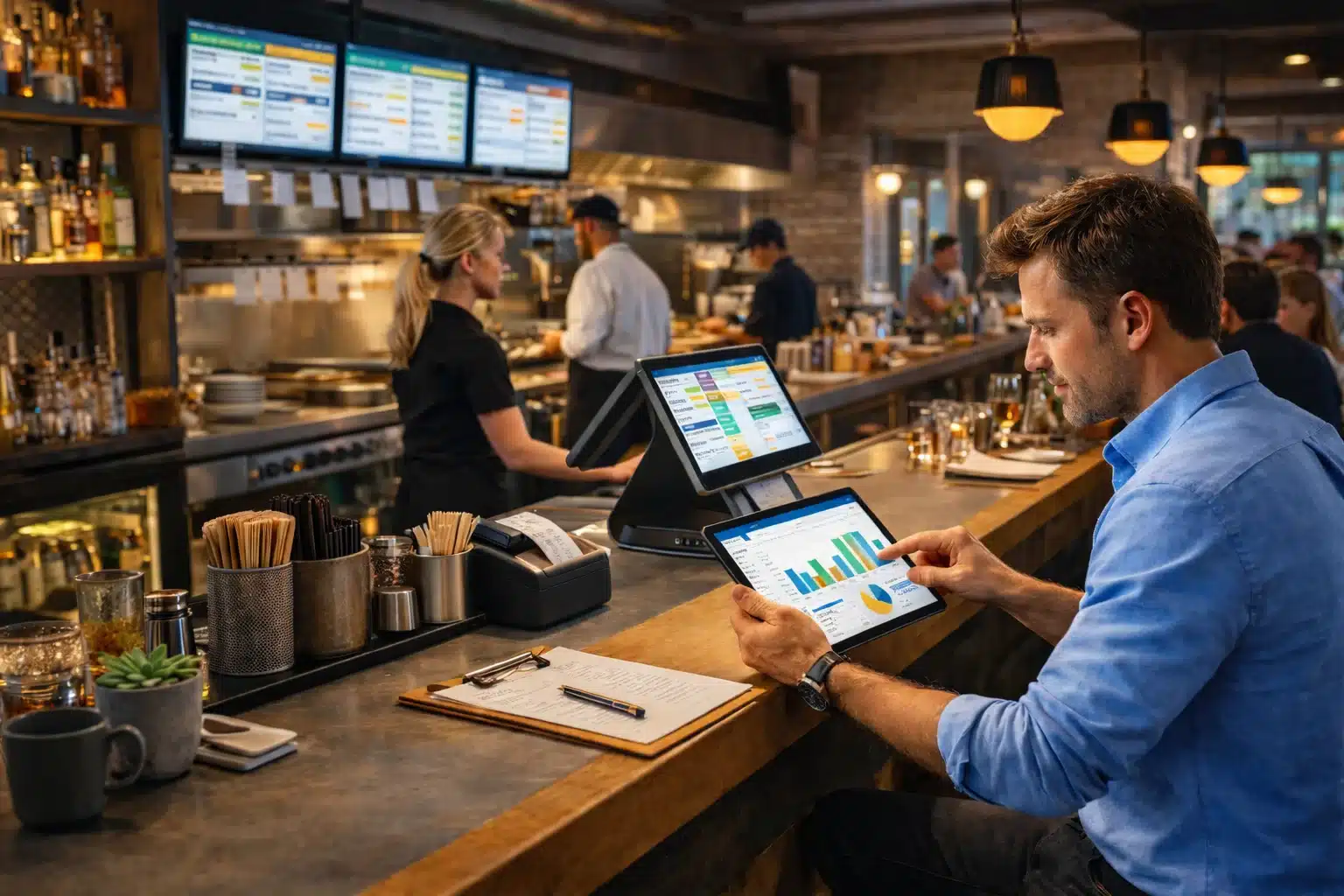
Technology can assist in solving many of these challenges. Digital scheduling tools, employee performance analytics, and POS-based activity tracking allow managers to monitor operations more effectively. These insights help businesses optimize staffing levels and improve overall efficiency.
Integrating W2 Employees with Biyo POS Systems
Technology has become a central component of modern retail and restaurant operations. POS platforms now serve as the operational hub connecting sales, inventory, payments, and employee activity. Integrating W2 employees effectively with these systems can significantly improve productivity and accuracy.
Training employees to use POS systems effectively is the first step toward successful integration. Staff should understand how to process transactions, manage product entries, apply discounts, and generate reports. When employees feel comfortable with the technology, transactions become faster and customer service improves.
Advanced POS systems also provide valuable data insights. Sales analytics can reveal purchasing patterns, peak sales hours, and inventory trends. Employees who understand these insights can adjust their workflows to better serve customers and maintain stock levels.
Automation features further enhance operational efficiency. For example, automated inventory tracking reduces the need for manual stock counting. Employees can quickly verify product availability through the POS interface, allowing them to assist customers more effectively.
Integration between employees and POS technology also improves financial accuracy. Digital transaction logs minimize human error while maintaining transparent records for accounting purposes. This not only simplifies bookkeeping but also helps businesses comply with financial regulations.
Future Trends for W2 Employees in the POS Industry
The role of employees in retail and restaurant environments continues to evolve as technology advances. Automation, data analytics, and digital payment methods are transforming how businesses operate, and employees must adapt to these changes.
One major trend involves the rise of contactless and mobile payments. Customers increasingly prefer faster checkout experiences using digital wallets and tap-to-pay cards. Employees must understand these technologies to assist customers and maintain smooth transaction processes.
Artificial intelligence and data analytics are also reshaping business operations. POS systems now generate predictive insights that help businesses forecast demand and optimize inventory. Employees who can interpret these insights contribute to smarter operational decisions.
Another emerging trend involves hybrid workforce models. Some businesses combine in-store employees with digital order management teams handling online orders or delivery logistics. This shift requires employees to develop broader skill sets that include both customer service and digital operations.
As technology evolves, continuous training becomes increasingly important. Businesses that invest in employee education and skill development are more likely to remain competitive in rapidly changing markets.
Strategic Workforce Planning for Small Businesses
Effective workforce planning helps businesses align employee capabilities with long-term goals. In small business environments, every employee plays a critical role, making strategic hiring and training decisions essential.
One key strategy involves cross-training employees across multiple operational roles. For example, a retail associate might learn both cashier operations and inventory management. This flexibility allows businesses to maintain efficiency even when staffing levels fluctuate.
Another important strategy focuses on employee engagement. Workers who feel valued and supported are more likely to remain with the company long term. Providing career growth opportunities, mentorship programs, and transparent communication helps build a positive workplace culture.
Data-driven workforce planning also improves operational decision-making. By analyzing sales patterns and staffing levels, managers can schedule employees more effectively and reduce labor costs without compromising service quality.
Small businesses that combine strategic workforce planning with modern POS technology gain a powerful advantage. Employees become more productive, managers gain clearer operational visibility, and customers experience faster and more reliable service.

How Biyo Supports Businesses Managing W2 Employees
Modern businesses require technology that simplifies both operations and employee management. Platforms like Biyo POS provide tools that help companies streamline workflows, improve data visibility, and support employee productivity.
Biyo POS integrates sales processing, inventory tracking, and employee activity monitoring within a single platform. This unified approach allows businesses to manage transactions, track product availability, and analyze performance metrics without switching between multiple systems.
For companies employing W2 staff, these capabilities are particularly valuable. Managers can track employee performance, monitor transaction histories, and identify operational bottlenecks quickly. These insights make it easier to optimize staffing strategies and improve operational efficiency.
Businesses looking to modernize their operations can explore solutions and schedule a consultation directly through the Biyo POS consultation scheduling page. For organizations ready to implement a POS platform that supports growth and operational clarity, they can also begin the process through the Biyo POS signup page.
By combining employee management capabilities with powerful transaction tools, Biyo helps businesses create a streamlined environment where staff can focus on delivering exceptional customer experiences.
Frequently Asked Questions
What is the difference between a W2 employee and a 1099 contractor?
A W2 employee works directly for a company and receives wages with taxes withheld by the employer. A 1099 contractor operates as an independent worker responsible for managing their own taxes and typically has more control over their work schedule and methods.
Why do restaurants and retail businesses rely heavily on W2 employees?
Restaurants and retail businesses require consistent service standards, customer interaction, and operational reliability. W2 employment allows businesses to maintain greater control over training, scheduling, and workplace policies.
Do employers pay additional taxes for W2 employees?
Yes. Employers must contribute employer portions of Social Security and Medicare taxes in addition to withholding employee payroll taxes. They may also pay unemployment taxes depending on local regulations.
How does a POS system help manage employees?
Modern POS systems track transaction activity, inventory movement, and employee performance metrics. These insights help managers identify training needs, optimize staffing schedules, and improve operational efficiency.
Can small businesses benefit from POS technology even with a small team?
Absolutely. POS systems provide automation, reporting tools, and streamlined payment processing that help small teams operate more efficiently and reduce administrative workload.
What skills should W2 employees in retail or restaurants develop?
Employees benefit from strong customer service skills, familiarity with POS systems, inventory management knowledge, and adaptability to new technologies such as digital payments and automated ordering systems.