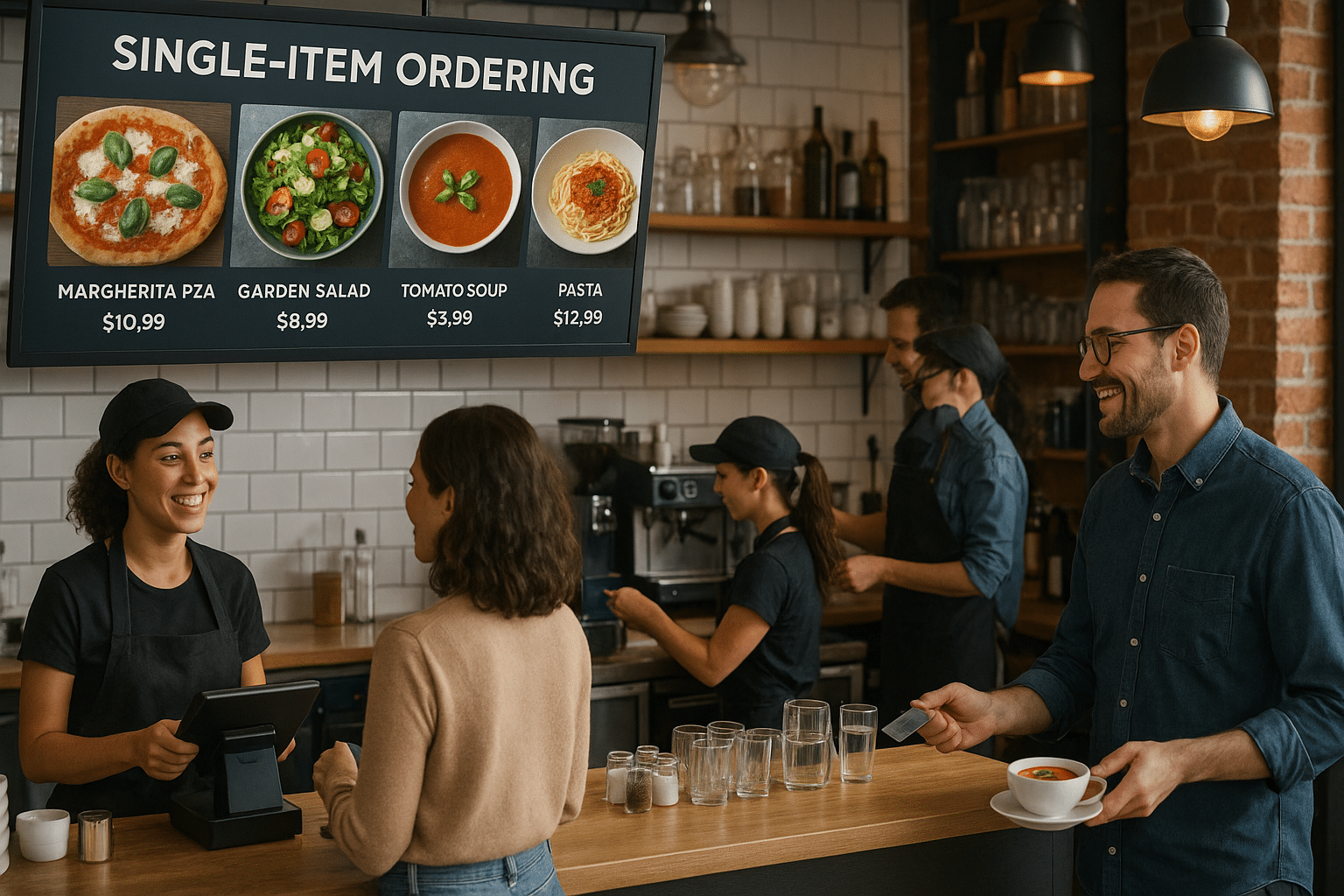

In today’s fast-paced world, convenience and customization drive consumer choices more than ever. Single-item ordering has emerged as a game-changer in the food and retail industries, allowing customers to make direct selections without the confusion of complex menus or bundled deals. Instead of navigating large combinations or preset packages, customers can focus on the exact item they want, making the purchasing process faster, clearer, and more personalized.
This streamlined ordering approach reflects the evolving expectations of modern consumers. People increasingly value speed, transparency, and flexibility when making purchases. Whether ordering food at a café, shopping online, or buying products in retail stores, customers want the ability to select items individually without unnecessary commitments.
Businesses that adopt single-item ordering benefit from simplified workflows, improved customer satisfaction, and better operational efficiency. By reducing complexity in both ordering and preparation processes, companies can serve customers more quickly while maintaining accuracy and clarity in transactions.
This article explores how single-item ordering works, why it benefits both customers and businesses, how organizations can implement it effectively, and how modern technology supports this increasingly popular purchasing model.
Table of Contents
- Understanding Single-Item Ordering
- Benefits of Single-Item Ordering for Customers and Businesses
- Implementing Single-Item Ordering in Modern Businesses
- Technology and Single-Item Ordering
- Trends and Future Outlook of Single-Item Ordering
- How Biyo Helps Businesses Enable Single-Item Ordering
- FAQ
Understanding Single-Item Ordering
Single-item ordering refers to a purchasing approach that allows customers to select and buy individual dishes or products without bundling them into combos or multi-item packages. Instead of forcing customers to choose pre-arranged sets or large combinations, this method focuses on direct selection of standalone items.
Defining Single-Item Ordering in the Hospitality Industry
In restaurants, cafés, and quick-service establishments, single-item ordering is often associated with à la carte dining. Customers choose individual dishes rather than fixed meal packages. This flexibility allows diners to tailor their meals according to their preferences, dietary restrictions, or appetite.
For example, a customer visiting a café might order only a soup or a sandwich rather than a full combo meal with sides and drinks. This focused approach allows customers to purchase exactly what they want without unnecessary additions.
How Single-Item Ordering Works in Retail and E-Commerce
Single-item ordering is equally relevant in retail and online shopping environments. In these settings, customers purchase individual products rather than bundled packages or curated collections. This model simplifies the purchasing journey and allows shoppers to focus on the specific item they need.
Retailers often use this approach to highlight key products or featured items. By presenting items individually, businesses reduce decision fatigue and make it easier for customers to complete purchases quickly.
Benefits of Single-Item Ordering for Customers and Businesses
The rise of single-item ordering offers advantages for both consumers and businesses. By simplifying the purchasing process, this approach improves convenience while reducing operational complexity.
Enhanced Customer Experience Through Personal Choice
One of the biggest benefits of single-item ordering is the freedom it provides customers. Instead of navigating complicated menus or bundled options, customers can select exactly what they want. This personalization leads to greater satisfaction and a more enjoyable purchasing experience.
Customers also appreciate the ability to avoid unnecessary purchases. For instance, someone visiting a coffee shop may only want a single espresso rather than a combo meal. Offering this flexibility respects the customer’s preferences and improves overall satisfaction.
Operational Efficiency and Streamlined Ordering for Businesses
Businesses benefit significantly from simplified ordering systems. When menus focus on individual items instead of complex combinations, staff can process orders faster and with fewer mistakes.
This efficiency becomes especially valuable in high-volume environments such as quick-service restaurants. Employees can quickly enter orders, kitchen staff receive clearer instructions, and customers receive their purchases faster. The result is smoother operations and improved service speed.
Implementing Single-Item Ordering in Modern Businesses
Introducing a single-item ordering model requires thoughtful planning and careful execution. Businesses must design menus strategically, train staff effectively, and communicate clearly with customers about the benefits of this simplified ordering method.
Designing a Focused Menu for Maximum Impact
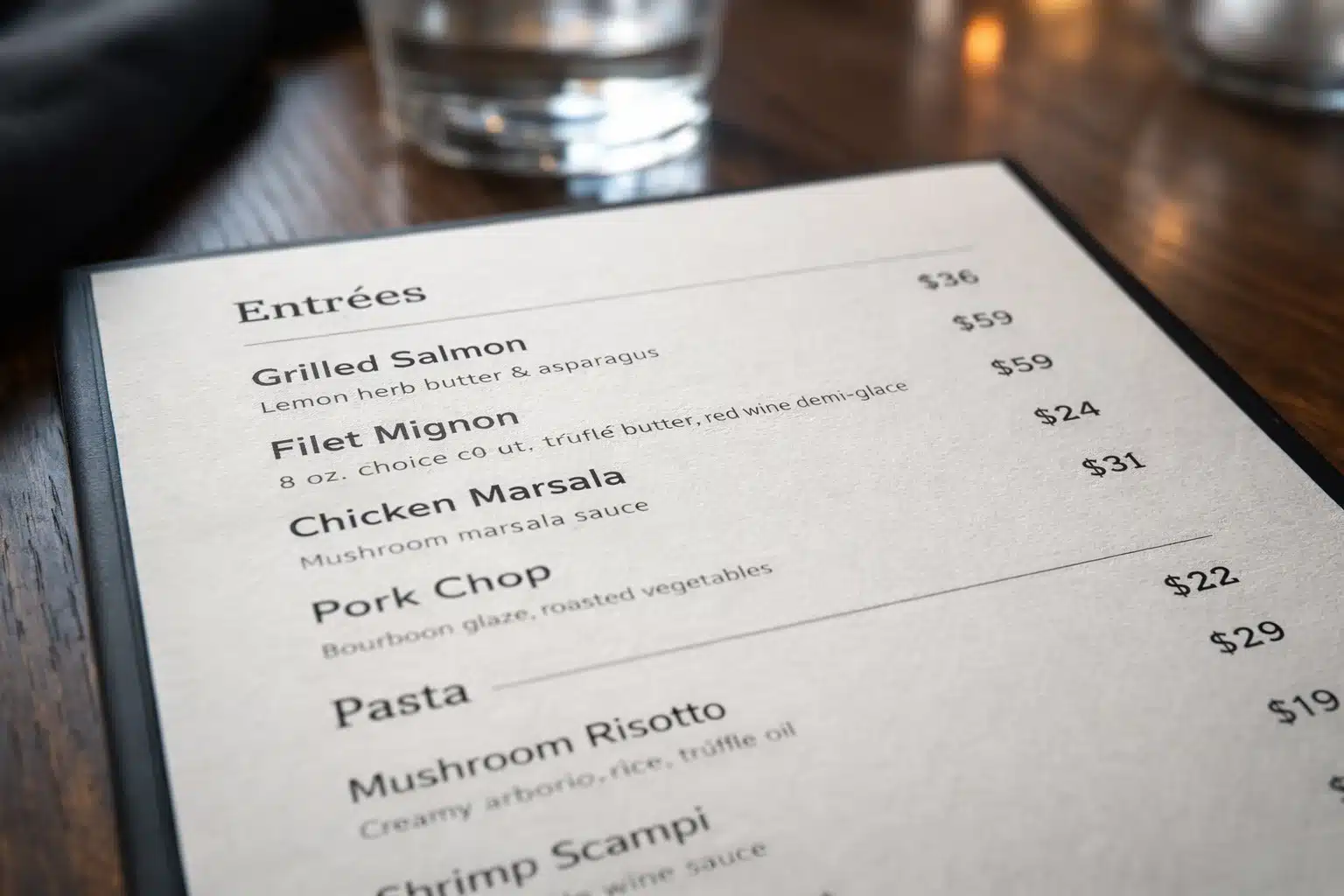
A well-designed menu is essential for successful single-item ordering. Instead of overwhelming customers with numerous combinations, businesses should highlight individual items that represent their best offerings.
Clear descriptions, organized categories, and attractive visual presentation help customers understand their choices quickly. A focused menu makes it easier for customers to select items confidently and complete their orders without confusion.
Training Staff for Effective Order Customization
Employees play a key role in delivering a smooth single-item ordering experience. Staff should be trained to process orders accurately, communicate clearly with customers, and handle customization requests efficiently.
Training programs should emphasize speed, clarity, and accuracy in order entry. When employees understand how to manage individual orders effectively, the overall service experience becomes faster and more reliable.
Technology and Single-Item Ordering
Technology plays a major role in supporting efficient single-item ordering systems. Modern POS platforms, mobile ordering applications, and online checkout systems allow businesses to manage individual purchases quickly and accurately.
The Role of POS Systems in Streamlined Ordering
Point-of-sale systems simplify the order entry process by allowing staff to select individual items directly from digital menus. These systems reduce the time required to process transactions and ensure orders are recorded accurately.
POS technology also supports itemized billing, which clearly lists each purchased item on the receipt. This transparency improves customer trust and makes financial records easier to manage.
Mobile and Online Ordering Platforms
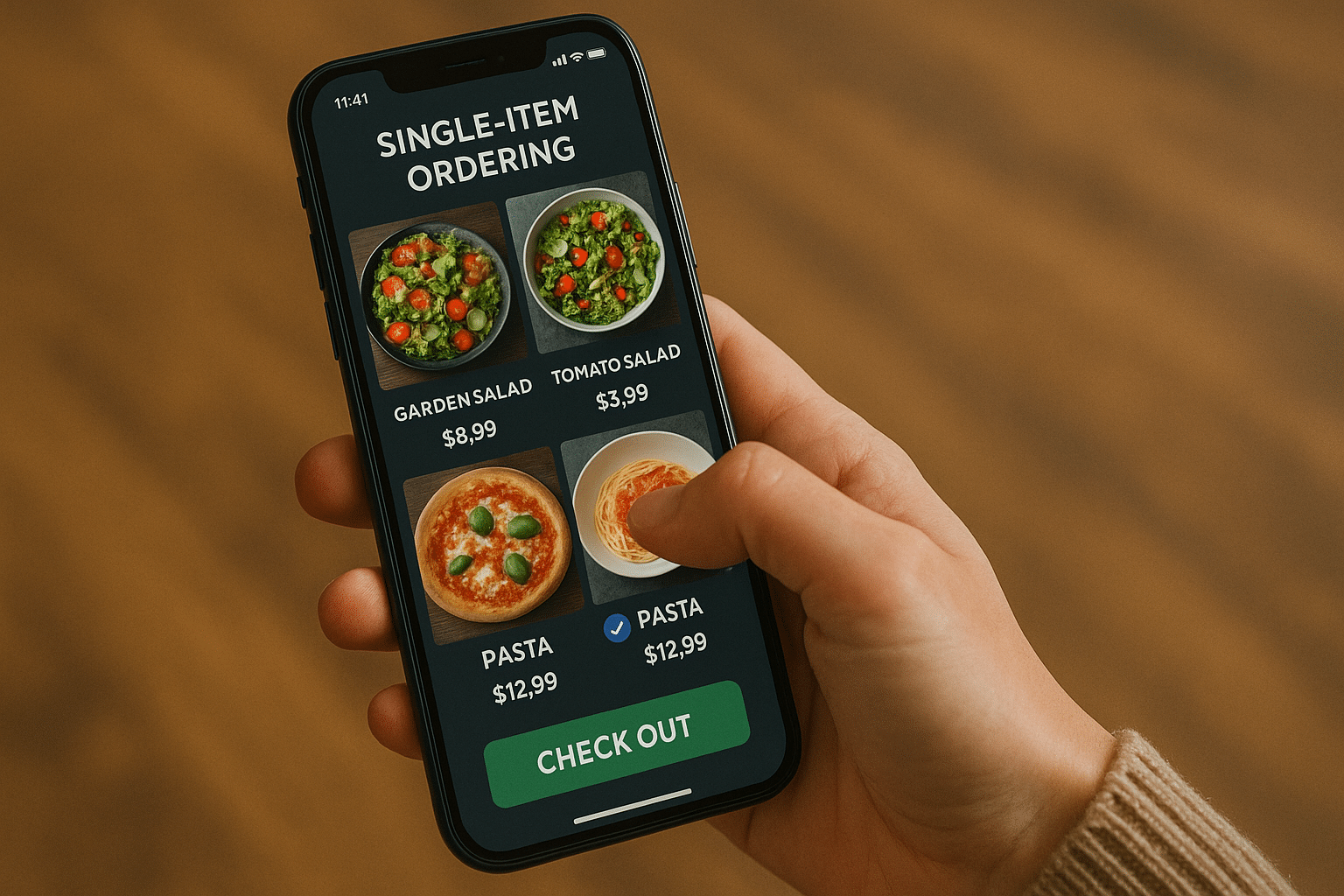
Mobile ordering and online checkout platforms expand the reach of single-item ordering beyond physical locations. Customers can browse menus, select individual items, and place orders directly from their devices.
This digital convenience reduces waiting times and allows businesses to serve customers more efficiently. Online ordering systems also help businesses capture additional revenue through pickup and delivery orders.
Trends and Future Outlook of Single-Item Ordering
Single-item ordering reflects broader shifts in consumer behavior. Customers increasingly prefer purchasing models that prioritize convenience, personalization, and speed.
Growing Demand for Menu Flexibility and Custom Selection
Consumers today expect greater flexibility when choosing products or meals. They prefer the ability to select individual items rather than being restricted to predefined packages.
Businesses that provide this flexibility often see increased customer satisfaction and higher repeat purchase rates. Customers feel more comfortable returning to businesses that respect their preferences and offer personalized purchasing options.
The Rise of Solo Dining and Minimal Order Systems
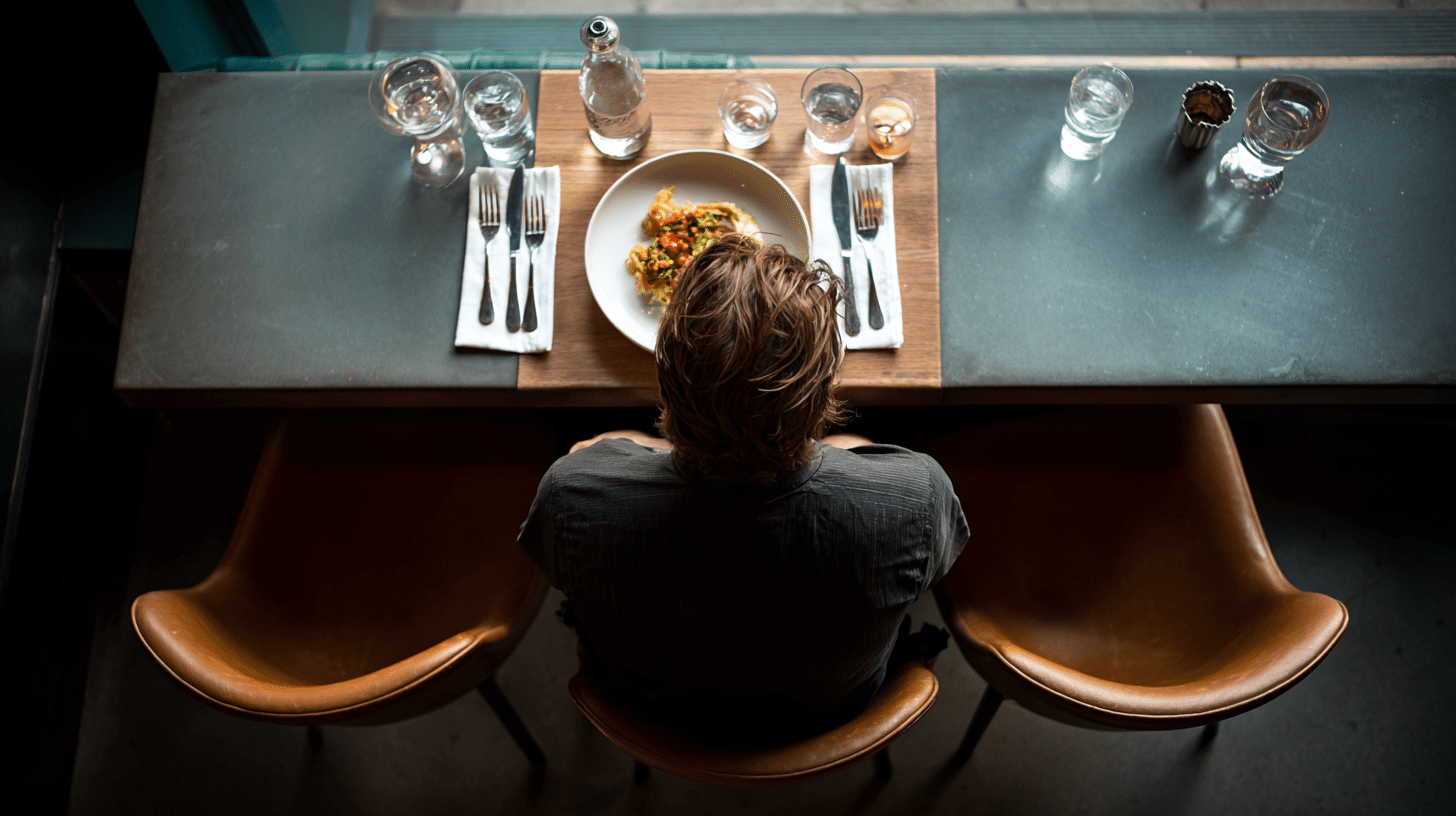
Solo dining and individual purchasing habits have also contributed to the popularity of single-item ordering. Many customers prefer smaller purchases that match their schedules and lifestyles.
Restaurants and cafés that cater to solo diners by offering individual portions often attract customers seeking convenience and simplicity.
How Biyo Helps Businesses Enable Single-Item Ordering
Businesses adopting modern ordering strategies need technology that supports speed, flexibility, and operational efficiency. Biyo POS provides a comprehensive point-of-sale platform designed to simplify order management and support streamlined purchasing models like single-item ordering.
The system enables businesses to process individual orders quickly while maintaining accurate itemized billing and real-time inventory tracking. Its intuitive interface allows staff to select items easily, reducing errors and improving service speed.
Businesses interested in improving their ordering systems can explore how the platform works by scheduling a consultation through the Schedule Call option. Companies ready to implement the system can also create an account through the Signup page and begin delivering faster, more efficient purchasing experiences.
FAQ
What is single-item ordering?
Single-item ordering is a purchasing method where customers select and purchase individual products or dishes rather than bundled combinations or packages.
Why is single-item ordering becoming popular?
Consumers increasingly prefer purchasing options that offer speed, convenience, and personalization. Single-item ordering allows customers to buy exactly what they want without unnecessary extras.
Can restaurants benefit from single-item ordering?
Yes. Restaurants can simplify order management, reduce preparation complexity, and improve service speed by allowing customers to order individual items.
How does technology support single-item ordering?
POS systems, mobile ordering platforms, and digital checkout tools help businesses process individual orders quickly while maintaining accurate billing and inventory records.
Is single-item ordering suitable for retail businesses?
Yes. Retail stores and e-commerce platforms can use single-item ordering to simplify purchasing decisions and highlight individual products more effectively.