Running a successful eatery in the Lone Star State requires more than great recipes and friendly service. Texas restaurants operate in a highly competitive market where speed, efficiency, and customer experience are critical to success. A modern Texas restaurant POS system helps bridge the gap between traditional hospitality and advanced technology by streamlining operations, improving order accuracy, and providing powerful insights that support business growth.
Restaurants across Texas—from bustling Dallas steakhouses to Austin food trucks and Houston Tex-Mex cafés—are increasingly adopting advanced point-of-sale systems to stay competitive. Industry studies show that restaurants using integrated POS platforms can improve order accuracy by over 30% and reduce service times significantly, leading to higher table turnover and increased revenue.
A Texas restaurant POS does far more than process payments. It acts as the operational hub of a restaurant, connecting front-of-house service, kitchen operations, inventory management, customer data, and financial reporting into one centralized system. By using real-time analytics and automation, restaurant owners can make better decisions while maintaining consistent service quality.
In this guide, we’ll explore how a Texas restaurant POS system transforms restaurant operations. From order management and customer experience to tax compliance and mobile food truck integration, understanding these capabilities will help you choose the right POS technology for your Texas restaurant.
Table of Contents
- Key Features of a Texas Restaurant POS
- Improving Restaurant Operations with POS
- Enhancing Customer Experience through POS
- Navigating Local Tax Compliance and Reporting
- Mobile POS and Food Truck Integration in Texas
- Why Choose Biyo POS for Your Texas Restaurant?
- Frequently Asked Questions
Key Features of a Texas Restaurant POS
Choosing the right Texas restaurant POS system requires understanding the features that support modern restaurant operations. A well-designed POS platform serves as the backbone of restaurant management, connecting orders, payments, inventory, and reporting into a unified workflow.
Texas restaurants operate in diverse environments—from busy urban dining rooms to outdoor patios and mobile food trucks. Because of this diversity, POS systems must provide flexibility while maintaining speed and reliability during peak service hours.
Modern POS platforms also integrate with cloud systems, mobile devices, and kitchen displays. These integrations allow restaurant owners to track performance metrics, monitor employee productivity, and adjust menus or pricing instantly.
When selecting a POS system, restaurant operators should prioritize tools that enhance operational efficiency while maintaining a smooth customer experience.
Order Management and Payment Processing
Order management sits at the center of every restaurant operation. A reliable Texas restaurant POS allows servers and staff to enter orders quickly while customizing items based on customer preferences.
For example, a guest at a Houston barbecue restaurant may request extra smoked brisket, substitute sides, or adjust spice levels in a Tex-Mex dish. A POS system ensures these modifications are accurately communicated to the kitchen, reducing mistakes and improving food consistency.
Integrated payment processing is equally important. Modern diners expect flexible payment options, including credit cards, mobile wallets, and contactless payments such as Apple Pay or Google Wallet. A POS system that supports multiple payment methods speeds up checkout and reduces waiting times during busy service hours.
Advanced payment features also support split bills, tip adjustments, and digital receipts. These capabilities simplify group dining experiences and improve customer satisfaction.
Menu Customization and Table Management
Menu customization is essential for restaurants serving diverse Texas cuisine. A flexible POS system allows operators to update menu items, adjust prices, and introduce seasonal specials without requiring technical expertise.
For instance, a San Antonio restaurant may introduce limited-time dishes featuring locally sourced ingredients like Gulf shrimp or Texas pecans. With a POS platform, these menu updates can be implemented instantly across all terminals.
Table management tools help hosts monitor seating arrangements, reservation schedules, and table turnover. In a busy Austin restaurant, staff can use the POS interface to track which tables are occupied, which orders are still open, and when tables will likely become available.
These capabilities help restaurants maximize seating capacity while maintaining efficient service flow.
Inventory Control and Sales Reporting
Inventory control plays a critical role in maintaining profitability for restaurants. A Texas restaurant POS tracks ingredient usage in real time, helping operators monitor stock levels and avoid shortages.
For example, a barbecue restaurant in Fort Worth may track brisket inventory carefully to ensure enough supply for peak weekend service. Real-time inventory alerts notify managers when stock levels fall below predetermined thresholds.
Sales reporting tools within the POS provide valuable business insights. Restaurant owners can analyze sales by menu item, employee performance, shift timing, or location. This data helps identify top-selling dishes and determine which items may need promotional support or menu adjustments.
These analytics empower restaurant operators to make informed decisions that improve both efficiency and profitability.

Improving Restaurant Operations with POS
A Texas restaurant POS system does more than process transactions—it becomes the operational command center of the restaurant. By integrating data from multiple areas of the business, the POS platform helps streamline workflows and improve management decisions.
Restaurants that implement advanced POS systems often experience improved operational efficiency, better labor management, and faster service speeds.
Employee Management and Real-Time Analytics
Managing staff schedules and performance is one of the most challenging aspects of running a restaurant. A POS system simplifies this process by tracking employee clock-ins, shift hours, and sales performance.
Managers can analyze performance data to determine which employees excel during peak hours and adjust schedules accordingly. For example, a restaurant in downtown Dallas may schedule its most experienced servers during busy weekend dinner service.
Real-time analytics also allow managers to monitor sales activity throughout the day. If unexpected customer demand arises, managers can adjust staffing levels quickly to maintain service quality.
Kitchen Display Systems and Order Accuracy
Communication between the dining room and kitchen is critical for maintaining service speed and accuracy. A POS system equipped with a kitchen display system (KDS) replaces traditional paper tickets with digital order screens.
Orders appear instantly on kitchen displays, including modifications or allergy notes entered by servers. This digital workflow reduces order errors and ensures kitchen staff receive clear instructions.
Restaurants using KDS technology often report improved order accuracy and faster preparation times, both of which enhance customer satisfaction.
Cloud-Based POS for Scalability and Reliability
Cloud-based POS systems provide significant advantages for Texas restaurants, particularly those operating multiple locations. Cloud technology allows managers to access operational data from anywhere through secure online dashboards.
For example, a restaurant group with locations in Austin, Houston, and Dallas can monitor sales, inventory, and employee performance across all venues from one centralized platform.
Cloud systems also provide automatic software updates and data backups, reducing maintenance requirements and ensuring restaurants always run the latest version of their POS software.
Enhancing Customer Experience through POS
Customer satisfaction is the foundation of every successful restaurant. A well-designed Texas restaurant POS system enhances the dining experience by reducing wait times, personalizing service, and providing convenient payment options.
Restaurants that leverage POS technology effectively can create memorable dining experiences that encourage repeat visits.
Customer Tracking and Loyalty Programs
POS systems often include customer relationship management tools that track purchasing behavior and preferences. Restaurants can store customer profiles containing order histories and favorite menu items.
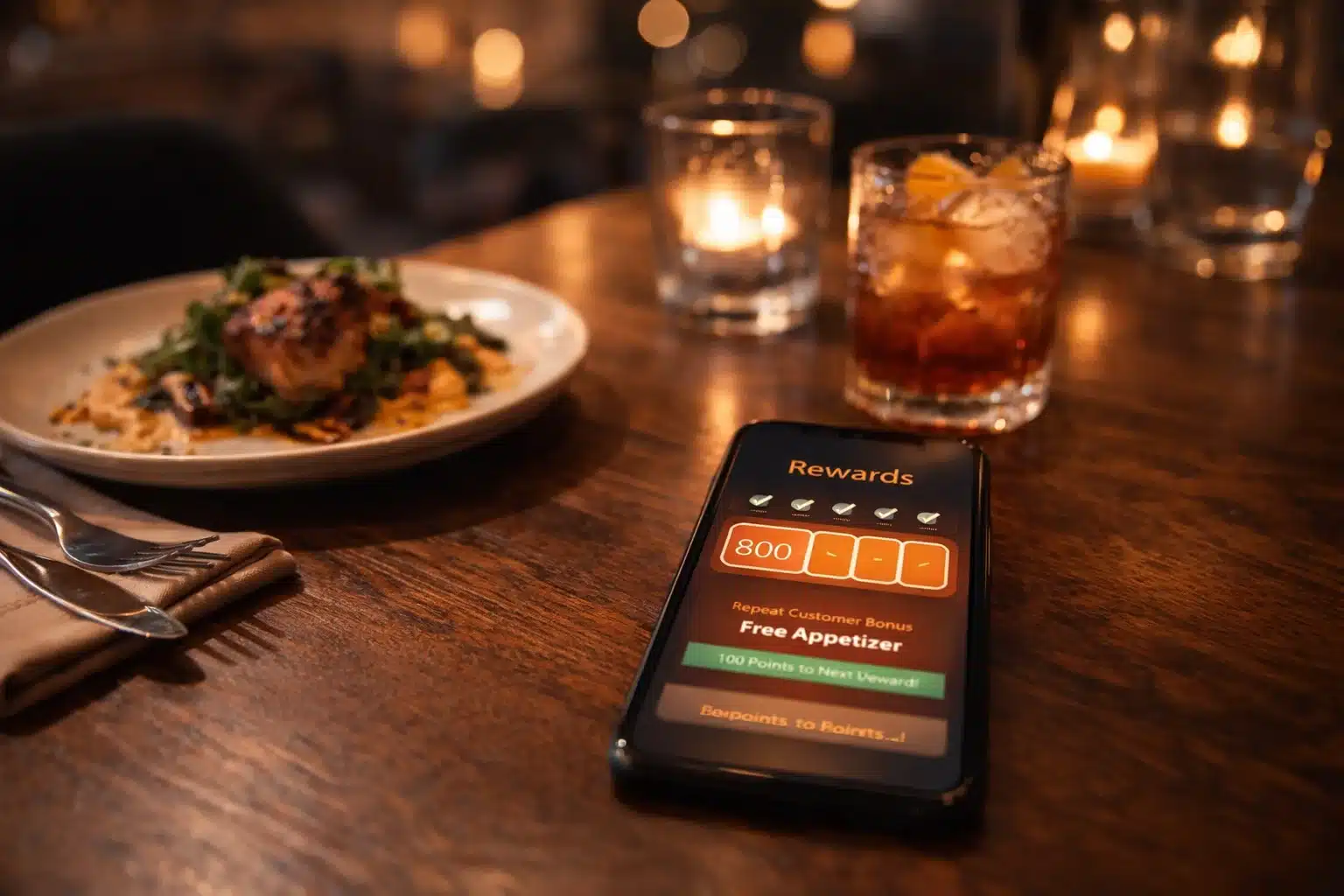
Using this data, restaurants can launch targeted loyalty programs that reward frequent diners. For example, a Houston Tex-Mex restaurant may offer loyalty points that customers redeem for free appetizers or desserts.
These loyalty programs encourage repeat visits and strengthen relationships between restaurants and their customers.
Contactless Payment and Mobile POS
Contactless payments have become increasingly popular among restaurant customers. A POS system that supports mobile wallets and tap-to-pay cards allows diners to complete transactions quickly and securely.
Mobile POS devices also allow servers to take orders and process payments directly at the table. This approach reduces congestion at payment terminals and speeds up service.
For example, a food truck at a Texas music festival can process dozens of transactions quickly using mobile POS devices.
Menu Customization for Texas Cuisine
Texas cuisine is famous for its variety, including barbecue, Tex-Mex, Southern comfort food, and Gulf seafood. POS systems that support menu customization allow restaurants to showcase these unique culinary offerings effectively.
Restaurants can add modifiers such as spice levels, dietary options, or ingredient substitutions to accommodate customer preferences. This flexibility helps restaurants deliver personalized dining experiences while maintaining operational efficiency.
Navigating Local Tax Compliance and Reporting
Tax compliance can be complex for Texas restaurants because sales tax rates vary by city and county. A Texas restaurant POS simplifies this process by automating tax calculations and reporting.
Automated Local Tax Calculations
POS systems automatically apply the correct state and local tax rates based on the restaurant’s location. This ensures customers are charged accurately and helps restaurants avoid costly accounting errors.
Comprehensive Sales Reporting for Compliance
Detailed sales reports generated by the POS system make it easier for restaurant owners to prepare financial statements and tax filings.
Reports can categorize taxable and non-taxable sales while tracking revenue by payment method or time period.
Support for Texas-Specific Regulatory Updates
POS providers often release updates to reflect changes in tax regulations or reporting requirements. This ensures that restaurants remain compliant without needing manual adjustments.
For instance, a modern POS system automatically updates tax settings when regulations change.
Mobile POS and Food Truck Integration in Texas
Texas has one of the most vibrant food truck cultures in the United States. From Austin food truck parks to Houston street festivals, mobile dining businesses rely heavily on POS technology.
Mobile POS for On-the-Go Sales
Mobile POS devices allow food truck operators to process orders, accept payments, and manage inventory using tablets or smartphones.
This mobility ensures vendors can operate efficiently in crowded outdoor environments.
Seamless Integration with Food Truck Operations
Food truck operators benefit from POS systems that integrate order management, kitchen displays, and inventory tracking into a single platform.
These features help small mobile kitchens operate with the same efficiency as larger restaurants.
Cloud-Based Data Sync Across Multiple Locations
For entrepreneurs managing several food trucks or expanding into permanent restaurant locations, cloud-based POS systems allow centralized management of sales and inventory across all sites.

Why Choose Biyo POS for Your Texas Restaurant?
Restaurants across Texas need reliable technology to keep operations efficient while delivering exceptional customer experiences. Platforms like Biyo POS help restaurant operators manage orders, inventory, and staff while gaining real-time insights into sales performance.
Biyo POS provides tools that support menu customization, mobile ordering, inventory tracking, and detailed reporting. These capabilities help restaurant owners adapt quickly to customer demand and maintain efficient operations.
Food trucks, casual dining establishments, and multi-location restaurant groups can all benefit from integrated POS technology. Businesses interested in modernizing their operations can explore the platform and begin optimizing their workflow by creating an account through the Biyo POS system.
Frequently Asked Questions
What is a Texas restaurant POS system?
A Texas restaurant POS system is a point-of-sale platform designed to help restaurants manage orders, payments, inventory, and reporting while complying with Texas tax regulations.
How does a POS system improve restaurant operations?
A POS system streamlines restaurant operations by automating order processing, tracking inventory, managing staff schedules, and providing real-time analytics.
Can a POS system handle Texas sales tax automatically?
Yes, modern POS systems automatically apply the correct state and local sales tax rates based on the restaurant’s location, simplifying tax compliance.
Is mobile POS useful for Texas food trucks?
Mobile POS systems are essential for food trucks because they allow operators to take orders and process payments anywhere using tablets or smartphones.
What features should I look for in a POS for Texas eateries?
Important features include order management, payment processing, menu customization, inventory tracking, cloud reporting, loyalty programs, mobile POS capability, and automated tax compliance.