The restaurant industry has changed dramatically over the last decade. Customers no longer expect menus to function as simple lists of food items and prices. Modern diners increasingly look for personalization, ingredient transparency, dietary flexibility, mobile accessibility, and faster ordering experiences.
As customer expectations evolve, restaurants are adapting through more flexible and interactive menu systems.
One of the most important developments in this shift is the rise of the open menu format.
An open menu format allows restaurants to move beyond rigid static menu structures by introducing customizable ordering, modular menu layouts, real-time updates, and interactive digital experiences.
Instead of forcing customers into fixed meal combinations, open menu systems encourage diners to personalize meals according to preferences, dietary restrictions, and ingredient choices.
This flexibility improves both customer satisfaction and operational agility.
Restaurants can update menus instantly, respond to inventory changes faster, highlight seasonal offerings, and create more engaging ordering experiences without constantly redesigning or reprinting traditional menus.
For modern restaurants, cafés, quick-service operations, and hospitality businesses, open menu formats are becoming increasingly valuable because they combine personalization, efficiency, and technology into one customer-focused system.
This guide explores how open menu formats work, why they are becoming more popular, how dynamic menu systems improve customer experience, and how digital restaurant technology supports real-time menu management.
Table of Contents
- Understanding the Open Menu Format
- Benefits of Dynamic and Customizable Menus
- Design Principles Behind Flexible Menu Systems
- How Open Menu Formats Improve Customer Experience
- Using Technology for Real-Time Menu Updates
- The Future of Digital Restaurant Menus
- How Biyo POS Supports Open Menu Management
- Frequently Asked Questions
Understanding the Open Menu Format
An open menu format is a flexible approach to menu organization that allows restaurants to present menu items dynamically instead of relying on rigid static layouts.
Traditional menus often limit customer interaction to selecting pre-configured dishes with minimal customization. Open menu systems, on the other hand, encourage personalization by allowing customers to modify meals, choose ingredients, adjust portion preferences, and build meals around individual dietary needs.
The structure itself is usually modular.
Instead of presenting one long static menu, open menu formats divide offerings into adaptable sections that can change based on availability, promotions, seasonality, or customer interaction.
For example, a restaurant may create separate interactive sections for:
- Build-your-own meals
- Seasonal specials
- Dietary-friendly options
- Limited-time promotions
- Ingredient substitutions
- Custom add-ons
This structure creates a more flexible dining experience while giving restaurants stronger control over how menu items are presented and updated.
Ingredient transparency is another major feature of open menu systems.
Customers increasingly want visibility into sourcing, allergens, nutritional information, and dietary compatibility before placing orders. Open menu formats make this information easier to display clearly without overcrowding the overall menu layout.
Digital technology has accelerated the popularity of this approach considerably.
Restaurants can now update menus instantly through tablets, QR code menus, mobile ordering systems, or cloud-connected POS platforms instead of relying entirely on printed materials.
Benefits of Dynamic and Customizable Menus
Restaurants adopting open menu formats often improve both operational flexibility and customer engagement.
The ability to personalize meals has become especially important as dietary preferences grow more diverse.
Greater Customer Personalization
Modern diners increasingly expect customization.
Customers may want gluten-free substitutions, dairy-free alternatives, low-sodium options, vegan modifications, or ingredient adjustments that match their personal preferences.
Open menu systems support these requests more naturally by integrating customization directly into the ordering experience.
Instead of requiring customers to make multiple verbal modifications manually, the menu itself guides the personalization process.
For example, a restaurant may allow diners to:
- Select protein options
- Swap ingredients
- Choose preparation styles
- Add premium toppings
- Filter allergen-sensitive items
This level of flexibility creates a more interactive and satisfying dining experience.
Improved Operational Flexibility
Dynamic menus also help restaurants manage inventory and menu changes more efficiently.
If ingredients become unavailable or inventory changes unexpectedly, restaurants can update menus instantly without confusing staff or disappointing customers.
This reduces operational friction significantly.
For example, if a seafood item sells out during dinner service, the restaurant can remove it from digital menus immediately rather than forcing servers to explain shortages repeatedly throughout the evening.
Seasonal menu updates become easier as well.
Restaurants can introduce limited-time promotions or regional specialties quickly without redesigning entire printed menus.
Stronger Menu Innovation
Open menu formats encourage experimentation.
Because restaurants can adjust menu sections dynamically, chefs gain greater flexibility to test new dishes, limited-time offers, or rotating seasonal features.
This supports creativity while helping businesses respond more quickly to customer trends and purchasing behavior.
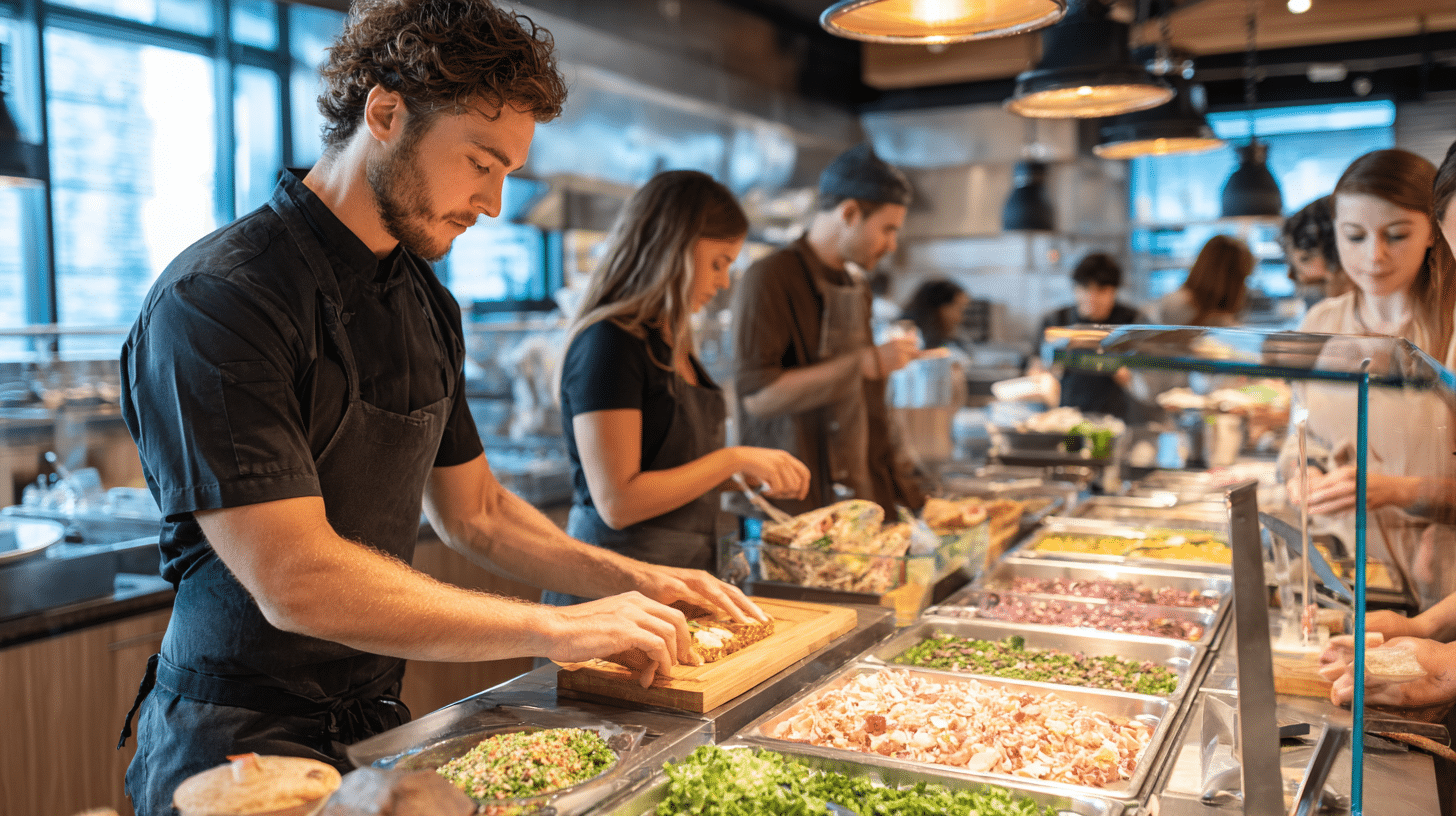
Design Principles Behind Flexible Menu Systems
Successful open menu formats depend heavily on thoughtful design and usability.
Flexibility alone is not enough if menus become confusing or overwhelming for customers.
Modular Menu Organization
Breaking menus into clear sections improves navigation considerably.
Restaurants often organize digital menus using modules dedicated to:
- Appetizers
- Main dishes
- Beverages
- Dietary categories
- Customization tools
- Seasonal features
This modular structure keeps menus organized while making it easier for customers to explore options logically.
It also simplifies operational updates because restaurants can modify specific sections independently without affecting the entire menu structure.
Responsive Multi-Device Design
Modern restaurant menus increasingly operate across smartphones, tablets, kiosks, and desktop systems.
Responsive design ensures menus remain readable and functional across all screen sizes.
Customers should be able to browse menus comfortably whether scanning a QR code at the table or ordering remotely through a mobile device.
Easy navigation becomes critical in these environments.
Menus overloaded with excessive complexity often reduce conversion rates and create ordering frustration.
Interactive Ordering Features
Interactive menu elements improve engagement significantly.
Many open menu systems now support:
- Real-time customization previews
- Ingredient filtering
- Allergen visibility
- Nutritional information
- Build-your-own meal builders
- Automatic pricing adjustments
These tools simplify ordering while encouraging customers to explore additional menu options and upgrades.
How Open Menu Formats Improve Customer Experience
Customer experience sits at the center of modern restaurant technology strategy.
Open menu formats improve the dining process by making menus more transparent, interactive, and adaptable to individual preferences.
Ingredient Transparency and Dietary Awareness
Many customers now actively evaluate ingredients before ordering.
Open menu systems make it easier for restaurants to provide detailed information about:
- Allergens
- Nutritional content
- Organic ingredients
- Plant-based options
- Gluten-free compatibility
- Locally sourced products
This transparency helps customers make more informed choices while building trust between diners and restaurants.
For customers with dietary restrictions, clear ingredient visibility is often essential rather than optional.
Real-Time Availability Updates
Static menus frequently create frustration when listed items are no longer available.
Open menu formats reduce this issue through real-time synchronization between inventory systems and digital menus.
When products sell out, menus update immediately.
This improves communication while reducing ordering mistakes and customer disappointment.
Faster and More Personalized Ordering
Interactive customization tools speed up ordering by guiding customers through available options clearly.
Instead of explaining modifications verbally to staff, customers can personalize orders directly within the menu interface.
This improves order accuracy while reducing communication errors between front-of-house staff and kitchen teams.
Restaurants also benefit because smoother ordering experiences often increase average order value through add-ons, upgrades, and guided recommendations.
Using Technology for Real-Time Menu Updates
Technology plays a central role in making open menu formats practical at scale.
Without digital infrastructure, maintaining real-time flexibility would be extremely difficult operationally.
POS Integration and Inventory Synchronization
Modern restaurant POS systems help synchronize inventory levels directly with digital menu displays.
When an order is placed, inventory updates automatically. If stock becomes unavailable, the menu reflects the change immediately.
This synchronization reduces operational mistakes while improving inventory visibility.
Restaurants operating across multiple locations benefit even more because centralized menu management ensures consistency across branches.
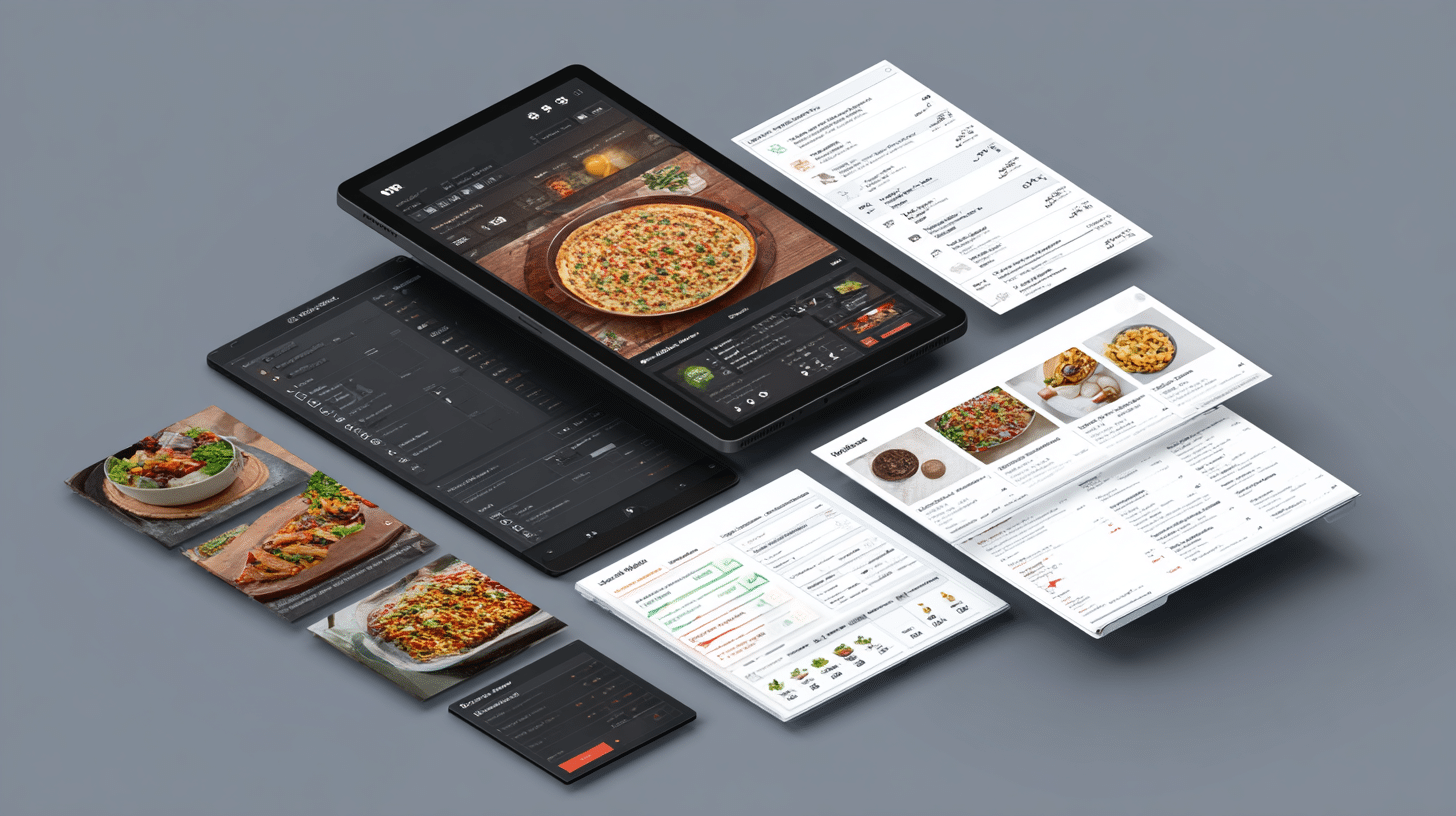
Digital Menu Platforms
QR code menus, tablets, self-service kiosks, and mobile ordering apps have accelerated adoption of open menu systems.
Digital platforms allow restaurants to:
- Update prices instantly
- Add promotions quickly
- Highlight featured dishes
- Modify menu sections dynamically
- Adjust availability in real time
This level of flexibility would be difficult and expensive with traditional printed menus.
Data-Driven Menu Optimization
Digital systems also generate valuable operational insights.
Restaurants can analyze:
- Popular customizations
- Most-viewed dishes
- Conversion rates
- Customer preferences
- Seasonal purchasing behavior
These analytics help restaurants optimize menus continuously based on real customer behavior instead of assumptions.
The Future of Digital Restaurant Menus
Restaurant menus will likely become even more interactive and personalized as hospitality technology continues evolving.
Artificial intelligence, predictive analytics, and customer personalization tools are already influencing how restaurants present menu options and promotions.
Future open menu systems may increasingly support:
- AI-powered recommendations
- Personalized menu suggestions
- Dynamic pricing models
- Voice-assisted ordering
- Integrated loyalty personalization
- Advanced dietary filtering
Restaurants that adopt flexible menu infrastructure early will likely maintain stronger adaptability as customer expectations continue changing.
The shift toward digital and customizable dining experiences is no longer limited to large restaurant chains. Independent restaurants, cafés, and hospitality businesses increasingly rely on these systems to improve efficiency and customer engagement.
How Biyo POS Supports Open Menu Management
Biyo POS helps restaurants manage dynamic menu operations through integrated cloud-based restaurant technology.
The platform supports:
- Real-time menu updates
- POS and inventory synchronization
- Customizable menu layouts
- Digital ordering workflows
- Ingredient visibility
- Customer personalization tools
- Operational reporting analytics
Biyo POS helps restaurants simplify menu management while improving ordering accuracy and operational flexibility.
Whether operating a café, quick-service restaurant, full-service dining operation, or multi-location hospitality business, restaurants can use Biyo POS to modernize customer experiences through more adaptive menu systems.
If you want to improve restaurant operations and simplify digital menu management, you can schedule a demo or create an account to explore how Biyo POS supports modern hospitality businesses.
Frequently Asked Questions
What is an open menu format?
An open menu format is a flexible menu structure that allows restaurants to offer customizable options, dynamic updates, and interactive customer experiences.
Why are open menu formats becoming popular?
Restaurants increasingly use open menu systems because customers expect personalization, dietary transparency, digital accessibility, and real-time menu flexibility.
How do dynamic menus improve restaurant operations?
Dynamic menus allow restaurants to update availability, pricing, promotions, and inventory instantly while reducing operational errors and improving customer communication.
Can open menu formats support dietary restrictions?
Yes. Open menu systems often include allergen visibility, ingredient transparency, and customizable meal options that support dietary preferences and restrictions.
What technology supports open menu formats?
Open menu systems commonly rely on digital menus, POS integration, inventory synchronization, mobile ordering platforms, and cloud-based restaurant software.
How does Biyo POS help restaurants manage open menus?
Biyo POS helps restaurants manage dynamic menus, real-time updates, inventory synchronization, and customizable ordering workflows through integrated cloud-based restaurant technology.