In the competitive world of foodservice, dish-by-dish pricing has emerged as a game-changing approach to menu strategy. This pricing model focuses on setting individual costs for each item, allowing businesses to offer customizable orders and detailed billing that meet customer demands for transparency and choice. By breaking down the overall menu into itemized pricing, restaurants, caterers, and foodservice providers can optimize profit margins while giving diners the freedom to select exactly what they want without confusion. Whether through à la carte options or portion pricing, dish-by-dish pricing opens doors to flexible billing and better cost control.
Table of Contents
- Understanding Dish-by-Dish Pricing
- Advantages of Itemized Menu Pricing
- Strategies for Implementing Dish-by-Dish Pricing
- Impact on Profit Margins and Cost Control
- Leveraging Technology for Dish-by-Dish Pricing
- About Biyo POS
- FAQ
Understanding Dish-by-Dish Pricing
Dish-by-dish pricing involves setting prices on a per-item basis rather than bundling items together. This means each dish or menu item has an individual cost that reflects its portion size, ingredients, and preparation complexity. It is often contrasted with set menus or combo meals where several items are sold together at a single price. By embracing dish-by-dish pricing, food businesses can create an itemized menu that clearly communicates costs to customers and supports meal customization.
The Concept of Individual Costs
At the heart of dish-by-dish pricing lies the idea of assigning a specific cost to each dish on the menu. This pricing reflects not only the raw materials needed—like fresh vegetables, meats, and spices—but also labor and overhead expenses involved in preparing each item. For example, a dish such as grilled salmon with asparagus will carry a higher individual cost compared to a simple side salad, because the ingredients and preparation time differ significantly. By breaking down these components, restaurants gain clarity on how much each dish truly costs to produce.
Consider a restaurant that sells a gourmet burger. The bun, beef patty, cheese, and toppings each add to the cost, but so do kitchen labor and utilities. Assigning a price to the burger that accounts for all these factors ensures the business does not sell below cost and maintains profitability. This clarity benefits both the restaurant and the customer—patrons understand exactly what they’re paying for, and the restaurant can price dishes fairly based on actual expenses.
Moreover, dish-by-dish pricing supports meal customization, allowing customers to add or remove ingredients with clear pricing. For example, if a diner wants to add avocado to their burger or remove the cheese, the menu can reflect these changes with adjusted prices. This flexibility enhances customer satisfaction and empowers diners to tailor meals to their preferences and dietary needs, reinforcing trust through transparency.
Difference Between Dish-by-Dish Pricing and Traditional Pricing Models
Traditional menu pricing often bundles several items into set meals or combo offers. While this approach simplifies ordering and can be attractive to customers seeking convenience, it hides individual item costs. For instance, a combo meal including a burger, fries, and drink might be priced at a flat rate that doesn’t reflect the cost fluctuations of each component. This bundling can sometimes obscure value or lead to perceived overcharging.
In contrast, dish-by-dish pricing presents each item’s cost clearly and separately. This means a customer ordering fries only pays for that item, not a bundled set. This method respects customer choice by allowing them to decide exactly what they want without paying for extras they may not want or need.
From the restaurant’s perspective, dish-by-dish pricing facilitates price optimization. By analyzing sales data for each item, managers can identify which dishes perform well and which do not. This insight supports targeted adjustments—raising prices on popular, high-cost dishes or offering promotions on slower-moving items. This granular control contrasts with the “one-size-fits-all” approach of traditional pricing models.
Role of Cost Transparency in Dish-by-Dish Pricing
Cost transparency is a major driver behind the rise of dish-by-dish pricing. In an era where consumers seek honesty and clarity, openly displaying the price of each dish builds trust. Diners appreciate knowing exactly what they pay for, and this openness can reduce disputes at checkout or confusion about bill totals.
Restaurants adopting this model often include detailed menus or digital displays showing each dish’s price and possible add-ons. For example, a digital menu at a café might list a latte at $4.50, with an option to add almond milk for $0.50. This itemized approach enables customers to understand incremental costs clearly and decide accordingly.
Furthermore, transparency can help promote healthier eating habits. Customers who see the price per serving may opt for smaller portions or select fewer calorie-dense items. This level of control aligns with modern preferences for meal customization and supports the restaurant’s reputation as customer-centric and fair.
Advantages of Itemized Menu Pricing
Itemized menu pricing, synonymous with dish-by-dish pricing, offers numerous benefits for both customers and food businesses. By allowing each dish to carry its own price tag, restaurants create a system that is flexible, transparent, and financially efficient.
Enhancing Customer Choice Through Customizable Orders
When customers can see and select the price for each dish or ingredient, they gain more control over their dining experience. For instance, a restaurant offering a build-your-own pizza menu with itemized pricing for crust, sauce, cheese, and toppings empowers guests to personalize meals to exact tastes and budgets. A diner who prefers a light pizza with just tomato sauce and mozzarella pays only for those items, while someone craving extra toppings pays accordingly.
This approach avoids forcing customers into fixed meal sets that may not meet their dietary needs or appetite. It also encourages experimentation—guests may try new ingredients or dishes they would not order as part of a fixed menu. Consequently, itemized pricing can increase overall satisfaction and customer loyalty, as diners feel heard and valued.
From a practical standpoint, customizable orders reduce food waste. When customers order only what they want, leftovers decrease, and kitchens can better manage inventory. For example, a customer opting out of fries in favor of a salad saves resources and enhances sustainability, a growing concern among diners worldwide.
Improved Cost Control and Pricing Models
Dish-by-dish pricing helps restaurants keep a close eye on costs and pricing structures. By pricing each menu item individually, managers can analyze ingredient costs, labor, and overhead for every dish and adjust prices to maintain profitability. This detailed insight supports various pricing models, from premium pricing on specialty dishes to value pricing on simple sides.
For example, a steakhouse may price a filet mignon higher than a sirloin due to cut quality and preparation time. If market conditions change—such as rising beef prices—the restaurant can increase filet mignon’s price without altering other menu items, keeping the menu balanced.
This fine-tuned control also helps with seasonal menu changes. Ingredients like fresh berries or asparagus vary in cost throughout the year, and dish-by-dish pricing allows timely price adjustments that reflect these fluctuations without disrupting the entire menu.
Flexible Billing That Fits Various Dining Formats
Flexible billing is essential in today’s diverse foodservice landscape, and dish-by-dish pricing supports it perfectly. Whether in full-service restaurants, fast-casual outlets, or catering operations, itemized pricing adapts seamlessly.
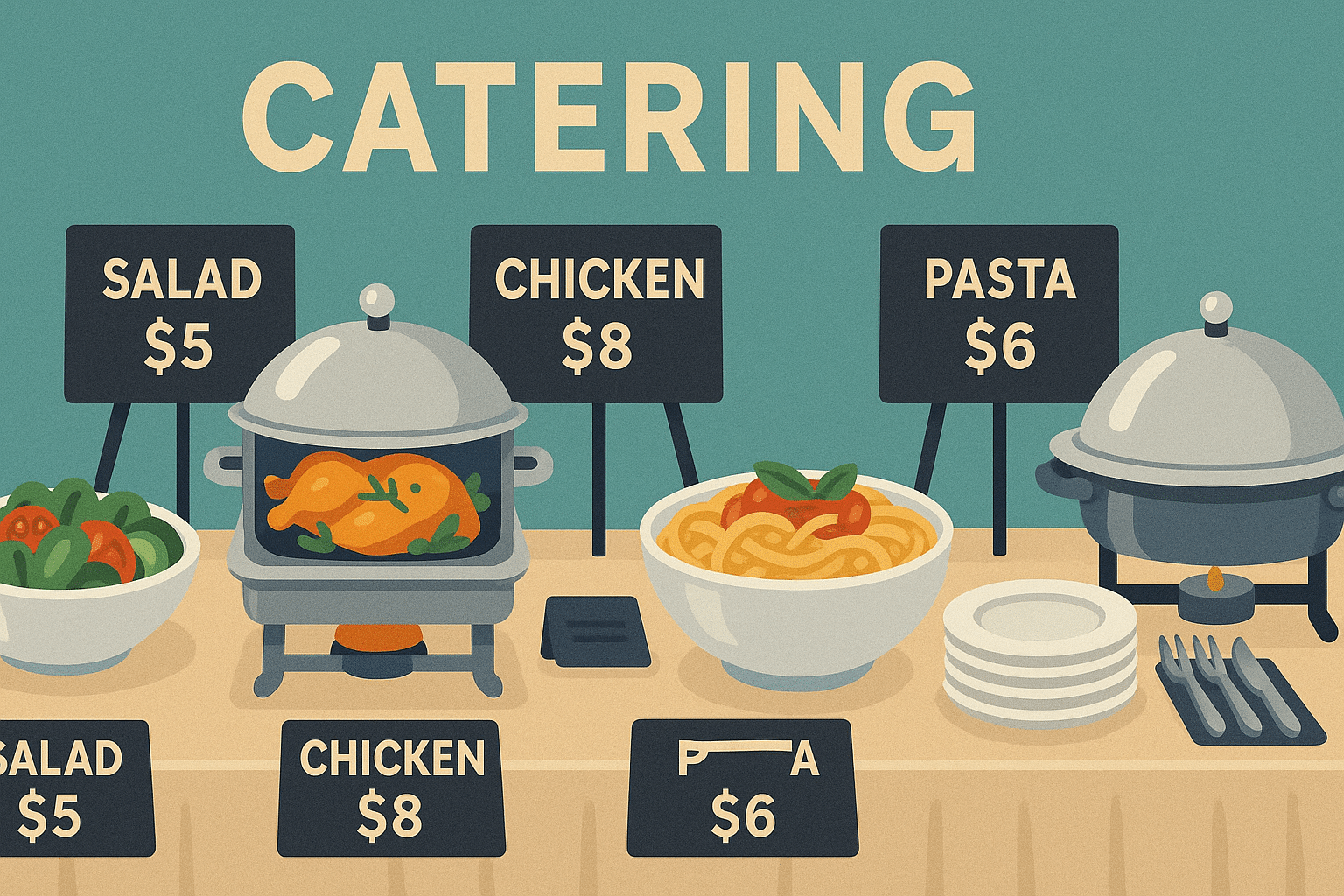
Catering businesses, for example, benefit from quoting clients based on the precise number of servings for each dish. They can offer à la carte options where customers choose exactly which dishes and how many portions they want, with clear pricing per item. This avoids confusion and ensures clients pay only for what they select.
Restaurants with dine-in and takeout services can use flexible billing to accommodate special requests or portion modifications. A customer ordering a half-portion of pasta may pay a reduced price, accurately reflecting the smaller serving size. This approach encourages customers to try different dishes without financial risk and increases overall order variety.
Strategies for Implementing Dish-by-Dish Pricing
Moving to dish-by-dish pricing requires deliberate planning, especially regarding menu design and communication. Clear strategies help businesses introduce this model smoothly while maximizing its benefits.
Menu Segmentation and Price Per Serving
Effective menu segmentation is vital when adopting dish-by-dish pricing. Breaking down the menu into logical categories—such as appetizers, mains, sides, desserts, and beverages—helps customers navigate choices easily and understand pricing structures. For instance, grouping all add-ons and extras separately with their prices prevents confusion and highlights customization options.
Price per serving is an essential concept here. Calculating the exact cost of each dish portion ensures prices are fair and profitable. For example, a chicken breast dish should be priced based on the weight of the meat, accompanying sides, and preparation time. Restaurants can use kitchen scales and recipe costing tools to ensure accuracy.
Implementing price per serving also enables portion control, which is critical for maintaining consistent quality and managing food costs. When portions are standardized and priced accordingly, kitchens can reduce waste and streamline preparation. For example, offering half and full portions at scaled prices can attract different customer segments without sacrificing profitability.
Clear Communication of Single-Item Charges
Transparent communication is key to customer acceptance of dish-by-dish pricing. Menus should clearly display prices for each item and optional add-ons, ideally with descriptions of portion sizes and ingredients. For example, a menu might list “Caesar Salad – $8” and “Add Grilled Chicken – $3,” making it easy for customers to understand charges.
Digital menus or apps enhance this transparency by allowing customers to customize orders visually and see real-time price updates. This instant feedback builds trust and reduces billing disputes. Staff training is equally important—servers should be able to explain pricing structures and help customers navigate customization options confidently.
Additionally, providing printed or emailed receipts with detailed itemized bills reinforces transparency. Customers can review charges line by line, further enhancing satisfaction and trust in the restaurant’s pricing fairness.
Incorporating Flexible Pricing Models
Dish-by-dish pricing works best when combined with flexible pricing models that suit different customer needs. À la carte menus, portion pricing, and combo meals with customizable add-ons are all strategies that complement this approach.
For example, a lunch special might include a main dish and side for a fixed price, but customers can add extra sides or premium toppings for single-item charges. This hybrid model provides convenience without sacrificing customization.
Restaurants can also use promotions strategically—such as discounted prices on individual dishes during off-peak hours—to attract customers and manage demand. These flexible pricing tactics help businesses stay competitive while maximizing revenue opportunities.
Impact on Profit Margins and Cost Control
Adopting dish-by-dish pricing allows restaurants to better manage profit margins and control costs through detailed analysis and targeted adjustments.
Optimizing Profit Margins with Detailed Billing
Detailed billing reveals the profitability of each dish. By examining sales and cost data for individual menu items, restaurants can identify their most lucrative offerings and those that require reevaluation. For example, if a side dish consistently sells at low margins, the restaurant may increase its price slightly or replace it with a more cost-effective alternative.
This granular insight enables smarter menu strategy. Restaurants can feature high-margin dishes prominently or bundle them with slower sellers to boost overall profitability. Sales data combined with detailed billing also helps forecast revenue and plan inventory purchases accurately.
Moreover, restaurants can leverage customer feedback linked to specific dishes to fine-tune recipes or presentation, enhancing value perception and justifying prices.
Cost Control Through Portion Pricing
Portion pricing is a cornerstone of effective cost control under dish-by-dish pricing. Charging based on serving size ensures that food costs align with revenue. For example, a restaurant offering half- and full-sized pasta portions can set prices that reflect the actual ingredient quantities, reducing waste and increasing customer satisfaction.
Portion pricing also helps in inventory management. By knowing exactly how much of each ingredient is used per serving, restaurants can better predict purchasing needs and avoid overstocking or shortages. This level of precision cuts down spoilage, saves money, and supports sustainability efforts.
In addition, portion pricing allows for menu innovation. Chefs can introduce tasting menus or small plates priced per serving, attracting customers interested in sampling multiple dishes without committing to large portions. This approach enhances the dining experience while maintaining cost discipline.
Managing Pricing Food Items in a Competitive Market
The foodservice market is highly competitive, and pricing food items effectively is essential to attract and retain customers. Dish-by-dish pricing provides the agility needed to respond quickly to market trends, ingredient cost changes, and customer preferences.
For instance, if the price of imported cheese spikes, a restaurant can adjust the price of dishes featuring that cheese without overhauling the entire menu. Similarly, new seasonal dishes can be introduced with tailored prices to test market response and profitability.
This pricing flexibility helps maintain competitiveness by balancing value with cost. Restaurants that can clearly communicate the rationale behind prices also build stronger customer relationships, encouraging repeat business and positive reviews.
Leveraging Technology for Dish-by-Dish Pricing
Modern technology plays a pivotal role in efficiently managing dish-by-dish pricing. From advanced POS systems to inventory management tools, technology simplifies complex pricing and billing processes.
POS Systems That Support Itemized Pricing
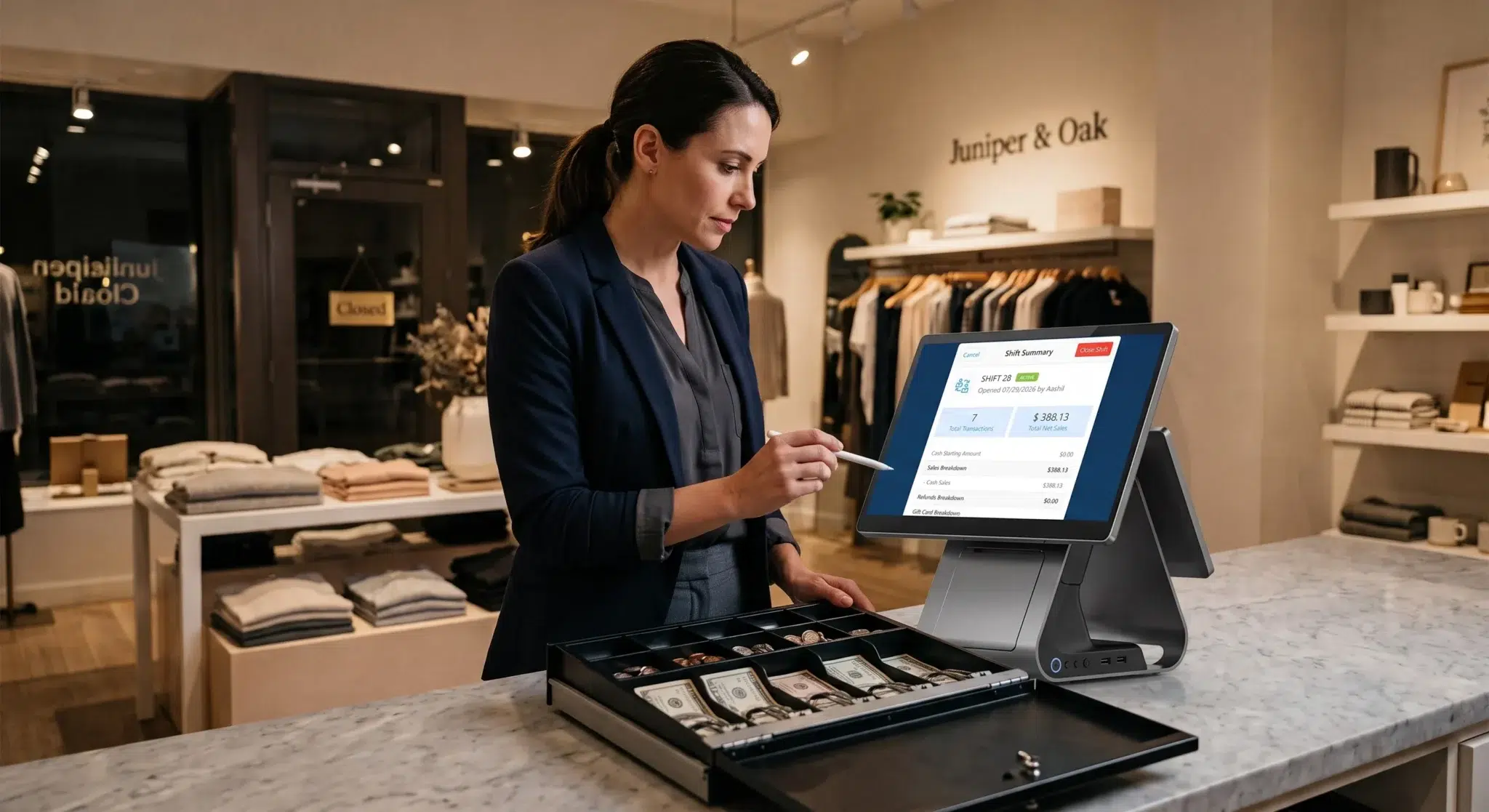
Point of sale (POS) systems like Biyo POS are designed to handle itemized menu pricing seamlessly. They allow restaurants to assign prices to each dish and modifiers, process customizable orders, and generate detailed receipts that reflect individual costs. This functionality reduces human error and speeds up the checkout process.
For example, when a customer adds extra toppings or requests half-portions, the POS system calculates the correct price automatically and updates inventory accordingly. Real-time sales reports provide managers with insights into dish popularity and revenue, supporting data-driven pricing decisions.
Furthermore, integrated POS systems can link with digital ordering platforms, enabling customers to see up-to-date prices and customize their orders online. This integration enhances customer experience and operational efficiency simultaneously.
Inventory and Cost Management Integration
Linking inventory management with dish-by-dish pricing is crucial for precise cost control. Software solutions track ingredient usage based on orders, alert managers to low stock, and monitor cost fluctuations. This integration helps maintain accurate food cost percentages for each dish.
For example, when a surge in orders for a particular dish occurs, the system can forecast ingredient depletion and prompt timely reordering. This prevents shortages and ensures menu items remain available without disruption.
By maintaining visibility into inventory and costs, restaurants can quickly adjust prices to reflect market changes, avoiding profit erosion. Such control is invaluable in industries where food prices often fluctuate unpredictably.
Digital Menus and Customer Interaction
Digital menus equipped with itemized pricing enhance the customer ordering experience by providing clear, interactive information. Diners can explore each dish’s price, ingredients, and customization options with ease. For example, a tablet menu at a restaurant may allow customers to build a salad by selecting base greens, proteins, dressings, and toppings, each priced separately.
This interactivity reduces ordering errors and empowers customers to make choices aligned with their preferences and budgets. It also opens opportunities for upselling, such as suggesting premium add-ons or larger portions at a transparent cost.
Digital menus can also collect data on customer preferences, helping restaurants refine their offerings and pricing models over time. This synergy between technology and dish-by-dish pricing fosters a dynamic, customer-focused dining environment.
About Biyo POS
Biyo POS is a cutting-edge point of sale system designed for the modern foodservice industry. It offers robust support for dish-by-dish pricing with features like itemized menu pricing, flexible billing options, and real-time inventory tracking. With Biyo POS, restaurants and caterers can easily manage individual costs, customize orders, and optimize profit margins. Its user-friendly interface and detailed billing capabilities enhance customer choice and streamline operations, making it the perfect partner for businesses aiming to implement advanced menu strategies and cost control.
FAQ
What is dish-by-dish pricing?
Dish-by-dish pricing is a menu pricing strategy where each dish or item is priced individually, allowing customers to select and pay for specific menu items separately rather than as part of a set meal or combo.
How does dish-by-dish pricing benefit customers?
This pricing model offers greater customization, transparency, and flexibility, letting customers choose exactly what they want without paying for unwanted items or bundled packages.
Can dish-by-dish pricing improve restaurant profits?
Yes, by enabling detailed billing and cost control, restaurants can optimize prices for each dish, manage food costs better, and focus on promoting high-margin items to boost profitability.
What role does technology play in dish-by-dish pricing?
Technology, especially advanced POS systems like Biyo POS, helps manage itemized pricing, track inventory, and generate detailed bills, simplifying operations and supporting flexible menu strategies.
Is dish-by-dish pricing suitable for all types of food businesses?
While highly effective for many, especially casual dining and catering, the model may need adjustment for fast food or highly standardized menus, depending on customer preferences and operational complexity.