
Opening a restaurant in West Virginia can be an exciting and rewarding venture, but success requires much more than serving great food. Restaurant owners must navigate business licensing, health regulations, supplier relationships, staffing challenges, and competitive market conditions while also creating a memorable dining experience for customers.
Whether you are opening a small café in a rural Appalachian town, launching a food truck near a university campus, or building a full-service restaurant in Charleston or Morgantown, careful planning plays a critical role in long-term profitability.
The West Virginia hospitality industry continues evolving as customer expectations shift toward better dining experiences, faster service, local sourcing, online ordering, and modern payment technology. Restaurant operators who combine hospitality with operational efficiency are better positioned to succeed in today’s competitive food service environment.
This guide explores everything you need to know about opening a restaurant in West Virginia, including market research, legal requirements, restaurant design, supplier management, marketing strategy, staffing, and technology integration.
Table of Contents
- Planning and Research for Your WV Restaurant
- Legal Requirements and Permits in West Virginia
- Location Scouting and Restaurant Design
- Operations, Supplier Connections, and Equipment Purchasing
- Marketing Strategy and Community Engagement
- Financial Planning and Restaurant Budgeting
- Technology and POS Systems for WV Restaurants
- Biyo POS: Your Partner in Opening a Restaurant in West Virginia
- Frequently Asked Questions
Planning and Research for Your WV Restaurant
Before launching a restaurant in West Virginia, thorough planning and market research are essential. Understanding customer preferences, local competition, and operational costs helps reduce risk while improving your chances of long-term success.
The restaurant industry can be highly competitive, particularly in areas with established dining scenes. Owners who invest time into research before opening are often better prepared to build sustainable operations.
Market Research and Customer Demographics
Understanding local customer demographics helps shape your restaurant concept, pricing strategy, menu development, and marketing approach.
West Virginia contains a diverse mix of communities ranging from college towns like Morgantown to tourism-focused areas such as Fayetteville and smaller rural communities throughout the Appalachian region.
Each market behaves differently.
For example, a restaurant located near West Virginia University may attract students looking for affordable fast-casual dining, late-night meals, and online ordering convenience. Meanwhile, restaurants in tourist destinations may benefit from elevated dining experiences, local ingredients, and seasonal menu offerings.
Market research can include:
- Analyzing local dining trends
- Studying population demographics
- Reviewing income levels
- Identifying tourism activity
- Observing local food preferences
- Conducting customer surveys
Understanding customer behavior early allows restaurant owners to position their businesses more effectively.
Competitive Analysis in the West Virginia Hospitality Industry
Competitive analysis helps identify market gaps and opportunities within the local hospitality industry.
Visiting competing restaurants provides valuable insight into pricing strategies, service quality, menu structure, customer traffic, and restaurant atmosphere.
For example, if several local restaurants already specialize in Italian cuisine, opening another similar concept may create unnecessary competition. Alternatively, introducing a fresh concept such as Mediterranean fusion, farm-to-table dining, or modern Southern cuisine could attract underserved customer segments.
Online reviews additionally provide insight into customer expectations and frustrations.
Analyzing competitor weaknesses may reveal opportunities to differentiate your restaurant through:
- Better customer service
- Faster order fulfillment
- Health-conscious menu options
- Locally sourced ingredients
- Modern online ordering systems
- Unique restaurant ambiance
Menu Development and Restaurant Concept
Your menu defines your restaurant identity and heavily influences profitability.
Restaurants in West Virginia often benefit from incorporating regional influences and locally sourced ingredients into their menus.
Appalachian-inspired dishes, smoked meats, trout, seasonal produce, pepperoni rolls, ramps, and Southern comfort foods can create strong local appeal while differentiating your concept from national chains.
Menu pricing should balance ingredient costs, labor expenses, and customer expectations.
Restaurant owners typically calculate food cost percentages to maintain profitability while remaining competitive within their market.
Menu engineering also plays an important role in maximizing revenue. Highlighting high-margin items strategically within menu layouts can influence purchasing decisions and increase average ticket size.
Legal Requirements and Permits in West Virginia
Opening a restaurant in West Virginia requires compliance with multiple legal and regulatory requirements.
Understanding these obligations early helps prevent delays, fines, or operational disruptions.
Business Licensing and Registration
Restaurant owners must register their business with the West Virginia Secretary of State.
Choosing the appropriate legal structure — such as an LLC, corporation, or sole proprietorship — affects taxation, liability protection, and business operations.
Many restaurant startups choose LLC structures because they separate personal assets from business liabilities.
You may additionally need:
- A business license
- DBA (Doing Business As) registration
- An Employer Identification Number (EIN)
- State tax registration
Securing an Employer Identification Number (EIN) is essential for payroll, taxes, and opening business bank accounts.
Health Permits and Food Safety Compliance
Restaurants in West Virginia must comply with health department regulations designed to protect food safety and public health.
Local health departments inspect restaurants regularly to verify compliance with sanitation standards, refrigeration requirements, food storage procedures, and employee hygiene protocols.
Food safety training is also critical.
Restaurant employees handling food often require certified food handler training covering:
- Cross-contamination prevention
- Safe cooking temperatures
- Food storage procedures
- Handwashing protocols
- Allergen awareness
Maintaining strong food safety standards helps build customer trust while reducing operational risk.
Zoning Laws and Restaurant Regulations
Zoning regulations determine where restaurants may legally operate.
Before signing a lease or purchasing property, restaurant owners should verify that the location is approved for restaurant use through local zoning offices.
Some areas may require additional permits for:
- Outdoor seating
- Alcohol sales
- Grease trap installation
- Parking requirements
- Signage installation
Restaurants serving alcohol additionally require liquor licensing approval.
Understanding local compliance requirements early helps avoid expensive operational setbacks later.
Location Scouting and Restaurant Design
Your restaurant’s location and physical layout strongly influence customer traffic, operational efficiency, and overall profitability.
Choosing the Right Restaurant Location
Location scouting involves more than finding affordable rent.
Restaurant owners should evaluate:
- Vehicle traffic
- Pedestrian visibility
- Parking availability
- Nearby businesses
- Population density
- Tourism activity
- Competitor proximity
For example, restaurants located near universities, shopping centers, office districts, or entertainment venues often benefit from stronger foot traffic.
Accessibility also matters. Customers are more likely to visit restaurants that are easy to locate and convenient to access.
Restaurant Interior Design and Layout
Restaurant design influences both customer experience and operational efficiency.
A well-designed restaurant balances aesthetics with functionality.
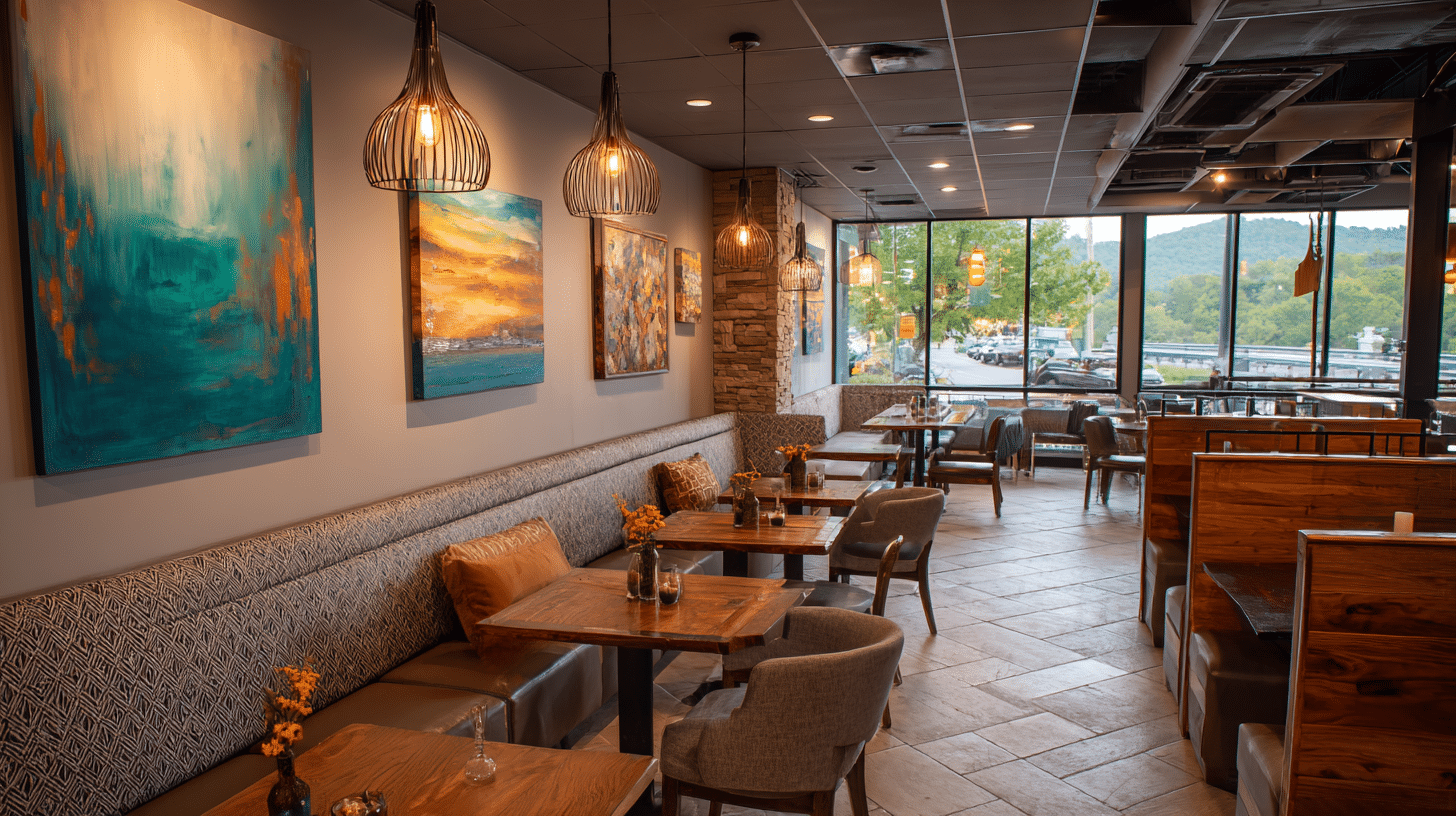
For example, rustic Appalachian-inspired décor featuring reclaimed wood, warm lighting, and local artwork may resonate strongly with West Virginia diners seeking authentic regional experiences.
Kitchen workflow is equally important.
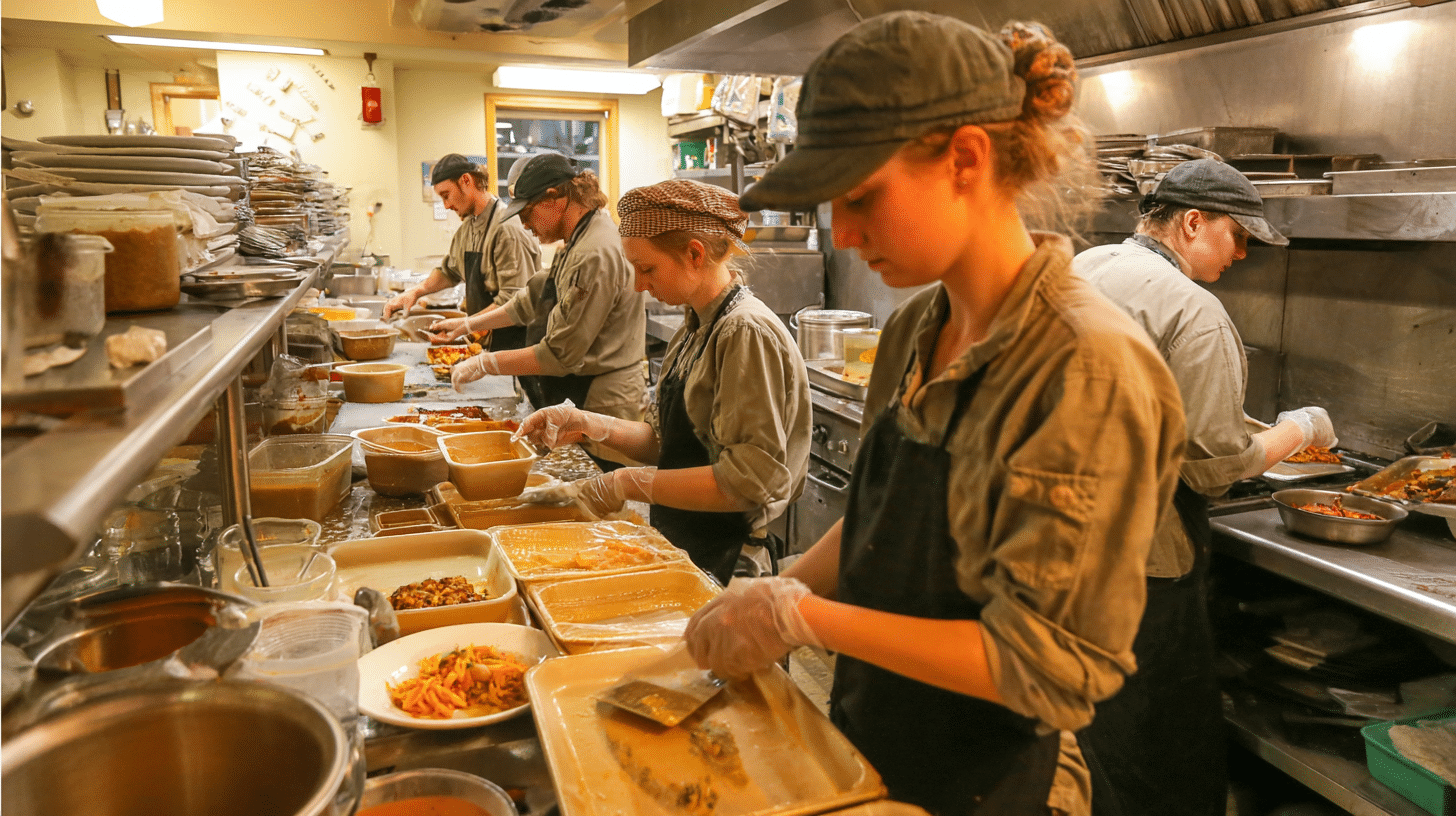
Efficient kitchen layouts reduce unnecessary employee movement while improving food preparation speed and order accuracy.
Dining room layouts should maximize seating while still maintaining guest comfort and accessibility.
Environmental Sustainability and Waste Management
Modern restaurant customers increasingly value environmentally responsible business practices.
Restaurants can reduce environmental impact through:
- Recycling programs
- Energy-efficient equipment
- Composting initiatives
- Sustainable packaging
- Food waste reduction strategies
Implementing strong waste management procedures also helps restaurants maintain compliance with local West Virginia regulations.
Operations, Supplier Connections, and Equipment Purchasing
Strong operations management helps restaurants maintain consistency, control costs, and deliver reliable customer experiences.
Hiring and Training Restaurant Staff
Hiring experienced employees who align with your restaurant culture improves customer service quality and operational efficiency.
Restaurant owners should focus on:
- Clear communication
- Food safety training
- Cross-training staff
- Scheduling consistency
- Employee retention
Cross-training employees across multiple positions creates flexibility during busy periods and staffing shortages.
Restaurants with strong workplace culture often experience lower turnover rates and stronger customer satisfaction.
Supplier Relationships and Inventory Management
Reliable suppliers are essential for maintaining food quality and operational consistency.
Developing strong relationships with local suppliers can improve ingredient freshness while reducing delivery delays.
Inventory management systems help restaurants track:
- Ingredient usage
- Inventory costs
- Waste levels
- Supplier ordering
- Low-stock alerts
Modern POS systems integrated with inventory tools reduce manual tracking errors and improve purchasing efficiency.
Equipment Purchasing and Kitchen Technology
Restaurant equipment investments significantly impact operational performance.
Purchasing durable, commercial-grade equipment helps reduce maintenance costs and downtime.
Essential equipment may include:
- Commercial ovens
- Fryers
- Refrigeration systems
- Prep stations
- Dishwashers
- Kitchen display systems
- POS hardware
Technology integration additionally improves workflow efficiency and communication between front-of-house and kitchen staff.
Marketing Strategy and Community Engagement
Strong marketing and local community involvement help restaurants build loyal customer bases.
Restaurant Marketing Strategy
Restaurant marketing begins before opening day.
Creating anticipation through social media campaigns, local partnerships, and community outreach helps generate awareness early.
Effective marketing channels may include:
- Instagram and Facebook
- Email marketing
- Google Business listings
- Local advertising
- Loyalty programs
- Influencer partnerships
Restaurants should consistently showcase food photography, events, seasonal specials, and customer experiences online.
Grand Opening Planning
A successful grand opening can create strong early momentum.
Restaurants often generate excitement through:
- Limited-time discounts
- Live entertainment
- Food tastings
- Community partnerships
- Social media giveaways
Collecting customer emails and loyalty signups during launch events helps support future marketing campaigns.
Community Involvement and Local Partnerships
West Virginia communities strongly value local business involvement.
Supporting local charities, sponsoring events, collaborating with nearby businesses, and participating in community activities help strengthen your restaurant’s reputation.
Restaurants that actively engage with local communities often build stronger customer loyalty over time.
Financial Planning and Restaurant Budgeting
Opening a restaurant requires substantial financial planning.
Restaurant startup costs may include:
- Lease deposits
- Construction and renovations
- Kitchen equipment
- Licensing and permits
- Payroll expenses
- Initial inventory
- Marketing costs
- Technology systems
Restaurant owners should create detailed financial projections that estimate monthly revenue, labor expenses, food costs, operating overhead, and profitability targets.
Financing options may include:
- Traditional business loans
- SBA-backed financing
- Private investors
- Crowdfunding
- Personal investment capital
Strong budgeting helps restaurants survive slower periods while supporting long-term growth.
Technology and POS Systems for WV Restaurants
Modern restaurant technology plays an increasingly important role in operational success.
Today’s customers expect fast checkout, online ordering, mobile payments, loyalty rewards, and digital convenience.
Modern restaurant POS systems help streamline:
- Order management
- Payment processing
- Inventory tracking
- Employee scheduling
- Customer loyalty programs
- Sales reporting
- Online ordering integration
Cloud-based POS platforms additionally allow restaurant owners to monitor business performance remotely through real-time reporting dashboards.
Technology adoption helps restaurants improve efficiency while delivering better customer experiences.
Biyo POS: Your Partner in Opening a Restaurant in West Virginia
When opening a restaurant in West Virginia, selecting the right technology platform can significantly improve operational efficiency and long-term growth.
Biyo POS provides an all-in-one restaurant management platform designed to help restaurants streamline operations, improve service quality, and manage business performance more effectively.
The platform includes tools for:
- Sales tracking
- Inventory management
- Employee scheduling
- Customer loyalty programs
- Reporting and analytics
- Payment processing
- Online ordering integration
By centralizing restaurant operations into one system, Biyo POS helps restaurant owners reduce manual workload while gaining valuable operational insights.
Restaurants interested in exploring the platform can create an account with Biyo POS.
Businesses seeking a deeper walkthrough can additionally schedule a demo with the Biyo team.
Frequently Asked Questions
What permits do I need to open a restaurant in West Virginia?
Restaurants in West Virginia typically require business registration, health permits, food safety certifications, tax registration, zoning approval, and potentially liquor licensing depending on operations.
How important is location when opening a restaurant in West Virginia?
Location strongly affects customer traffic, visibility, accessibility, supplier logistics, and overall restaurant profitability. Choosing the right location is one of the most important business decisions.
What are common startup costs for a new restaurant?
Startup costs often include kitchen equipment, renovations, permits, payroll, inventory, technology systems, lease deposits, and marketing expenses.
How can restaurants reduce food waste?
Restaurants can reduce waste through inventory tracking, portion control, supplier planning, recipe consistency, and regular inventory audits.
How important is food safety training?
Food safety training is essential for maintaining compliance, preventing foodborne illness, protecting customers, and building restaurant credibility.
Can local sourcing help West Virginia restaurants?
Yes. Partnering with local farms and suppliers often improves ingredient freshness, supports local communities, and strengthens restaurant branding.
What technology should modern restaurants use?
Modern restaurants benefit from POS systems, inventory management software, online ordering tools, customer loyalty programs, and digital payment systems.
How can Biyo POS help new restaurant owners?
Biyo POS helps restaurant owners manage sales, inventory, staffing, reporting, customer engagement, and operational workflows through one centralized platform.