In today’s dynamic food industry, custom menu selection has transformed how customers engage with dining experiences. No longer confined to static menus, diners now expect flexible options that cater to their unique tastes, dietary preferences, and even allergies. This interactive approach offers personalized dishes through build-your-own meals, mix-and-match ingredient choices, and tailored combos. By embracing custom menu selection, restaurants can delight customers with a menu adaptability that reflects their preferences while boosting satisfaction and loyalty.
Table of Contents
- Benefits of Custom Menu Selection
- Meal Customization and Dietary Preferences
- Interactive Menus and User-Driven Choices
- Menu Adaptability and Flexible Options
- Seasonal Ingredients and Chef’s Specials
- About Biyo POS
- FAQ
Benefits of Custom Menu Selection
Embracing custom menu selection brings remarkable advantages to both diners and restaurants. These benefits extend far beyond simple preference fulfillment. By enabling menu personalization, establishments can stand out in a competitive market and foster stronger customer connections. Let’s explore some key benefits that highlight why custom menus have become essential.
Enhanced Customer Satisfaction through Personalized Dishes
Customers today crave unique dining experiences that reflect their tastes and needs. Custom menu selection allows diners to personalize dishes according to their preferences. For example, a customer visiting a sandwich shop can build their own sandwich by choosing from various breads, proteins, cheeses, and toppings. This control over ingredient choices means diners can create meals that suit their exact flavor preferences and dietary restrictions, whether it’s a low-carb wrap or a vegetarian delight. This level of control increases satisfaction because it tailors meals to each individual’s liking, making the dining experience more enjoyable and memorable.
Personalized dishes also help accommodate cultural or lifestyle preferences, such as halal, kosher, vegan, or gluten-free options. By enabling diners to adjust their meals accordingly, restaurants demonstrate respect for diverse needs and values. This inclusivity makes customers feel valued and understood, fostering a deeper connection with the establishment. For instance, a build-your-own salad bar that offers a variety of dressings, protein options, and toppings can attract a broader clientele looking for customizable healthy meals.
Additionally, when customers can select exactly what goes into their meals, food waste tends to decrease. Diners who are offered flexible portion control and ingredient choices are less likely to receive unwanted items that might go uneaten. This not only benefits the environment but also helps restaurants save on food costs. By promoting personalized dishes, restaurants improve operational efficiency while elevating the overall customer experience.
Improved Menu Selection Process with Tailored Meal Choices
Traditional menus often overwhelm customers with too many options or confuse them with vague descriptions. Custom menu selection improves this process by breaking meals into clear components that customers can combine. For example, a pizza place may allow diners to choose their crust type, sauce, cheese, and toppings, making the ordering process interactive and intuitive. This structure guides customers through the menu selection process, reducing decision fatigue and enhancing confidence in their choices.
Tailored meal choices also create opportunities for education and engagement. Restaurants can highlight ingredient benefits, flavor profiles, or nutritional information alongside options. For example, a menu could describe the difference between organic and conventional vegetables or suggest wine pairings with certain dishes. This detailed information empowers customers to make informed decisions that align with their taste preferences and health goals.
Furthermore, a customized menu selection process speeds up ordering and kitchen preparation. Clear, user-driven instructions minimize errors in special requests or ingredient substitutions, resulting in faster service and happier customers. As a result, the restaurant benefits from higher table turnover and better customer reviews. Ultimately, the improved menu selection process is a win-win that enhances dining satisfaction and operational flow.
Increased Brand Loyalty through Menu Personalization
Customers form stronger emotional connections with restaurants that respect their individual tastes and needs. Custom menu selection fosters this connection by offering a sense of ownership over the dining experience. When diners feel they can personalize their meals with flexibility and ease, they are more likely to return and recommend the restaurant to others. For instance, a build-your-own taco bar that remembers a customer’s past preferences or offers loyalty rewards for frequent visits can deepen engagement and brand loyalty.
Menu personalization also signals to customers that a restaurant listens and adapts. For example, a cafe that introduces vegan cheese options or seasonal ingredient swaps based on customer feedback demonstrates attentiveness. This responsiveness not only increases customer satisfaction but also enhances the restaurant’s reputation as a customer-first business. Over time, this can differentiate a brand in a crowded marketplace.
Moreover, customized menus encourage diners to explore new flavor combinations and ingredients they might not try otherwise. This adventurous spirit keeps the dining experience fresh and exciting. By regularly updating customizable combos and chef’s specials, restaurants invite repeat visits and create loyal communities of food lovers. As a result, menu personalization is a key strategy for long-term customer retention and business growth.
Meal Customization and Dietary Preferences
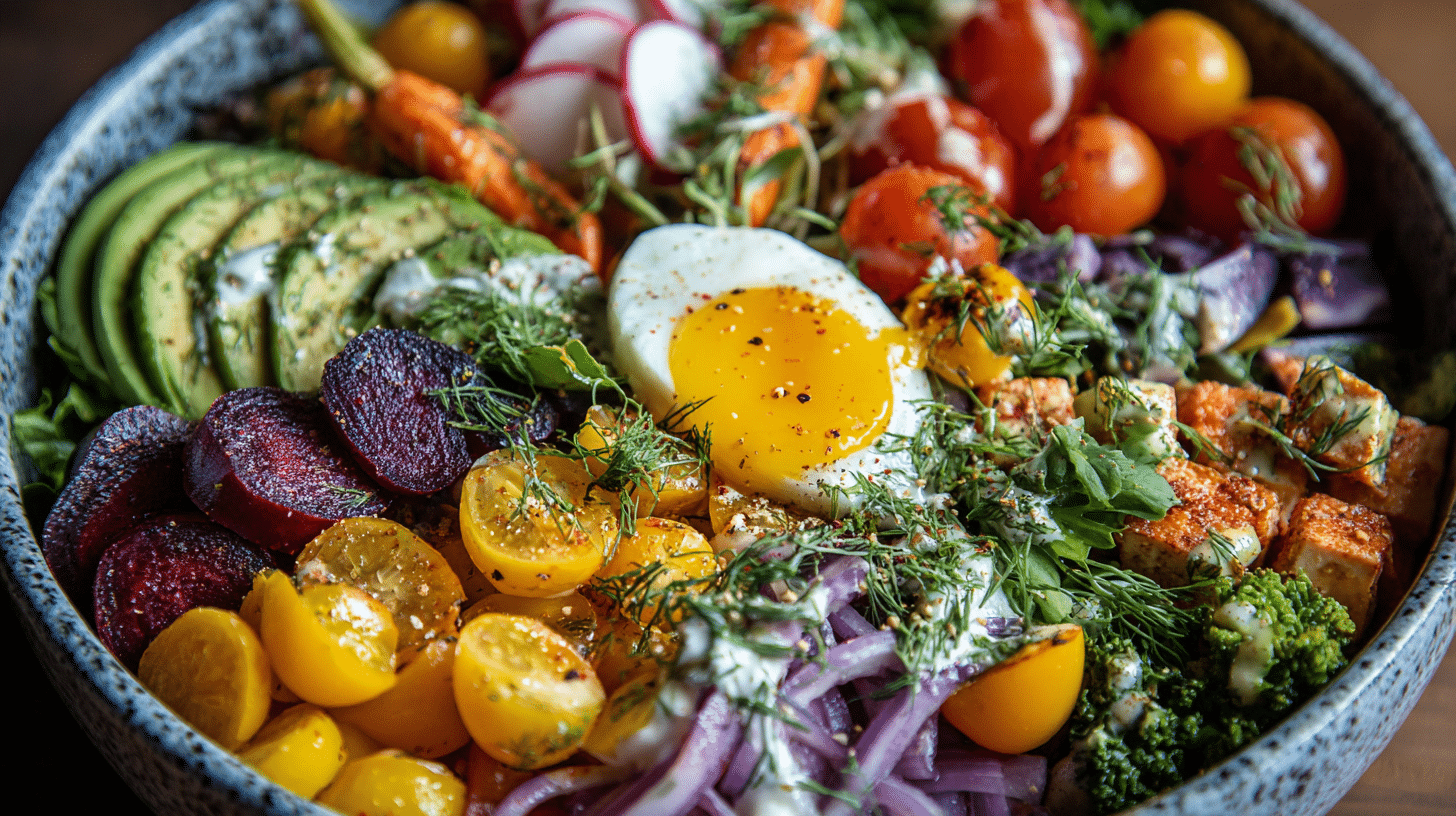
One of the strongest drivers behind custom menu selection is the increasing demand for meal customization to fit dietary preferences. People today have diverse nutritional needs and lifestyle choices that must be respected. Let’s delve into how meal customization addresses these important factors.
Accommodating Allergy Accommodations with Precision
Food allergies are a growing concern, and restaurants must take them seriously to protect their customers. Custom menu selection allows diners to precisely avoid allergens by selecting or excluding specific ingredients. For example, a customer with a peanut allergy can build their meal without worrying about hidden nuts in sauces or dressings. This precise control enhances safety and prevents potentially life-threatening reactions.
Restaurants can support allergy accommodations by clearly labeling ingredients and offering filters in digital menus that highlight safe options. For instance, an interactive menu might allow users to select “nut-free” or “gluten-free” filters that automatically remove unsafe ingredients from the selection process. This reduces confusion and builds trust with customers who require strict dietary management.
By accommodating allergies through customized meals, restaurants also broaden their customer base. Families with children who have allergies, individuals with celiac disease, and others with dietary restrictions are more likely to choose establishments that prioritize safety. Additionally, the kitchen can maintain allergy-friendly zones or preparation methods that reduce cross-contamination. This level of attention shows care and professionalism, which enhances the restaurant’s reputation.
Supporting Dietary Preferences and Lifestyle Choices
Modern diners often follow specific diets for health, ethical, or personal reasons. Whether vegan, keto, paleo, vegetarian, or low-carb, customers appreciate menus that respect their lifestyle choices. Custom menu selection offers flexible options so that diners can craft meals aligned with their goals without compromising taste or variety.
For example, a build-your-own bowl concept can provide a range of bases (rice, quinoa, lettuce), proteins (tofu, chicken, beef), and sauces that suit different dietary patterns. Vegan diners might exclude animal products while still enjoying flavorful, satisfying meals. Those following low-carb diets can select nutrient-dense vegetables and healthy fats to fit their macros. This adaptability makes dining inclusive and enjoyable for diverse audiences.
Moreover, meal customization encourages experimentation within dietary constraints. A customer might try different spice blends or seasonal vegetables to add flavor variety without breaking diet rules. Restaurants that offer ingredient swaps and flexible combos empower diners to explore new tastes while maintaining dietary adherence. This dynamic approach fosters loyalty and repeat visits from health-conscious consumers.
Portion Control for Balanced and Satisfying Meals
Portion control is an essential aspect of healthy eating, and custom menu selection helps customers manage their intake effectively. By offering options for half-portions, extra sides, or sharing plates, restaurants enable diners to tailor meal sizes to their appetite or nutritional needs. For instance, a customer looking to reduce calorie intake can choose a smaller entrée with additional vegetables instead of larger, carb-heavy portions.
Customizable portion sizes also reduce food waste by preventing over-serving. Restaurants can avoid preparing unnecessary extras by clearly specifying customer preferences upfront. This efficiency benefits both the environment and business operations.
Additionally, transparent portion information in menus helps diners make informed choices. Providing calorie counts, serving sizes, and ingredient lists alongside customizable options educates customers about balanced nutrition. For example, a salad bar might suggest a combination of protein, healthy fats, and fiber-rich vegetables that deliver a satisfying meal without excess calories. This empowerment builds trust and encourages healthier dining habits.
Interactive Menus and User-Driven Choices
The rise of digital technology has made interactive menus a vital part of custom menu selection. These user-driven platforms transform the dining experience into a dynamic, engaging process. Let’s explore the impact of interactive menus and how they elevate user involvement.
Engaging Customers with Digital Menu Platforms
Digital menus have revolutionized how customers interact with restaurant offerings. Accessible via tablets, kiosks, or smartphones, these platforms provide a visually rich, intuitive interface for building personalized meals. Customers can browse ingredient choices, view detailed descriptions, and see real-time updates on pricing and nutritional info. This level of engagement turns ordering into an enjoyable, stress-free experience.
For example, a customer ordering at a digital kiosk can select a build-your-own pasta dish, choosing from types of noodles, sauces, proteins, and vegetables. Each choice is immediately reflected in a dynamic preview, helping users visualize their meal before confirming. This transparency reduces errors and increases confidence in the order.
Moreover, digital platforms can incorporate features such as allergy alerts, flavor suggestions, and popular combos, enhancing usability. Restaurants also benefit by collecting valuable data on customer preferences, which informs menu adaptations and marketing strategies. In essence, digital interactive menus create a win-win scenario for diners and businesses alike.
Personalizing Dining Experiences through User-Driven Choices
User-driven choices put customers in the driver’s seat of their dining journey. Instead of passively accepting fixed options, diners actively shape their meals to reflect mood, cravings, and dietary needs. This personalization fosters a deeper emotional connection with the restaurant and the food itself.
For instance, a sushi restaurant might offer an interactive menu where customers can customize rolls by selecting rice types, fillings, toppings, and sauces. This freedom encourages creativity and makes each meal unique. Customers may return repeatedly to experiment with different combinations, enhancing loyalty.
Interactive menus can also incorporate social features, such as sharing custom creations on social media or rating personalized dishes. These elements amplify engagement and build a community around the restaurant brand. Overall, user-driven choices enrich the dining experience beyond simply eating, transforming it into an interactive adventure.
Streamlining Order Accuracy and Kitchen Efficiency
One of the biggest challenges restaurants face is ensuring order accuracy, especially with complex customizations. Interactive menus address this by capturing detailed specifications directly from the customer. This eliminates miscommunication that often happens with verbal orders taken by busy servers.
For example, when a customer builds a pizza with specific toppings, crust thickness, and sauce preferences on a digital platform, the exact order prints in the kitchen with no ambiguity. This clarity reduces errors, wasted ingredients, and customer dissatisfaction. It also speeds up preparation as the kitchen staff can follow precise instructions without seeking clarifications.
Additionally, interactive menus can sync with inventory systems to alert staff if certain ingredients are unavailable. This real-time feedback helps manage customer expectations and prevents delays. As a result, restaurants operate more smoothly, delivering customized meals faster and with higher quality.
Menu Adaptability and Flexible Options
Menu adaptability lies at the heart of successful custom menu selection. Offering flexible options ensures restaurants meet evolving customer preferences while maintaining operational efficiency. Let’s analyze how adaptable menus enhance the dining landscape.
Mix-and-Match Ingredients for Diverse Selections
Mix-and-match systems give customers the freedom to combine ingredients in countless ways, making every meal feel unique. This approach works well in various cuisines—from Mediterranean bowls to Asian stir-fries—where diners can select bases, proteins, sauces, and toppings independently. The flexibility accommodates a broad range of tastes and dietary needs.
For example, a Mediterranean restaurant might offer a base of couscous, rice, or salad greens, paired with grilled chicken, falafel, or lamb, and finished with a choice of tzatziki, hummus, or spicy harissa. Customers can mix and match to their heart’s content, creating meals that suit their palate and nutritional goals.
This approach also simplifies menu updates. Restaurants can introduce new ingredients seasonally or as chef’s specials without overhauling the entire menu. Customers enjoy diverse selections without feeling overwhelmed. In this way, mix-and-match enhances variety while keeping menus manageable and appealing.
Customizable Combos and Special Requests
Customizable combos balance structure with personalization. Restaurants present popular meal pairings—such as burger, fries, and drink—but allow customers to swap components or add extras. For example, a customer might choose a plant-based burger patty instead of beef, sweet potato fries instead of regular, or an artisanal soda over a standard soft drink.
Special requests take this a step further by enabling customers to modify cooking methods, spice levels, or ingredient exclusions. For example, someone might ask for no onions, extra garlic, or a lighter sauce. These small changes significantly impact the dining experience by tailoring meals to individual preferences.
By honoring customizable combos and special requests, restaurants demonstrate attentiveness and flexibility. This attention to detail enhances customer satisfaction and encourages repeat business. It also allows kitchens to experiment with new offerings while respecting customer needs.
Adapting Menus Based on Customer Preferences and Feedback
Menu adaptability depends on continuous feedback and observation of customer preferences. Restaurants can gather insights through digital ordering data, surveys, and direct interaction. This information guides menu evolution, ensuring it reflects current trends and tastes.
For example, if data shows a rise in demand for plant-based options, a restaurant might introduce more vegetarian proteins or vegan sauces. Similarly, popular seasonal ingredients can be integrated into build-your-own concepts as limited-time offerings. These changes keep the menu fresh and exciting.
By actively adapting menus, restaurants stay competitive and relevant. Customers appreciate venues that respond to their input, enhancing loyalty. This ongoing evolution reinforces the restaurant’s image as customer-focused and innovative, key factors for long-term success.
Seasonal Ingredients and Chef’s Specials
Incorporating seasonal ingredients and chef’s specials into custom menu selection adds excitement and exclusivity. These elements offer unique flavors while supporting sustainability and creativity. Let’s examine how they contribute to a memorable dining experience.
Highlighting Seasonal Ingredients for Freshness and Flavor
Seasonal ingredients represent the freshest, most flavorful produce available at a given time of year. Using these ingredients in custom menus elevates meal quality and promotes sustainability by reducing the need for long-distance shipping. For example, summer menus might feature heirloom tomatoes, fresh basil, and zucchini, while winter menus highlight root vegetables, citrus, and kale.
Restaurants that emphasize seasonal ingredients can create tailored meals that celebrate local flavors. For instance, a build-your-own salad bar can rotate seasonal toppings such as roasted butternut squash in the fall or fresh strawberries in spring. This approach keeps menus dynamic and encourages repeat visits as customers anticipate new seasonal combinations.
Highlighting seasonal produce also educates customers about food cycles and encourages healthier eating habits. Diners often appreciate learning the story behind their meals, such as the local farms where ingredients come from. This transparency builds trust and deepens the dining experience beyond taste alone.
Showcasing Chef’s Specials as Customizable Highlights
Chef’s specials add an element of artistry and exclusivity to custom menu selection. These dishes often feature unique ingredient pairings or preparation techniques that reflect the chef’s creativity. Offering chef’s specials alongside build-your-own options provides customers with a choice between curated experiences and full personalization.
For example, a chef might design a seasonal risotto with fresh mushrooms and truffle oil that customers can customize by adding grilled chicken or shrimp. This blend of fixed and flexible elements appeals to diners seeking inspiration as well as control over their meals.
Restaurants can use chef’s specials to test new concepts and highlight local or rare ingredients. Customizable chef’s specials also generate excitement and urgency when offered as limited-time options, encouraging diners to return before they disappear.
Encouraging Customer Interaction through Seasonal and Special Menus
Custom menus that feature seasonal ingredients and chef’s specials invite customers to interact with the dining experience actively. Interactive menus can highlight these options with vibrant photos, detailed descriptions, and suggested pairings, making exploration fun and easy.
For instance, a digital menu might prompt customers to try the chef’s seasonal tartare or recommend complementary sides based on the current harvest. This guided interaction educates diners and enhances their meal satisfaction by aligning choices with freshness and creativity.
Such engagement encourages feedback and sharing on social media, amplifying the restaurant’s reach. Diners feel involved in a culinary journey rather than simply consuming a meal. This connection boosts loyalty and builds a vibrant community around the brand.
About Biyo POS
Biyo POS offers cutting-edge solutions tailored for restaurants embracing custom menu selection. With features like interactive digital menus, allergy management tools, and adaptable ordering interfaces, Biyo POS streamlines the menu selection process. Its user-friendly platform supports personalized dishes, dietary preferences, and special requests seamlessly. By integrating real-time order tracking and customer feedback, Biyo POS helps businesses implement flexible options and optimize menu adaptability. Restaurants leveraging Biyo POS can elevate customer satisfaction and operational efficiency, making it an essential partner in the era of customizable dining.
FAQ
What is custom menu selection?
Custom menu selection is a dining approach that allows customers to personalize their meals by choosing specific ingredients, portion sizes, and flavors. It enables build-your-own dishes and flexible combinations tailored to individual preferences.
How does meal customization benefit restaurants?
Meal customization increases customer satisfaction, reduces food waste, and supports efficient inventory management. It also boosts revenue by encouraging customers to add premium ingredients and promotes brand loyalty through personalized experiences.
Can custom menus accommodate dietary restrictions and allergies?
Yes, custom menus can highlight allergy-friendly options and allow customers to exclude certain ingredients. This accommodation ensures safety and inclusivity for diners with allergies or dietary restrictions.
What role do interactive menus play in custom menu selection?
Interactive menus engage customers by allowing them to select and modify their orders digitally. They improve order accuracy, enhance transparency, and speed up service by providing clear communication between diners and kitchens.
How can restaurants keep their menus adaptable?
Restaurants can maintain menu adaptability by regularly analyzing customer feedback, monitoring ingredient availability, and updating offerings accordingly. Incorporating seasonal ingredients and chef’s specials also keeps the menu fresh and appealing.