In today’s fast-paced world, consumers crave simplicity and customization when making purchases, especially in food service and retail. The concept of per-item ordering perfectly meets this demand by allowing customers to select and pay for individual items rather than bundled packages or preset menus. This approach offers unparalleled flexibility, transparency, and control—transforming the way businesses cater to diverse tastes and preferences. Whether it’s ordering a single item at a café or customizing a meal à la carte at a restaurant, per-item ordering has become a game-changer for both consumers and merchants.
In this article, we will dive deep into the advantages, mechanisms, and evolving trends surrounding per-item ordering. From understanding its role in simplifying checkout processes to exploring how it supports portion control and tailored dishes, you’ll gain a comprehensive insight into why this approach matters in today’s customer-focused market. We’ll also highlight how tools like Biyo POS support businesses in implementing efficient per-item ordering systems to boost sales and satisfaction.
Table of Contents
- Key Benefits of Per-item Ordering
- Understanding Consumer Preferences and Per-item Ordering
- How Technology Supports Per-item Ordering
- Business Strategies to Maximize Per-item Ordering
- Future Trends in Per-item Ordering and Customer Choice
- Frequently Asked Questions
Key Benefits of Per-item Ordering
Per-item ordering offers several distinct advantages that resonate strongly with both customers and businesses. By allowing direct selection of individual items, it creates a transparent and streamlined shopping experience. Customers can exercise complete control over their purchases, making decisions based on their preferences, budgets, and dietary needs.
Enhanced Menu Flexibility and Personalized Meals
Menu flexibility is at the heart of the per-item ordering model. Unlike fixed menus or combo meals, it empowers customers to build their own meals from scratch, selecting each item that suits their taste and dietary requirements. This is particularly vital for those with allergies, special diets, or simply unique preferences. For example, a customer at a sandwich shop can choose the bread, protein, toppings, and sauces individually, ensuring their sandwich is tailored exactly to their liking.
Restaurants offering à la carte menus often benefit from this model because it encourages diners to experiment. A diner might order a starter of roasted beet salad, skip the typical main course in favor of a customized pasta dish, and finish with a light sorbet dessert. This personalization leads to greater customer satisfaction and can even foster loyalty, as patrons appreciate that their unique preferences are accommodated.
On the business side, menu flexibility supported by per-item ordering allows easier menu updates and seasonal adjustments. For example, a restaurant can add or remove standalone items based on ingredient availability or customer demand without restructuring entire combo deals. This agility keeps menus fresh and relevant.
Improved Portion Control and Price Transparency
Portion control is a significant advantage of ordering items individually. Customers can decide whether they want a small appetizer or a full entrée, helping them avoid food waste and better manage their nutritional intake. Consider a solo diner who wants just a small salad and a cup of soup instead of a large combo meal; per-item ordering accommodates this precisely.
From a price standpoint, individual pricing of items eliminates the confusion often found in bundled pricing. Each item’s cost is clearly displayed, allowing customers to build meals within their budget. This transparency fosters trust between the customer and the business. For example, a coffee shop selling custom drinks lets customers add single-item extras like an extra shot of espresso or flavored syrup, each with a visible price, so there are no surprises at checkout.
Furthermore, price transparency benefits businesses by providing clear data on item popularity and profitability. They can adjust prices on specific items in response to market trends or ingredient costs without affecting entire menu packages.
Simplified Checkout and Focused Options
Checkout efficiency is a critical concern, especially in high-traffic venues. Per-item ordering simplifies transactions by itemizing every selected product on the bill. This clarity reduces confusion for both customers and staff. For example, at a fast-casual restaurant, staff can quickly ring up individual items, avoiding errors from complex combo deals that might confuse kitchen staff and delay orders.
Focused ordering options also streamline decision-making. Rather than sifting through numerous combos, customers can pick items from clear categories, such as sides, mains, or beverages. This segmentation accelerates ordering and reduces cognitive overload, particularly beneficial during busy times.
Additionally, the simplified billing supports faster payment processes, whether cash, card, or mobile wallets. A transparent, itemized bill encourages customers to tip appropriately and promotes smooth service flow, which increases table turnover and overall business efficiency.

Understanding Consumer Preferences and Per-item Ordering
Consumers today value choice, speed, and customization more than ever. Per-item ordering perfectly aligns with these desires, providing a shopping experience tailored to individual preferences and lifestyles.
Single-item Purchase as a Growing Trend
The preference for single-item purchase has grown notably in recent years, driven by consumers’ desire to avoid paying for unnecessary extras. Instead of forced combos, customers want the freedom to select precisely what they need. This is evident in the rise of à la carte dining, where diners pick individual dishes rather than pre-set menus.
For example, a customer ordering coffee might want only a plain espresso without milk or sweeteners, which traditional combo deals might not accommodate. Retail sectors mirror this trend by offering individual components or add-ons separately, such as a phone charger or headphones rather than bundled electronics packages.
This trend reflects a broader movement toward minimalism and mindful consumption, where consumers seek value and customization rather than volume. Businesses embracing single-item purchase options meet these expectations and can capture a broader market share.
Solo Dining and Personalized Meals
Solo dining is on the rise, especially among urban dwellers and millennials. These diners often seek smaller portions that avoid waste and suit their individual appetites. Per-item ordering caters perfectly to this group by offering tailored meal options rather than large, fixed portions.
For example, a solo diner at a sushi bar might order just three pieces of nigiri and a miso soup, rather than a full set menu designed for two or more people. This flexibility not only enhances customer satisfaction but also reduces food waste and promotes sustainable consumption.
Moreover, personalized meals created through individual selection make the dining experience more engaging and memorable. Customers feel valued when they can customize every element, which strengthens brand loyalty and word-of-mouth recommendations.
Menu Segmentation to Boost Customer Choice
Effective menu segmentation divides items into logical, easy-to-navigate categories, improving the customer’s ability to make informed decisions. This structure supports direct selection and quick ordering, which many customers now expect.
For example, a fast-food restaurant might separate its menu into sections like “Build Your Own Burger,” “Sides,” “Drinks,” and “Desserts.” This clear segmentation helps customers focus on specific areas without feeling overwhelmed by too many options at once.
Menu segmentation also allows businesses to promote new or seasonal standalone items effectively. Highlighting limited-time offerings in a dedicated menu section can spark curiosity and encourage experimentation, boosting sales and diversifying orders.
How Technology Supports Per-item Ordering
Technology plays a pivotal role in enabling efficient and accurate per-item ordering. Modern POS systems and integrations make it easier than ever for businesses to offer customizable, transparent ordering experiences.
Role of POS Systems in Order Customization
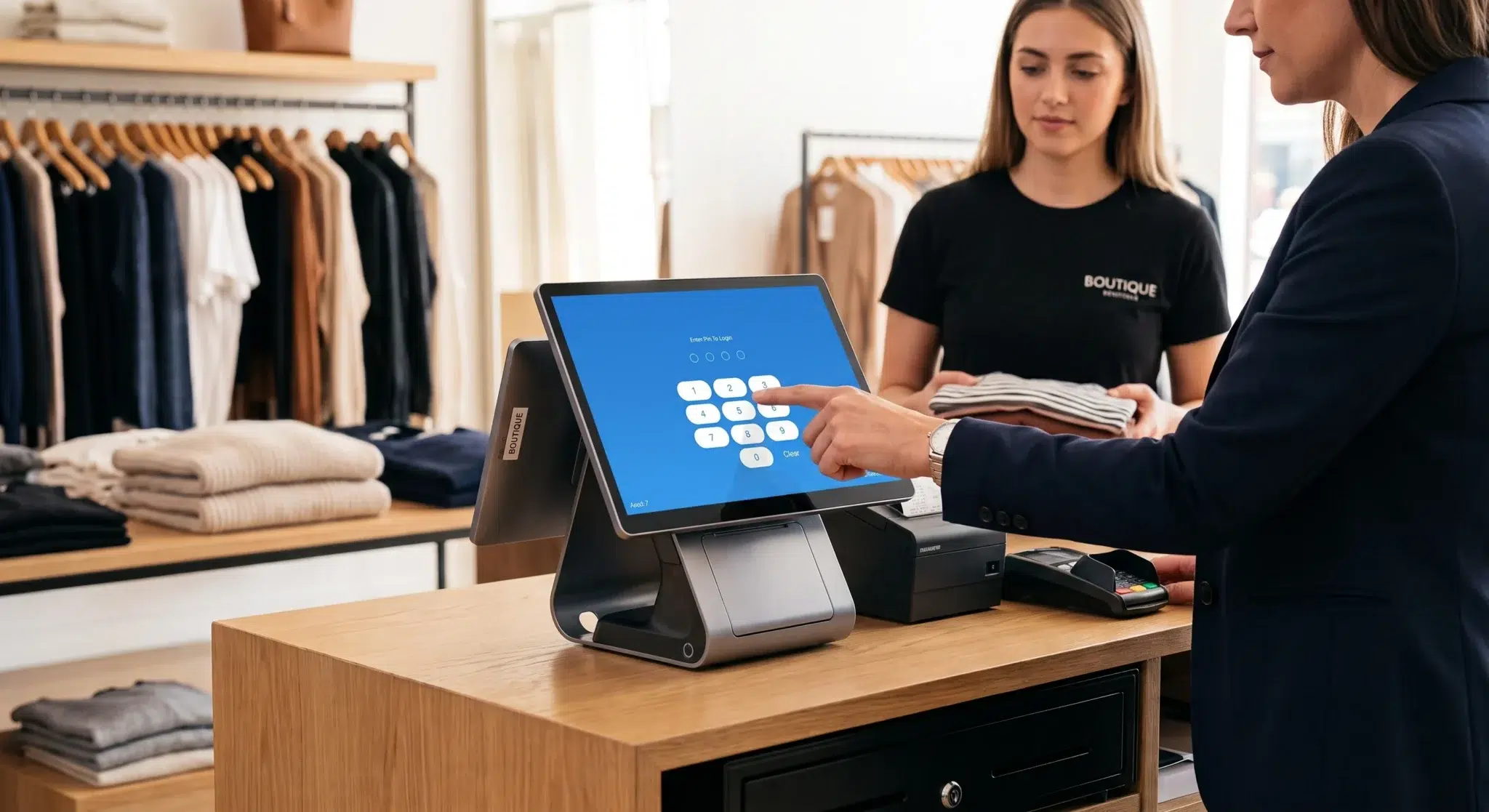
Point-of-sale (POS) systems like Biyo POS are designed to support detailed order customization. They allow staff to input individual items easily and offer customers interactive menus that reflect real-time availability and pricing.
For instance, a café using Biyo POS can let customers customize their coffee orders by selecting type, milk preference, sugar level, and extras like whipped cream or flavored syrups. Each choice updates the price accordingly, ensuring transparency and accuracy at checkout.
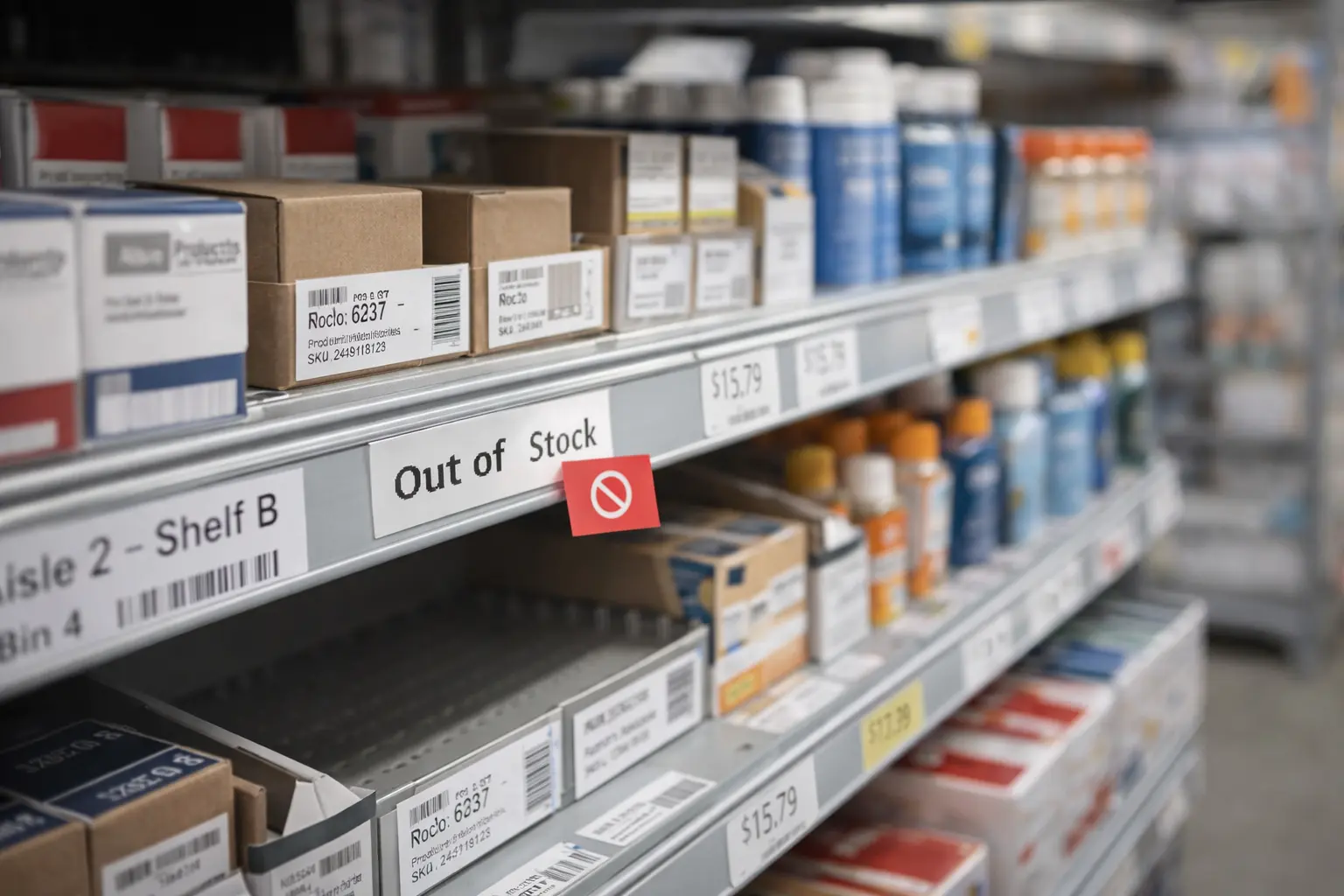
These systems also provide backend support, managing inventory, and alerting staff when certain standalone items run low, preventing customer disappointment and maintaining smooth operations.
Integration with Online and Mobile Ordering
Integrating per-item ordering with online and mobile platforms vastly improves accessibility and convenience. Customers can browse full menus, customize orders, and pay digitally before arriving at the location, speeding up the service process.
For example, a user ordering from a restaurant app powered by Biyo POS can select individual menu items, modify ingredients, and schedule pickup times, all from their smartphone. This reduces wait times and improves accuracy, as orders go directly to the kitchen.
This seamless digital experience also opens businesses to a wider customer base who prefer contactless and remote ordering options, especially important in today’s health-conscious environment.
Data Analytics to Optimize Offerings
Advanced POS systems collect detailed data on per-item ordering, providing businesses with insights into customer preferences and sales trends. By analyzing which standalone items are popular, companies can optimize menus, manage stock, and tailor promotions.
For example, if data shows a surge in orders for a specific salad or beverage, the business can create combo deals featuring those items or offer loyalty rewards to encourage repeat purchases.
Such analytics also support price adjustments on less popular items, helping businesses maintain profitability without compromising customer satisfaction. These data-driven strategies are essential in competitive markets.
Business Strategies to Maximize Per-item Ordering
Adopting the right strategies ensures that businesses make the most of the per-item ordering trend, enhancing both customer experience and operational success.
Designing Menus for Maximum Clarity and Appeal
Menu design should clearly communicate options and prices to encourage confident ordering. Using concise descriptions, allergy icons, and appealing images helps customers understand what each standalone item offers.
For example, a pizzeria might list toppings with brief notes about flavor profiles or heat levels. This guidance assists customers in building personalized pizzas by selecting exactly the toppings they want without guesswork.
Additionally, creating a “Build Your Own” section invites experimentation, allowing diners to feel empowered and engaged. Menus optimized for readability and clarity reduce decision fatigue and speed up ordering.
Implementing Price Transparency and Itemized Billing
Clear pricing is essential to building trust and preventing frustration. Businesses should display prices for each item prominently and provide detailed receipts that list every chosen product and its cost.
For example, a customer ordering a burger with extra cheese and bacon will see separate charges for the base burger and each add-on on the receipt. This transparency reassures customers and helps resolve any billing questions quickly.
Itemized billing also aids internal auditing and simplifies accounting processes, making it easier to track revenue streams from individual products and promotions.
Training Staff to Support Quick and Accurate Orders
Staff training ensures that employees understand the nuances of per-item ordering and can efficiently assist customers. Well-informed staff can guide diners through customization options, suggest popular standalone items, and input orders correctly into POS systems.
For example, a server trained to explain the benefits of adding a side salad or unique sauce can boost average order value while improving customer satisfaction through personalized recommendations.
Training also includes troubleshooting special requests and managing modifications smoothly, helping businesses maintain a reputation for attentive, flexible service.
Future Trends in Per-item Ordering and Customer Choice
Innovation continues to shape how per-item ordering evolves, driven by technology and changing consumer behavior.
Artificial Intelligence and Personalized Recommendations
Artificial intelligence (AI) is transforming how customers discover and select standalone items. AI-powered systems analyze past orders and preferences to suggest personalized dishes or add-ons, enhancing the shopping experience.
For example, an AI system might recommend gluten-free options to a customer who frequently orders such items or suggest seasonal specials that match their taste profile. This personalization makes ordering faster and more enjoyable.
Platforms like Biyo POS are beginning to incorporate AI features, enabling businesses to automate tailored marketing and optimize menu offerings dynamically.
Voice and Touchless Ordering Technologies
Voice assistants and touchless interfaces are becoming popular, offering hygienic and convenient ways to place orders. Customers can use voice commands to select individual items or customize meals without touching screens, reducing wait times and enhancing safety.
For instance, a diner could say, “Add a large pepperoni pizza with extra cheese,” and the system immediately processes the order. This technology is especially useful in fast-food environments or during peak hours.
Adopting these tools helps businesses stand out by providing futuristic, user-friendly ordering experiences that attract tech-savvy customers.
Expansion of Direct Selection in Various Sectors
While food service pioneered per-item ordering, direct selection is now spreading across retail and service industries. Customers increasingly expect the option to purchase specific components or services individually, rather than in bundles.
For example, in electronics retail, buyers may select individual accessories or software licenses without committing to full packages. Similarly, salons might offer personalized service menus allowing customers to book only desired treatments.
This expansion signals a broader shift toward consumer empowerment and choice, compelling businesses to adopt flexible ordering systems to remain competitive.

About Biyo POS
Biyo POS is a versatile point-of-sale system designed to empower businesses with seamless per-item ordering capabilities. Its intuitive interface supports customizable orders, itemized billing, and menu flexibility, ensuring quick ordering and direct selection for customers. By integrating online and in-store sales, Biyo POS helps businesses deliver personalized meals and tailored shopping experiences effortlessly. With features like detailed reporting and easy menu segmentation, Biyo POS equips merchants to optimize their offerings and meet the evolving demands of modern customers.
Frequently Asked Questions
What is per-item ordering?
Per-item ordering is a system where customers select and pay for individual items rather than bundled packages or preset menus. It allows for more flexibility and personalization in purchases.
How does per-item ordering benefit customers?
Customers gain control over portion sizes, price transparency, and the ability to customize their meals or purchases. It also supports quick ordering and reduces waste.
Can businesses use per-item ordering outside of restaurants?
Yes, many retail sectors and service industries use per-item ordering to allow customers to buy specific products or services independently, enhancing customization and customer choice.
How does Biyo POS support per-item ordering?
Biyo POS offers a user-friendly platform that enables customizable orders, itemized billing, and menu flexibility. It integrates online and offline sales to streamline the ordering process and enhance customer satisfaction.
Is per-item ordering more expensive for customers?
Not necessarily. Per-item ordering often increases price transparency, allowing customers to avoid paying for unwanted extras. It can be more cost-effective and tailored to individual budgets.