Opening a restaurant in Utah can be an exciting and rewarding venture, especially with the state’s thriving hospitality industry and welcoming small business environment. Whether you’re dreaming of a cozy café, a trendy bistro, or a full-service dining spot, Utah offers plenty of opportunities for entrepreneurs to bring their culinary visions to life. However, success starts with understanding the local restaurant regulations, zoning requirements, licensing, and everything else needed to build a strong foundation. In this guide, we’ll walk you through every essential step to confidently navigate the process of opening a restaurant in Utah.
Table of Contents
- Navigating Legal Steps and Permits
- Essential Startup Requirements and Costs
- Choosing the Right Location and Meeting Zoning Requirements
- Managing Operations and Employee Hiring
- Marketing Strategies and Growth Tips for Utah Restaurants
- How Biyo POS Supports Your Restaurant Journey
- Frequently Asked Questions
Navigating Legal Steps and Permits
Understanding the legal framework is one of the first and most important steps when opening a restaurant in Utah. From business registration to health compliance, knowing which licenses and permits you need helps avoid costly delays and ensures your establishment meets all state requirements.
Business License Utah: Getting Officially Registered
Before you open your doors, you must register your restaurant business with the state of Utah. This involves deciding on your business structure, such as a sole proprietorship, limited liability company (LLC), partnership, or corporation. Each structure has its own legal and tax implications, so it’s wise to consult a business advisor or attorney to choose the best fit for your needs. Once you have selected your structure, you will file the necessary paperwork with the Utah Division of Corporations and Commercial Code. This registration process not only legitimizes your business but also allows you to pay the correct Utah taxes and comply with state laws.
After registration, you will receive your business license Utah, which confirms your right to operate legally within the state. It is essential to note that certain cities and counties may require separate business licenses or permits, so be sure to contact your local municipal office to confirm additional requirements. For example, Salt Lake City has its own licensing process, which includes zoning verification and payment of city-specific fees. Registering early is critical as some permits and licenses can take weeks to process, and you will need proof of registration for many other applications, such as a food service permit or liquor license.
By completing the business registration promptly, you set the foundation for your restaurant’s operations and create a clear legal standing. This step enables you to apply for other crucial permits, open bank accounts in your business name, and start hiring employees, making it an indispensable part of your Utah restaurant startup journey. Missing or delaying this step can lead to serious setbacks, so treating it with priority is essential for a smooth launch.
Food Service Permit and Utah Health Department Regulations
Obtaining a food service permit from the Utah health department is mandatory before serving any food to the public. This permit ensures that your restaurant meets strict health and safety standards designed to protect your customers. The application process requires submitting detailed information about your restaurant’s layout, food preparation procedures, and sanitation measures. You will likely need to provide floor plans showing the commercial kitchen setup, including equipment placement, sinks, and food storage areas, to demonstrate compliance with Utah health codes.
The Utah health department conducts thorough restaurant inspections to assess your adherence to food safety guidelines. These inspections focus on critical areas such as proper food temperature control, avoiding cross-contamination, handwashing facilities, and pest control measures. For example, they will check that cold foods are stored below 41°F and hot foods above 135°F, in line with food safety standards. They also verify that your staff holds valid food handler certification, which confirms they understand safe food handling practices. Training your employees in this certification is vital and can often be completed through state-approved online or in-person courses.
Passing your initial inspection and maintaining ongoing compliance ensures that your restaurant remains safe and reputable. Consistent health code compliance can lead to higher customer trust, fewer legal issues, and a positive reputation within the Utah hospitality industry. Furthermore, maintaining this standard encourages repeat business and positive reviews, which are crucial in today’s competitive restaurant market. Being proactive in this area saves you from costly fines or forced closures that could jeopardize your new venture.
Utah Liquor License: Serving Alcohol the Right Way
If you plan to serve alcoholic beverages, obtaining a Utah liquor license is a complex but necessary step. The Utah Department of Alcoholic Beverage Control (DABC) governs all liquor licensing within the state and enforces strict regulations. Different types of licenses exist, including full-service restaurant licenses, limited-service licenses, and special event permits. The type of license you require depends on your business model, location, and whether you plan to serve beer, wine, or spirits.
The application process includes submitting extensive documentation such as your business registration, floor plans showing designated alcohol service areas, and financial disclosures. Background checks are conducted on all business owners and key employees involved in alcohol service. In many cases, public hearings or neighborhood approval may be required, especially if your establishment is near schools or churches. Licenses are limited in number and often have long waiting lists, so beginning this process early is critical to avoid delaying your restaurant opening.
Additionally, Utah mandates that all employees who serve or sell alcohol complete a responsible beverage service training program. This training educates staff on legal requirements, responsible serving practices, and identifying intoxicated patrons. Compliance protects your business from legal liabilities and ensures a safe environment for your customers. Successfully securing and maintaining a Utah liquor license can significantly enhance your restaurant’s appeal and profitability, opening doors to broader customer segments and increased sales. Careful attention to the licensing process, coupled with proper staff training, lays a strong foundation for your beverage program’s success and sustainability.

Essential Startup Requirements and Costs
Starting a restaurant in Utah requires a careful assessment of all the necessary startup requirements and an accurate estimation of costs. Planning your budget around these essential components helps ensure your venture is financially sustainable and positioned for long-term success.
Commercial Kitchen Setup and Restaurant Equipment
Equipping your commercial kitchen is one of the most significant initial investments in opening a restaurant. Your kitchen must comply with the Utah health department’s strict standards regarding sanitation, equipment type, and workflow efficiency. Choosing the right equipment involves considering your menu style, kitchen size, and projected volume. For instance, if your menu features grilled dishes, investing in a high-quality commercial grill or charbroiler is critical. Similarly, refrigeration units must maintain consistent temperatures to preserve food safety.
In addition to standard appliances such as ovens, refrigerators, and dishwashers, specialized equipment like commercial mixers, food processors, and blast chillers can improve your kitchen’s capacity and efficiency. You should also invest in durable cutting boards, stainless steel worktables, and proper ventilation systems to ensure compliance and ease of use. Local suppliers in Utah often offer tailored packages that fit various restaurant concepts and budgets. Collaborating with these suppliers can help you select energy-efficient, reliable equipment that reduces operating costs over time.
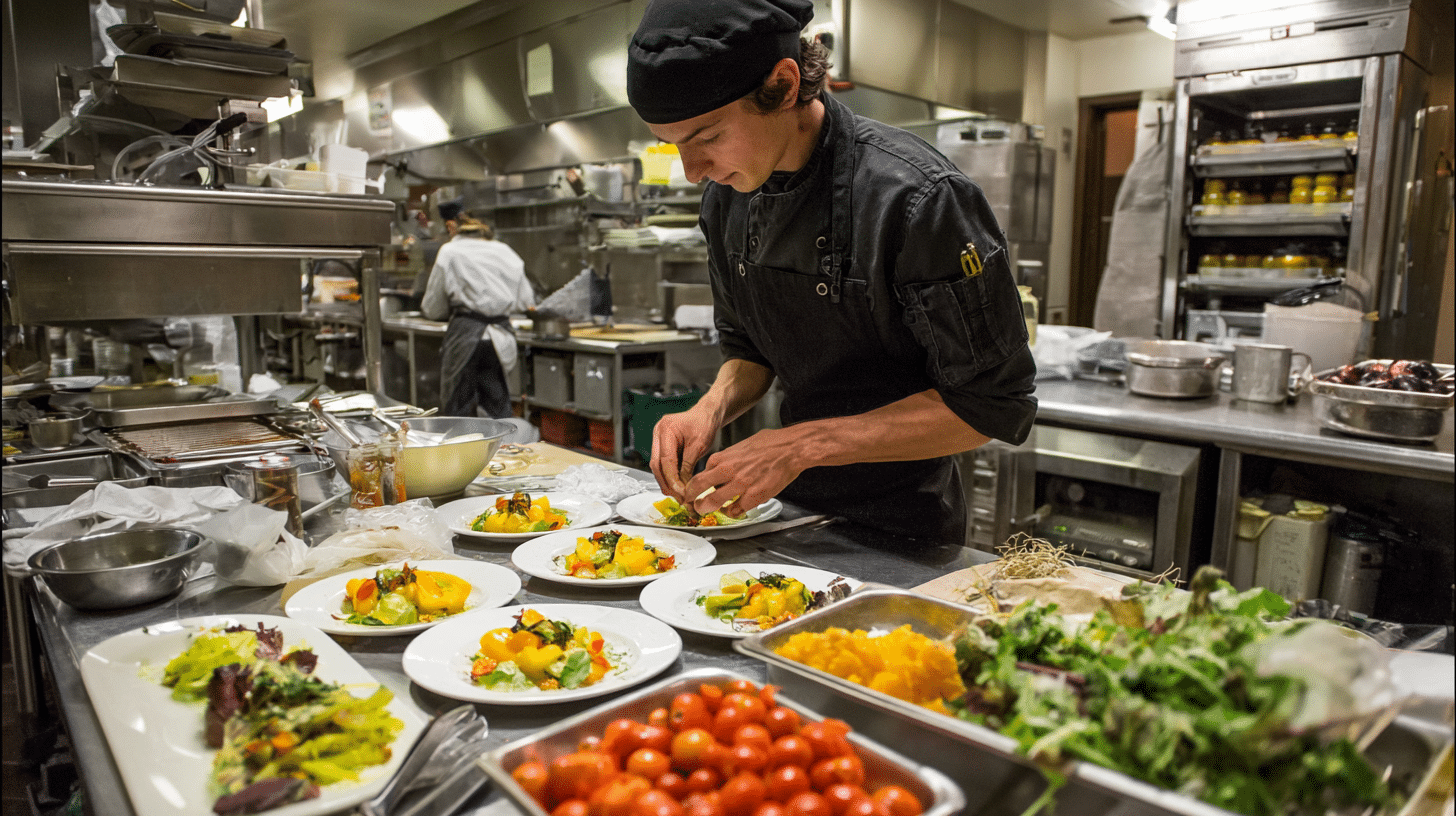
Remember, a well-organized commercial kitchen not only speeds up food preparation but also enhances employee safety and product consistency. Planning the kitchen layout to optimize workflow—from food delivery to plating—helps your team work seamlessly and reduces errors during busy service hours. For example, positioning prep stations near cooking equipment and keeping storage close by minimizes movement and increases efficiency. Such attention to design ultimately leads to a smoother operation and better dining experiences for your customers.
Estimating Startup Costs for Utah Restaurants
Opening a restaurant in Utah involves more than just kitchen equipment. You must budget for business license fees, health department permits, zoning compliance, interior renovations, and furnishing the dining area. Costs also include initial inventory of food and beverages, point-of-sale technology, insurance, and marketing. Staffing expenses, including salaries, benefits, and training, should be incorporated into your financial plan.
The range of startup costs varies significantly based on the restaurant’s size, concept, and location. For example, opening a small café in a suburban area may require a few hundred thousand dollars, while a full-service downtown restaurant with liquor service might demand several million. It’s crucial to conduct detailed market research and consult with industry experts or accountants to develop a comprehensive budget. Overestimating costs slightly can provide a financial cushion for unexpected expenses, such as repairs or permit delays.
Creating a thorough financial plan enables you to pursue funding confidently, whether through personal investment, loans, or investors. Tracking your expenditures closely from the outset ensures that you stay on target and can adjust plans proactively. Moreover, including a contingency fund to cover unexpected costs—like equipment failure or remodeling after zoning inspections—helps maintain stability during your critical opening phase.
Menu Planning: Crafting a Menu That Works
Menu planning is a fundamental element of your restaurant’s success, directly influencing customer satisfaction and operational efficiency. Start by identifying your target market’s preferences and dietary trends common in Utah, such as gluten-free, vegetarian, or dairy-free options. Balancing a diverse menu with specialty dishes creates appeal while managing kitchen complexity. For example, offering a signature dish like Utah trout alongside seasonal salads caters to both adventurous and health-conscious diners.
Consider using seasonal ingredients sourced from local suppliers to keep your menu fresh, reduce costs, and appeal to environmentally conscious customers. Designing your menu around modular and flexible dishes allows you to adapt quickly to supplier availability and market trends. For instance, a “build your own” meal option gives customers customization choices while simplifying inventory management.
Effective menu planning also involves pricing your dishes strategically to cover food costs, labor, and overhead while remaining competitive. Tools such as menu engineering can help identify high-margin items and underperforming dishes to adjust your offerings accordingly. Testing your menu with sample groups or soft openings provides valuable feedback to refine dish descriptions, portion sizes, and pricing before the grand opening, ensuring your menu resonates well with your Utah clientele.
Choosing the Right Location and Meeting Zoning Requirements
Selecting the perfect location and ensuring compliance with zoning laws are pivotal when opening a restaurant in Utah. The right site can attract your target customers and maximize revenue, while zoning adherence prevents legal complications.
Understanding Utah Zoning Requirements
Zoning laws in Utah vary across cities and counties, determining where restaurants can operate. Most restaurants fall under commercial or mixed-use zones, but exact definitions and restrictions depend on local ordinances. For example, some zones may restrict operating hours or prohibit certain types of businesses, including those serving alcohol. It is imperative to verify your desired property’s zoning classification before finalizing a lease or purchase.
If your location does not meet zoning criteria, you may apply for a variance or conditional use permit, which involves submitting an application and attending public hearings. These processes can be time-consuming and sometimes require demonstrating how your restaurant will benefit the community. Engaging with local planning departments early can clarify requirements and streamline approvals.
Understanding and adhering to zoning laws safeguards your investment by preventing fines, forced closures, or costly relocations. It also helps maintain positive relationships with neighbors and municipal authorities, which is essential for long-term success. For instance, knowing whether your restaurant can offer outdoor seating or late-night service can influence your business model and revenue significantly.
Evaluating Location Factors for Restaurant Success
Beyond zoning, other location factors influence your restaurant’s performance significantly. Accessibility for customers is crucial; consider parking availability, pedestrian traffic, and proximity to public transportation. A restaurant situated near office complexes, shopping centers, or entertainment venues often enjoys higher foot traffic. For instance, a brunch spot near popular weekend markets may draw large crowds, while a dinner-focused restaurant near theaters can attract pre-show diners.
Visibility from main roads and signage options impact how easily potential customers find your establishment. However, prime locations often come with higher rent, so balancing cost with expected customer volume is essential. Conducting a competitive analysis of nearby restaurants helps identify gaps in the market and opportunities to differentiate your brand. Additionally, assess the neighborhood demographics to ensure your concept aligns with local tastes and spending habits.
Thorough location evaluation helps maximize your restaurant’s revenue potential and reduces risks associated with poor site selection. Considering safety, neighborhood development plans, and future infrastructure projects can further protect your investment and growth potential.
Working with Local Suppliers and Community Partners
Building strong relationships with local suppliers and community partners strengthens your restaurant’s supply chain and brand reputation. Utah boasts a growing network of farms, bakeries, breweries, and specialty food producers that offer fresh, seasonal ingredients. Sourcing locally not only supports the community but also reduces transportation costs and ensures ingredient freshness, enhancing menu quality.
For example, partnering with a nearby dairy farm for cheese and cream products or a local bakery for bread deliveries adds authenticity and appeal to your offerings. Community partnerships can extend to co-hosting events, sponsoring local festivals, or collaborating on special menus featuring Utah-made products. These connections foster goodwill and create marketing opportunities that resonate with customers who value supporting local businesses.
Integrating local suppliers into your operations helps build a sustainable and distinctive restaurant brand that thrives within Utah’s vibrant food community. Additionally, fostering these partnerships can lead to collaborative promotions and shared customer bases, further boosting your restaurant’s visibility and reputation.
Managing Operations and Employee Hiring
Running a restaurant smoothly requires effective management of daily operations and building a skilled, motivated team. Paying attention to employee hiring and establishing operational procedures ensures consistent service quality and compliance with regulations.
Employee Hiring and Training Essentials
Hiring the right employees is critical to delivering excellent customer experiences. When opening a restaurant in Utah, seek candidates who not only have the necessary skills but also fit your restaurant’s culture and values. Job postings should clearly outline roles and expectations, and consider recruiting from local hospitality schools or job fairs. Using Utah-specific small business resources can help identify qualified candidates familiar with the local market.
Once hired, comprehensive training is vital. Employees should complete Utah’s food handler certification, which educates them on safe food handling and hygiene practices required by the health department. Training programs should also cover customer service standards, point-of-sale system usage, and emergency procedures. For instance, cross-training servers on basic kitchen knowledge enhances teamwork and efficiency during busy times. Regular refresher courses keep the team updated on health codes and operational changes.
Investing in your team leads to lower turnover rates, higher morale, and a positive dining atmosphere that customers will notice and appreciate, ultimately boosting your restaurant’s reputation and success. Encouraging open communication and recognizing employee achievements can further enhance loyalty and performance, essential for long-term operational excellence.
Establishing Operational Procedures and Compliance
Clear and documented operational procedures are essential for maintaining high standards and minimizing errors. Develop standard operating procedures (SOPs) covering food preparation, cleaning schedules, inventory control, and equipment maintenance. SOPs help ensure every employee understands their responsibilities and the steps needed to maintain health code compliance.
Creating an opening checklist for daily tasks like temperature logging, sanitation checks, and equipment inspections promotes accountability and prevents oversights. Regular internal audits identify areas for improvement before health inspectors arrive. For example, designating a team member to oversee compliance during each shift can keep standards consistently high. Additionally, keeping up with changes in restaurant regulations helps you adapt quickly and avoid penalties.
Strong operational management not only improves efficiency but also enhances food safety, customer satisfaction, and regulatory compliance, making it a critical component of your Utah restaurant’s long-term viability. Encouraging a culture of responsibility and continuous improvement within your staff creates an environment where quality service becomes the norm.
Understanding Utah Taxes and Financial Management
Proper financial management begins with understanding Utah’s tax obligations. Restaurants must collect and remit sales tax on food and beverage sales, with rates varying slightly by city. Employers are responsible for payroll taxes, including federal and state withholding, Social Security, and unemployment insurance. Accurate record-keeping is essential for compliance and smooth tax filings.
Hiring a local accountant experienced with Utah small businesses can help navigate tax regulations and optimize your financial strategy. Additionally, budgeting for business taxes early prevents surprises and cash flow issues. Financial management tools, including integrated point-of-sale systems like Biyo POS, streamline transaction tracking, generate reports, and facilitate tax preparation.
Effective financial oversight allows you to monitor profitability, control costs, and make informed decisions about hiring, marketing, and expansion, ensuring your restaurant remains financially healthy in Utah’s competitive market. Periodic financial reviews and adjusting budgets accordingly are crucial for responding to seasonal fluctuations and evolving business needs.
Marketing Strategies and Growth Tips for Utah Restaurants
After launching your restaurant, implementing targeted marketing strategies and planning for growth are essential for building a loyal customer base and expanding your presence in Utah’s food scene.
Developing a Restaurant Marketing Plan
A well-crafted marketing plan highlights your restaurant’s unique selling points and connects with Utah diners. Begin by defining your target audience and tailoring messaging to their preferences. For example, if you emphasize locally sourced ingredients or gluten-free options, highlight these in your promotions. Utilize social media channels like Instagram and Facebook to share mouth-watering photos, behind-the-scenes stories, and customer testimonials, creating engagement and interest.
Collaborate with local food bloggers, influencers, and community organizations to increase your reach. Hosting special events, such as tasting nights or charity fundraisers, builds community ties and attracts new customers. Offering daily specials or loyalty programs encourages repeat business. Consistent branding across your website, menus, and marketing materials reinforces your identity and fosters customer trust.
With strategic marketing, you can effectively differentiate your restaurant in Utah’s bustling hospitality landscape and grow your patronage steadily. Additionally, tracking the effectiveness of your campaigns allows you to fine-tune your messaging and invest wisely in channels that yield the best results.
Leveraging Technology with Biyo POS
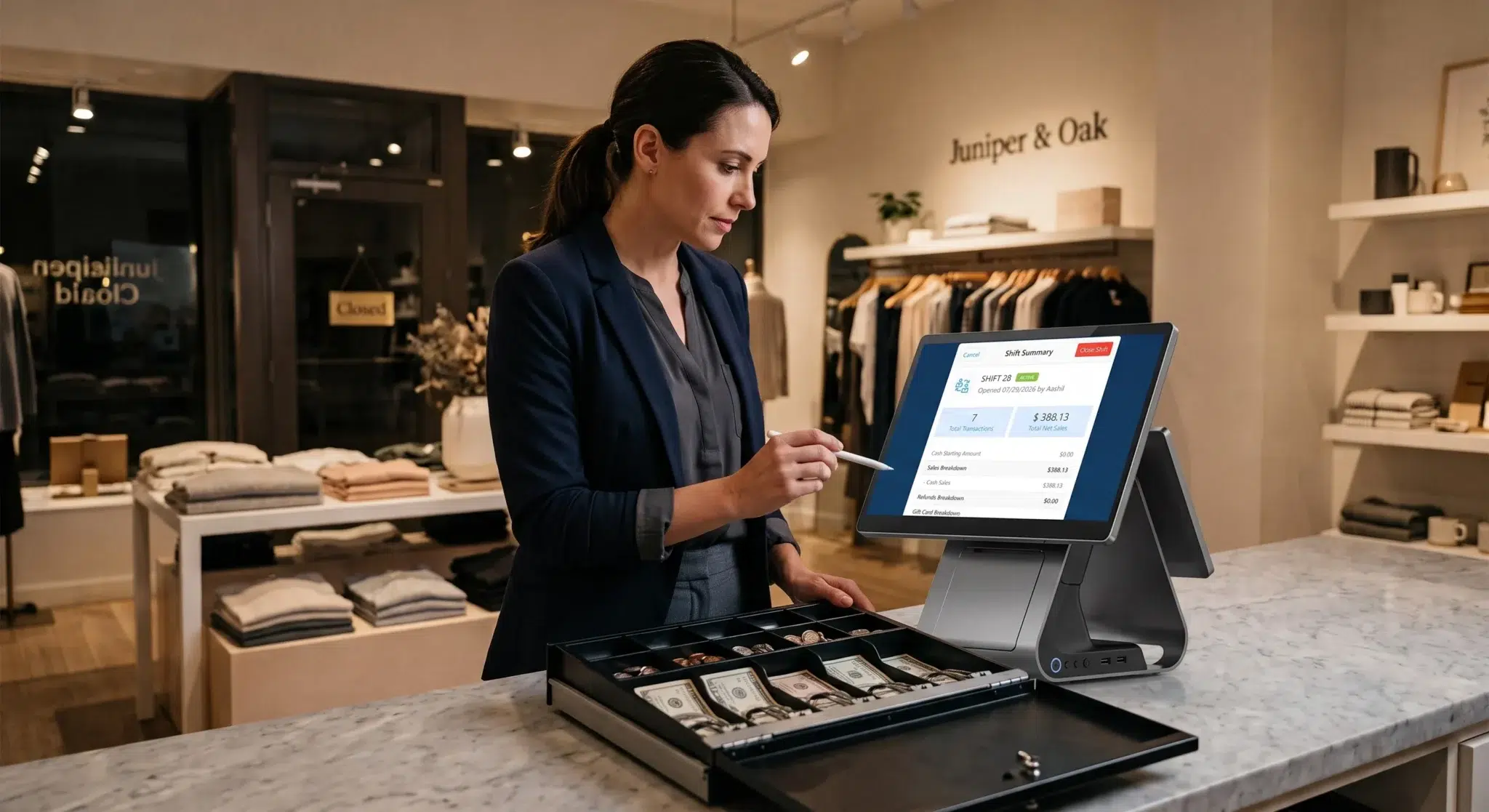
Biyo POS offers cutting-edge technology designed to meet the specific needs of restaurants opening in Utah. Its real-time order integration ensures accurate and efficient service, reducing errors and wait times. The platform supports flexible payment methods, including contactless and mobile payments, catering to today’s tech-savvy customers. Biyo POS’s intuitive interface simplifies staff training and daily operations, allowing your team to focus on exceptional customer experiences.
Additionally, Biyo POS provides detailed analytics and customer relationship management tools that help you understand buying patterns, track inventory, and manage promotions. Its commission-free online ordering system empowers your restaurant to compete effectively in the digital marketplace, increasing sales without additional fees. These features combined make Biyo POS a powerful partner in managing your restaurant’s growth and profitability.
Integrating Biyo POS technology equips your restaurant with the tools needed to thrive in Utah’s competitive food industry and adapt quickly to changing market demands. Whether you operate a small café or a large dining establishment, Biyo POS scales with your needs, ensuring smooth operations and happy customers.
Expanding Your Restaurant and Planning for the Future
Once your restaurant gains traction, planning for growth is essential. This can include expanding your menu to introduce new flavors or seasonal dishes that keep customers interested. Increasing your seating capacity or adding outdoor dining areas, if zoning permits, can boost revenue during peak times. Opening additional locations within Utah is an option for successful restaurateurs looking to scale their brand.
Use sales data and customer feedback gathered through your POS system to make informed decisions about expansion. Staying updated on changes in restaurant regulations and community trends helps you remain compliant and competitive. Ongoing investment in staff training and marketing ensures your team is equipped to handle growth and maintain high service standards.
Careful growth planning secures your restaurant’s place as a beloved Utah dining destination, capable of adapting and thriving in a dynamic marketplace for years to come.
How Biyo POS Supports Your Restaurant Journey
Biyo POS is a powerful partner for entrepreneurs opening a restaurant in Utah. Designed with the hospitality industry in mind, it offers real-time order management, customizable menus, and flexible payment options to meet the diverse needs of your business. The system’s ease of use reduces training time and minimizes errors, helping your staff focus on delivering exceptional service.
Additionally, Biyo POS provides detailed analytics and customer insights that help you make informed decisions about inventory, staffing, and marketing. Its commission-free online ordering feature ensures you keep more of your profits while offering convenient options for your customers.
With Biyo POS, you gain a technological edge that supports your restaurant’s growth and success in Utah’s competitive food service market. The platform’s scalability and comprehensive tools help both new and established restaurants streamline operations and enhance customer satisfaction effectively.
Frequently Asked Questions
What permits do I need to open a restaurant in Utah?
To open a restaurant in Utah, you must obtain a business license Utah, a food service permit from the Utah health department, and if applicable, a Utah liquor license. Additionally, employees handling food need food handler certification. Local zoning approval and health code compliance are also required to ensure your establishment operates legally and safely.
How long does it take to get a Utah liquor license?
The process for obtaining a Utah liquor license typically takes several months. This is due to the thorough background checks, detailed application reviews, and sometimes public hearings or neighborhood approval requirements. Starting the application process early helps avoid delays and ensures your restaurant can serve alcohol on schedule.
Are there specific health codes restaurants must follow in Utah?
Yes, Utah enforces comprehensive health codes covering food safety, sanitation, employee hygiene, and kitchen facilities. These regulations are strictly monitored by the Utah health department through regular inspections. Restaurants must maintain proper food temperatures, prevent cross-contamination, and ensure clean, sanitized equipment and environments to comply.
Can I source ingredients locally in Utah?
Absolutely. Utah has a vibrant network of local farmers, producers, and suppliers offering fresh, seasonal ingredients. Sourcing locally helps reduce transportation costs and supports sustainability while giving your menu an authentic Utah flavor. Building relationships with local suppliers also strengthens community ties and enhances your restaurant’s reputation.
How does Biyo POS help with restaurant management in Utah?
Biyo POS simplifies restaurant operations by integrating order management, payment processing, and customer relationship tools into one platform. It supports Utah restaurant owners by streamlining workflows, improving order accuracy, and providing insightful analytics. Its commission-free online ordering and flexible payment options help boost profitability and customer satisfaction.