When customers hear the phrase build your own meal, they do not simply think about ingredients. They think about freedom, control, personalization, and convenience. They imagine selecting exactly the base, protein, vegetables, sauces, and toppings they want while creating a meal tailored to their preferences. That feeling of ownership has become one of the strongest drivers behind modern fast-casual restaurant growth.
The global fast-casual restaurant market is projected to surpass $337 billion by 2032, with customizable concepts such as poke bowls, burrito bars, salad kitchens, grain bowls, pasta bars, and protein-focused meal concepts leading much of the expansion. Consumer behavior research shows that more than 73% of diners prefer restaurants offering customization, while approximately 65% of Gen Z consumers actively seek build-your-own meal experiences.
This shift is not simply about novelty. It is rooted in customer psychology, operational scalability, dietary flexibility, and profitability. Build-your-own restaurant models naturally support modern customer expectations around health preferences, dietary restrictions, convenience, and personalization without requiring restaurants to maintain dozens of separate menu items.
For restaurant operators, build-your-own concepts also create strong operational advantages. Standardized ingredients can support thousands of meal combinations while simplifying inventory management and improving upsell opportunities. Customers feel empowered by customization, while restaurants benefit from scalable menu systems that increase average ticket value.
This guide explores the operational systems, behavioral psychology, pricing strategy, menu architecture, and marketing principles behind successful build your own meal restaurant concepts.
The Rise of Meal Personalization
Customization has evolved from a small menu feature into a defining structure for entire restaurant categories. Ten years ago, meal personalization was commonly associated with salad bars or simple topping adjustments. Today, entire restaurant brands are built around the build your own meal model.
Modern diners increasingly value autonomy and flexibility when ordering food. Behavioral psychology helps explain why customization works so effectively. One major concept often referenced is the IKEA Effect, which describes how people place greater emotional value on products they partially create themselves. When customers build their own meals, they psychologically associate the finished dish with their own decisions and identity.
This creates several powerful effects:
- Higher perceived value
- Stronger emotional attachment
- Improved post-meal satisfaction
- Increased likelihood of repeat visits
Customization also reduces decision regret. Customers selecting their own ingredients feel more responsible for the final experience, which often improves overall satisfaction even when the meal itself is relatively simple.
Dietary trends further accelerate demand for personalized meals. Millions of consumers now follow specific eating preferences such as:
- Plant-based diets
- Gluten-free eating
- Low-carb or keto plans
- High-protein diets
- Dairy-free lifestyles
- Calorie-conscious meal planning
Traditional static menus often struggle to accommodate these preferences efficiently. Build-your-own systems naturally solve this problem because customers can adapt meals themselves without requiring separate menu sections for every dietary category.
Restaurants built around customization also experience reduced menu fatigue because customers continuously create different combinations during repeat visits.

Core Elements of a Build Your Own Meal Experience
Successful build your own meal restaurants rely heavily on structured ingredient architecture. Customization should feel flexible without becoming overwhelming. Offering unlimited choices may sound appealing, but too many visible decisions often slow service speed and increase customer frustration.
Research in consumer behavior suggests that approximately 20 to 35 visible ingredient options typically create the best balance between variety and simplicity. Beyond that point, customers often experience decision fatigue, which reduces ordering speed and overall satisfaction.
High-performing ingredient structures commonly include:
- 3–4 bases such as rice, greens, noodles, or grains
- 4–6 proteins
- 8–12 vegetables or toppings
- 6–8 sauces
- 4–6 crunchy finishes or texture add-ons
This structure creates thousands of possible combinations while keeping operations manageable.
Protein strategy plays a major role in profitability. Proteins generally represent the highest-cost ingredients while also creating the strongest upsell opportunities. Restaurants typically anchor pricing around affordable base ingredients such as rice or greens while charging additional premiums for higher-cost proteins.
For example:
- Base bowl: $9.95
- Premium protein upgrade: +$3.00
- Extra protein scoop: +$2.50
This structure often increases average ticket value significantly compared to fixed-menu systems.
Sauces also play an unusually important psychological role. Customers frequently remember sauces more strongly than vegetables or bases because sauces create the emotional flavor peak of the meal. Restaurants with excellent sauces often generate stronger customer loyalty even with relatively simple ingredient lists.
High-performing sauce categories commonly include:
- Spicy sauces
- Creamy dressings
- Umami-forward flavors
- Sweet heat combinations
- Tangy citrus blends
Offering small sauce samples often increases customer confidence and improves add-on attachment rates.
Designing an Interactive Menu for Customization
Interactive menu design is critical for operational efficiency in build your own meal restaurants. Poorly structured menus slow down throughput, overwhelm customers, and create ordering confusion.
The most effective systems organize customization into a small number of simple sequential steps. Most successful restaurants structure ordering around five categories:
- Base
- Protein
- Vegetables
- Sauce
- Crunch or finish
Breaking decisions into simple stages reduces cognitive overload while speeding up customer movement through the line.
Digital ordering systems provide additional advantages. Restaurants using kiosks or digital menu systems often report:
- Higher average ticket values
- Better modifier accuracy
- Reduced labor friction
- Improved upselling consistency
- Faster customer throughput
Digital systems also help customers visualize meals more clearly while reducing ordering pressure during busy periods.
Allergy communication is another important operational consideration. Color-coded utensils, allergen tags, and ingredient filters improve customer trust while reducing liability risk.
Restaurants serving highly customizable meals should clearly communicate:
- Common allergens
- Cross-contamination risks
- Ingredient details
- Nutritional information when possible
Transparency improves customer confidence and supports long-term loyalty.
Operational and Profit Optimization
Operational speed determines whether a build your own meal concept scales successfully. Long lines and slow assembly reduce customer conversion rates, especially during lunch rush periods.
Most efficient build-your-own restaurants target approximately 90 to 120 seconds per bowl or meal assembly. Maintaining this speed requires strong workflow design and proper station organization.
High-efficiency assembly lines commonly follow this structure:
- Base station
- Protein station
- Cold toppings station
- Sauce and finishing station
- Checkout area
Batch preparation and portion control also improve operational consistency. Standardized scoops and portion tools help control food costs while reducing waste.
Ingredient waste management remains especially important because customizable concepts often involve many fresh ingredients. Successful restaurants typically aim to maintain ingredient waste below approximately 4–6% weekly.
Daily usage tracking allows operators to adjust prep volumes based on real demand patterns instead of guesswork.
Pricing psychology further improves profitability. Decoy pricing strategies encourage customers toward higher-margin upgrade options without appearing overly aggressive.
For example:
- Single protein included
- Double protein upgrade appears highly attractive
- Triple protein option priced intentionally high
Most customers naturally select the middle option, increasing average order value.
Marketing and Customer Psychology
Customization creates unusually strong customer engagement because people emotionally connect with meals they partially create themselves.
Research suggests that perceived customer control can increase satisfaction by more than 20%. This explains why build-your-own concepts often generate strong loyalty even when ingredient quality is similar to competitors.
Visually appealing customizable meals also perform extremely well on social media platforms. Colorful bowls, layered ingredients, sauces, and unique combinations naturally encourage customers to share photos online.
Restaurants can amplify organic exposure through:
- Hashtag campaigns
- User-generated content contests
- Custom bowl naming promotions
- Social media rewards
Loyalty systems become especially effective within customizable concepts because customers enjoy experimenting with new combinations over repeated visits.
Gamified loyalty structures such as:
- Free protein upgrades
- Milestone rewards
- Limited seasonal ingredients
- Exclusive member toppings
often increase customer visit frequency substantially.

Biyo POS: Operational Backbone
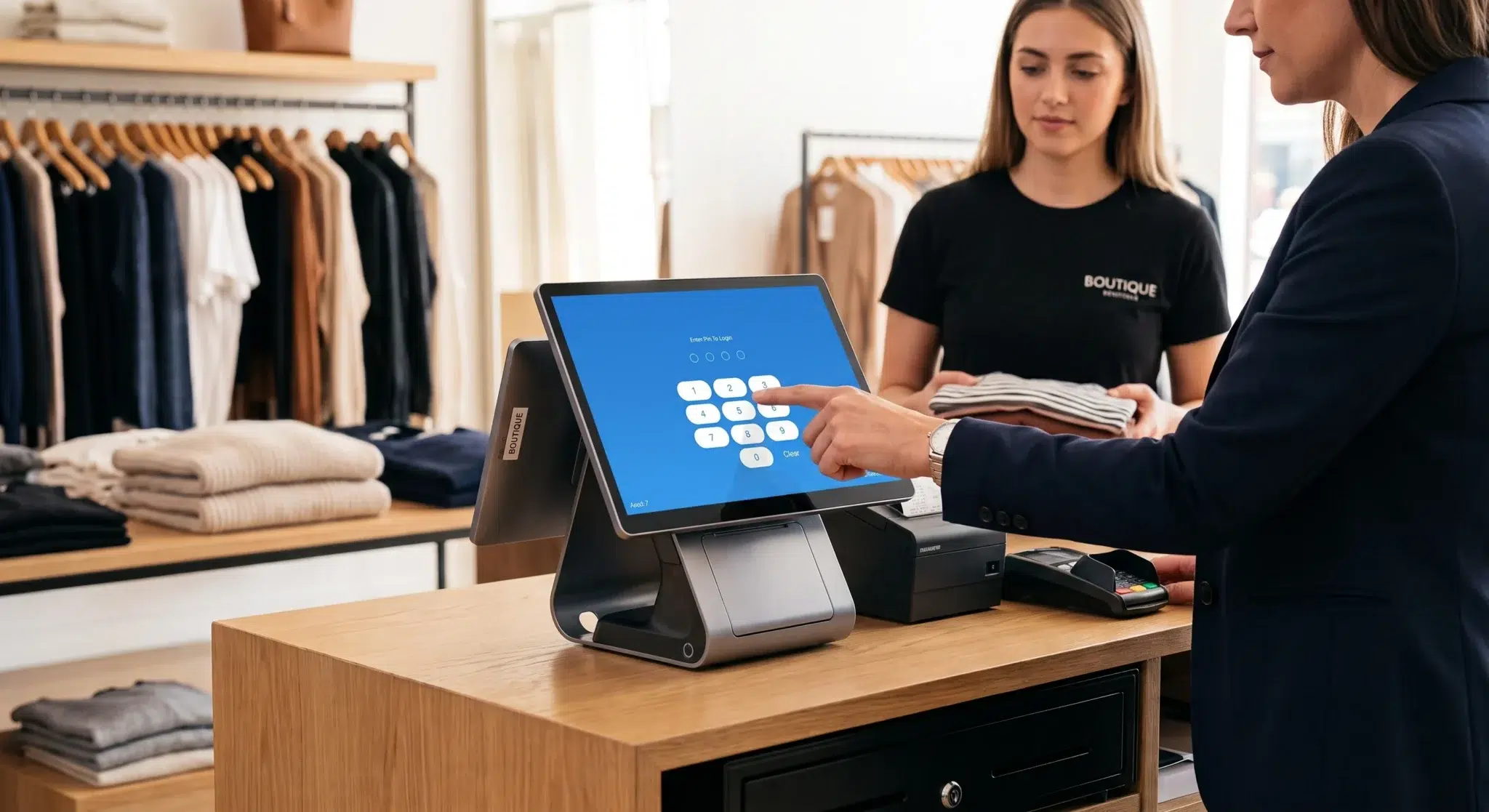
Biyo POS supports high-modifier restaurant environments by helping operators manage customization complexity efficiently.
The platform supports:
- Unlimited ingredient modifiers
- Dynamic pricing logic
- Real-time inventory tracking
- Allergy tagging
- Customer analytics
- Modifier-based reporting
- Operational performance tracking
Restaurants using build-your-own systems often manage hundreds of ingredient combinations daily. Biyo helps simplify these workflows while reducing ordering errors and inventory disruption.
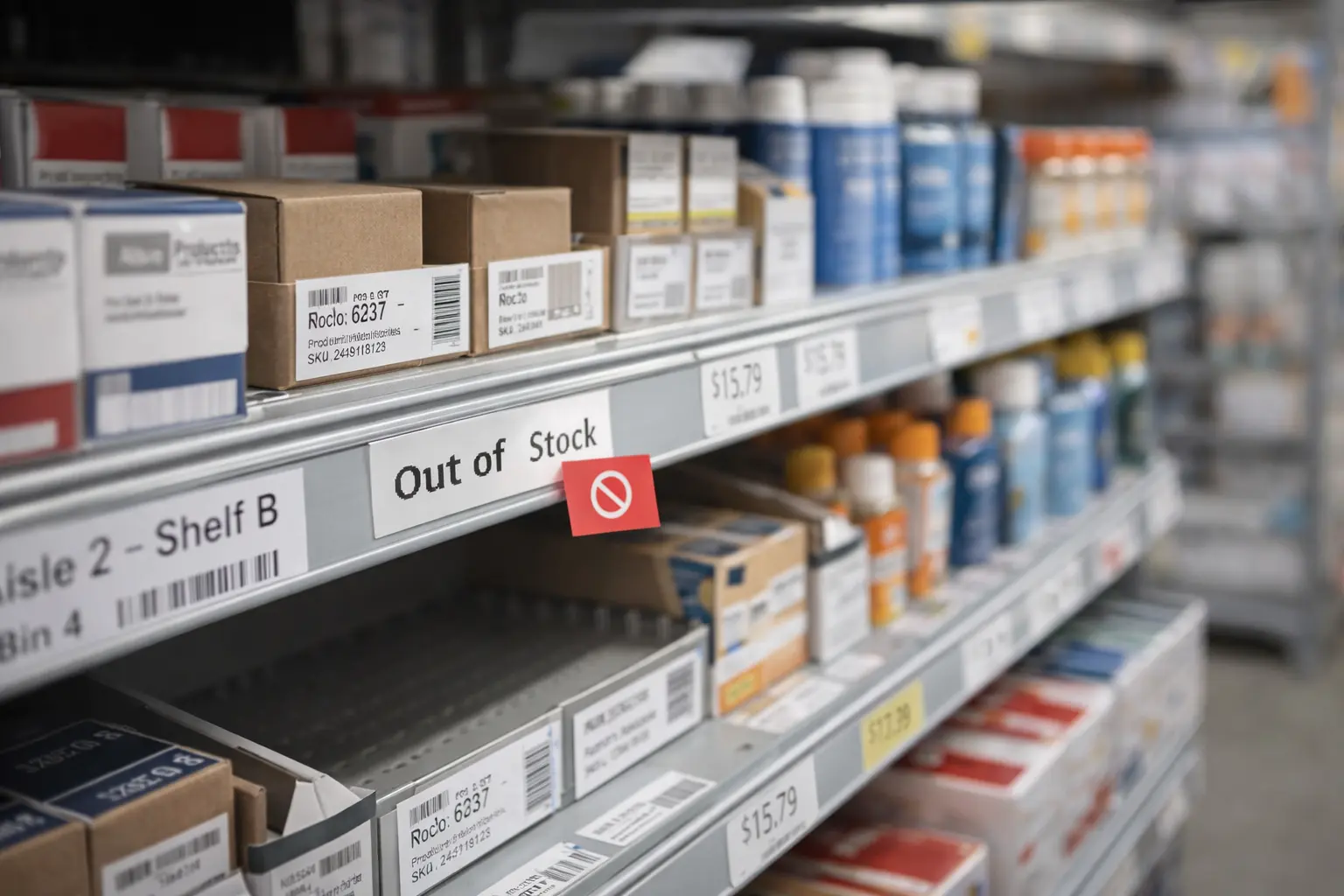
Real-time alerts help prevent 86’d menu interruptions, while analytics help identify which proteins, toppings, and add-ons generate the highest profitability.
Restaurant operators looking to improve customization workflows and operational visibility can explore how Biyo supports scalable build-your-own concepts.
If you want to improve operational efficiency and manage high-modifier restaurant systems more effectively, you can schedule a consultation or learn more about how Biyo supports restaurant growth.
Strategic FAQ
Is a build-your-own meal concept profitable for small restaurants?
Yes. Profitability improves when ingredient counts remain controlled and premium add-ons are priced strategically.
How many ingredient options should restaurants offer?
Most successful concepts stay within approximately 20–35 visible ingredient choices to avoid customer overwhelm and service delays.
Does customization slow restaurant service?
Not necessarily. Well-designed assembly lines and trained staff can maintain fast throughput even with extensive customization.
What POS features are important for build-your-own restaurants?
Unlimited modifiers, real-time inventory tracking, allergy tagging, and dynamic pricing are especially important.
Can customization work outside healthy food concepts?
Absolutely. Pizza, tacos, burgers, pasta, desserts, sandwiches, and many other restaurant categories benefit from structured customization models.