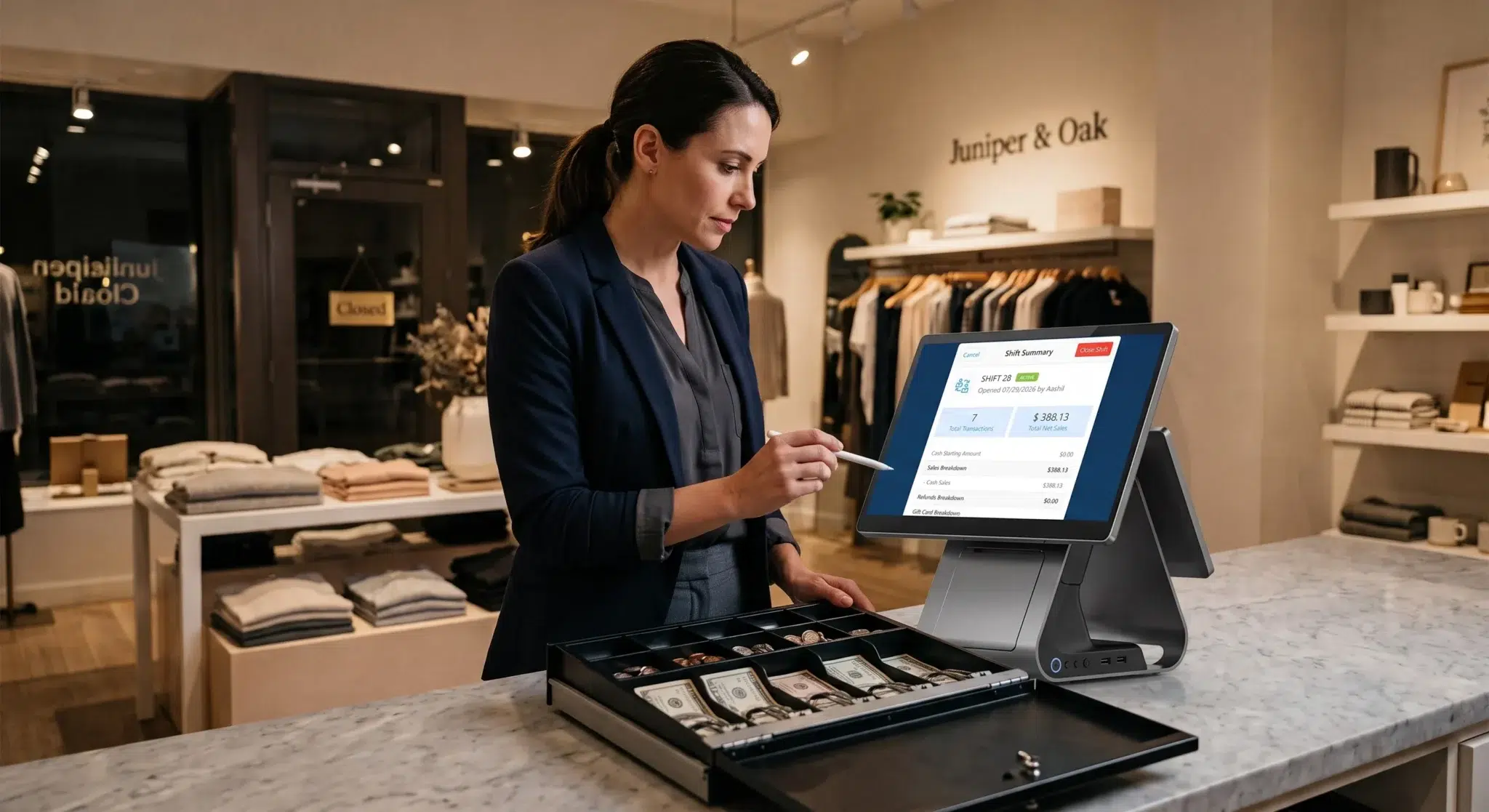
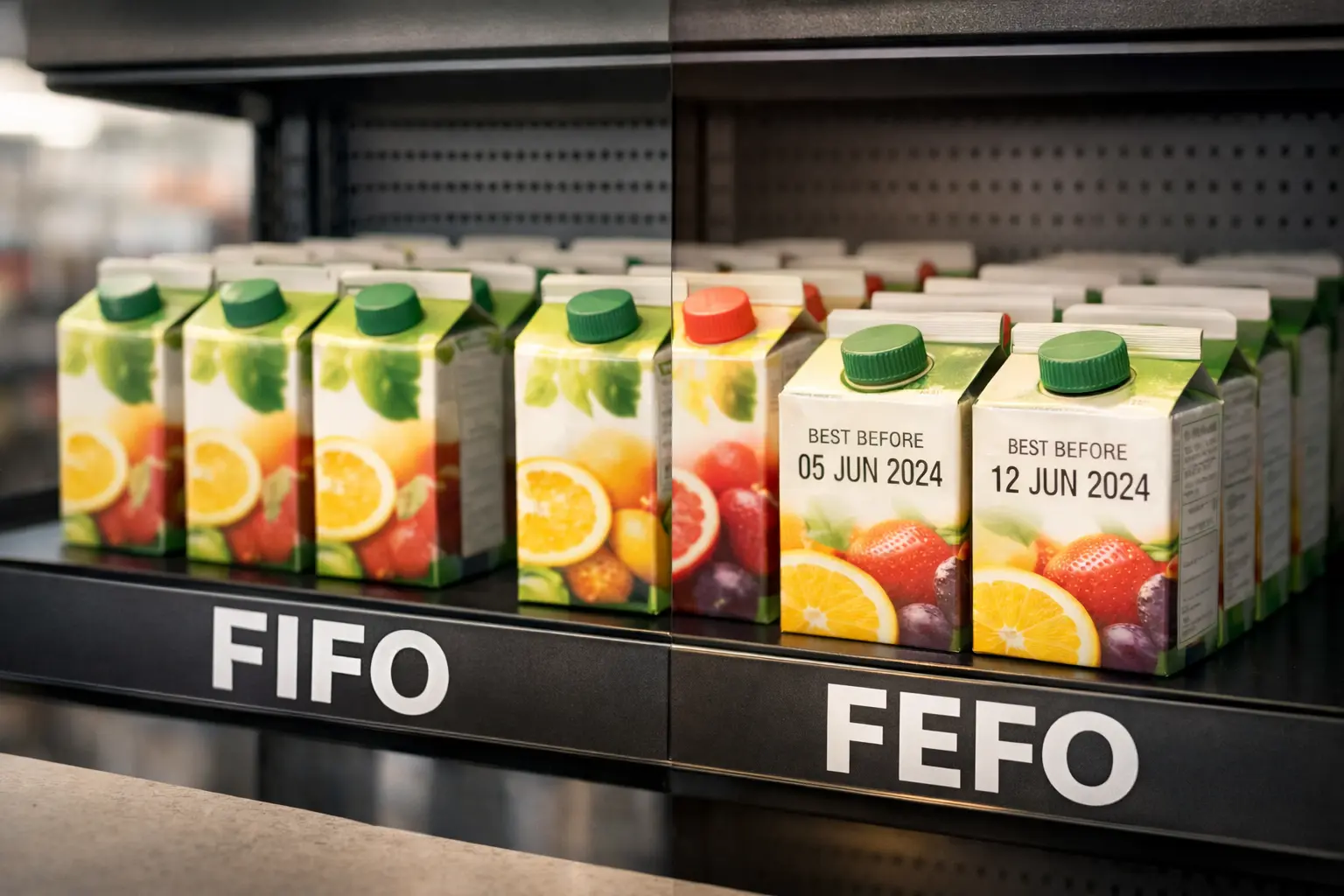
A point of sale report is much more than a record of transactions. It serves as a window into your business performance, revealing how customers shop, which products generate the most revenue, and where opportunities for improvement exist. Every sale, return, discount, and customer interaction creates valuable data that can help business owners make smarter decisions.
Modern POS systems automatically collect and organize this information into detailed reports that are easy to analyze. Instead of relying on assumptions or outdated spreadsheets, businesses can use real-time reporting to understand sales trends, monitor inventory performance, evaluate employee productivity, and improve customer experiences.
Whether you operate a retail store, restaurant, café, convenience store, or service business, understanding POS reports can help you identify growth opportunities and improve profitability. The businesses that consistently review their reporting data are often better positioned to react to market changes, optimize operations, and make informed decisions.
This guide explores the most important point of sale reports, how to interpret the data they provide, and how to turn those insights into meaningful business growth.
Table of Contents
- Why Point of Sale Reports Matter
- The Most Important POS Reports
- How to Analyze POS Data
- Turning POS Insights into Profitable Actions
- Best Practices for POS Reporting
- How Biyo POS Helps You Understand POS Reports
- Frequently Asked Questions
Why Point of Sale Reports Matter
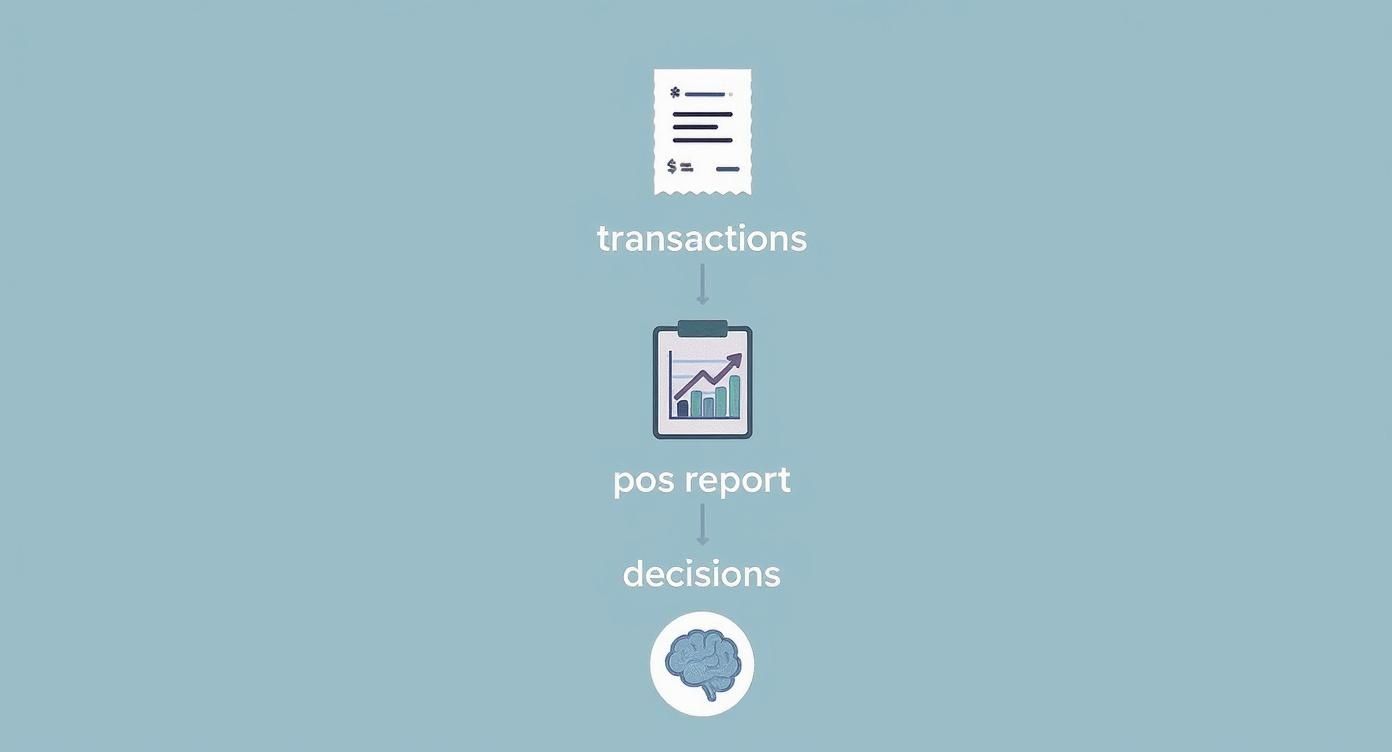
Running a business without reviewing POS reports is similar to driving without a dashboard. Sales may continue to happen, but it becomes difficult to understand performance, identify trends, and make strategic decisions. A point of sale report transforms raw transaction data into meaningful business intelligence.
POS reports help business owners monitor daily performance while also providing a broader view of long-term growth. They highlight which products are generating revenue, when customers are most active, how employees are performing, and whether inventory levels remain aligned with demand.
Rather than relying on intuition alone, business owners can use reporting data to support decisions involving purchasing, staffing, pricing, promotions, and customer engagement. This data-driven approach often leads to stronger operational efficiency and improved profitability.
Identifying Sales Trends
One of the primary benefits of POS reporting is the ability to recognize sales patterns. Businesses can quickly identify which products are performing well, which items are underperforming, and how sales fluctuate throughout the week, month, or year.
Understanding these trends helps businesses forecast demand more accurately and make informed decisions regarding inventory purchases, promotions, and seasonal planning.
By recognizing trends early, businesses can respond proactively rather than reacting after opportunities have been missed.
Understanding Customer Behavior
POS reports provide valuable insight into customer purchasing habits. Businesses can identify frequent customers, evaluate buying patterns, and understand which products are commonly purchased together.
This information supports more effective marketing strategies and allows businesses to create promotions that resonate with their audience. Customer insights can also help improve loyalty programs and increase repeat business.
Understanding customer behavior is often one of the most effective ways to improve long-term revenue growth.
Improving Operational Efficiency
Operational decisions become easier when supported by reliable reporting data. Businesses can determine peak sales periods, evaluate employee performance, and identify inefficiencies that may be affecting profitability.
Managers can use this information to optimize staffing schedules, improve workflow processes, and allocate resources more effectively.
When operations are aligned with actual business performance, organizations often experience stronger productivity and better customer service.
The Most Important POS Reports
Modern POS systems generate a wide variety of reports. While every report provides useful information, some deliver greater value when it comes to managing daily operations and supporting business growth. Understanding the most important reports helps business owners focus on the data that matters most.
Sales Summary Reports
The sales summary report provides a high-level overview of business performance. It typically includes total sales, net sales, taxes collected, discounts applied, refunds processed, and average transaction value.
This report serves as the foundation for understanding overall revenue performance. By comparing sales summaries across different time periods, businesses can identify growth trends and evaluate the effectiveness of promotions and pricing strategies.
Sales summary reports are often among the most frequently reviewed reports because they provide a clear snapshot of business health.
Inventory Reports
Inventory reports help businesses monitor stock levels, product movement, and inventory turnover. These reports reveal which products sell quickly and which items remain on shelves for extended periods.
Maintaining accurate inventory levels is essential for avoiding stockouts while minimizing excess inventory costs. Businesses that actively monitor inventory reports are often better equipped to manage purchasing decisions and improve cash flow.
To better understand the role of POS data in inventory management, explore our guide on POS data and smarter sales tracking.
Customer Reports
Customer reports provide visibility into purchasing behavior, visit frequency, average spending, and loyalty program participation. These insights help businesses understand who their most valuable customers are and how they interact with the brand.
Businesses can use this information to create personalized marketing campaigns, reward loyal customers, and identify opportunities to increase customer retention.
Customer reporting often plays a significant role in developing long-term growth strategies.
Employee Performance Reports
Employee reports help managers evaluate productivity and sales performance across team members. These reports can reveal sales generated per employee, transaction volume, and overall contribution to business performance.
Performance reporting helps identify top performers while also highlighting opportunities for coaching and training.
When used effectively, employee reports support stronger workforce management and improved customer service.
How to Analyze POS Data
Collecting data is only the first step. The real value of a point of sale report comes from understanding what the information means and how it can guide future decisions. Effective analysis helps businesses identify patterns, uncover opportunities, and respond to emerging challenges.
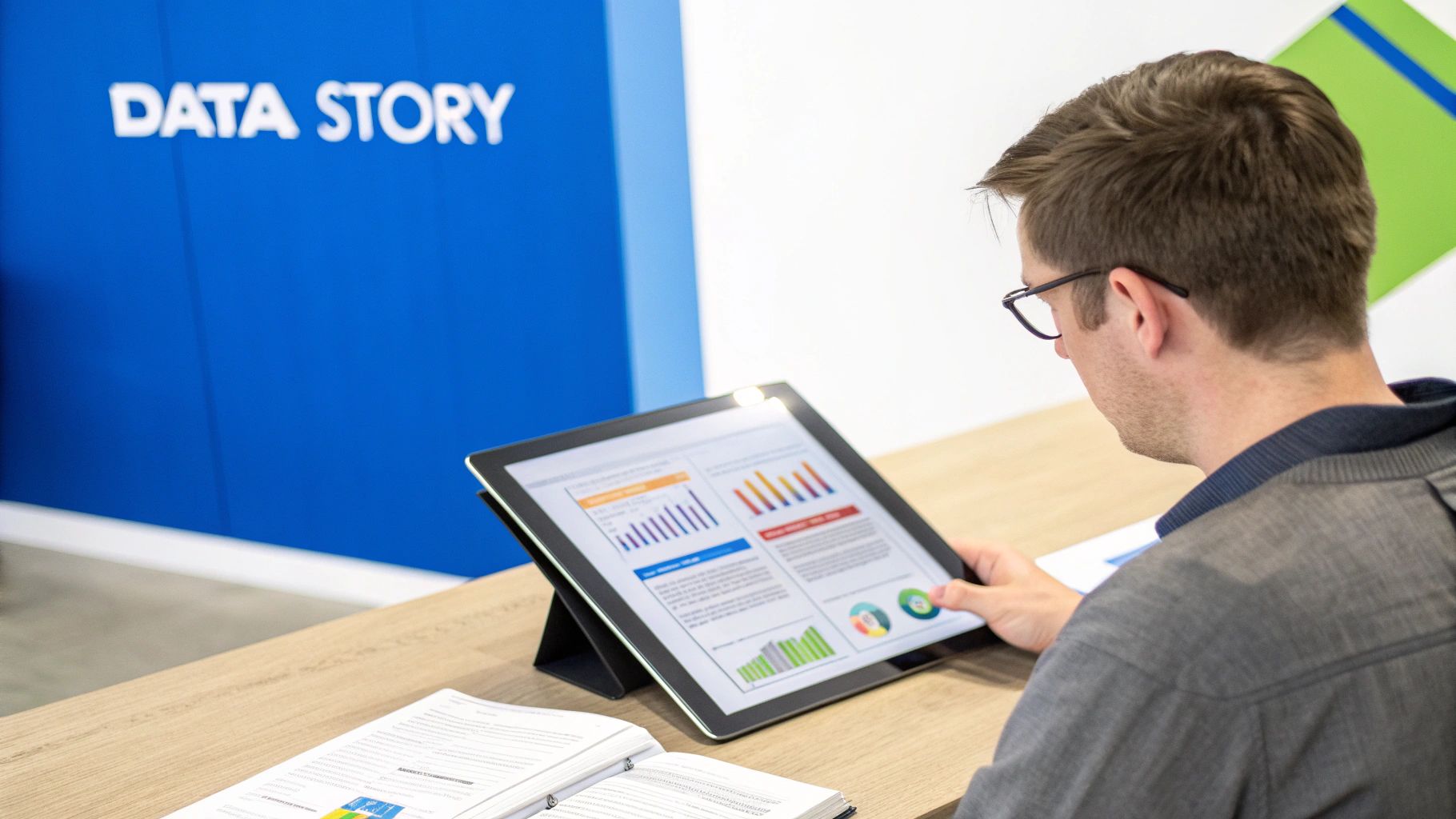
Comparing current performance against previous periods is often one of the simplest ways to identify meaningful trends. Businesses can review daily, weekly, monthly, or yearly data to determine whether performance is improving, declining, or remaining consistent.
Rather than focusing solely on revenue totals, it is important to examine the factors driving those results. Product performance, customer activity, staffing levels, and promotional campaigns often provide valuable context that explains broader sales trends.
Questions such as which products are growing in popularity, which days generate the highest revenue, and which promotions produce the strongest results can help uncover actionable insights.
POS reports do more than show what happened. They help explain why it happened and provide guidance for improving future performance.
Look Beyond Revenue Numbers
Revenue is important, but it only tells part of the story. Businesses should also examine profitability, inventory movement, customer retention, and operational efficiency when reviewing reports.
A product generating strong sales may not necessarily deliver strong profit margins. Likewise, a promotion that increases revenue may not always produce the best long-term results.
Comprehensive analysis helps businesses evaluate performance more accurately.
Compare Time Periods Consistently
Comparing similar time periods helps identify meaningful trends while reducing the impact of seasonal fluctuations. Weekly comparisons, monthly reviews, and year-over-year analysis often provide valuable insight into business performance.
Consistent reporting practices make it easier to spot patterns and evaluate the effectiveness of business initiatives.
Trend analysis is often more valuable than reviewing isolated data points.
Use Multiple Reports Together
The most valuable insights often emerge when multiple reports are analyzed together. Sales reports, customer reports, inventory reports, and employee performance reports each provide a different perspective on business performance.
Combining these data sources creates a more complete picture and supports better decision-making.
Businesses that connect operational and financial insights are often better positioned for sustainable growth.
Turning POS Insights into Profitable Actions
The ultimate goal of reporting is not simply understanding performance—it is using that understanding to improve results. Businesses that consistently act on POS insights are often able to increase efficiency, improve customer experiences, and grow profitability.

Improving Inventory Management
Inventory reports help businesses identify both opportunities and risks. Slow-moving products can be discounted or bundled with popular items, while fast-selling products can be prioritized for restocking.
Using actual sales data to guide purchasing decisions helps reduce waste while improving inventory efficiency.
Better inventory management often leads directly to stronger profitability.
Increasing Average Transaction Value
POS reports frequently reveal opportunities to increase average transaction value through strategic upselling and product bundling. Businesses can identify products commonly purchased together and create promotions that encourage larger purchases.
Training employees to recommend complementary products can further improve results.
Even small increases in average transaction value can have a meaningful impact on overall revenue.
Strengthening Customer Marketing
Customer reports help businesses create more targeted marketing campaigns. Rather than sending generic promotions, businesses can use purchasing history and customer preferences to deliver relevant offers.
Personalized marketing often generates stronger engagement and improves customer retention.
Restaurants and retailers frequently use reporting tools to support these efforts. Learn more in our article on restaurant data analytics.
Best Practices for Effective POS Reporting
Consistent reporting practices help businesses maximize the value of their POS data. Reviewing reports regularly and focusing on meaningful metrics ensures that important insights are not overlooked.
Review Reports on a Regular Schedule
Daily reporting helps monitor sales performance and cash reconciliation, while weekly reporting reveals short-term trends and promotional performance. Monthly reviews provide a broader perspective on profitability, customer retention, and long-term growth.
Maintaining a regular review schedule helps businesses stay informed and respond quickly to changing conditions.
Consistency is often one of the most important factors in successful reporting.
Automate Reporting Processes
Modern POS systems can generate reports automatically and deliver them directly to managers and business owners. Automation reduces manual work while ensuring that important information is available when needed.
Automated reporting also helps maintain consistency and improves access to real-time insights.
The easier reporting becomes, the more likely it is to be used effectively.
Focus on Actionable Metrics
Not every metric deserves equal attention. Businesses should focus on key performance indicators that directly influence growth, profitability, and operational efficiency.
Metrics such as net sales, gross profit, inventory turnover, average transaction value, and customer retention often provide the greatest value.
Prioritizing actionable data helps businesses make more confident decisions.
How Biyo POS Helps You Understand POS Reports
Analyzing reporting data becomes significantly easier when the right tools are available. Biyo POS provides powerful reporting dashboards that transform transaction data into actionable business insights.
Business owners can monitor sales performance, inventory trends, customer behavior, employee productivity, and operational metrics from a centralized platform. Instead of sorting through spreadsheets or compiling reports manually, users gain access to real-time information that supports faster and more informed decision-making.
Biyo POS helps businesses identify trends, evaluate performance, and uncover growth opportunities while maintaining visibility across daily operations. Whether you operate a retail store, restaurant, café, or service business, having access to accurate reporting can help improve efficiency and profitability.
If you’d like to see how advanced reporting works in practice, you can schedule a demo with Biyo POS. Businesses ready to explore the platform can also create an account and begin leveraging data-driven insights to support growth.
Frequently Asked Questions
How often should businesses review POS reports?
Daily reports help monitor immediate performance, weekly reports reveal short-term trends, and monthly reports provide broader insight into profitability, customer retention, and long-term business growth.
What is the most important POS metric?
The most important metric varies by business, but net sales, gross profit margin, average transaction value, and customer retention are commonly used to evaluate overall performance.
Can POS reports improve marketing efforts?
Yes. Customer reports help identify purchasing patterns, customer preferences, and loyalty trends, making it easier to create targeted marketing campaigns and personalized promotions.
What industries benefit from POS reporting?
Retail stores, restaurants, cafés, grocery stores, convenience stores, and service businesses all benefit from POS reporting because it provides valuable insights into sales performance, customer behavior, inventory management, and operational efficiency.
How do POS reports help inventory management?
Inventory reports track stock levels, product movement, and sales performance, helping businesses reduce waste, prevent stock shortages, and make more informed purchasing decisions.
Can POS reports help improve profitability?
Yes. By identifying sales trends, optimizing inventory, improving staffing decisions, and supporting targeted marketing efforts, POS reports help businesses make decisions that can increase profitability over time.