
Whether you own a neighborhood grocery store, operate a chain of supermarkets, or manage an independent food market, the way your business is classified plays an important role in payment processing. Every merchant that accepts credit or debit cards is assigned a Merchant Category Code (MCC), a four-digit number that identifies the primary type of business it operates.
MCC 5411 is one of the most recognized Merchant Category Codes because it’s commonly assigned to grocery stores and supermarkets. Although customers rarely notice it, this classification helps payment processors, banks, and card networks organize transactions, apply rewards programs, and manage merchant accounts more efficiently.
If you’ve ever wondered what MCC 5411 means, whether your business qualifies, or why it matters, this guide covers everything you need to know. You’ll learn how this Merchant Category Code works, how it’s assigned, what types of businesses typically fall under it, and how it compares to other food retail classifications.
At a Glance: MCC 5411
| Category | Details |
|---|---|
| Merchant Category Code | 5411 |
| Category Name | Grocery Stores and Supermarkets |
| Industry | Food Retail |
| Typical Businesses | Supermarkets, grocery stores, neighborhood food markets, independent grocers, and grocery chains. |
| Assigned By | Payment processors and acquiring banks |
| Purpose | Classifies merchants for payment processing, reporting, and transaction analysis. |
Table of Contents
- What Is MCC 5411?
- Which Businesses Qualify for MCC 5411?
- Businesses That Usually Don’t Qualify
- Why Merchant Category Codes Matter
- How Payment Processors Use MCC 5411
- Benefits and Challenges of MCC 5411
- How to Verify Your Merchant Category Code
- MCC 5411 Compared to Similar Merchant Categories
- How Biyo Helps Grocery Stores and Supermarkets
- Frequently Asked Questions
What Is MCC 5411?
Understanding MCC 5411
MCC 5411 is the Merchant Category Code assigned to businesses whose primary activity is selling groceries and household food products. It covers retailers that offer customers a broad selection of everyday grocery items, making it one of the most widely used classifications in the retail industry.
Unlike specialty food retailers that focus on a limited range of products, grocery stores operating under MCC 5411 typically stock fresh produce, dairy products, frozen foods, canned goods, beverages, snacks, bakery items, and household essentials in one location.
Who Assigns Merchant Category Codes?
When a business opens a merchant account, its payment processor or acquiring bank reviews the company’s primary business activity before assigning a Merchant Category Code. The assigned code follows payment network guidelines and helps financial institutions identify the merchant’s industry.
Businesses don’t usually choose their own MCC. Instead, the payment provider determines which category best represents the products or services that generate most of the merchant’s revenue.
Why Grocery Stores Have Their Own MCC
Grocery stores process millions of transactions every day, making them one of the largest retail sectors in the payment industry. Because their business model differs from restaurants, specialty food retailers, bakeries, and convenience stores, they require their own dedicated Merchant Category Code.
This separate classification allows payment providers to categorize grocery merchants consistently while supporting payment processing, reporting, fraud monitoring, and cardholder reward programs.
 Which Businesses Qualify for MCC 5411?
 Which Businesses Qualify for MCC 5411?
Common Business Types
MCC 5411 is typically assigned to businesses that primarily sell groceries and food products for home consumption. These retailers generally offer a wide variety of food categories rather than focusing on a single specialty product.
- Supermarkets
- Neighborhood grocery stores
- Independent grocery retailers
- Regional grocery chains
- Natural food supermarkets
- Community food markets
- Organic grocery stores with full grocery selections
Real-World Example
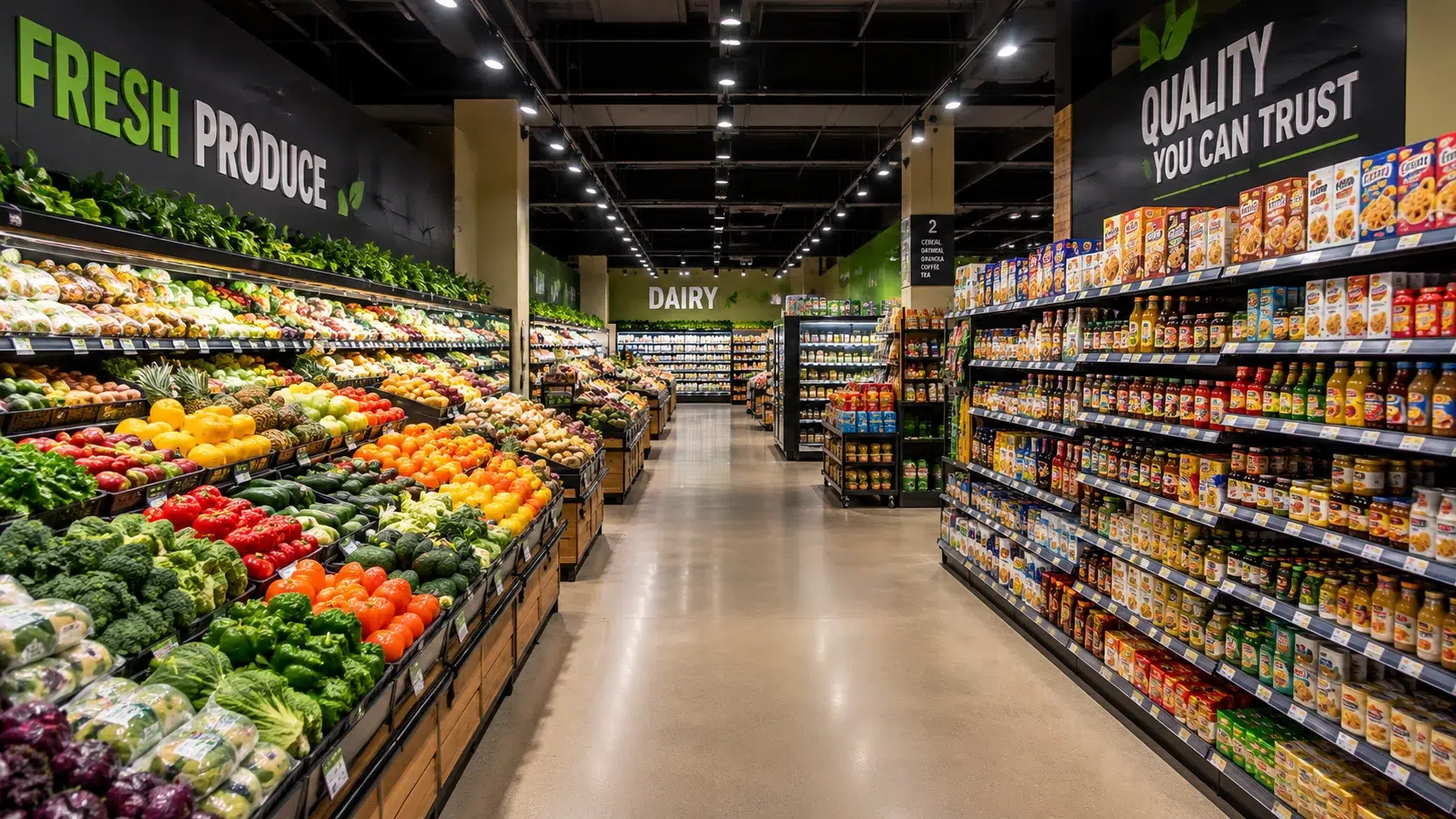
Imagine a neighborhood supermarket where customers can purchase fresh fruits and vegetables, meat, dairy products, frozen meals, beverages, household cleaning supplies, and pantry staples during one shopping trip. Since groceries make up the store’s primary business activity, MCC 5411 would usually be the appropriate classification.
The same applies to large supermarket chains that operate multiple locations while offering customers a comprehensive grocery shopping experience.
How Payment Providers Determine Eligibility
Payment processors look beyond a business name when assigning an MCC. They evaluate what the business primarily sells, where most revenue comes from, and how the company operates on a day-to-day basis.
Even if a grocery store also sells flowers, magazines, or seasonal merchandise, it will generally remain classified under MCC 5411 because grocery sales continue to represent its primary business activity.
Businesses That Usually Don’t Qualify
Retailers with Dedicated Merchant Category Codes
Although many food-related businesses sell grocery products, not all of them qualify for MCC 5411. Payment processors assign more specific Merchant Category Codes when a merchant clearly specializes in a particular area of food retail.
- Specialty food stores
- Retail bakeries
- Meat and seafood markets
- Dairy product stores
- Liquor stores
- Restaurants and cafés
- Convenience stores focused on grab-and-go purchases
Common Classification Misunderstandings
Many business owners assume that selling food automatically qualifies them as a grocery store. In reality, the overall business model is far more important than the individual products available for sale.
A bakery may sell milk, drinks, and packaged snacks, but if baked goods generate most of its revenue, it will typically receive a bakery-related Merchant Category Code instead of MCC 5411.
Why Similar Stores Receive Different MCCs
Two stores may appear similar to customers while operating under different Merchant Category Codes. One retailer may function as a full-service grocery store, while another focuses primarily on specialty imported foods or convenience products.
Payment processors classify merchants according to their primary activity, ensuring businesses are grouped with others that operate in the same way rather than simply selling similar products.
Why Merchant Category Codes Matter
Keeping Payment Processing Organized
Merchant Category Codes help payment processors identify the type of business involved in every card transaction. Standardized classifications make payment processing more efficient while reducing confusion across banks, processors, and card networks.
Without Merchant Category Codes, organizing millions of daily transactions across thousands of industries would be far more complicated.
Supporting Rewards and Reporting
Many credit card issuers use Merchant Category Codes when determining whether purchases qualify for grocery cashback or rewards programs. While each issuer has its own rules, MCC 5411 often plays a role in identifying eligible grocery purchases.
These classifications also support merchant reporting, helping financial institutions organize businesses into recognized industries for analysis and account management.
Helping Prevent Fraud
Merchant Category Codes provide valuable context during transaction monitoring. Combined with spending patterns and account history, they help payment providers identify activity that may require additional review.
Although MCC 5411 doesn’t prevent fraud on its own, it contributes to the systems that financial institutions use to monitor payment activity across the grocery industry.
How Payment Processors Use MCC 5411
Merchant Classification
When a grocery store begins accepting card payments, its Merchant Category Code becomes part of every transaction it processes. MCC 5411 helps payment processors identify the business as a grocery retailer, allowing transactions to be handled according to the merchant’s primary industry.
This consistent classification benefits both merchants and financial institutions. It enables banks, processors, and card networks to recognize grocery stores using the same standard, regardless of where the business operates.
Risk Assessment and Account Management
Payment processors consider several factors when evaluating a merchant account, and the assigned Merchant Category Code is one of them. MCC 5411 helps identify the business sector, giving providers a clearer understanding of the merchant’s operations during onboarding and ongoing account reviews.
However, it’s important to remember that processing rates aren’t based solely on the MCC. Transaction volume, average purchase value, chargeback history, and business performance also play significant roles in determining account terms.
Reporting and Transaction Monitoring
Merchant Category Codes also improve reporting by grouping businesses into recognized industries. This allows payment providers to organize transaction data, generate industry reports, and monitor payment activity more effectively.
Fraud prevention systems also benefit from these classifications. By understanding the typical transaction patterns of grocery stores, payment processors can better identify activity that falls outside normal purchasing behavior.
Benefits and Challenges of MCC 5411
Benefits for Grocery Retailers
MCC 5411 accurately represents businesses whose primary purpose is selling groceries and everyday household food items. This dedicated classification helps distinguish supermarkets from other food retailers while creating consistency throughout the payment ecosystem.
For merchants, accurate classification means fewer misunderstandings when discussing payment processing, merchant reporting, or account management with financial institutions.
Potential Challenges
The most common issue isn’t MCC 5411 itself but receiving an incorrect Merchant Category Code. If a grocery business is mistakenly classified as another type of retailer, it may create unnecessary confusion when reviewing merchant account information or discussing payment services.
Businesses can also outgrow their original classification. For example, a small grocery store that expands into a specialty retail concept or significantly changes its product mix may eventually require a different Merchant Category Code.
Best Practices for Business Owners
Review your merchant account details periodically and ensure your Merchant Category Code still reflects your primary business activity. If your operations change, notify your payment processor so they can determine whether your classification should be updated.
Keeping your merchant profile accurate helps payment providers better understand your business while supporting smoother communication whenever account questions arise.
How to Verify Your Merchant Category Code
Where to Find Your MCC
If you’re unsure whether your business has been assigned MCC 5411, your payment processor is usually the best place to start. Most providers store this information within your merchant account profile and can confirm your classification upon request.
You may also find your Merchant Category Code in your merchant agreement, onboarding documents, monthly processing statements, or online merchant dashboard.
How to Request a Review
If you believe your business has been assigned the wrong Merchant Category Code, contact your payment processor and explain why another classification better represents your primary business activity. Supporting information such as your website, product catalog, or business description may help during the review process.
The payment provider will evaluate your request using card network guidelines before deciding whether your Merchant Category Code should be updated.
When Your MCC May Change
Merchant Category Codes can change if a business significantly changes its operations. Expanding into another retail sector, shifting your primary source of revenue, or introducing an entirely new business model may require a different classification.
Although these changes don’t happen frequently, keeping your payment processor informed helps ensure your merchant account remains accurate as your business evolves.
MCC 5411 Compared to Similar Merchant Categories
 MCC 5411 Compared to Similar Merchant Categories
MCC 5411 vs. Specialty Food Stores
The biggest difference between MCC 5411 and specialty food classifications is product variety. Grocery stores provide customers with a complete shopping experience by offering multiple food categories under one roof, while specialty retailers focus on a narrower selection such as gourmet foods, organic products, spices, or imported goods.
MCC 5411 vs. Other Food Retail Businesses
Businesses such as bakeries, meat markets, liquor stores, and dairy retailers generally receive dedicated Merchant Category Codes because their primary activities differ from traditional grocery stores. Even though these merchants sell food, their business models are more specialized than supermarkets or neighborhood grocery stores.
Comparison Table
| Merchant Category Code | Business Type | Primary Focus |
|---|---|---|
| 5411 | Grocery Stores & Supermarkets | General grocery shopping with a wide range of food and household essentials. |
| 5422 | Meat & Seafood Markets | Fresh meat, poultry, and seafood products. |
| 5462 | Retail Bakeries | Bread, cakes, pastries, and baked goods. |
| 5499 | Specialty Food Stores | Gourmet foods, convenience items, and niche grocery products. |
| 5921 | Liquor Stores | Beer, wine, spirits, and alcoholic beverages. |
How Biyo Helps Grocery Stores and Supermarkets
Running a grocery store means managing thousands of products, monitoring inventory, processing transactions quickly, and keeping daily operations organized. Biyo POS brings these essential tasks together in one platform, helping grocery retailers manage inventory, track sales in real time, and simplify store operations from a single dashboard.
Whether you operate a single grocery store or multiple supermarket locations, Biyo gives you the tools to run your business more efficiently while providing valuable insights into sales and inventory performance. Schedule a demo to see Biyo in action or create your account to explore how it can support your business.
Frequently Asked Questions
What is MCC 5411?
MCC 5411 is the Merchant Category Code assigned to grocery stores and supermarkets. It identifies businesses whose primary activity involves selling groceries, food products, and household essentials.
Who assigns MCC 5411?
Payment processors and acquiring banks assign Merchant Category Codes when merchants open payment processing accounts. The assigned code reflects the merchant’s primary business activity.
Can a grocery store have a different MCC?
Yes. If a business primarily operates as a specialty food retailer, bakery, liquor store, or another type of food business, it may receive a different Merchant Category Code even if it sells grocery products.
Does MCC 5411 affect credit card rewards?
Many credit card issuers use Merchant Category Codes to determine whether purchases qualify for grocery rewards or cashback programs. Eligibility depends on the individual card issuer and the terms of the rewards program.
How can I verify my Merchant Category Code?
You can verify your Merchant Category Code by contacting your payment processor, reviewing your merchant account documents, or checking your online merchant dashboard.
Can my Merchant Category Code change over time?
Yes. If your business model changes significantly, your payment processor may review your account and assign a different Merchant Category Code that better reflects your primary business activity.