
Every time a customer taps a credit card to pay for lunch or dinner, a lot more happens than simply moving money from one bank account to another. Behind the scenes, payment processors rely on a standardized system to identify the type of business accepting the payment. That’s where Merchant Category Codes (MCCs) come in.
If you operate a restaurant, café, diner, or similar food service business, there’s a good chance your business has been assigned MCC 5812. While most customers never see this four-digit code, it helps banks, card networks, and payment processors classify your business correctly. It can also influence reporting, transaction monitoring, and even the rewards customers earn when using certain credit cards.
Understanding how MCC 5812 works can help you make sense of your merchant account, avoid common misconceptions, and ensure your business is classified appropriately. In this guide, we’ll explain who qualifies for MCC 5812, how payment providers use it, and how it compares with other restaurant-related Merchant Category Codes.
At a Glance: MCC 5812
| Category | Details |
|---|---|
| Merchant Category Code | 5812 |
| Category Name | Eating Places and Restaurants |
| Industry | Restaurant & Food Service |
| Typical Businesses | Restaurants, cafés, diners, bistros, grills, and full-service dining establishments |
| Assigned By | Payment processors and acquiring banks |
| Purpose | Identifies restaurant merchants for payment processing and reporting |
Table of Contents
- What Is MCC 5812?
- Which Businesses Qualify for MCC 5812?
- Businesses That Usually Don’t Qualify
- Why Merchant Category Codes Matter
- How Payment Processors Use MCC 5812
- Benefits and Challenges of MCC 5812
- How to Verify Your Merchant Category Code
- MCC 5812 Compared to Similar Merchant Categories
- How Biyo Helps Restaurants
- Frequently Asked Questions
What Is MCC 5812?
What Does MCC 5812 Mean?
MCC 5812 is the Merchant Category Code used to classify businesses whose primary activity is preparing and serving food for immediate consumption. It’s commonly assigned to full-service restaurants, cafés, diners, and similar establishments where customers purchase ready-to-eat meals instead of groceries or packaged food products.
Think of MCC 5812 as a label that tells payment networks what your business does. It doesn’t describe the quality of your restaurant or the type of cuisine you serve. Instead, it simply identifies your business as part of the restaurant industry, making it easier for financial institutions to process and organize card transactions.
Who Assigns MCC 5812?
Your Merchant Category Code isn’t something you select yourself. When you apply for a merchant account, your payment processor or acquiring bank reviews your business before assigning the category that best matches your primary activity.
For example, a steakhouse, sushi restaurant, and neighborhood café may have completely different menus, but they all prepare meals for immediate consumption. Because of that shared business model, they may all receive MCC 5812.
Why Restaurants Have a Separate Merchant Category Code
Restaurants operate differently from grocery stores, bakeries, caterers, and convenience stores. Customers aren’t buying ingredients to prepare meals at home—they’re paying for food that’s ready to eat. That difference may seem small, but it’s significant enough to require its own Merchant Category Code.
Creating separate categories for different types of food businesses helps payment providers classify merchants more accurately. It also creates consistency across banks, processors, and card networks, allowing everyone to use the same standards when handling restaurant transactions.
 Which Businesses Qualify for MCC 5812?
 Which Businesses Qualify for MCC 5812?
Businesses Commonly Assigned MCC 5812
MCC 5812 covers a broad range of restaurants where preparing and serving meals is the primary source of revenue. The size of the business doesn’t matter nearly as much as the way it operates.
- Full-service restaurants
- Family restaurants
- Cafés
- Bistros
- Diners
- Steakhouses
- Seafood restaurants
- Pizza restaurants with table service
- Ethnic restaurants
- Independent restaurants and restaurant chains
A Practical Example
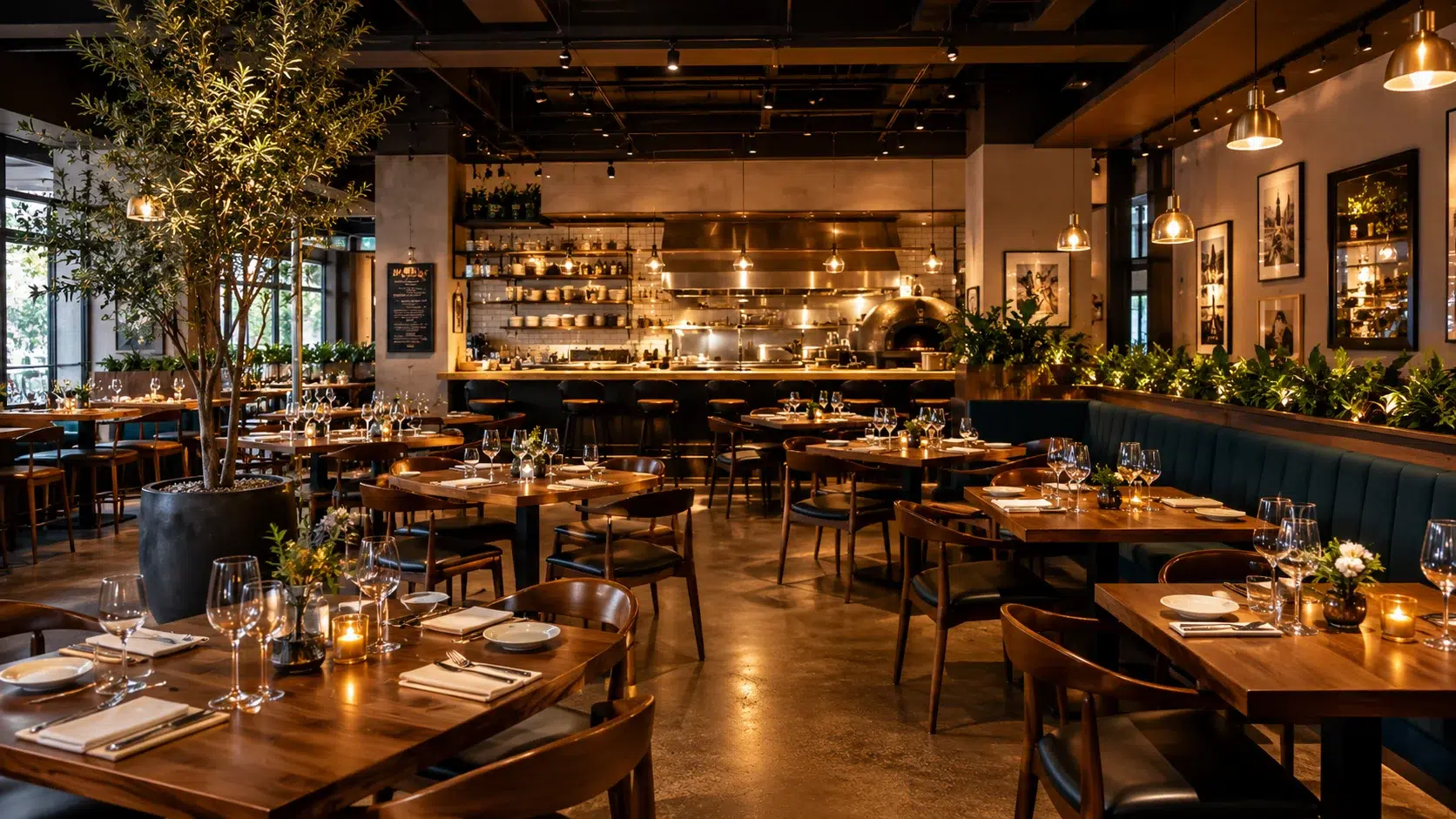
Picture a local Italian restaurant that’s open for lunch and dinner. Guests can dine inside, place takeaway orders, or request delivery through online ordering platforms. Although customers choose different ways to order, the business still revolves around preparing freshly made meals. That’s exactly the type of operation MCC 5812 was designed for.
The same principle applies to many independent cafés and neighborhood restaurants. As long as serving prepared food remains the business’s primary activity, MCC 5812 will usually be the appropriate classification.
How Payment Providers Decide
Payment processors don’t assign Merchant Category Codes based solely on a business name. Instead, they evaluate how the business actually operates. They consider what customers primarily purchase, where revenue comes from, and the merchant’s overall business model.
For instance, a restaurant may also sell bottled sauces, branded merchandise, or gift cards. Those additional products rarely change the Merchant Category Code because the business still earns most of its revenue by serving prepared meals.
Businesses That Usually Don’t Qualify
Food Businesses with Different Merchant Category Codes
Not every business that serves food belongs under MCC 5812. Several food-related industries have their own Merchant Category Codes because they operate differently from traditional restaurants.
- Fast-food restaurants
- Caterers
- Bars and taverns
- Grocery stores
- Convenience stores
- Retail bakeries
- Specialty food retailers
Why Similar Businesses Can Have Different MCCs
It’s easy to assume that two businesses selling similar meals should have the same Merchant Category Code, but that’s not always how payment classification works. The deciding factor is the merchant’s primary business activity rather than the food itself.
A full-service burger restaurant and a quick-service burger chain might sell nearly identical menu items, yet each business can receive a different Merchant Category Code because the customer experience and operating model are different.
A Common Misunderstanding
Many restaurant owners believe Merchant Category Codes are based on menu type or cuisine. In reality, payment processors are much more interested in how a business operates than whether it serves pizza, seafood, or Mexican food. Understanding that distinction helps explain why similar restaurants don’t always share the same MCC.
Why Merchant Category Codes Matter
Keeping Payments Organized
Every day, payment processors handle millions of transactions from businesses across countless industries. Merchant Category Codes create a common language that allows restaurants, retailers, hotels, and service businesses to be identified quickly and consistently.
Without this standardized system, processing and organizing card payments across different industries would be significantly more complicated.
Supporting Rewards and Merchant Reporting
Many credit card issuers rely on Merchant Category Codes when deciding whether purchases qualify for dining rewards or cashback offers. Although every rewards program has its own rules, MCC 5812 often helps identify restaurant purchases that may be eligible.
Merchant Category Codes also support reporting by grouping similar businesses together, making it easier for payment providers to generate meaningful transaction data and industry insights.
Helping Detect Unusual Activity
Merchant Category Codes also contribute to fraud prevention. Payment providers combine the assigned MCC with transaction history, purchasing behavior, and other risk indicators to identify activity that appears unusual.
While MCC 5812 doesn’t prevent fraud on its own, it provides valuable context that helps financial institutions better understand the transactions flowing through a restaurant’s merchant account.
How Payment Processors Use MCC 5812
Identifying Restaurant Businesses
Once your merchant account is approved, MCC 5812 becomes part of your payment profile. Every card transaction processed by your restaurant carries this classification, allowing payment processors to immediately recognize the type of business accepting the payment.
This standardization keeps payment processing consistent across the industry. Whether a customer pays at a neighborhood café or a national restaurant chain, the transaction is categorized using the same Merchant Category Code, making reporting and transaction management much more efficient.
Supporting Merchant Account Management
Merchant Category Codes also help payment providers understand the businesses they work with. While MCC 5812 is only one factor considered during account reviews, it provides valuable context about the merchant’s primary business activity.
It’s important to note that your Merchant Category Code doesn’t determine processing fees on its own. Payment processors also consider factors such as monthly transaction volume, average ticket size, chargeback history, business age, and overall account performance.
Improving Reporting and Transaction Monitoring
Accurate merchant classifications make reporting more meaningful. Financial institutions can group restaurants together, analyze payment trends across the hospitality industry, and provide merchants with organized transaction data.
Merchant Category Codes also support fraud detection systems. When combined with spending behavior and transaction history, they help payment providers identify activity that doesn’t match the normal patterns of a restaurant business.
Benefits and Challenges of MCC 5812
Benefits of the Right Classification
MCC 5812 provides restaurants with a classification that accurately reflects how they operate. Rather than grouping restaurants with grocery stores or other food retailers, payment providers can distinguish businesses based on their primary activity.
This consistency benefits everyone involved in the payment process. Restaurants, banks, processors, and card networks all rely on the same classification system, making merchant management and reporting far more organized.
Potential Challenges
The most common issue isn’t MCC 5812 itself—it’s being assigned the wrong Merchant Category Code. An incorrect classification can create confusion when reviewing merchant account information or discussing payment services with your provider.
Business models also evolve over time. A restaurant that later focuses primarily on catering or transitions into a quick-service operation may require a different Merchant Category Code to accurately represent its primary activity.
Best Practices for Restaurant Owners
Review your merchant account details occasionally to confirm your Merchant Category Code still reflects your business. If you’ve significantly changed your operations, it’s worth discussing your classification with your payment processor.
Keeping your merchant information accurate helps ensure smoother communication with your payment provider and gives you confidence that your business is categorized appropriately.
How to Verify Your Merchant Category Code
Check Your Merchant Account
If you’re unsure whether your restaurant uses MCC 5812, start by reviewing your merchant account information. Many payment processors include the assigned Merchant Category Code in onboarding documents, merchant statements, or online account dashboards.
If you can’t locate it yourself, your payment provider’s support team can usually confirm your classification within a few minutes.
Request a Classification Review
If you believe your restaurant has been assigned the wrong Merchant Category Code, contact your payment processor and request a review. They may ask for details about your menu, business operations, website, or primary source of revenue before determining whether another classification is more appropriate.
Remember that Merchant Category Codes follow industry guidelines, so the final decision is based on your business activity rather than personal preference.
Know When Your MCC Might Change
Merchant Category Codes aren’t permanent. If your restaurant changes its business model—for example, by becoming a catering company or transitioning into a fast-food concept—your payment processor may update the classification to better reflect how your business operates.
Keeping your merchant profile up to date ensures your payment account accurately represents your restaurant as it grows and evolves.
MCC 5812 Compared to Similar Merchant Categories
 MCC 5812 Compared to Similar Merchant Categories
MCC 5812 vs. Fast Food Restaurants
One of the most common points of confusion is the difference between MCC 5812 and fast-food restaurant classifications. While both businesses prepare meals, full-service restaurants generally offer table service or a traditional dining experience, whereas quick-service restaurants focus on speed, counter service, or drive-thru operations.
MCC 5812 vs. Other Food Service Businesses
Catering companies, bars, grocery stores, bakeries, and specialty food retailers each have their own Merchant Category Codes because they serve customers differently. Although these businesses all sell food or beverages, their primary operations differ from traditional restaurants.
Comparison Table
| Merchant Category Code | Business Type | Primary Business Activity |
|---|---|---|
| 5812 | Eating Places & Restaurants | Preparing and serving meals for immediate consumption. |
| 5814 | Fast Food Restaurants | Quick-service restaurants focused on fast ordering and takeaway. |
| 5811 | Caterers | Preparing and serving food for events and off-site functions. |
| 5813 | Bars, Taverns & Nightclubs | Businesses primarily serving alcoholic beverages. |
| 5411 | Grocery Stores & Supermarkets | Selling groceries and household food products for home consumption. |
How Biyo Helps Restaurants
Running a restaurant means balancing fast service, accurate orders, inventory management, and daily sales reporting. Biyo POS brings these essential tasks together in one platform, helping restaurants simplify operations while delivering a smoother experience for both staff and customers.
Whether you manage a single restaurant or multiple locations, Biyo gives you the tools to stay organized and make informed business decisions. Schedule a demo to see Biyo in action or create your account to explore the platform.
Frequently Asked Questions
What is MCC 5812?
MCC 5812 is the Merchant Category Code assigned to restaurants and eating places that primarily prepare and serve food for immediate consumption.
Who assigns MCC 5812?
Merchant Category Codes are assigned by payment processors or acquiring banks when a business opens a merchant account. The assigned code reflects the merchant’s primary business activity.
Can my restaurant have a different Merchant Category Code?
Yes. Restaurants that primarily operate as fast-food establishments, catering businesses, or bars may receive a different Merchant Category Code depending on how the business operates.
Does MCC 5812 affect restaurant rewards?
Many credit card issuers use Merchant Category Codes to determine whether purchases qualify for restaurant rewards or cashback. Eligibility depends on the specific card issuer and rewards program.
How do I find my Merchant Category Code?
You can verify your Merchant Category Code by checking your merchant account documents, reviewing your payment processor’s dashboard, or contacting your payment provider.
Can MCC 5812 change?
Yes. If your restaurant changes its primary business model, your payment processor may review your account and assign a different Merchant Category Code that better reflects your operations.