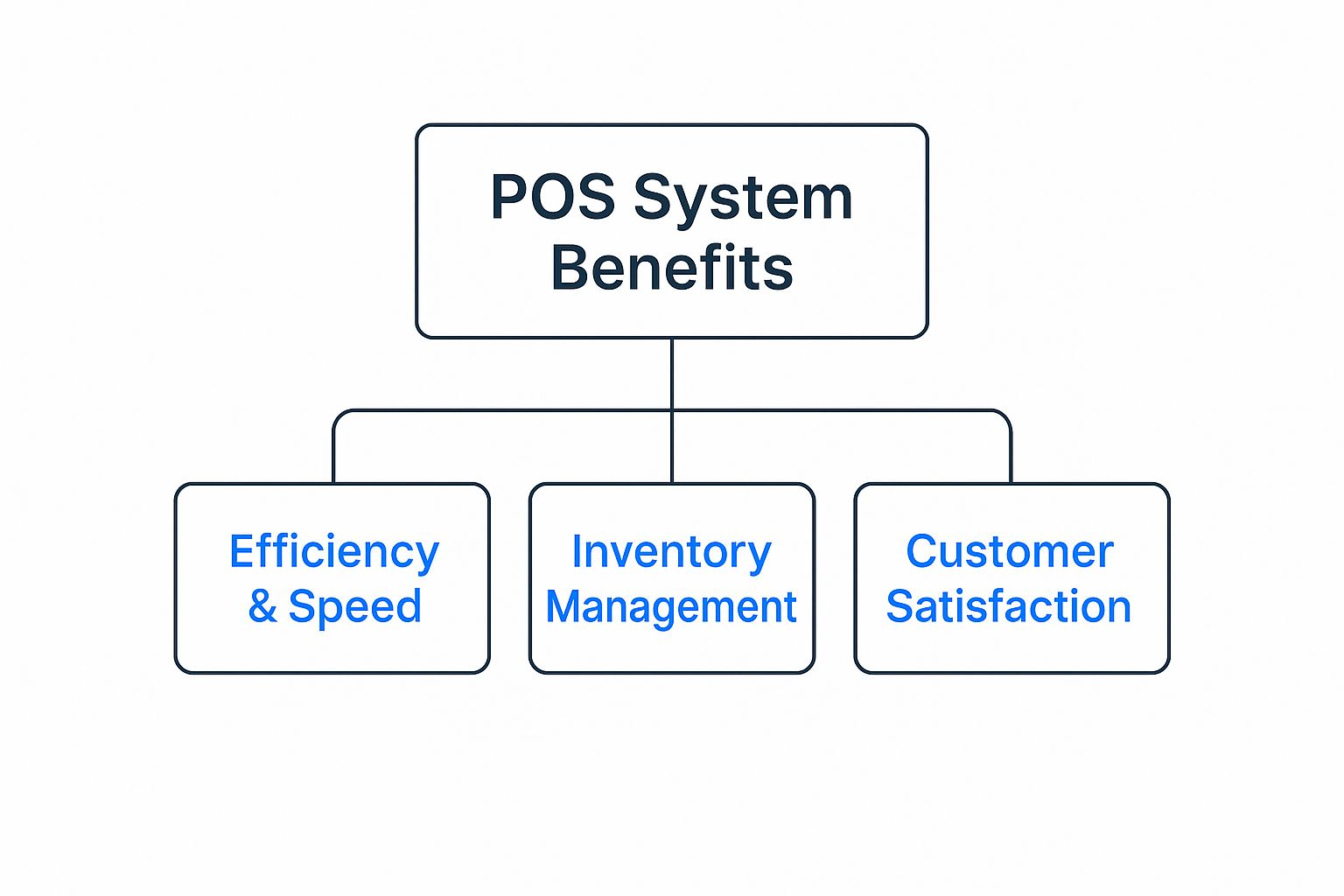
When you break it down, the true value of a modern POS system comes from the way it improves efficiency, strengthens inventory control, and provides the business insights needed to make smarter decisions. A POS system is no longer just a machine that processes payments. It has evolved into the operational center of modern retail stores, restaurants, cafés, and service-based businesses.
Every transaction processed through a POS system generates valuable information. Instead of simply recording sales, modern systems track customer behavior, monitor inventory movement, generate sales reports, and automate many of the repetitive tasks that traditionally consumed hours of manual work.
For businesses operating in competitive markets, these capabilities create major advantages. Owners gain better visibility into daily operations while customers experience faster service, smoother checkout experiences, and more consistent support.
Modern POS technology helps businesses:
- Process transactions faster
- Track inventory automatically
- Reduce operational errors
- Monitor sales performance in real time
- Build customer loyalty programs
- Improve employee management
- Access business data remotely
Instead of relying on disconnected spreadsheets, manual inventory counts, and outdated cash registers, businesses can manage nearly every operational task from one centralized platform.
This guide explores the real benefits of a POS system, how modern POS technology improves daily operations, and why businesses increasingly rely on cloud-based systems to support long-term growth.
Table of Contents
- Move Beyond Traditional Cash Registers
- Streamline Operations and Improve Efficiency
- Gain Complete Inventory Control
- Use Sales Data to Make Smarter Decisions
- Improve Customer Experience and Loyalty
- Simplify Employee Management
- Why Cloud-Based POS Systems Matter
- How Biyo POS Helps Businesses Operate More Efficiently
- Frequently Asked Questions
Move Beyond Traditional Cash Registers
Traditional cash registers were designed for one primary task: recording sales and storing cash securely. While they served businesses well for decades, they offer very limited functionality compared to modern POS systems.
A modern POS system acts more like a connected business management platform than a simple register. Instead of operating independently, today’s systems integrate sales processing, inventory management, reporting, customer tracking, and payment processing into one connected ecosystem.
This shift represents a major transformation in how businesses operate. Around the world, companies are rapidly replacing traditional systems with cloud-based POS technology because they need faster, more flexible, and data-driven operations.
The growth of POS technology reflects this demand. By 2022, China alone had approximately 46.8 million POS terminals in operation, while the United States had around 23 million. These numbers highlight how essential POS systems have become in global commerce.
Unlike older cash registers, modern POS systems support:
- Real-time inventory synchronization
- Digital payment processing
- Customer purchase tracking
- Detailed sales reporting
- Multi-location management
- E-commerce integration
This expanded functionality allows businesses to operate more efficiently while gaining far greater visibility into daily performance.
The POS System as a Business Command Center
One of the biggest advantages of a modern POS system is centralization.
Instead of managing separate systems for inventory, customer records, and sales reports, businesses can operate everything through one platform. This reduces administrative complexity while making information easier to access and analyze.
For example, every completed transaction automatically updates inventory levels, records customer purchase history, and contributes to sales analytics. Business owners no longer need to manually reconcile multiple systems at the end of the day.
This automation saves time while reducing human error.
Streamline Operations and Improve Efficiency
Operational efficiency is one of the most immediate benefits businesses notice after implementing a modern POS system.
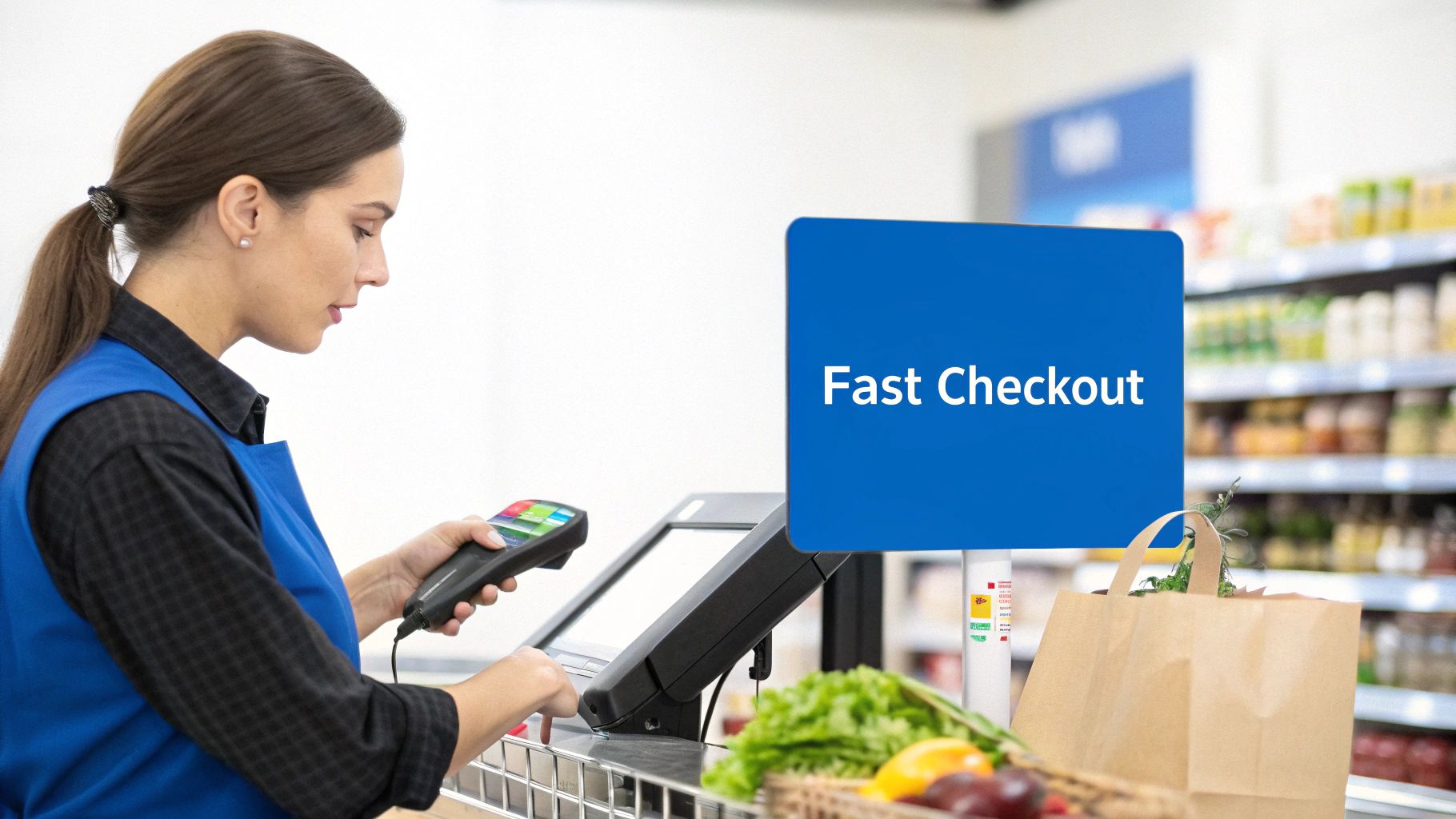
During busy periods, even small inefficiencies can create long checkout lines, frustrated customers, and stressed employees. A POS system helps reduce these bottlenecks by automating repetitive processes and improving workflow coordination.
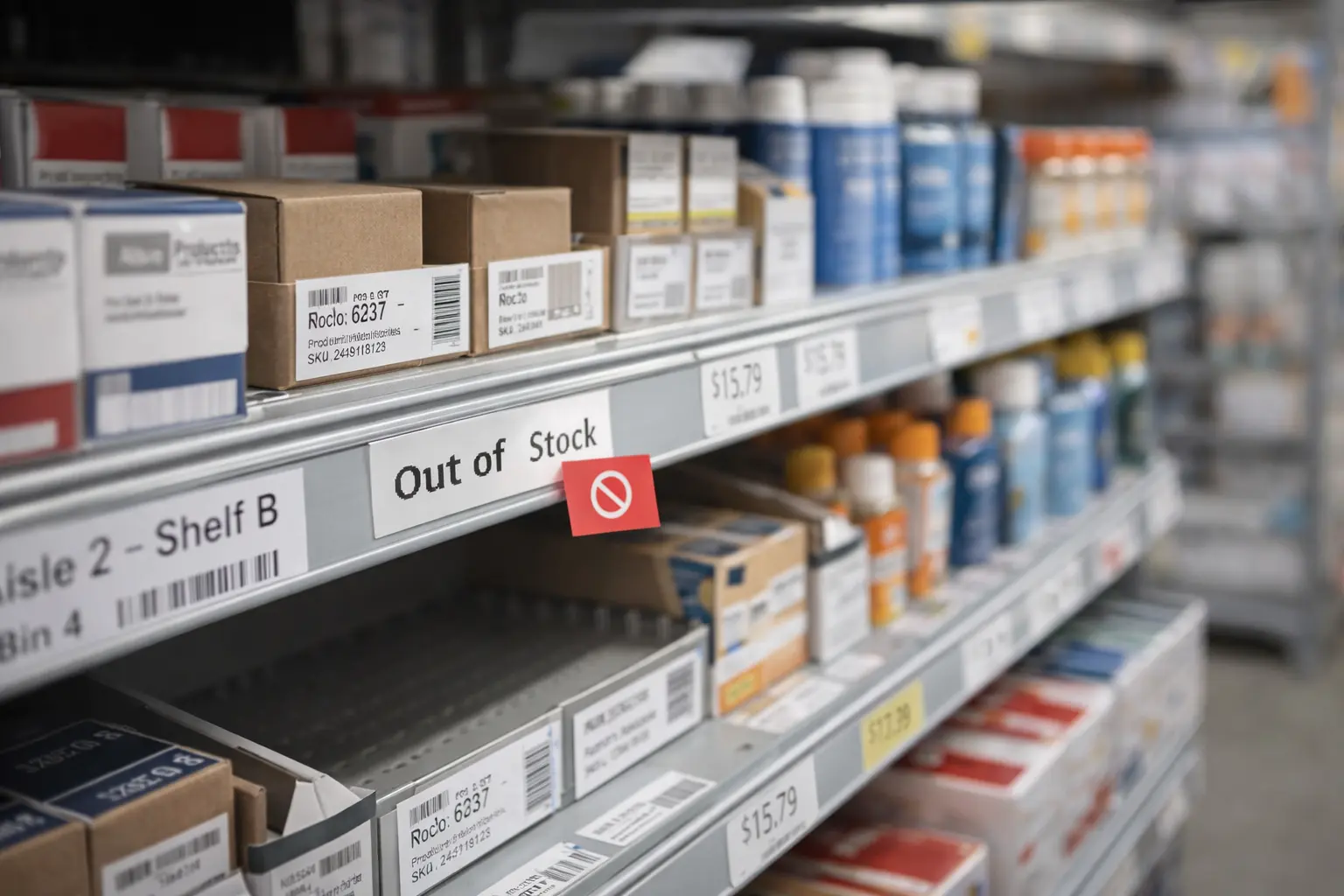
For example, if a café runs out of a specific pastry item during a morning rush, employees can instantly update menu availability across all POS terminals. Customers immediately see the updated availability without staff repeatedly explaining that the item is sold out.
This type of real-time synchronization improves both speed and communication.
Long wait times are costly for businesses. Studies consistently show that customers are far less likely to return after negative checkout experiences. Faster transactions directly improve customer satisfaction while increasing transaction volume during peak periods.
Reduce Human Error Through Automation
Manual processes often create operational mistakes.
Employees may accidentally enter incorrect prices, miscalculate totals, or record inventory inaccurately. Even small errors can reduce profits over time while damaging customer trust.
Modern POS systems automate many of these processes to improve accuracy.
For example, barcode scanning ensures products are priced correctly while inventory updates automatically after each sale. Refunds and returns can also be processed quickly and consistently without complicated manual calculations.
Automation helps businesses:
- Reduce pricing errors
- Improve transaction accuracy
- Minimize inventory discrepancies
- Simplify order management
- Improve operational consistency
This consistency becomes especially valuable for businesses managing large product catalogs or multiple locations.
Improve Workflow Coordination
A POS system improves communication between employees and departments.
Restaurants can send orders directly from servers to kitchen displays. Retail managers can monitor inventory movement instantly. Service-based businesses can track appointments and payments in real time.
By reducing communication delays and repetitive administrative tasks, businesses operate more smoothly and efficiently overall.
Gain Complete Inventory Control
Inventory management is one of the most powerful features of a modern POS system.
Without accurate inventory tracking, businesses often struggle with stock shortages, overordering, lost sales, and unnecessary waste.
Manual inventory systems are time-consuming and highly vulnerable to mistakes. A modern POS system replaces these manual processes with automated, real-time inventory tracking.
Every sale immediately updates inventory levels, allowing businesses to monitor stock availability continuously.

Real-Time Inventory Visibility
Real-time inventory tracking gives businesses immediate visibility into:
- Current stock levels
- Best-selling products
- Slow-moving inventory
- Low-stock items
- Seasonal demand trends
This visibility allows managers to make faster and more informed purchasing decisions.
For example, a clothing boutique can receive automatic alerts when popular products are running low, allowing staff to reorder inventory before products sell out completely.
Businesses no longer need to wait for manual inventory counts to identify shortages.
Reduce Waste and Overstocking
Inventory data also helps businesses optimize purchasing.
Without accurate tracking, companies often overorder products to avoid shortages. This creates excess inventory, wasted storage space, and financial inefficiency.
POS reporting helps identify which products sell consistently and which items remain stagnant.
This information supports smarter inventory planning while reducing unnecessary stock accumulation.
Use Sales Data to Make Smarter Decisions
One of the biggest advantages of a modern POS system is access to detailed business analytics.
Every transaction generates valuable operational data that businesses can analyze to improve decision-making.
Sales reports help owners identify:
- Best-selling products
- Peak business hours
- Seasonal sales trends
- Revenue performance
- Customer purchasing patterns
Instead of relying on assumptions, businesses can use real operational data to guide inventory planning, staffing decisions, and marketing strategies.
Identify Sales Trends More Quickly
Sales analytics provide visibility into changing customer behavior.
For example, if certain products begin selling rapidly during specific seasons or promotions, businesses can increase inventory proactively.
Similarly, slow-moving products can be discounted or removed before they create unnecessary inventory costs.
Data-driven decisions reduce uncertainty while improving profitability.
Monitor Business Performance Remotely
Cloud-based POS systems allow owners to access reports remotely from laptops, tablets, or smartphones.
This flexibility helps managers monitor operations even when they are away from the business location.
Remote access becomes especially valuable for:
- Multi-location businesses
- Traveling managers
- Franchise operators
- Growing retail chains
Business owners gain constant visibility into operational performance without needing to be physically present at all times.
Improve Customer Experience and Loyalty
Customer experience plays a major role in long-term business success.
Modern POS systems help businesses create faster, smoother, and more personalized customer interactions.
Faster Checkout Experiences
Integrated payment processing reduces transaction times significantly.
Modern POS systems support:
- Credit cards
- Debit cards
- Contactless payments
- Mobile wallets
- Gift cards
- Online payment integration
Faster checkout improves convenience while reducing customer frustration during busy periods.
Customer Loyalty Programs
Many POS systems include built-in loyalty tools that help businesses reward repeat customers.
Businesses can track purchase histories, manage rewards points, and create personalized promotions automatically.
Loyalty programs encourage repeat visits while strengthening long-term customer relationships.
Instead of treating every transaction independently, businesses can build ongoing customer engagement strategies supported by real purchase data.
Simplify Employee Management
POS systems also improve employee management and operational accountability.
Modern systems can track:
- Employee clock-in and clock-out times
- Individual sales performance
- Refund approvals
- Transaction activity
- Tip distribution
This visibility helps businesses improve staffing efficiency while identifying high-performing employees and training opportunities.
Restaurant businesses especially benefit from automated tip calculations and payroll-friendly time tracking systems.
Why Cloud-Based POS Systems Matter
Cloud-based POS systems provide major advantages compared to older locally installed systems.
Traditional systems often require expensive hardware upgrades and physical on-site management. Cloud-based systems store data securely online, allowing businesses to access information from anywhere.
Cloud-based POS systems support:
- Automatic software updates
- Remote access
- Data backup protection
- Scalable growth
- Multi-device synchronization
This flexibility makes cloud-based systems ideal for modern businesses that need mobility, scalability, and centralized management.
Businesses looking to modernize operations increasingly choose cloud-based POS platforms because they support both in-store and online business environments simultaneously.
How Biyo POS Helps Businesses Operate More Efficiently
Biyo POS helps businesses streamline operations through integrated cloud-based POS technology.
The platform supports:
- Real-time inventory tracking
- Integrated payment processing
- Customer loyalty management
- Sales analytics and reporting
- Employee management tools
- Multi-location support
- Cloud-based remote access
- E-commerce integration
Biyo POS helps businesses improve operational efficiency while maintaining greater visibility into inventory, sales, and customer activity.
The system is designed to simplify day-to-day management while supporting long-term business growth across retail stores, restaurants, cafés, and service businesses.
If you want to modernize operations and improve efficiency, you can create an account or explore how Biyo POS supports modern businesses.
Frequently Asked Questions
What are the main benefits of a POS system?
A POS system improves operational efficiency, inventory management, payment processing, sales reporting, customer tracking, and employee management.
How does a POS system improve inventory management?
Modern POS systems track inventory automatically in real time, helping businesses reduce stock shortages, overordering, and inventory errors.
Can a POS system improve customer experience?
Yes. POS systems support faster checkout, loyalty programs, personalized promotions, and smoother payment processing.
What is the difference between a traditional cash register and a POS system?
A traditional cash register primarily processes transactions, while a POS system integrates sales, inventory management, reporting, customer tracking, and operational analytics.
Why are cloud-based POS systems important?
Cloud-based systems provide remote access, automatic updates, secure backups, scalability, and multi-location synchronization.
How does Biyo POS help businesses?
Biyo POS helps businesses manage inventory, payments, analytics, customer loyalty, employee operations, and multi-location workflows through integrated cloud-based technology.