A point of sale system is often viewed as a tool for processing transactions, but modern businesses rely on POS technology for much more than accepting payments. Today’s systems serve as operational hubs that connect sales, inventory, customer management, reporting, employee oversight, and business intelligence into one centralized platform.
As competition increases across retail, restaurants, and service industries, business owners need tools that help them operate efficiently while making smarter decisions. A modern POS system provides real-time visibility into daily operations, allowing businesses to reduce manual work, improve customer experiences, and identify growth opportunities using accurate data.
Instead of functioning as a simple cash register, a modern POS system helps streamline workflows, automate repetitive tasks, manage inventory, strengthen customer relationships, and provide valuable insights into overall business performance.
This guide explores the key benefits of a point of sale system and explains how modern POS technology helps businesses improve efficiency, profitability, and long-term growth.
Table of Contents
- Moving Beyond the Traditional Cash Register
- How POS Systems Improve Daily Operations
- Inventory Management and Stock Control Benefits
- Using POS Data for Smarter Business Decisions
- Building Stronger Customer Relationships
- Supporting Business Growth with POS Technology
- How Biyo POS Helps Businesses Succeed
- Frequently Asked Questions
Moving Beyond the Traditional Cash Register
For decades, businesses relied on traditional cash registers to process transactions and store cash. While effective for basic sales processing, these systems provided little visibility into overall business performance. Modern POS systems have transformed this role by connecting sales activity with inventory management, customer data, reporting, and operational oversight.
Today’s POS platforms function as centralized management systems that help business owners monitor every aspect of their operations from a single dashboard.
This evolution allows businesses to move beyond simple transaction processing and take advantage of real-time insights that support smarter decision-making.
Centralizing Business Operations
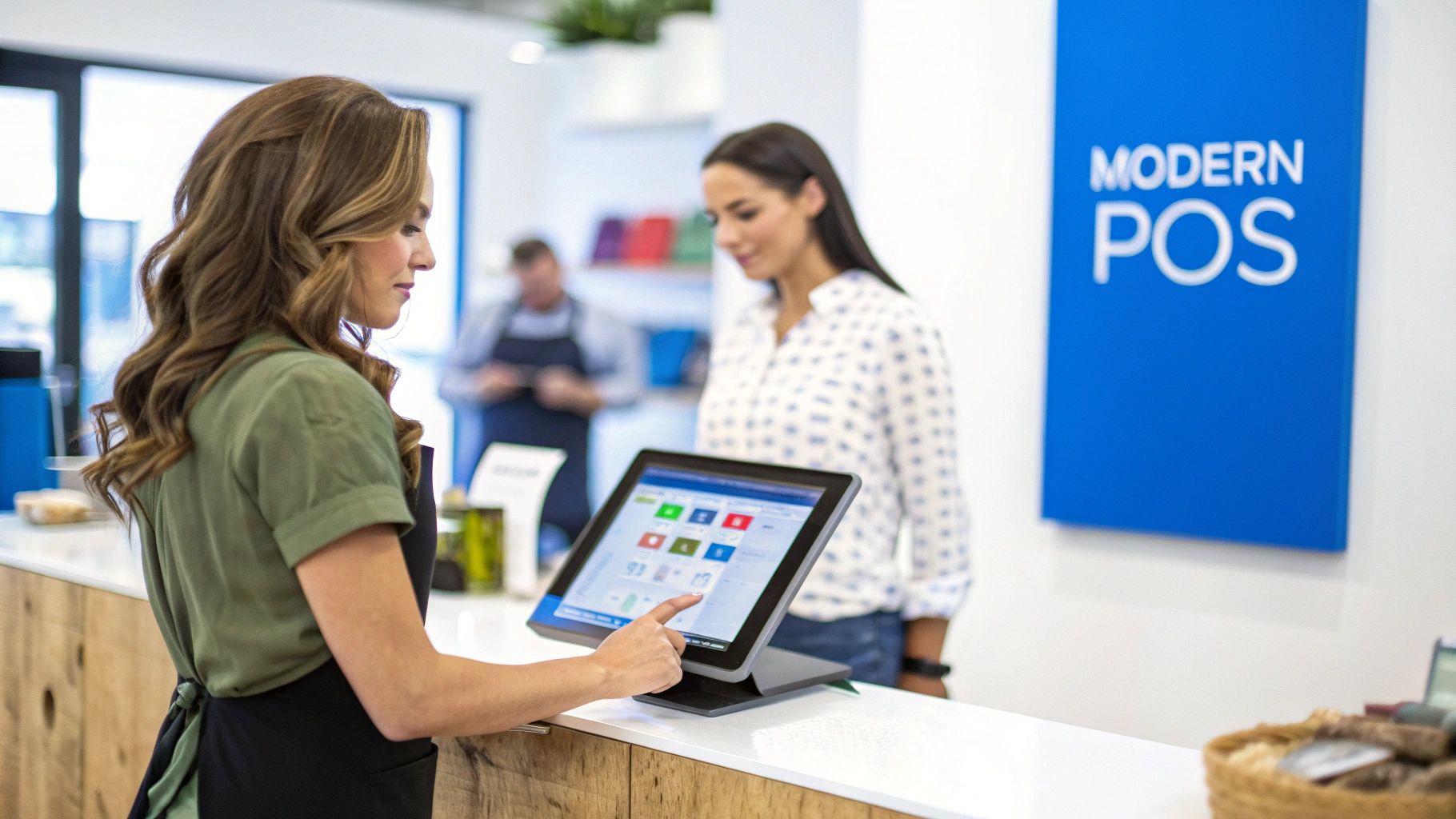
One of the biggest advantages of a modern POS system is the ability to centralize multiple business functions. Sales transactions, inventory tracking, employee management, customer information, and reporting can all be managed from a single platform.
This reduces the need for separate software tools and minimizes administrative complexity.
Centralized management helps businesses operate more efficiently while improving visibility across departments.
Reducing Manual Processes
Manual processes often create inefficiencies and increase the likelihood of errors. Modern POS systems automate tasks such as transaction recording, inventory updates, reporting, and customer tracking.
Automation saves time while improving accuracy and consistency across business operations.
Employees can spend less time on administrative work and more time serving customers.
Improving Business Visibility
Real-time access to operational data allows business owners to monitor performance as it happens. Instead of waiting for end-of-day reports or manual inventory counts, managers can access current information instantly.
Greater visibility supports faster decision-making and better operational control.
Businesses gain a clearer understanding of sales trends, inventory levels, and customer behavior.
How POS Systems Improve Daily Operations
Operational efficiency plays a major role in business success. Modern POS systems help streamline daily workflows while reducing bottlenecks that can slow service and impact customer satisfaction.
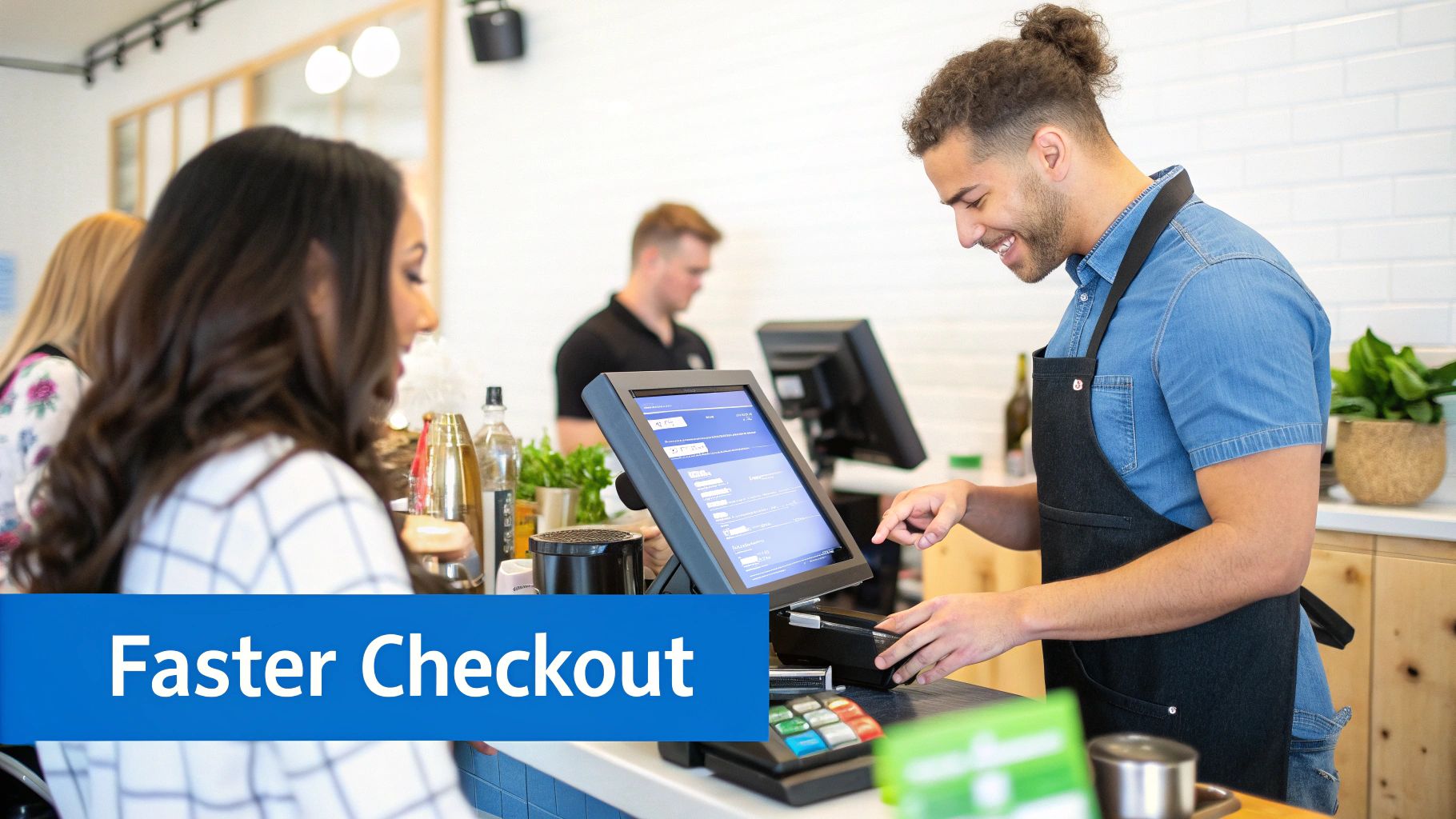
Faster Transactions and Checkout Experiences
Speed is critical in both retail and hospitality environments. Modern POS systems support multiple payment methods including credit cards, debit cards, mobile wallets, contactless payments, and QR code transactions.
Faster transactions reduce customer wait times and improve overall service quality.
Efficient checkout experiences often contribute directly to stronger customer satisfaction.
Reducing Human Error
Manual calculations and handwritten processes create opportunities for mistakes. POS systems standardize transaction workflows and automatically calculate pricing, taxes, discounts, and totals.
This improves accuracy while reducing costly errors that may affect customer trust or financial reporting.
Consistent processes help create more reliable business operations.
Supporting Employee Productivity
Employees benefit from intuitive systems that simplify their daily responsibilities. Modern POS platforms often include user permissions, shift tracking, employee performance monitoring, and operational reporting.
These features help managers allocate resources effectively while supporting staff productivity.
Better workflows contribute to smoother operations and stronger team performance.
Inventory Management and Stock Control Benefits
Inventory management is one of the most valuable functions offered by modern POS systems. Real-time inventory visibility helps businesses reduce waste, prevent shortages, and improve purchasing decisions.
Real-Time Inventory Tracking
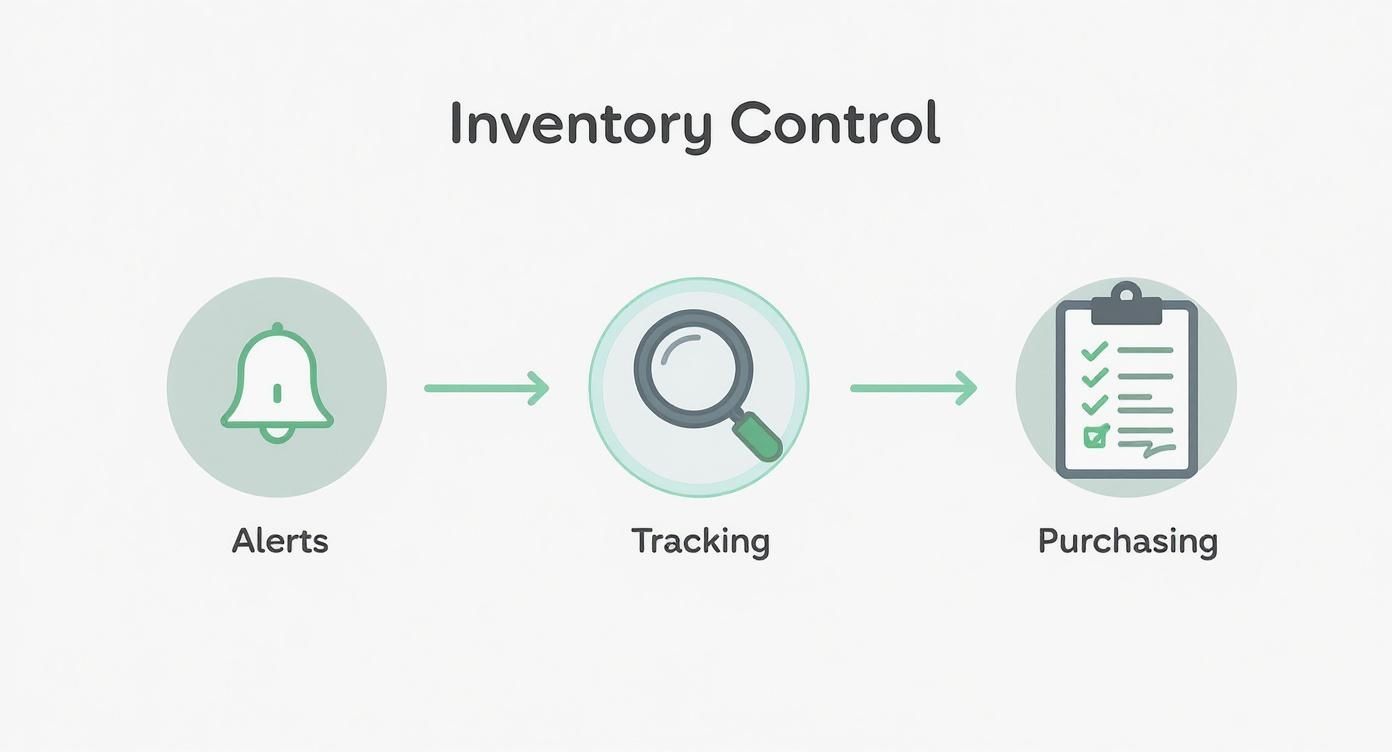
Every sale automatically updates inventory levels within the system. This provides accurate stock information without requiring constant manual counting.
Business owners can monitor inventory movement and identify trends as they develop.
Real-time tracking helps maintain optimal stock levels while reducing uncertainty.
Preventing Stockouts and Overstocking
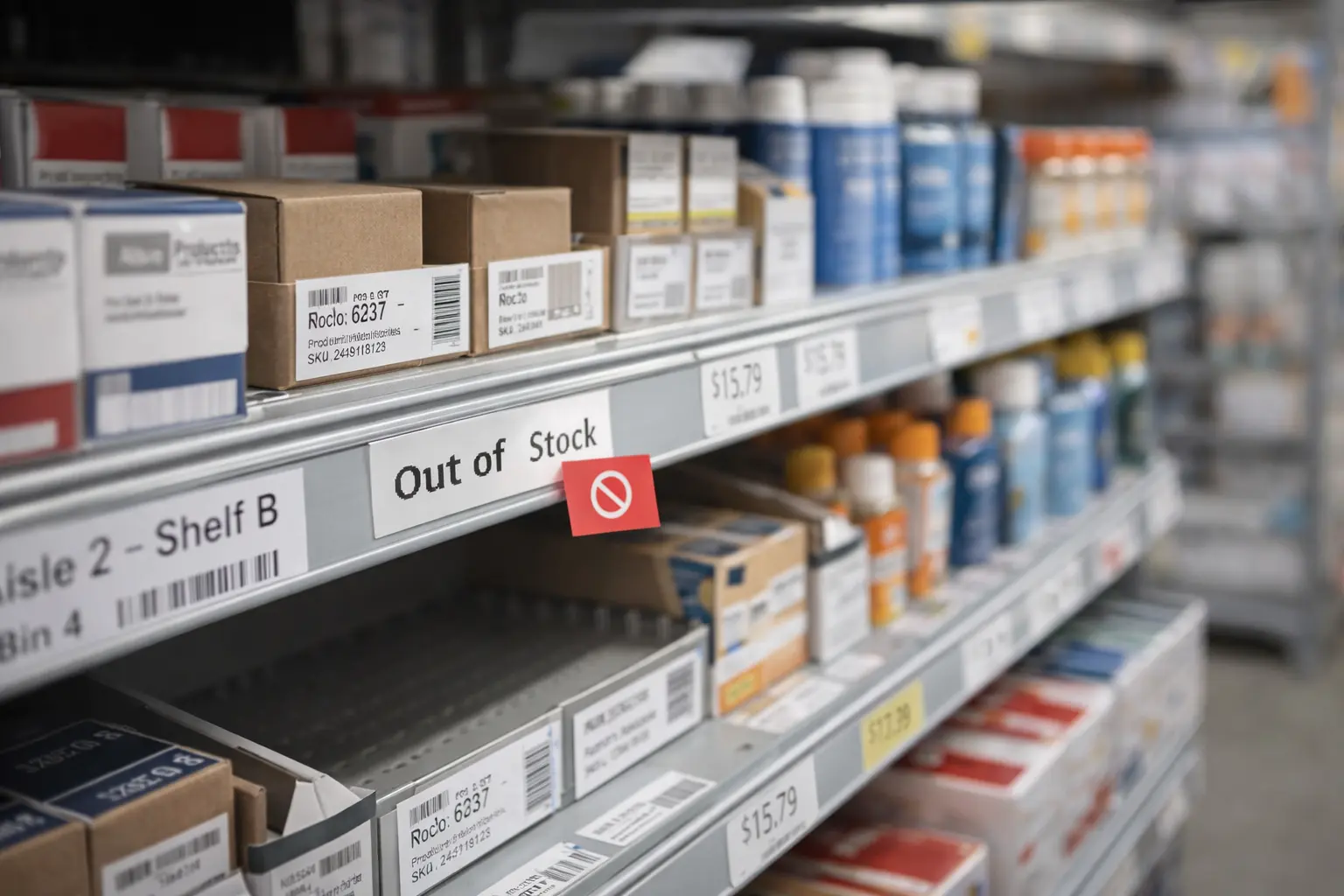
Running out of popular products can lead to lost revenue, while excess inventory ties up cash and storage space. POS systems help businesses maintain balance by monitoring stock levels continuously.
Automated alerts notify managers when inventory reaches predefined thresholds.
This proactive approach improves inventory planning and purchasing accuracy.
Improving Purchasing Decisions
Historical sales data provides valuable insight into product demand patterns. Businesses can identify fast-moving products, seasonal trends, and slower-selling inventory.
Using this information allows managers to make more informed purchasing decisions.
Better forecasting often leads to improved cash flow and reduced inventory waste.
Using POS Data for Smarter Business Decisions
Modern POS systems generate large amounts of operational data. The ability to analyze this information helps businesses identify opportunities, improve performance, and make better strategic decisions.
Sales Reporting and Performance Analysis
POS reports help businesses understand revenue trends, top-selling products, peak sales periods, and customer purchasing behavior.
Detailed reporting provides valuable visibility into what is driving business performance.
Owners can use this information to optimize operations and improve profitability.
Identifying Growth Opportunities
Data often reveals opportunities that may otherwise go unnoticed. Businesses can identify underperforming products, evaluate promotional effectiveness, and discover new revenue opportunities.
Analytics help transform assumptions into data-driven strategies.
Better information often leads to stronger business outcomes.
Supporting Long-Term Planning
Historical performance data helps businesses forecast future demand and plan for growth. Whether expanding locations, hiring staff, or introducing new products, accurate information improves planning accuracy.
Reliable forecasting reduces uncertainty and supports smarter investment decisions.
Strategic planning becomes more effective when supported by real operational data.
Building Stronger Customer Relationships
Customer retention is often more cost-effective than acquiring new customers. Modern POS systems provide tools that help businesses strengthen relationships and encourage repeat visits.
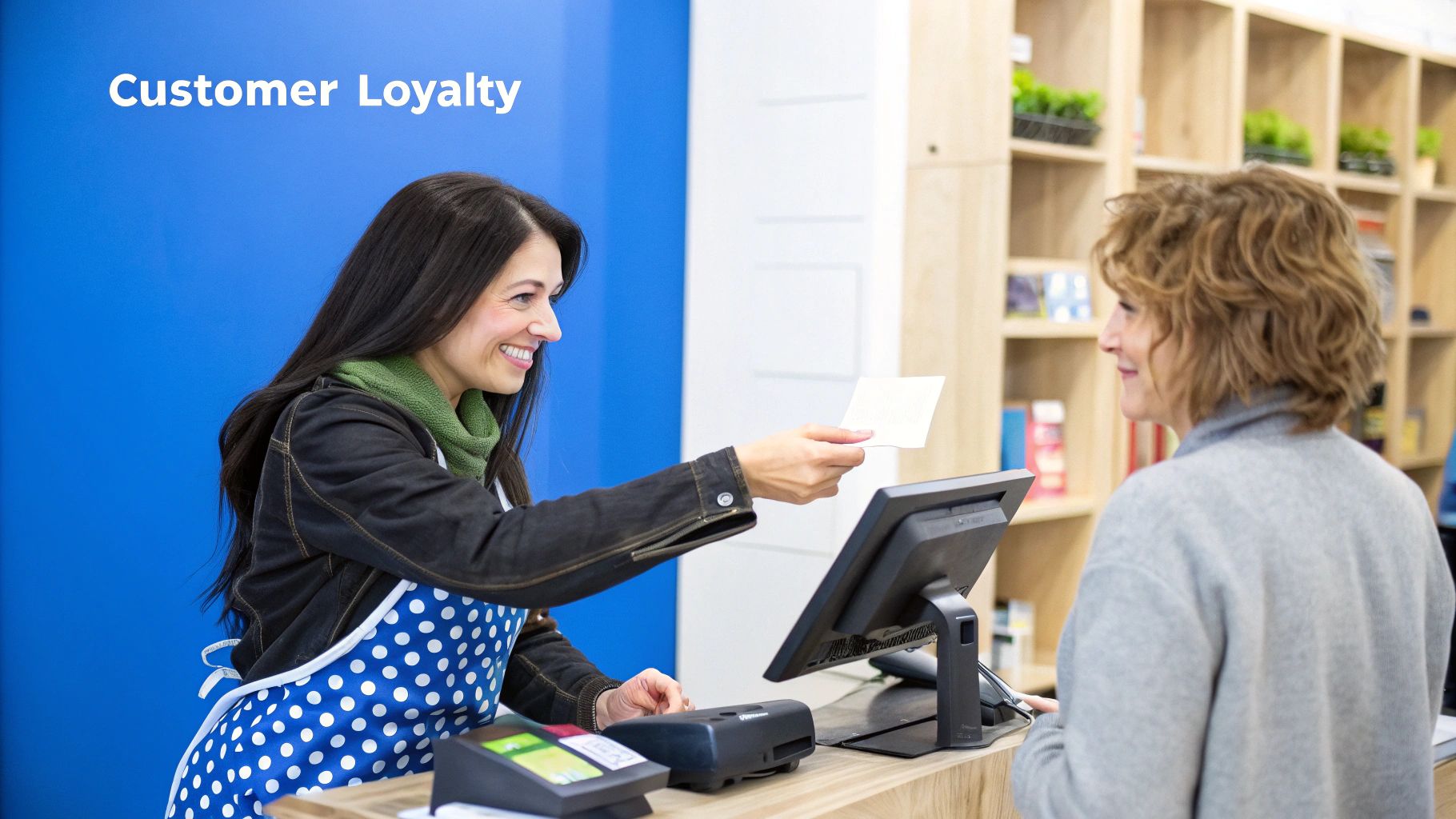
Customer Profile Management
POS systems can store customer purchase histories, preferences, and contact information. This helps businesses better understand customer behavior and personalize interactions.
Customer profiles support stronger engagement and more relevant marketing efforts.
Personalization often improves customer satisfaction and loyalty.
Loyalty Program Integration
Digital loyalty programs make it easy to reward repeat customers. Businesses can automatically track purchases, issue rewards, and encourage continued engagement.
Loyalty programs help strengthen customer relationships while increasing retention.
Repeat customers often generate higher lifetime value than first-time visitors.
Targeted Marketing Opportunities
Customer data allows businesses to create more targeted promotions based on purchasing behavior and preferences.
Relevant marketing campaigns are often more effective than broad, generic outreach.
Targeted communication helps businesses build stronger customer connections over time.
Supporting Business Growth with POS Technology
As businesses expand, operational complexity often increases. Modern POS systems help support growth by providing scalability, integrations, and centralized management capabilities.
Cloud-Based Flexibility
Cloud-based POS platforms allow business owners to access data from virtually anywhere. This flexibility is particularly valuable for multi-location businesses and remote management.
Real-time synchronization ensures information remains accurate across locations and devices.
Cloud technology supports both convenience and scalability.
Third-Party Integrations
Many POS systems integrate with accounting software, eCommerce platforms, inventory tools, online ordering systems, and marketing applications.
These integrations reduce manual work and improve operational consistency.
Connected systems help create a more efficient business ecosystem.
Preparing for Long-Term Expansion
Businesses that choose scalable POS platforms are better positioned for future growth. Additional locations, employees, products, and sales channels can often be added without replacing core systems.
Scalability protects technology investments while supporting long-term business objectives.
Growth becomes easier when supported by flexible infrastructure.
How Biyo POS Helps Businesses Succeed
Modern businesses need more than basic transaction processing. Biyo combines sales management, inventory tracking, reporting, customer engagement, employee oversight, and operational analytics into a unified platform designed to support growth.
With real-time reporting, integrated inventory management, customer loyalty tools, and cloud-based accessibility, Biyo helps businesses operate more efficiently while improving decision-making.
Whether you manage a retail store, restaurant, café, or service business, Biyo provides the tools needed to streamline operations and enhance customer experiences.
If you’d like to explore how Biyo can support your business, you can schedule a consultation or create an account to learn more.
Frequently Asked Questions
What is the biggest benefit of a modern POS system?
One of the biggest benefits is centralizing multiple business functions such as sales, inventory, reporting, customer management, and employee oversight into a single platform.
Can a POS system improve inventory management?
Yes. Modern POS systems provide real-time inventory tracking, automated stock alerts, inventory reporting, and forecasting tools that help businesses maintain accurate stock levels.
How do POS systems help customer retention?
POS systems support customer retention through loyalty programs, customer profiles, personalized promotions, and improved service experiences.
Are cloud-based POS systems secure?
Reputable cloud-based POS providers use encryption, secure servers, regular backups, and other security measures to protect business and customer data.
Can a POS system help increase sales?
Yes. Better reporting, inventory visibility, customer insights, loyalty programs, and operational efficiency can all contribute to stronger sales performance.
Do small businesses benefit from POS systems?
Absolutely. POS systems help small businesses improve efficiency, reduce manual work, monitor performance, and make more informed business decisions.