Build Your Own Meal: The Ultimate Guide to Flavor Freedom

Build Your Own Meal: The Ultimate Guide to Flavor Freedom

When diners hear build your own meal, they picture a vibrant spread of bases, proteins, veggies, and sauces ready to mix and match. They imagine crunchy greens, smoky steak tips, and zesty lime crema layered exactly the way they like. This thrill of choice drives modern food culture, pushing restaurants and food trucks to offer limitless customizable ingredients while still keeping operations smooth. In this monster guide—well above 1,300 words—you will master the art of meal personalization, learn real-life menu tactics, and gather tested recipes that prove why customer-driven bowls keep lines long and loyalty fierce.

The Rise of Meal Personalization

Over the past decade, the expectation to build your own meal jumped from niche salad bars to mainstream burger joints, poke shops, and even high-end hotel buffets. Guests want balanced nutrition, allergy accommodations, and flavor variety without sacrificing speed or value.

From Set Menus to Mix-and-Match Culture

Traditional prix-fixe dining once dictated appetizer, main, and dessert in stiff order. Today, people reject that rigidity. They crave mix-and-match freedom: half brown rice, half cauliflower rice; blackened shrimp plus roasted tofu; mango habanero salsa alongside lemon tahini. This flexibility lets diners shape meals that fit keto macros on Monday and indulgent carb loads on Friday.

Consider the burrito bar model that sparked the custom bowl craze. Guests slide down the line, choosing tortillas, seasonal vegetables, and slow-braised carnitas. Each ingredient sits in a separate pan to reduce cross-contact, while colorful signage lists calories and allergens. That simple layout convinced millions they could build your own meal better than any chef could guess.

Even legacy chains jumped aboard. Pizza shops let customers swap tomato sauce for pesto and replace mozzarella with vegan cashew cheese. Some casual steakhouses now serve “protein boards” where patrons order a grilled sirloin then fill ramekins with sautéed mushrooms, chimichurri, and jalapeño slaw. Mix-and-match culture became the default, not the alternative.

Why Flavor Variety Matters

Flavor variety prevents menu fatigue, a common culprit behind sagging repeat visits. When diners can build your own meal differently each day, they rarely tire of your concept. A customer might craft a Mediterranean bowl—quinoa, grilled chicken, cucumber, olives, feta, and lemon herb vinaigrette—on Tuesday, then pivot to a Thai-inspired mix of jasmine rice, seared tofu, shredded carrot, edamame, peanut dressing, and cilantro on Thursday. Same counter, totally new experience.

Nutrition also improves. Research from the Produce Marketing Association found that self-constructed salads contained 30% more vegetables than preset chef salads. Guests intuitively add colors they find appealing: red bell peppers, purple cabbage, golden corn. Greater color equals broader nutrient intake.

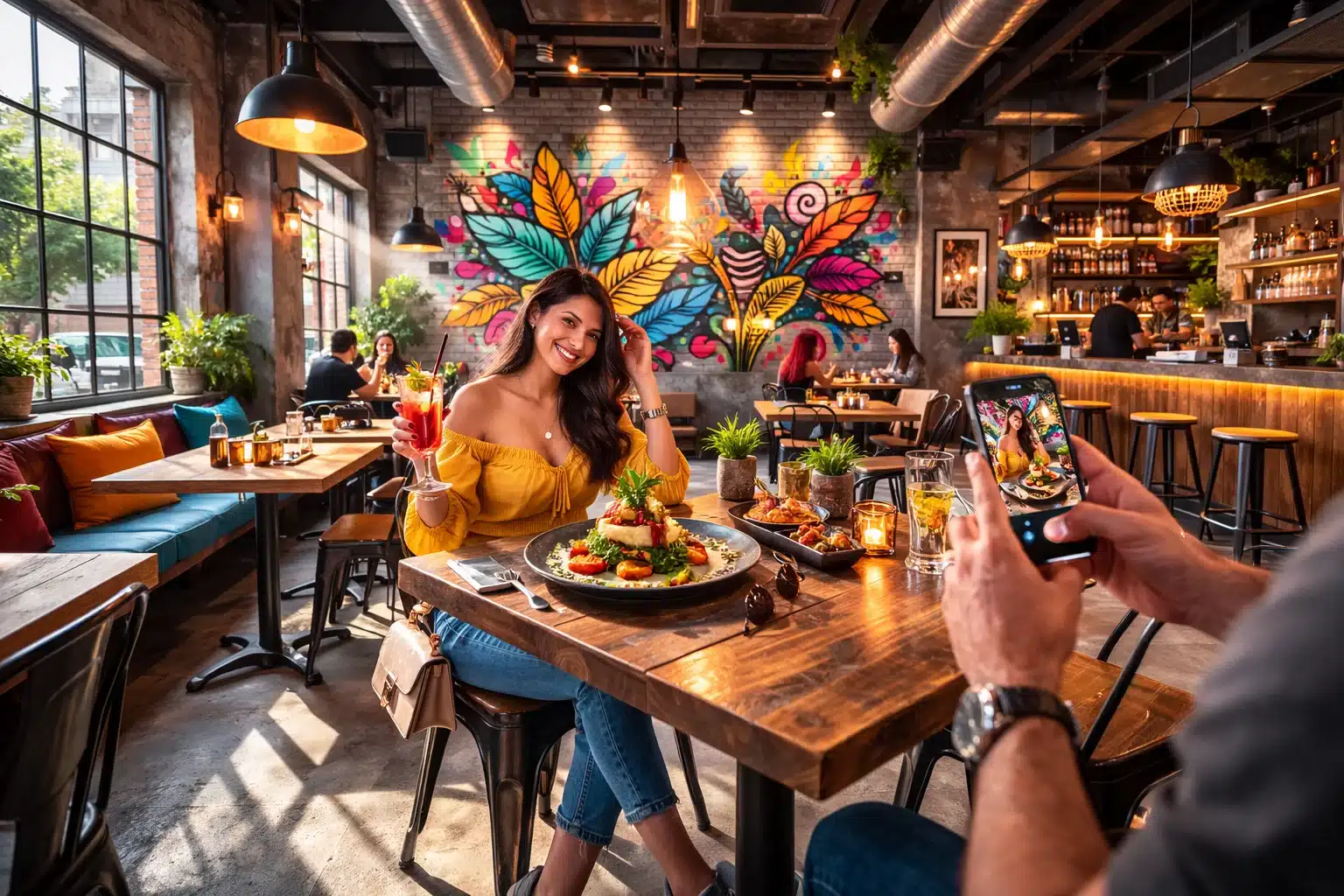
Social proof reinforces variety. Many concepts showcase a live ingredient bar behind spotless glass, encouraging guests to snap bright overhead photos. A rainbow bowl garners likes, comments, and free exposure. That attention nudges new customers to visit, ready to experiment with their own mosaic of flavors.

The Role of Dietary Preferences

One diner may be gluten-intolerant, another pescatarian, and a third training for a triathlon. A build your own meal setup satisfies them all by letting each visitor curate macros and allergens. Offer zucchini noodles for carb watchers, tofu for plant-based eaters, and tamari instead of soy sauce for gluten-free visitors. Clear icons and color-coded utensils make choices effortless.

Consider adding separate prep zones for top eight allergens. For example, nuts live in a sealed container with a blue spoon, while dairy toppings stay in a red zone. During a busy shift, staff spot color mistakes instantly and correct them before cross-contamination occurs.

Finally, encourage taste exploration within dietary boundaries. A vegan might top roasted sweet potato with smoky chipotle “cheese” sauce made from carrots and nutritional yeast. A keto guest could drizzle chimichurri over spiralized zucchini and grilled salmon. Offering exciting routes for every lifestyle breeds fierce loyalty.

Core Elements of a Build Your Own Meal Experience

Great flavor starts in the kitchen, long before guests queue at the counter. The following building blocks—fresh produce, strategic protein choices, and crave-worthy sauces—create a reliable backbone for limitless bowls.

Fresh Ingredients: Quality First

Freshness sells. Bright basil leaves and glossy cherry tomatoes signal care and skill. Partner with local farms when possible to harvest spinach the same morning it hits your chilled line. Restaurants in colder regions can still keep quality high by receiving twice-weekly deliveries and using blast chillers to lock in texture.

Equip the assembly station with deep, narrow pans. Wide, shallow trays look empty quickly and speed spoilage because more surface area meets oxygen. Teach staff to refill from small backup pans stored beneath the counter every 20 minutes. This rotation ensures crisp lettuce at 1 p.m. tastes the same as the batch at noon.

Finally, turn freshness into marketing. Use table tents that name nearby growers—“Heirloom cherry tomatoes from Maple Valley Farm, 12 km away.” Customers feel connected, proud, and ready to build your own meal with seasonal pride.

Protein Options and Portion Control

Diverse proteins guarantee mass appeal. Offer at least one meat, one seafood, one plant-based legume, and one meatless “center-of-the-plate” option such as marinated tofu or grilled seitan. Below are sample recipes that scale easily:

  • Citrus-Roasted Chicken Thighs: Marinate boneless thighs in orange juice, garlic, and smoked paprika for six hours; roast at 190°C for 18 minutes; dice into 2 cm cubes.
  • Soy-Ginger Tofu: Press extra-firm tofu 30 minutes; marinate in tamari, mirin, and ginger; bake at 200°C for 20 minutes, flipping halfway.
  • Chili-Lime Shrimp: Toss peeled prawns with lime zest, chili flakes, and avocado oil; grill 90 seconds per side.

Portion scoops keep food cost predictable. A 90 g scoop for chicken yields about 18 servings per 1.6 kg sheet pan. If guests crave more protein, offer an extra scoop for a fixed upcharge. Clear signage like “Add +3 € for double protein” prevents awkward surprises at the till.

Nutritional grids near the counter help fitness-focused eaters build your own meal that meets macros. Biyo POS can print itemized labels showing calories and protein for each scoop, empowering guests to decide in seconds.

Sauces, Dressings, and Final Touches

Bold sauces transform humble veggies into flavor fireworks. House-make at least six dressings—three creamy and three vinaigrette-style—to cover wide preferences. Try these formulas:

  1. Chipotle Yogurt: Greek yogurt, adobo chilies, lime juice, honey.
  2. Avocado-Lime Crema: Ripe avocado, cilantro, lime zest, kefir.
  3. Miso-Ginger Vinaigrette: White miso, rice vinegar, grated ginger, sesame oil.

Label spouts on squeeze bottles so guests watch the drizzle and feel safe about allergens. Offer tasting spoons so curious newcomers can sample before committing. A positive first trial often turns a timid visitor into a regular who builds their own meal every lunch break.

Top your counter with texture stations: toasted pumpkin seeds, pickled onions, crispy nori strips, pomegranate arils. Encourage team members to mention these crunchy delights as they ring up orders: “Would you like a sprinkle of chili-roasted peanuts for extra crunch?” Small add-ons boost check averages by up to 12% without complicating workflow.

Designing an Interactive Menu for Customization

An intuitive ordering journey keeps lines moving and excitement high. Whether you run a sleek digital kiosk or a humble chalkboard, clarity and interactivity convert curiosity into confident bowl building.

Visual Builders and Bowl Creators

Digital kiosks shine because they show a live image of the bowl as ingredients are tapped. Guests instantly notice color gaps—perhaps they forgot greens—and adjust on the fly. Kiosks also calculate nutrition in real time, allowing diners to build your own meal that hits 600 calories and 40 g of protein if that’s the day’s goal.

If a full kiosk system feels heavy on capital, use laminated ingredient cards arranged in flow order. Each card features a mouth-watering photo, an allergen icon, and a short flavor note (“Sweet-smoky, pairs with citrus”). Paper punch cards beneath the photos let guests pick tokens and hand them to staff, gamifying the process while reducing language barriers.

Whichever visual aid you choose, stick to a five-step path so the human brain doesn’t freeze. Typical flow: Base → Protein → Veggies → Sauce → Crunch. This predictable cadence trains customers quickly, letting them build your own meal in under two minutes.

Guiding Guests Through Ingredient Selection

Many diners stare at a colorful line and feel decision paralysis. Equip staff with “chef-crafted paths” they can recommend. For example, the Island Power Bowl calls for coconut rice, chili-lime shrimp, grilled pineapple, cucumber ribbons, sweet-heat mango salsa, and toasted macadamia nuts. Sharing a vivid mental picture sparks excitement and simplifies choice.

Printed pairing cards also guide flavor. Next to roasted sweet potato, list best friends: smoky chipotle yogurt and pepitas. Beneath quinoa, suggest garam masala chickpeas and mint yogurt. This domino effect nudges guests toward balanced flavor variety while preserving autonomy.

Rotate a weekly Ingredient Spotlight board. One week highlight roasted rainbow carrots with honey-harissa glaze; the next, spotlight pickled daikon. Offer a tiny free sample at the register. When customers taste something delightful, they’re more likely to rebuild their meal around it next time, boosting loyalty and average spend.

Making Allergy Accommodations Easy

Allergy safety begins with process. Use dedicated tongs for nuts, shellfish, and dairy. Color-coded handles make it impossible to mix them up under pressure. Train staff to change gloves after handling allergenic ingredients and before touching new bowls.

Digital ordering screens should include an allergen filter. A customer who marks “tree nut allergy” sees nut toppings fade to gray, preventing accidental selection. POS prompts also remind line cooks to swap to a fresh board if an allergen is flagged. Biyo POS integrates these alerts seamlessly, keeping speed high and anxiety low.

Finally, script mandatory order read-backs. A cashier might say, “You chose brown rice, black beans, pico de gallo, chicken, and ranch. No nuts, correct?” This short step catches 90% of mis-clicks and proves to guests you take their wellbeing seriously.

Operational Tips for Restaurants and Food Trucks

The magic of letting customers build your own meal relies on tight systems behind the scenes. Consistent prep, crew training, and smart tech keep the dream alive during the lunch rush.

Streamlined Prep Stations

Divide the kitchen by ingredient temperature. Cold veggies, cheeses, and sauces live in a refrigerated assembly rail that faces the customer. Hot proteins rest in covered hotel pans on an adjacent steam table. Keeping these stations distinct prevents staff from juggling tongs between cold and hot zones, thus speeding service and protecting food safety.

Implement a mise en place checklist with measured yields. For instance, Monday breakfast prep might call for 10 kg chopped romaine, 8 kg diced tomato, 6 kg roasted sweet potato, and 5 kg charred corn. By logging usage daily, you can adjust orders and slash waste without starving the line.

Back-up pans—pre-portioned and dated—sit beneath the main rail. Staff refill in under five seconds, keeping the line moving. Guests stay thrilled when they see crystal-fresh ingredients swapped in, not limp leftovers.

Training Teams for User-Driven Meals

Hold bi-weekly tasting huddles where the crew samples every topping. They learn flavor notes (“Sweet heat,” “Earthy crunch”) and can quickly advise guests who feel lost. When staff love the food, their enthusiasm sells bowls effortlessly.

Role-play tricky duty: a customer orders extra cheddar yet claims to be vegan. Teach the gentle response: “We have a cashew cheddar you might prefer! Shall I swap it?” Diplomacy keeps the line flowing and the guest smiling.

Encourage flair. A well-timed compliment—“Great sauce combo!”—makes diners feel proud of their creation. That good vibe cements brand love and invites social shares of their build your own meal masterpiece.

Balancing Speed with Balanced Nutrition

During peak traffic, some guests pile rice and skip veggies to save thinking time. Combat this by positioning colorful produce up front. When romaine, spinach, and roasted broccoli greet diners first, they naturally add greens before carbs.

Install LCD screens that show average completion times. Friendly competitions among stations motivate staff to maintain sub-two-minute assembly while upholding accuracy. Biyo POS tracks each ticket’s duration automatically, so managers can reward top performers with gift cards or shift shout-outs.

Finally, batch-cook slow items ahead—barbecue jackfruit, braised short rib—then reheat portions to order. This tactic preserves tenderness and depth while preventing the dreaded “Sorry, we’re out of that” during the rush.

Marketing Your Custom Meal Concept

Even the most mouth-watering toppings need smart promotion. Engage eyeballs online, reward repeat visits, and leverage storytelling to make your build your own meal spot synonymous with flavor freedom.

Storytelling Around Healthy Options

Produce quick TikTok clips that showcase “12 g protein in 60 seconds” bowls. Display macros on screen while a vibrant bowl assembles itself. Viewers learn that healthy food can be colorful, fast, and fun.

Create newsletter spotlights: “Ingredient of the Week—Beet Hummus.” Include a mini recipe so subscribers can blend cooked beets, chickpeas, lemon, and cumin at home. Giving away value builds trust and primes future visits.

On in-store signage, use maps linking ingredients to world regions. Match harissa chicken to North Africa, kimchi to Korea. Patrons become curious travelers constructing edible itineraries in their bowl.

Leveraging Social Media Challenges

Run a #BowlBuilderChallenge every Friday. Followers post their bowl photo, tag your brand, and explain why they chose that flavor combo. Pick a winner for a free meal. Engagement surges, and a library of UGC builds your virtual menu.

Host livestream cook-alongs where the head chef demonstrates three exotic sauces—peri-peri, chimichurri, and gochujang mayo. Viewers drop heart emojis, then visit IRL to taste the sauces they watched sizzling on screen.

Finally, repost customer creations on Stories with playful captions: “Brenda just invented the Rainbow Crunch.” This public praise encourages others to return, hoping to see their build your own meal featured next.

Rewarding Loyalty and Repeat Builds

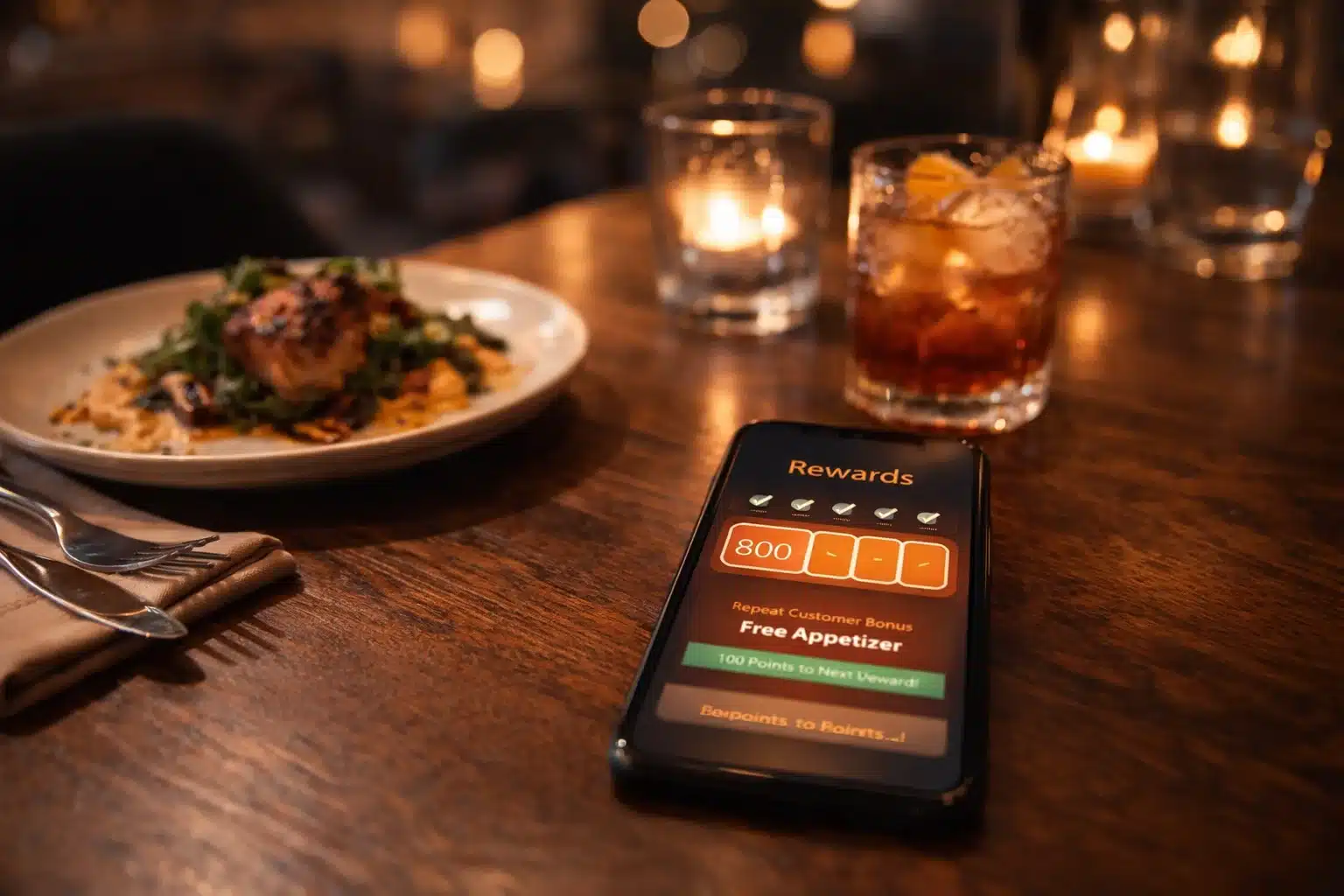
Embed a digital punch card inside Biyo POS: five bowls earn a free premium topping, ten earn a free bowl. Gamification taps into our love of milestones and nudges guests to come back at least twice a week.

Send SMS alerts about limited-time ingredients—grilled peaches in July, pumpkin-spiced pepitas in October. Scarcity drives FOMO, spiking traffic without discounting core menu items.

Offer VIP customers a chance to name a seasonal special. Post their photo under the menu board for 30 days. Recognition costs little yet makes loyalty feel priceless.

Biyo POS: Your Partner in Personalization

Biyo POS was engineered for the build your own meal era. The platform supports endless modifiers, allergy flags, and easy drag-and-drop menu edits so managers can add new toppings in seconds. Self-service kiosks show live nutrition, guiding guests to balanced bowls while trimming labor. Real-time stock alerts reduce “86’d” moments, and smart analytics reveal which protein options boost profits or lag behind.

FAQ

How can I control food costs when customers build their own meal?

Standardize scoop sizes, use color-coded portion cups, and track ingredient usage daily inside Biyo POS. Adjust vendor orders weekly to match actual demand, and upcharge for premium items like steak or avocado.

What if guests feel overwhelmed by too many options?

Feature three “chef-crafted paths” on menu boards, such as a high-protein athlete bowl or a low-carb veggie mix. Crew members can recommend these templates to indecisive diners, who can still swap ingredients freely.

How do I display clear nutritional information?

Digital kiosks calculate macros in real time. For analog lines, print laminated cards showing calories, protein, carbs, and fats per scoop. Guests appreciate transparency and feel empowered to tailor their bowl.

How often should I introduce new ingredients?

Monthly rotations work best. Seasonal produce keeps flavors fresh, while staff training remains manageable. Promote the new item heavily during its debut week to maximize trial and feedback.

Is meal customization only for health-focused brands?

No. Pizza, ice cream, and even cocktail bars thrive on customization. People simply love the power to build your own meal—or drink—because it reflects personal taste and mood.

Related Posts