Running a successful butcher shop today requires more than just expertise with knives and meat cuts. Customers expect efficient service, consistent quality, and fair pricing, while owners need to keep expenses under control and maximize profits. Modern butcher shop business management tools combine technology with traditional craftsmanship, helping owners track inventory, manage staff, monitor finances, and build strong customer relationships. When implemented correctly, these tools transform a butcher shop from a traditional store into a highly efficient, customer-focused retail business.
Table of Contents
- Optimizing Daily Operations with Business Management Tools
- Financial Tracking and Reporting for Butcher Shops
- Employee and Supplier Management
- Enhancing Customer Experience and Loyalty
- Planning for Growth and Long-Term Success
- FAQ
Optimizing Daily Operations with Business Management Tools
Daily operations can make or break a butcher shop. From ensuring that the freshest meat is always available to making sure customers have a smooth checkout experience, shop owners juggle multiple responsibilities at once. The right butcher shop business management tools streamline this complexity by integrating inventory management, order control, sales tracking, and employee scheduling into one system. This not only saves time but also ensures accuracy, leading to better decisions and more satisfied customers.
Inventory Management and Order Control
Inventory management is at the heart of every butcher shop. Unlike other retail businesses, meat products are highly perishable, which makes precision tracking absolutely essential. Advanced inventory management tools give shop owners real-time visibility into stock levels, product expiration dates, and reorder requirements. For example, if a popular cut of beef sells faster than expected, the system can automatically generate a purchase order to avoid stockouts. By setting up automated low-stock alerts, butchers can prevent lost sales while reducing the risk of spoilage.
Order control complements inventory management by simplifying procurement. Instead of relying on manual notepads or memory, shop owners can create structured purchase orders, track deliveries, and record supplier performance. For instance, if a vendor consistently delivers late, the system highlights this pattern so the butcher can negotiate better terms or find a new supplier. Integrating order management with supplier tracking creates a seamless supply chain that ensures meat arrives on time, in the right quantities, and at the right quality.
Many of these tools also include meat yield calculators, which allow butchers to analyze how much usable product comes from each carcass or cut. This ensures that every gram of meat is accounted for, reducing waste and improving pricing strategies. With yield data, shops can adjust pricing to reflect true costs while maintaining profitability. In short, smart inventory and order control systems allow butcher shops to balance freshness, cost efficiency, and customer satisfaction with ease.
Sales Tracking and POS Integration
Sales tracking is much more than counting daily transactions. For butcher shops, it means understanding customer buying habits, identifying seasonal trends, and analyzing which cuts generate the highest margins. A modern POS system integrates directly with sales tracking tools, offering detailed reports on revenue streams. For example, the system may reveal that chicken breast sells best during weekdays, while premium steaks see higher demand on weekends. This information helps butchers plan promotions and align stock with customer needs.
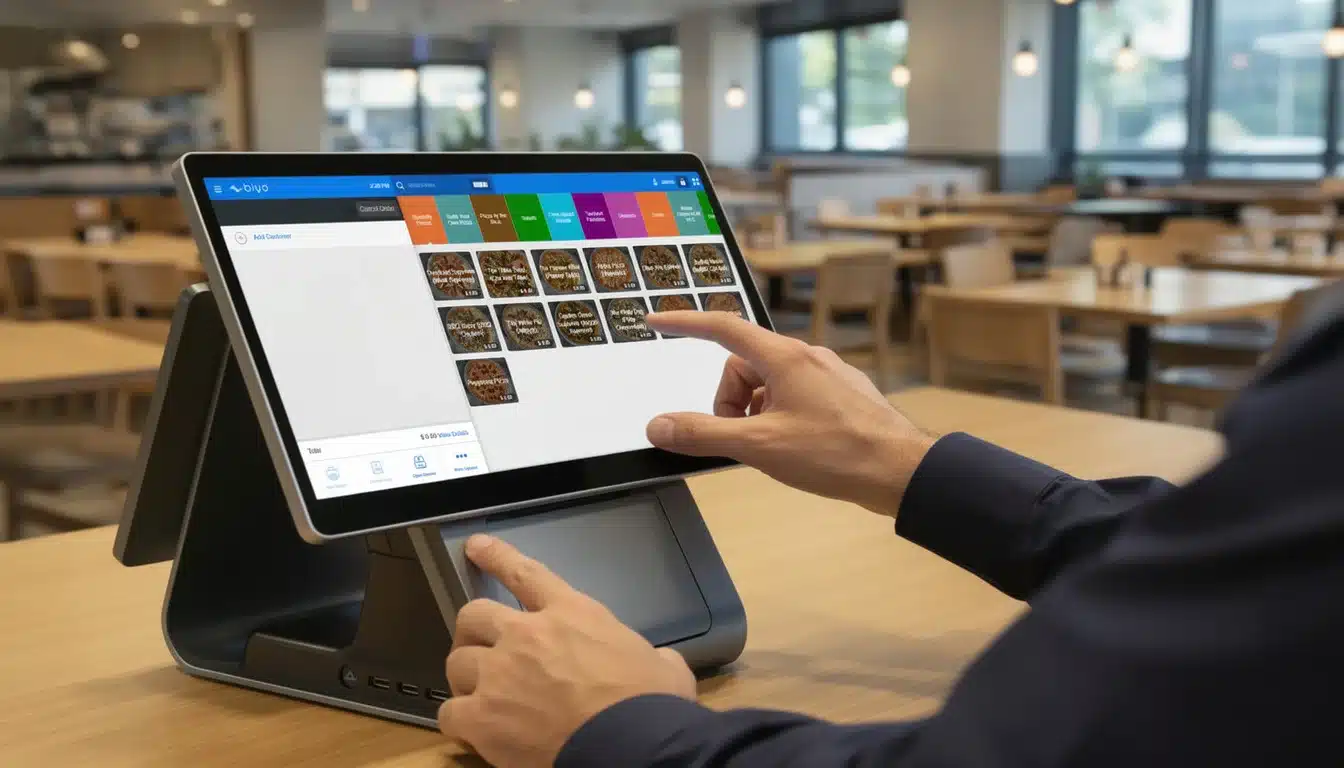
Integrating sales tracking with a POS system also makes checkout faster and more efficient. Customers benefit from shorter wait times, while shop owners gain accurate, real-time records of every purchase. Beyond convenience, sales tracking provides actionable insights into profit margins, allowing butchers to adjust pricing strategies and optimize product placement. For instance, highlighting a slow-moving product near the checkout counter can increase visibility and boost sales.
Another benefit is cash flow visibility. By analyzing peak sales times, shop owners can align staffing schedules and resource allocation to match demand. If weekends consistently bring in higher revenue, the system helps ensure more employees are scheduled during those hours. This minimizes labor costs while maximizing service quality. POS-integrated sales tracking tools not only improve efficiency but also empower butchers with data to grow their business strategically.
Employee Scheduling and Task Management
Running a butcher shop requires more than skilled butchers—it demands an organized team working in sync. Employee scheduling tools included in business management systems help align staff hours with customer traffic. Instead of creating schedules manually, owners can use automated scheduling that considers staff availability, peak sales times, and labor costs. This ensures that the shop is never understaffed during rush hours or overstaffed during slower periods.
Task management features go a step further by assigning specific responsibilities to employees. For example, one worker may be responsible for cleaning equipment, another for packaging meat, and another for handling customer orders. Digital checklists make sure these tasks are completed consistently and on time. This structured approach reduces confusion, improves accountability, and ensures high standards of hygiene and service.
Additionally, modern scheduling tools increase transparency. Employees can view schedules on their phones, request time off, or swap shifts without disrupting business operations. This flexibility improves employee satisfaction and reduces turnover, which is vital in an industry where skilled staff are difficult to replace. By leveraging scheduling and task management tools, butcher shops create a smooth workflow that enhances productivity and keeps employees motivated.

Financial Tracking and Reporting for Butcher Shops
Financial management is one of the most challenging aspects of running a butcher shop. From managing expenses to ensuring accurate pricing, shop owners must carefully balance profitability with customer satisfaction. Butcher shop business management tools simplify this process with integrated expense tracking, detailed financial reports, and real-time analytics. These insights allow owners to make data-driven decisions that strengthen financial stability and prepare the business for growth.
Expense Tracking and Cost Control
One of the biggest challenges in butcher shop operations is keeping costs under control without sacrificing quality. Expense tracking tools record every outgoing payment, from rent and utilities to packaging and staff wages. Categorizing expenses makes it easy to identify which areas consume the most resources. For example, if packaging costs are consistently rising, the system can alert the owner to explore alternative suppliers or bulk purchase options. This level of insight prevents unnoticed cost leaks that can erode profits.
Cost control also extends to raw materials. Meat prices fluctuate regularly, and without proper tracking, shops risk selling at prices that no longer cover costs. Business management tools track supplier invoices against market prices, helping butchers adjust pricing strategies in real time. This ensures that products remain profitable without surprising customers with sudden, drastic price increases. Transparency in cost control builds trust with customers and confidence for owners.
Integration with accounting software further streamlines expense tracking. Instead of manually entering data into spreadsheets, expenses are automatically logged and categorized. This reduces errors, saves time, and provides a clearer financial picture. By actively managing expenses, butcher shops can protect profit margins and position themselves for long-term success.
Financial Reporting and Real-Time Analytics
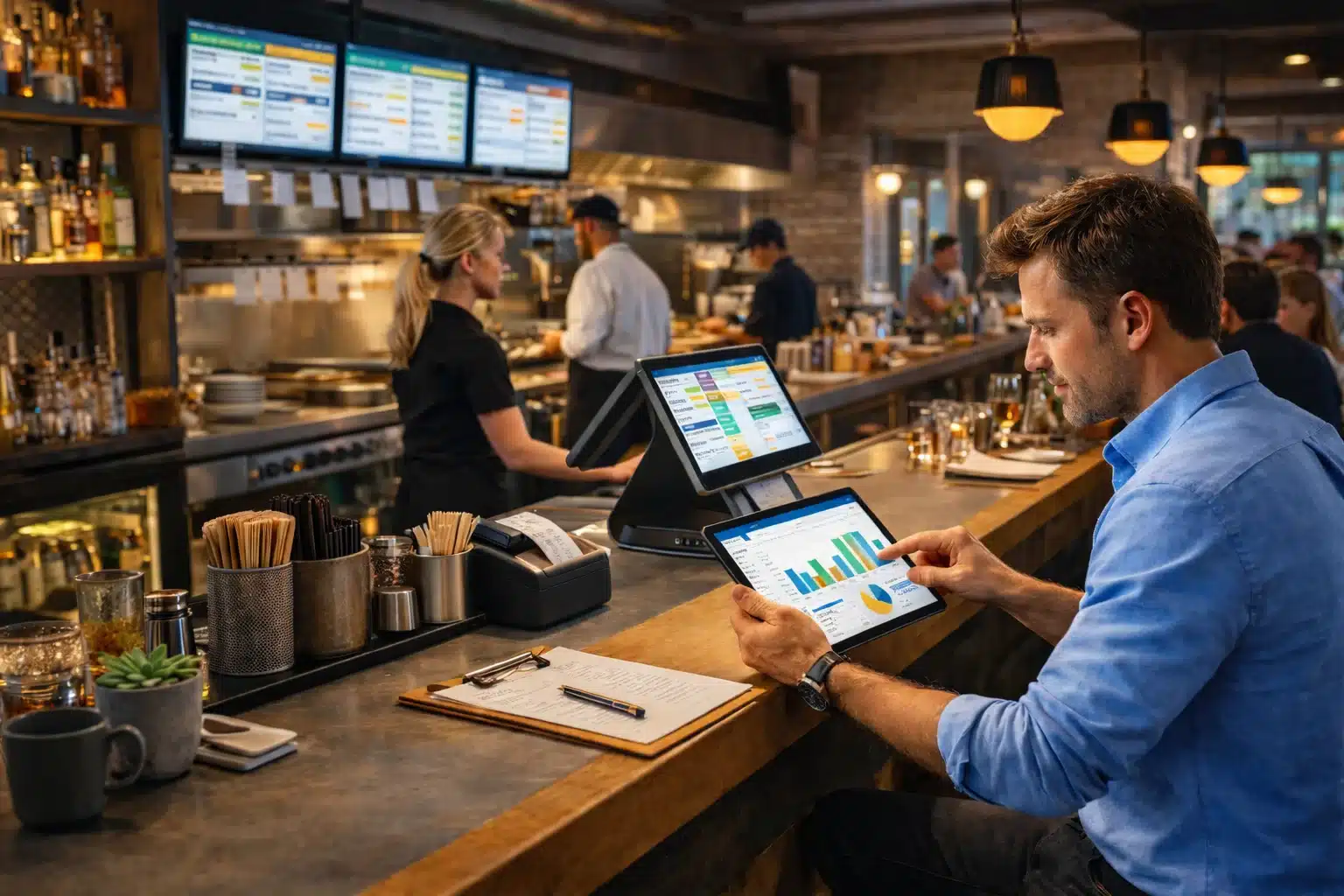
Financial reporting is no longer a once-a-month task—it is now a continuous process thanks to real-time analytics. Modern butcher shop business management tools provide live dashboards that display key metrics such as daily sales, gross margins, and customer traffic. Owners can quickly see if revenue targets are being met or if adjustments are needed. For example, if sales drop unexpectedly on a particular day, promotions can be launched immediately to boost traffic and clear inventory.
Detailed reports break down performance by product category, supplier, or customer type. This allows butchers to identify which items generate the highest profits and which may need rethinking. For instance, a report may show that premium sausages deliver higher margins than chicken wings, suggesting a shift in marketing or pricing emphasis. These insights guide better decision-making and more effective promotions.
Real-time analytics also prepare businesses for seasonal fluctuations. By comparing sales year over year, shop owners can anticipate spikes in demand during holidays or special events. This foresight enables better inventory planning, staff scheduling, and cash flow management. Ultimately, financial reporting tools transform raw data into strategic knowledge that drives business growth.
Pricing Strategy and Cash Flow Management
Pricing meat correctly is a delicate balance. Set prices too high, and customers may look elsewhere; set them too low, and profits suffer. Butcher shop business management tools use yield calculators and expense data to help owners set prices that reflect actual costs. For example, if a whole cow yields 65% usable meat, the system calculates the cost per kilogram accurately, ensuring fair pricing for both customers and the shop.
Cash flow management tools complement pricing by showing when money comes in and when it goes out. By tracking payment cycles and supplier invoices, owners can anticipate periods of low liquidity and plan accordingly. For example, if large supplier payments are due at the end of the month, the system alerts the owner to maintain higher reserves earlier in the month. This prevents cash shortages that can disrupt operations.
Strong pricing strategies combined with cash flow insights build long-term financial stability. Customers appreciate consistent pricing, while owners gain confidence that every product is priced for profitability. With clear financial visibility, butcher shops can grow without fearing unexpected financial shocks.
Employee and Supplier Management
Behind every thriving butcher shop is a reliable team and dependable suppliers. While butchers may be the face of the business, success depends on how well employees and vendors are managed. Modern butcher shop business management tools make it easier to track performance, improve staff training, and build long-lasting relationships with suppliers. With streamlined communication and data-driven insights, shop owners can ensure consistency in product quality and customer service.
Staff Performance and Training
Employee performance has a direct impact on customer satisfaction. Tools that track sales contributions, task completion, and overall productivity help shop owners identify top performers. For example, if one staff member consistently achieves higher sales for specialty cuts, management can recognize their strengths and encourage similar practices across the team. Performance data also highlights employees who may need additional training, creating opportunities for skill development rather than punishment.
Training is crucial in a butcher shop environment, where food safety and product knowledge are essential. Business management systems often include digital training modules that standardize onboarding for new employees. These modules can cover meat handling, hygiene practices, and customer engagement techniques. For instance, instead of relying on informal shadowing, new hires can complete structured training with clear expectations. This ensures consistency across the workforce and improves service reliability.
Continuous development opportunities also motivate employees to stay engaged. Offering staff access to online resources, performance feedback, and career growth pathways reduces turnover, which is a major concern in retail environments. By investing in training and performance management, butcher shops create teams that work efficiently, provide better service, and help grow the business in a sustainable way.
Supplier Management and Order Coordination
Supplier reliability is a cornerstone of butcher shop success. If deliveries are late or inconsistent, customers notice immediately, and trust erodes. Supplier management tools track vendor performance, delivery schedules, and product quality over time. For instance, the system can generate reports showing which suppliers meet deadlines consistently and which struggle. This data empowers butchers to renegotiate contracts, explore alternatives, or strengthen partnerships with high-performing vendors.
Automating supplier orders removes the chaos of manual coordination. Instead of calling suppliers individually, shop owners can use business management platforms to set recurring orders for staple products. For example, weekly poultry shipments can be scheduled automatically, while seasonal items like lamb for Easter can be pre-ordered months in advance. This structured coordination reduces errors, saves time, and keeps shelves stocked with the freshest products.
Supplier management systems also help with financial planning. By tracking invoices, payment terms, and price fluctuations, owners maintain tighter control over expenses. For instance, if beef prices are projected to rise, the system can suggest bulk purchases before costs increase. This proactive approach ensures consistent quality and predictable costs, creating a win-win for both shop owners and customers.
CRM Integration and Business Planning
Customer relationship management (CRM) integration bridges the gap between suppliers, employees, and customers. By combining operational data with customer insights, butcher shops can anticipate demand, create loyalty programs, and refine marketing campaigns. For example, if CRM data shows that a group of customers frequently purchases barbecue cuts in summer, owners can align supplier orders and marketing efforts accordingly. This predictive approach keeps products relevant and customers satisfied.
Business planning tools integrated with CRM systems also support long-term growth. By analyzing trends across multiple years, shops can forecast seasonal peaks, predict staffing requirements, and adjust pricing strategies. For instance, data may reveal that premium cuts like ribeye consistently see higher demand during holidays, prompting owners to stock more during November and December. These insights minimize guesswork and reduce the risk of stockouts or overstocking.
Ultimately, CRM integration ensures every decision is customer-centered. Whether it’s planning promotions, adjusting supply levels, or training staff, customer behavior drives the strategy. This alignment of back-end operations with front-end service strengthens loyalty, increases profitability, and builds a resilient butcher shop business.
Enhancing Customer Experience and Loyalty
Customers are at the heart of every retail business, and butcher shops are no exception. In an era where supermarkets offer convenience and variety, independent butcher shops must deliver personalized experiences to stand out. Butcher shop business management tools provide the technology to implement customer loyalty programs, design targeted marketing campaigns, and optimize retail management. These strategies create long-term customer relationships and encourage repeat business.
Customer Loyalty Programs
Loyalty programs are more than just points on a card—they are strategies to reward customers for their commitment. Digital loyalty systems track purchases automatically through the POS system, making it seamless for customers to earn rewards. For example, a shop might offer one free pound of sausage after ten purchases, or discounts on premium cuts for frequent buyers. This creates a cycle where customers are motivated to return regularly.
What makes modern loyalty programs powerful is their integration with customer profiles. Instead of generic rewards, promotions can be personalized based on purchase history. If a customer often buys chicken, the system can send them exclusive discounts on poultry. This personalization strengthens the emotional connection customers feel toward the butcher shop, building loyalty that is difficult for competitors to replicate.
Loyalty programs also generate valuable data. Owners can track redemption rates, popular rewards, and customer frequency to refine the program. If customers respond better to percentage discounts than freebies, adjustments can be made quickly. By analyzing these patterns, butcher shops ensure their loyalty initiatives remain effective and profitable.
Marketing Tools and Promotions
Effective marketing is critical for any butcher shop that wants to grow its customer base. Business management tools integrate with marketing platforms to design and execute promotions across multiple channels. For instance, shops can create email campaigns showcasing weekly specials, post recipes on social media, or send SMS reminders about upcoming sales. These tools track campaign performance in real time, helping owners identify what resonates with their audience.
Targeted marketing is one of the biggest advantages of these systems. Instead of blasting generic promotions, campaigns can be segmented by customer behavior. For example, families who buy large quantities may receive bulk-purchase discounts, while premium customers who buy fine cuts may be targeted with holiday steak promotions. This ensures marketing efforts feel personal, increasing their effectiveness and reducing wasted effort.
Promotions also play a role in clearing excess inventory. If sales tracking shows that pork chops aren’t moving, an email campaign with a limited-time discount can generate interest and reduce waste. By tying marketing tools directly to inventory and sales systems, butcher shops ensure every promotion serves both customer needs and business goals.
Retail Management and Store Experience
The in-store experience is where customers form lasting impressions of a butcher shop. Retail management tools help owners analyze traffic patterns, optimize store layouts, and reduce wait times at checkout. For example, heatmap data from POS systems may show that certain areas of the shop attract more customers. This allows owners to strategically place high-margin items in those areas, boosting sales without additional marketing costs.
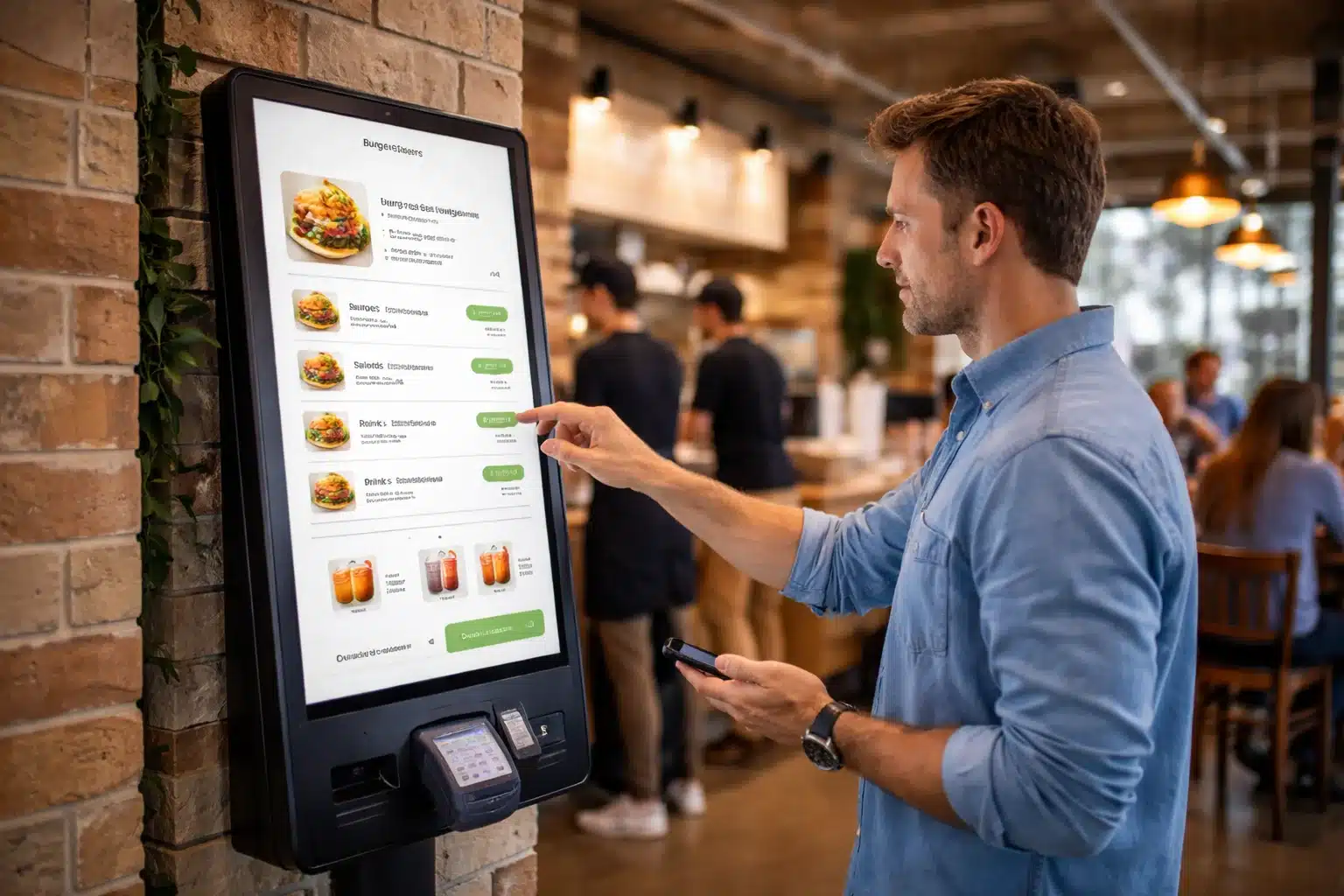
Checkout efficiency is another critical factor. Integrated POS systems streamline transactions, accept multiple payment methods, and provide digital receipts. This not only improves customer satisfaction but also reduces errors. For instance, an accurate POS system prevents accidental overcharging, which could damage trust and reputation. Customers appreciate smooth, error-free service, and they are more likely to return when the shopping process feels effortless.
Retail management also includes expanding services beyond the physical store. Many modern business tools support online ordering and delivery, allowing butchers to reach customers who prefer convenience. By offering multiple shopping options, shops attract a wider customer base and remain competitive against supermarkets. Combining in-store excellence with digital flexibility ensures customers always have a positive experience.
Planning for Growth and Long-Term Success
Growth doesn’t happen by accident—it requires deliberate planning supported by accurate data. Butcher shop business management tools give owners the insights needed to forecast demand, control costs, and track financial performance. By leveraging business planning, supply chain management, and accounting integration, butcher shops can build sustainable strategies that ensure long-term profitability and competitiveness.
Business Planning and Forecasting
Business planning tools provide the roadmap for future success. They analyze historical data to forecast sales, customer demand, and seasonal fluctuations. For instance, past data may reveal that chicken wings spike in demand during sports season. With this knowledge, shop owners can increase inventory ahead of time, preventing missed sales opportunities. Forecasting transforms data into foresight, making businesses proactive rather than reactive.
Planning tools also help set measurable goals. Owners can establish targets for revenue, customer growth, or expense reduction and track progress over time. For example, if the goal is to reduce waste by 10%, the system can monitor spoilage and provide alerts when waste levels exceed expectations. This ensures accountability and motivates teams to work toward clear objectives.
Forecasting also prepares butcher shops for unexpected challenges. Economic downturns, supply chain disruptions, or shifts in customer preferences can all impact operations. By regularly reviewing forecasts and adjusting strategies, owners stay resilient. Business planning tools provide both stability and adaptability, ensuring butcher shops can grow steadily even in uncertain markets.
Cost Control and Supply Chain Management
Cost control is essential for profitability in an industry with fluctuating meat prices. Supply chain management tools give owners visibility into every stage of procurement, from negotiating supplier contracts to monitoring transportation costs. For example, if transportation fees increase unexpectedly, the system highlights the impact on overall expenses, allowing owners to adjust pricing or explore alternative suppliers. This proactive approach prevents small issues from eroding profitability.
Efficient supply chain management also minimizes delays and shortages. Automated coordination ensures that orders are placed on time, deliveries are tracked, and products meet quality standards. For example, a system can automatically generate reminders for supplier contract renewals, preventing service interruptions. Transparency across the supply chain builds trust with both vendors and customers, ensuring a consistent flow of quality meat.
Cost control measures extend to monitoring waste, packaging, and energy usage. Detailed analytics highlight inefficiencies, such as excessive electricity use from refrigeration units. By addressing these issues promptly, butcher shops reduce operating costs and improve sustainability. Together, cost control and supply chain management provide the financial stability needed to support growth.
Accounting Software and Growth Tracking
Accounting software is the financial backbone of modern butcher shops. When integrated with POS and inventory systems, it eliminates manual bookkeeping and ensures accurate records. For example, every sale, expense, and supplier payment is logged automatically, reducing errors and providing real-time insights. This accuracy is invaluable for tax compliance and financial audits, saving owners time and stress.
Growth tracking features allow owners to compare performance across months or years. For instance, a shop can analyze whether last year’s holiday promotions increased sales compared to the year before. These insights inform future strategies, helping owners refine marketing campaigns, adjust inventory, and allocate resources more effectively. Growth tracking transforms data into a measurable story of progress.
Finally, accurate financial reporting enhances credibility when seeking financing or partnerships. Lenders and investors prefer businesses with transparent records and proven growth. By presenting detailed reports, butcher shops demonstrate financial discipline and long-term potential. With accounting software integrated into daily operations, growth is not only possible but also sustainable.

About Biyo POS: Biyo POS delivers cutting-edge point-of-sale and management solutions designed for butcher shops, restaurants, and retail businesses. With features like AI-powered voice ordering, supplier coordination, financial tracking, and customer loyalty programs, Biyo POS helps business owners streamline daily operations while planning for future growth. Learn more at Biyo POS.
FAQ
What are butcher shop business management tools?
They are integrated digital systems designed to help butcher shops manage inventory, track finances, schedule employees, coordinate suppliers, and enhance customer loyalty. By combining multiple functions into one platform, these tools increase efficiency, reduce waste, and improve profitability.
How do these tools reduce waste?
Inventory management systems track expiration dates, product levels, and sales patterns. By providing real-time alerts and predictive analytics, they help shops sell or promote products before spoilage occurs. This reduces waste, lowers costs, and increases customer satisfaction with fresher products.
Can small butcher shops benefit from these tools?
Absolutely. Small butcher shops often face the same challenges as larger ones, including waste management, cost control, and customer retention. Scalable business management tools adapt to shop size, offering affordable solutions like POS systems, expense tracking, and CRM integration that help smaller operations thrive.
Do these tools support online ordering?
Yes. Many modern systems include e-commerce integration, allowing customers to place orders online and schedule pickups or deliveries. This expands the butcher shop’s reach beyond its physical location and offers convenience that appeals to today’s busy customers.
Which solution is best for butcher shop management?
The best solution depends on the shop’s needs, but comprehensive platforms that include POS integration, financial reporting, CRM tools, and supplier management provide the most value. Biyo POS, for example, offers all-in-one business management tailored for foodservice and retail operations, making it an ideal choice for butcher shops aiming to modernize operations and improve profitability.